Germany
Free and Hanseatic City of Hamburg, Germany — Towns & Travel Guide
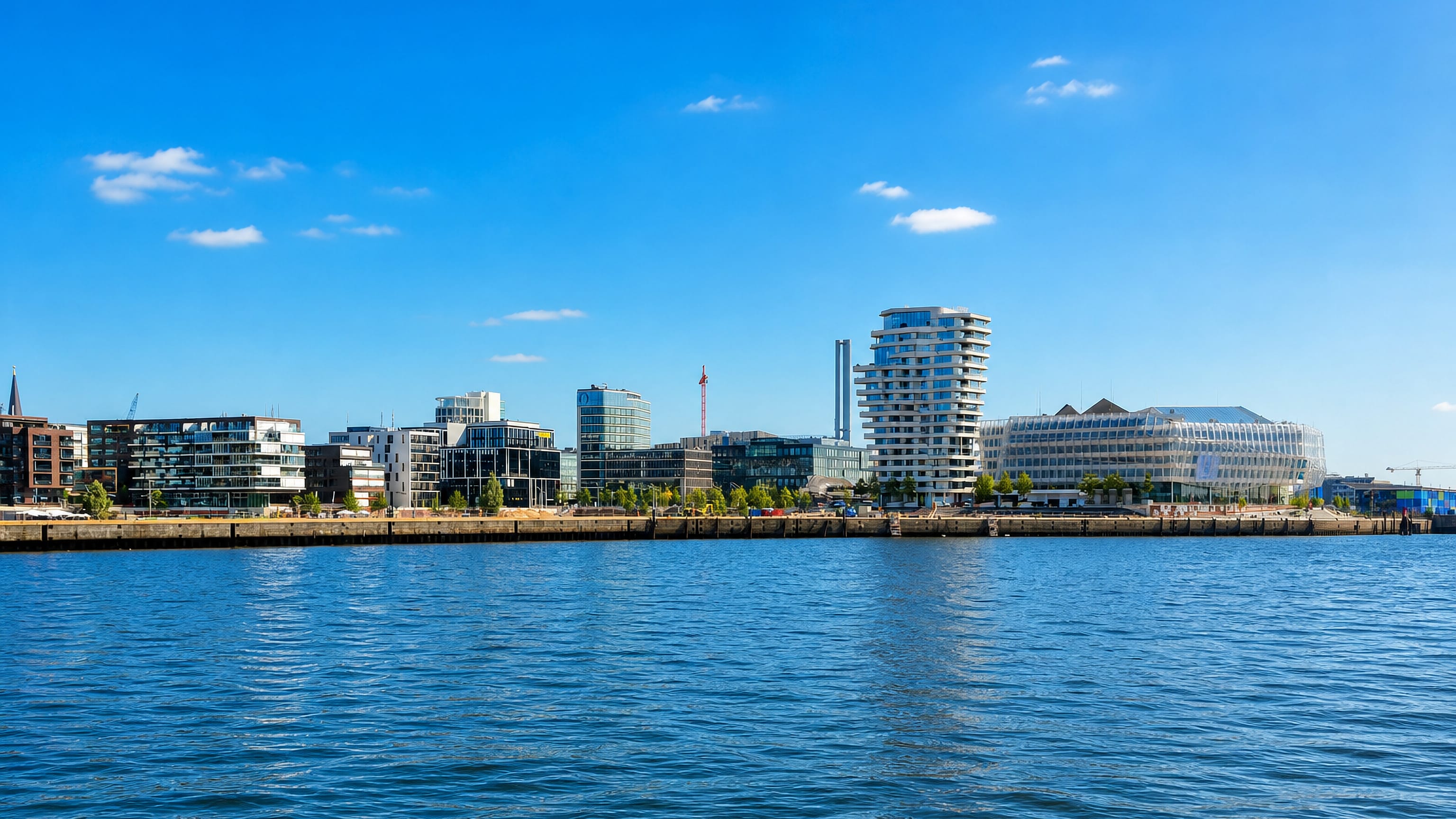
Hamburg is a German city-state on the River Elbe, a Hanseatic port set where the Alster and Bille meet the river above the North Sea.
Hotel links are affiliate links: booking through them may earn us a commission, at no extra cost to you. It never affects how places are ranked. How this works


Towns & cities in Free and Hanseatic City of Hamburg
One town here has its own guide — it links to where to stay.
 Germany
Hamburg
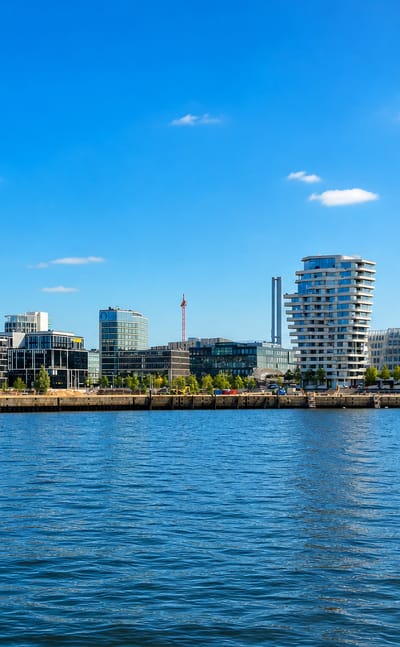
Hamburg spreads along the River Elbe around the Alster lakes and Germany's largest port, a Hanseatic city-state near the North Sea.Where to stay →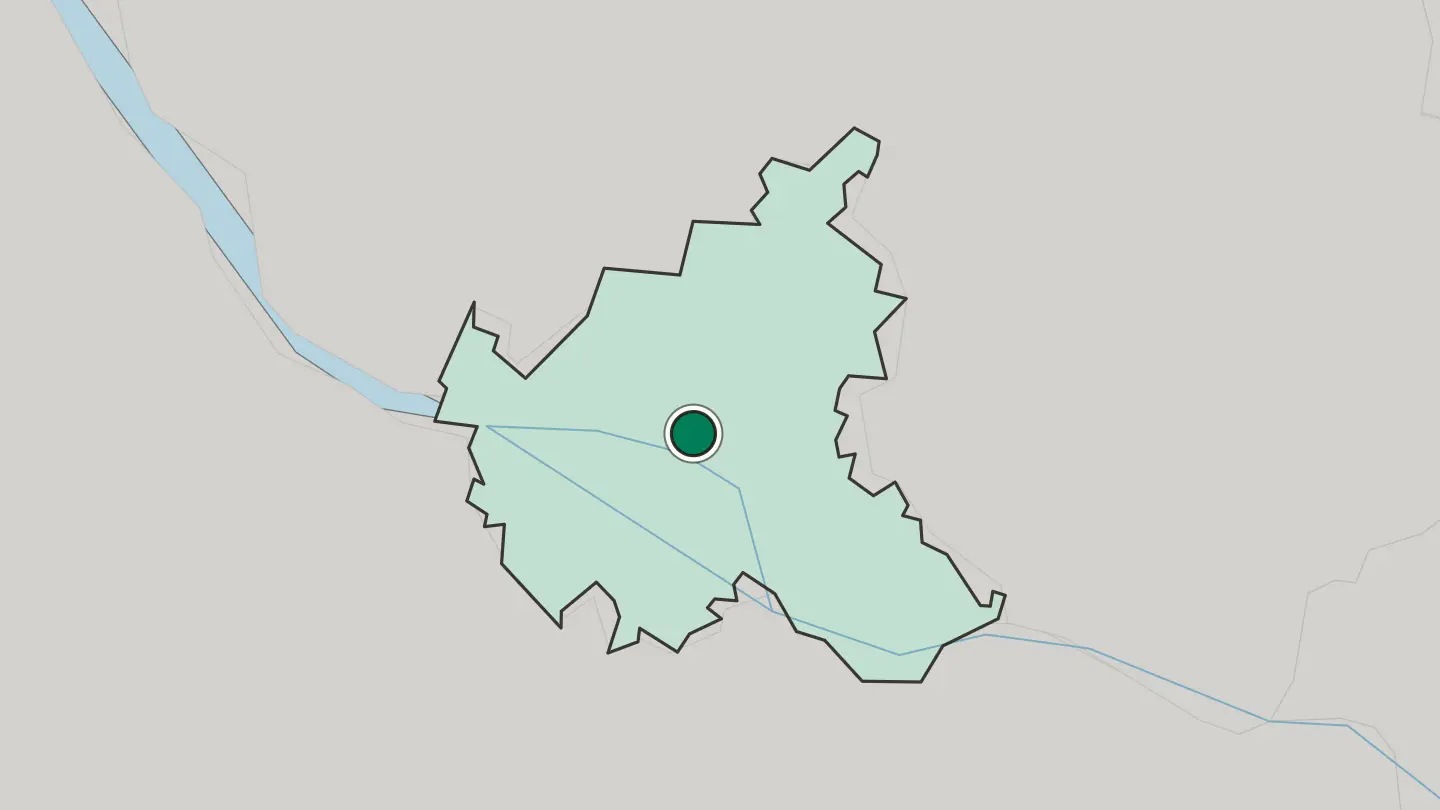
Hotel links are affiliate links: booking through them may earn us a commission, at no extra cost to you. It never affects how places are ranked. How this works
About Free and Hanseatic City of Hamburg
What is Free and Hanseatic City of Hamburg known for?
Hamburg is known as a port city and one of Germany's three city-states, a place shaped by water and trade. The Elbe runs through it. Ships have long worked the Port of Hamburg, set where the river opens toward the North Sea, and the tidal water reaches deep into the city at the meeting of the Alster and the Bille.
Alongside Berlin and Bremen, it governs itself as a state in its own right. The river and its channels shape Hamburg through and through.
Where is Free and Hanseatic City of Hamburg?
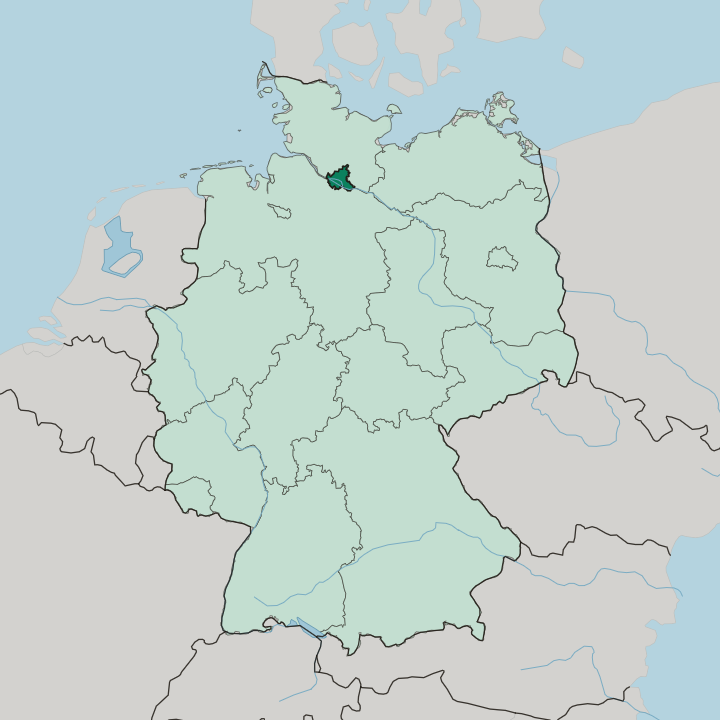
Hamburg stands on the River Elbe, at the point where the river gathers the waters of the Alster and the Bille and begins to widen toward the sea. The Elbe is the making of the place. From the harbour a long tidal estuary runs down to the North Sea, carrying ocean tides up to the quays of the city itself.
The Alster spreads into calm water within the city, while the Bille threads in from the side. The land around is low and flat. Sea and river govern everything here.
Beyond its own boundaries the city-state sits at the southern reach of the Jutland Peninsula, ringed by two larger states. Schleswig-Holstein wraps around it to the north, and Lower Saxony lies to the south across the Elbe. The Port of Hamburg spreads along the river, a working harbour set where the estuary meets the city rather than out on the open coast.
Like Berlin and Bremen, it stands apart as a state of its own. Compact and watery, Hamburg is really one great river city.
What is Free and Hanseatic City of Hamburg like?
Hamburg's culture grows straight out of the harbour. Trade made the city. As a Hanseatic port it looked outward for centuries, and that merchant and seafaring outlook still colours the place more than any inland tradition.
The everyday speech carries it too: the local dialect is a form of Low Saxon, the old tongue of the north German coast. Water threads through daily life, from the working quays of the Elbe to the calm of the Alster. As a self-governing city-state alongside Berlin and Bremen, Hamburg keeps a proud and independent civic identity.
The port is the heart of it.
What is the history of Free and Hanseatic City of Hamburg?
Hamburg's history is the history of a Hanseatic trading city. Hamburg began with its harbour. For centuries the city traded across the northern seas as a free Hanseatic town, and that independence hardened into its standing as a self-governing city-state within Germany.
It kept its own government rather than folding into a surrounding state, as Berlin and Bremen also did. The Elbe carried its fortunes to the sea. Trade wrote its past.
What is the climate of Free and Hanseatic City of Hamburg?
Hamburg has a mild maritime climate, shaped by the North Sea and the open estuary of the Elbe. The sea keeps it temperate. Winds off the water hold summers cool and winters relatively soft, and rain arrives in every season under grey North Sea skies.
Damp, changeable weather is the norm. Cloud sits low over the Elbe for long stretches.
How do you get to Free and Hanseatic City of Hamburg?
Hamburg is reached most easily as a city in its own right, a hub at the head of the Elbe estuary. Rail and road converge here. The city sits where routes from Schleswig-Holstein to the north and Lower Saxony to the south cross the Elbe, tying it into the wider country by land.
By water, the Port of Hamburg links it to the North Sea and the shipping lanes beyond. Ships still come and go. The Elbe remains its road to the sea.
More regions in Germany
Updated September 2026