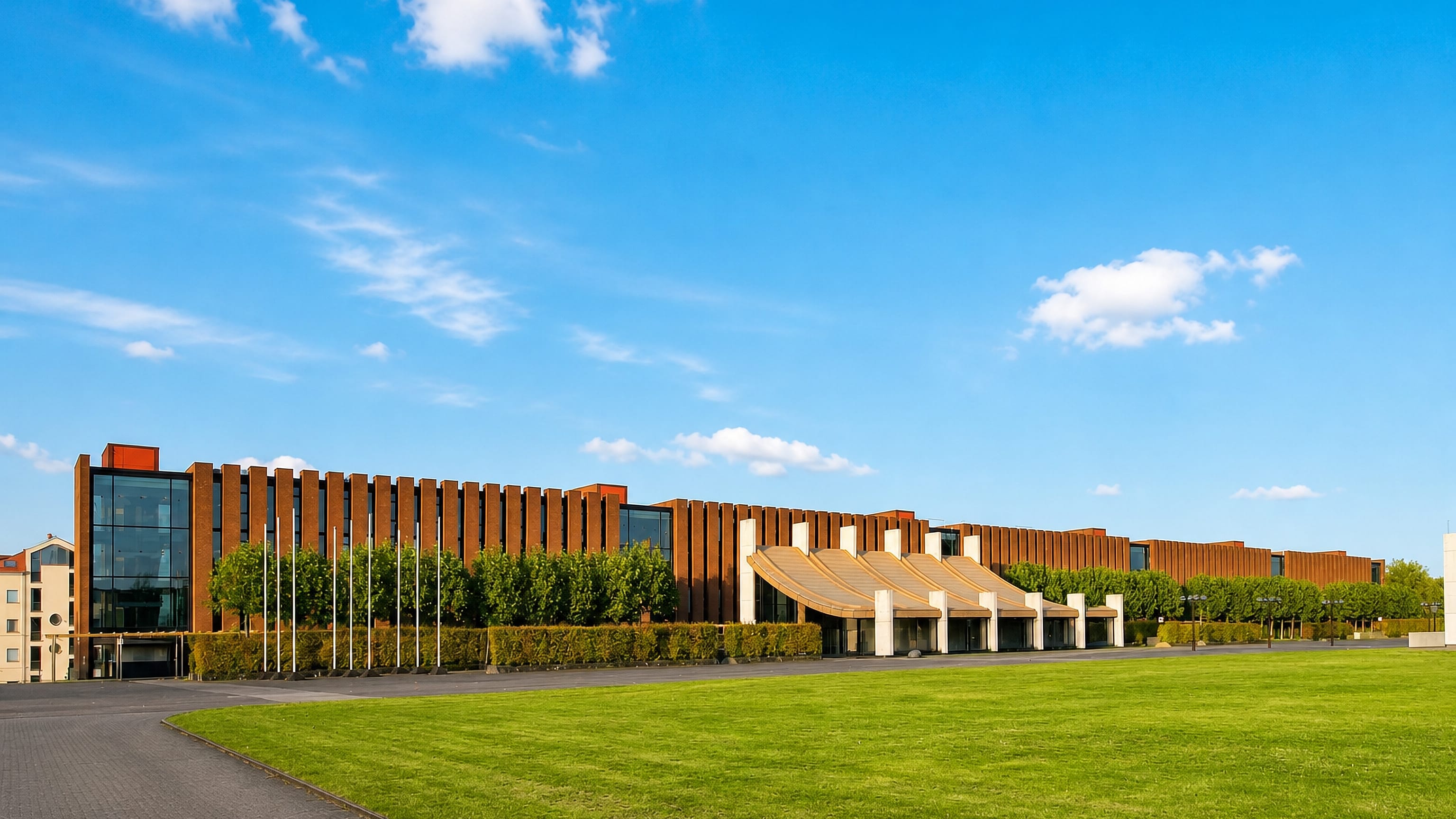
Germany · Nordrhein-Westfalen
Where to Stay in Castrop-Rauxel, Nordrhein-Westfalen
Castrop-Rauxel, or simply Castrop, is a former coal city of the Ruhr Area in Nordrhein-Westfalen, with the LWL-Industriemuseum among its landmarks.
Hotel links are affiliate links: booking through them may earn us a commission, at no extra cost to you. It never affects how places are ranked. How this works


Where to stay in Castrop-Rauxel
The right area depends on your trip — here's what each neighbourhood is best for.

 Castrop-RauxelGermanyQuiet ground on the second half of the hyphen
Rauxel
The Rauxel name, away from the shopping core of Castrop. Few places to stay nearby — book ahead.Rauxel →Castrop-RauxelGermanyBladenhorst
Two parish churches, the Herz-Jesu-Kirche and the Pauluskirche, mark out Bladenhorst within Castrop-Rauxel.Where to stay →Castrop-RauxelGermanyPöppinghausen
Pöppinghausen is a quarter of Castrop-Rauxel whose one listed building is the Evangelische Dorfkirche. A village church, and little else.Where to stay →Hotel links are affiliate links: booking through them may earn us a commission, at no extra cost to you. It never affects how places are ranked. How this works
Find hotels in Castrop-Rauxel
Direct booking searches for these neighbourhoods.
Castrop centre
The old core of the double name, with the Fritz-Hüser-Institut on the same list. Few places to stay nearby — book ahead.Find hotels in Castrop centreAnyone here for the LWL-Industriemuseum Zeche ZollernBövinghausen
The Katharinenkirche Bövinghausen and the colliery museum on the Dortmund side. Rooms are few around here — worth securing early.Find hotels in BövinghausenHotel links are affiliate links: booking through them may earn us a commission, at no extra cost to you. It never affects how places are ranked. How this works
About Castrop-Rauxel
Coal is the short answer.
What is Castrop-Rauxel known for?
Castrop-Rauxel worked as a mining city for as long as the pits lasted, and the LWL-Industriemuseum, with the Zeche Zollern site under the same museum name, is where that century is kept. The Fritz-Hüser-Institut is the other name people know. Beyond those two, the city is a list of parish churches rather than of attractions, and the Lutherkirche, the Luisenkirche and the Johanneskirche head that list.
What are the main landmarks in Castrop-Rauxel?
Churches make up nearly the whole list. The Lutherkirche, the Luisenkirche, the Johanneskirche and the Johanniskirche stand close enough in name to confuse a visitor, the Herz-Jesu-Kirche appears twice on the record, and the Katharinenkirche Bövinghausen closes the parish roll. Two exceptions carry the rest.
The LWL-Industriemuseum keeps the mining record, its Zeche Zollern site included, and the Fritz-Hüser-Institut sits apart from both church and colliery as the one institute on the list.
What is the history of Castrop-Rauxel?
The hyphen is the first fact. Castrop and Rauxel are two names carried into one city, and locals shorten the whole thing back to Castrop, which says something about which half kept the older weight. Church names are older than any colliery here.
The Lutherkirche, the Johanniskirche and the Katharinenkirche Bövinghausen belong to a settled parish landscape that the coalfield later covered over. The record carries two churches under the same Herz-Jesu-Kirche name. Neither half has a founding year on record.
Then the shafts went down. Coal turned Castrop-Rauxel into one of the working cities of the Ruhr Area, and the parish list grew alongside the shafts, the Luisenkirche and the Johanneskirche among the names that appear on it. Mining is over.
What remains of it is held deliberately, with the LWL-Industriemuseum running the record across several sites and the Zeche Zollern among them. The Fritz-Hüser-Institut carries the name of one man into the same civic list. Boundaries here are close: churches on the city's own record stand in Herne and in Dortmund-Bodelschwingh, which is how tightly the Ruhr Area is packed.
Where is Castrop-Rauxel?
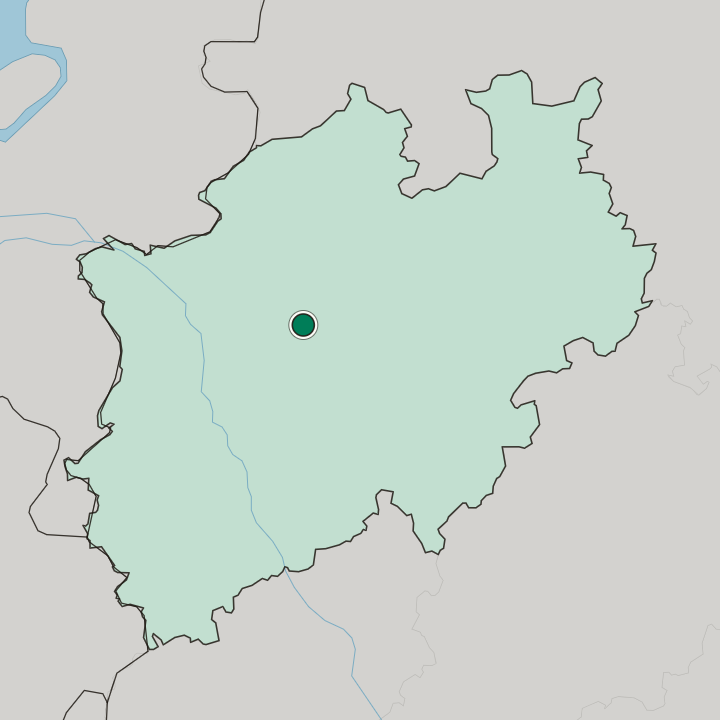
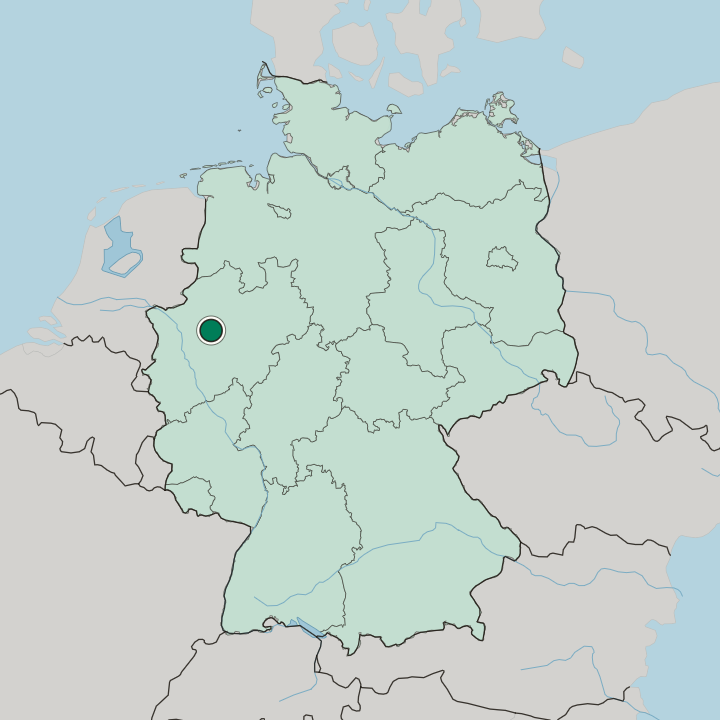
This is a small city by area. Castrop-Rauxel covers roughly 52 square kilometres inside the Ruhr Area of Nordrhein-Westfalen, and the built-up ground runs to the boundary on most sides, with Herne and Dortmund-Bodelschwingh immediately over it. Bövinghausen lies on the Dortmund side.
Nothing in the city stands far from anything else, which is why the church list, the Fritz-Hüser-Institut and the LWL-Industriemuseum read as one compact set rather than as separate excursions.
What is the climate of Castrop-Rauxel?
The weather is Ruhr weather. Damp air sits over the Ruhr Area for much of the year, and Castrop-Rauxel gets the mild winters and the moderate summers that go with it, with rain spread evenly enough that no season stands out. Snow is occasional.
The churchyards around the Lutherkirche and the Katharinenkirche Bövinghausen are where the change of season is easiest to notice.
How do you get to Castrop-Rauxel?
Neighbouring cities are the way in. Castrop-Rauxel sits between Herne and Dortmund inside the Ruhr Area, so arrivals come on the regional network from one of them rather than on any route that treats this city as a destination in itself. Buses and local trains cover the rest.
Bövinghausen and the LWL-Industriemuseum Zeche Zollern are the one trip that genuinely leaves the centre, and the Fritz-Hüser-Institut, the Lutherkirche and the Herz-Jesu-Kirche need nothing but a walk.
Common questions
What is the best area to stay in Castrop-Rauxel?
Castrop centre: Walks between the Lutherkirche and the shops. Bövinghausen: Anyone here for the LWL-Industriemuseum Zeche Zollern. Rauxel: Quiet ground on the second half of the hyphen.
Good for
More cities in Nordrhein-Westfalen
Updated October 2026