Germany · Nordrhein-Westfalen
Where to Stay in Hagen, Nordrhein-Westfalen
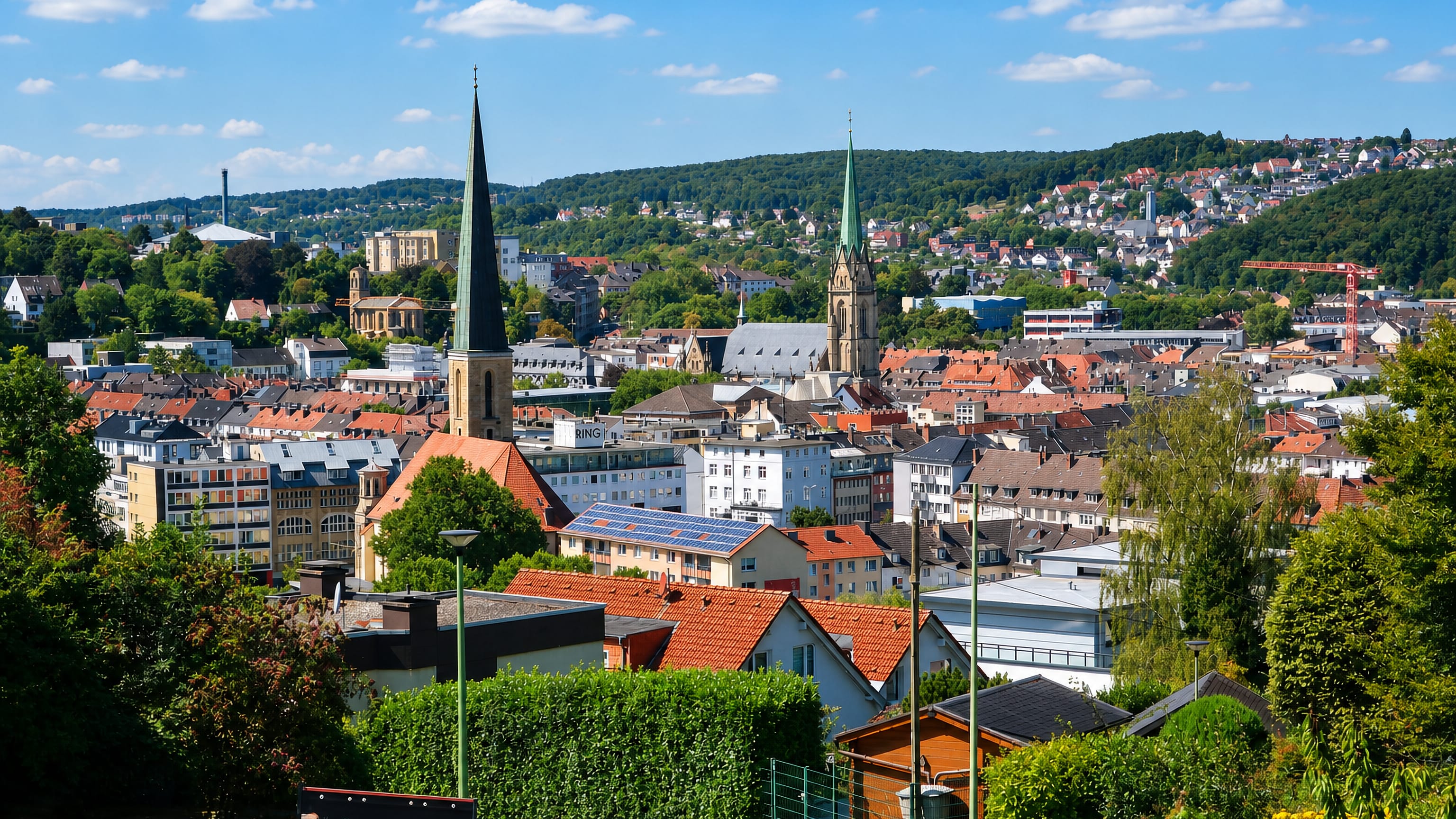
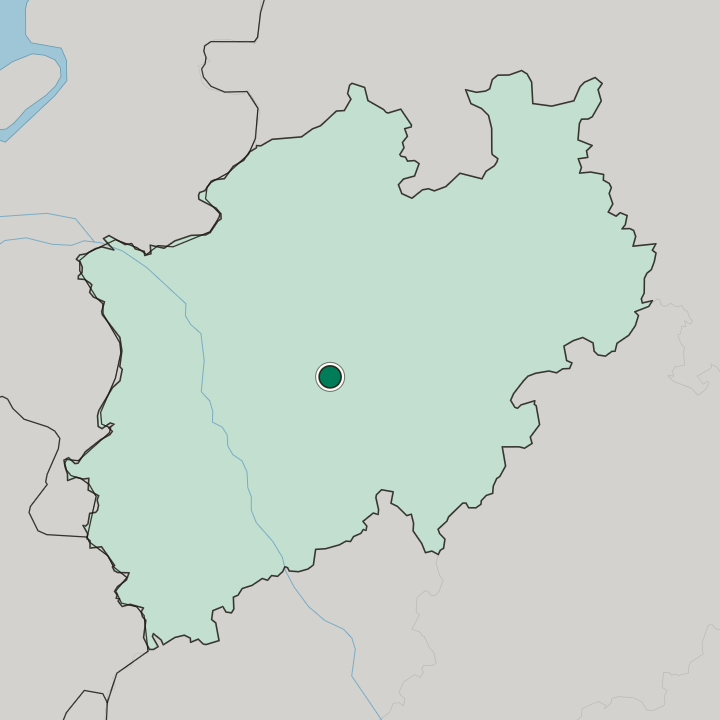
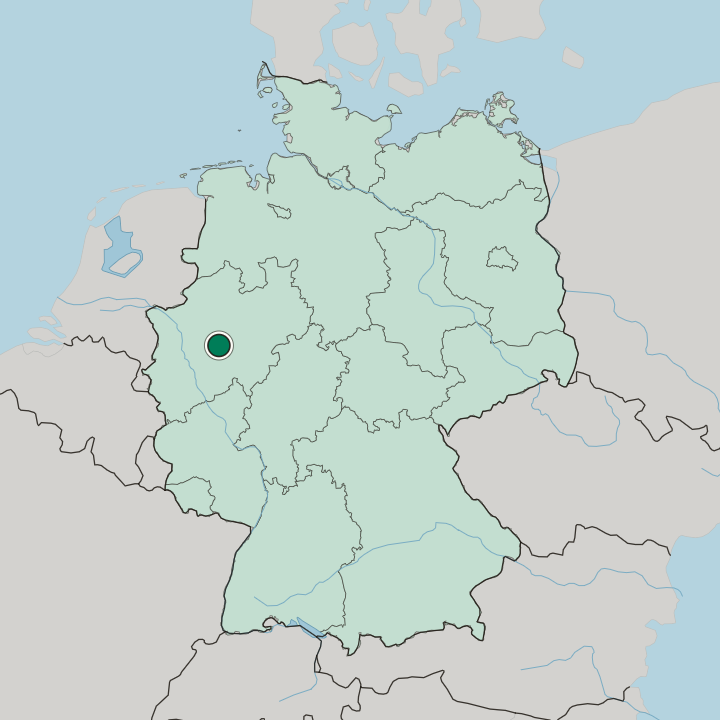
Hagen stands where the Lenne and the Volme meet the Ruhr, on the southeastern edge of the Ruhr area, with the Sauerland rising to the south.
Hotel links are affiliate links: booking through them may earn us a commission, at no extra cost to you. It never affects how places are ranked. How this works


Where to stay in Hagen
The right area depends on your trip — here's what each neighbourhood is best for.

 HagenGermany
Altenhagen
Altenhagen is a district of Hagen, a city quarter whose named churches include the Lutherkirche and the Markuskirche.Where to stay → HagenGermany
Eilpe
A district of Hagen, Eilpe keeps the Historisches Centrum Hagen alongside parishes at the Heilig-Geist-Kirche and the Erlöserkirche.Where to stay →HagenGermanyBoelerheide
Three churches name Boelerheide, a Hagen district in Germany: Christ-König, the Philipp-Nicolai-Kirche and St. Johannes Baptist.Where to stay →HagenGermanyEckesey
Eckesey is a Hagen district in Germany whose two named churches are the Liebfrauenkirche and St. Petrus Canisius.Where to stay → HagenGermany
Delstern
Delstern is a district of Hagen in Germany whose single named monument is the Eduard-Müller-Krematorium.Where to stay → HagenGermany
Haspe
Haspe lies in the valley of the Ennepe inside Hagen, a borough holding the Haspertalsperre and the Kaiser-Friedrich-Turm.Where to stay →HagenGermanyWesterbauer
Westerbauer, a district of Hagen in Germany, takes its named points from Haus Harkorten and St. Konrad.Where to stay → HagenGermany
Hohenlimburg
Hohenlimburg sits on the Lenne as a borough of Hagen, with Hohenlimburg Castle and Elsey Abbey among its named sites.Where to stay →HagenGermanyWesselbach
Wesselbach is a part of Hohenlimburg in Hagen, a long stream valley below Schloss Hohenlimburg.Where to stay →Hotel links are affiliate links: booking through them may earn us a commission, at no extra cost to you. It never affects how places are ranked. How this works
Find hotels in Hagen
Direct booking searches for these neighbourhoods.
Kunstquartier Hagen
The Kunstquartier Hagen gathers the Osthaus-Museum Hagen and the Emil-Schumacher-Museum into one quarter, so a room here removes the journey between them.Find hotels in Kunstquartier HagenBeds by the market church, with the Historisches Centrum Hagen in reachAround the Johanniskirche am Markt
Johanniskirche am Markt names the market end of Hagen, which puts the everyday streets and the Historisches Centrum Hagen on the doorstep.Find hotels in Around the Johanniskirche am MarktNights on the wooded southern approaches rather than the Ruhr area sideThe Sauerland side
Hagen meets the Sauerland on its southern flank, and a room out that way trades the Kunstquartier Hagen for woods and the upper Lenne. Few places to stay nearby — book ahead.Find hotels in The Sauerland sideHotel links are affiliate links: booking through them may earn us a commission, at no extra cost to you. It never affects how places are ranked. How this works
Things to do in Hagen
Ranked by global recognition; descriptions from Wikidata (CC0).
Museums & Galleries
3- Osthaus-Museum Hagen Heritage
- Bunkermuseum Hagen
- Emil-Schumacher-Museum
Churches & Religious Sites
8- Saint Elisabeth of Hungary Church Heritage
- Johanniskirche am Markt Heritage
- Alte Synagoge Hohenlimburg Heritage
- Christ-König Heritage
- Evangelisch-Reformierte Kirche Hohenlimburg Heritage
Show 3 more →
- Liebfrauenkirche Heritage
- Evangelische Kirche Elsey Heritage
- St. Johannes Baptist Heritage
Castles & Historic Sites
1- Franzosenschanze
Stadiums & Sports
1- Rundturnhalle Haspe
worth knowingacross 4 categories in Hagen
About Hagen
Four rivers meet here.
What is Hagen known for?
The Lenne and the Volme join the Ruhr inside the city, the Ennepe makes a fourth, and Hagen sits on the southeastern edge of the Ruhr area with the Sauerland beginning to the south. Art is the other answer. The Osthaus-Museum Hagen, the Emil-Schumacher-Museum and the Kunstquartier Hagen carry that side, while the Hagen Open-air Museum works on a site of its own.
Two towers appear on the list: the Eugen-Richter-Tower and the Kaiser-Friedrich-Turm.
What are the main landmarks in Hagen?
The museums lead. Osthaus-Museum Hagen and the Emil-Schumacher-Museum are the art pair that the Kunstquartier Hagen gathers, the Historisches Centrum Hagen holds the civic record, the Bunkermuseum Hagen takes a wartime subject, and the Hagen Open-air Museum works outdoors on ground of its own. Towers make a pair.
Eugen-Richter-Tower and Kaiser-Friedrich-Turm are the two, both named for figures rather than for the ground they stand on. Seventeen churches appear on the list, from the Johanniskirche am Markt to the Liebfrauenkirche, the Lutherkirche and the Markuskirche spread across the city.
What is the history of Hagen?
No founding year is attached to Hagen in the record. The rivers explain the site better than any charter would: the Lenne and the Volme meet the Ruhr here, the Ennepe adds a fourth, and valleys that converge tend to gather routes with them. The Ruhr area lies to the north.
Hagen sits on its southeastern edge, which put the city in reach of the industrial belt while the Sauerland gave the southern side its wooded ground. The twentieth century is documented on the ground. The Bunkermuseum Hagen preserves a wartime shelter, and the Historisches Centrum Hagen holds the wider civic record, so the city keeps both the hard parts of its past and the ordinary ones.
Art arrived too. The Osthaus-Museum Hagen and the Emil-Schumacher-Museum both carry the names of individuals, and together with the Kunstquartier Hagen they make the art collections a matter of persons rather than of a single municipal gallery. Seventeen churches count the rest.
Johanniskirche am Markt, Liebfrauenkirche, Lutherkirche, Markuskirche and Philipp-Nicolai-Kirche are only part of a list long enough to show that Hagen was never a single parish.
Where is Hagen?
Four rivers define the ground. The Lenne and the Volme meet the Ruhr inside Hagen and the Ennepe makes the fourth, which is why the city sits in valleys rather than on a single plain. Woods cover much of it.
The municipal area runs to some 160 square kilometres, with the Ruhr area to the north and the Sauerland to the south, and Dortmund lies a short way north of the city.
What is the climate of Hagen?
The Sauerland sets the tone. Rising ground to the south tends to catch more weather than the flatter Ruhr area to the north does, and the wooded slopes above the Lenne and the Volme stay damp longer than the valley floors. Temperate throughout.
Nothing here is severe, and the Osthaus-Museum Hagen, the Emil-Schumacher-Museum and the Historisches Centrum Hagen give a wet afternoon three indoor answers within the same city.
How do you get to Hagen?
Dortmund is the near neighbour. The city lies some fifteen kilometres to the north, which puts Hagen at the southeastern edge of the Ruhr area with the Sauerland as the other direction of travel. Inside Hagen the valleys decide.
The Lenne, the Volme and the Ruhr break the built-up area into separate stretches, so the Kunstquartier Hagen, the Hagen Open-air Museum and the Eugen-Richter-Tower are not a single walk but three errands.
Common questions
What is the best area to stay in Hagen?
Kunstquartier Hagen: Art-first stays with the Osthaus-Museum Hagen and the Emil-Schumacher-Museum next door. Around the Johanniskirche am Markt: Beds by the market church, with the Historisches Centrum Hagen in reach. The Sauerland side: Nights on the wooded southern approaches rather than the Ruhr area side.
Good for
More cities in Nordrhein-Westfalen
Updated October 2026