Germany · Nordrhein-Westfalen
Where to Stay in Herford, Nordrhein-Westfalen
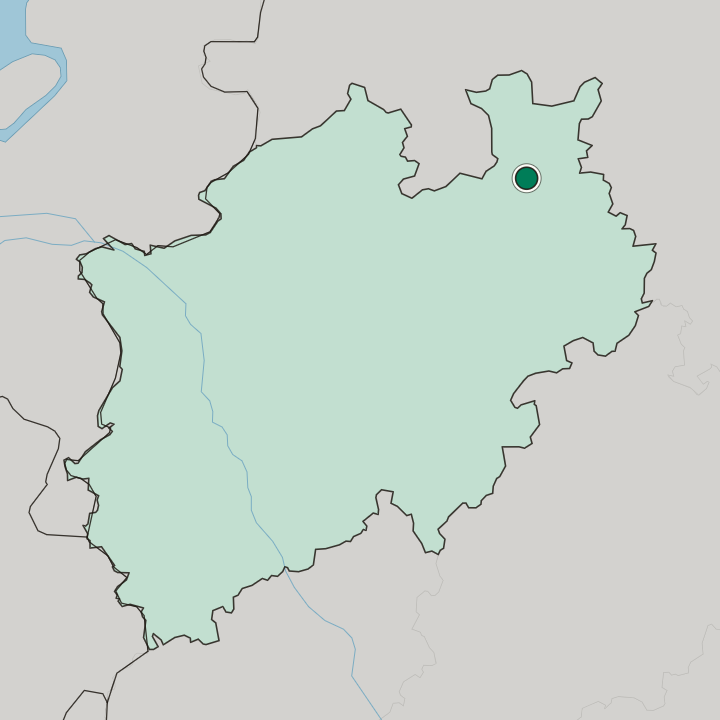
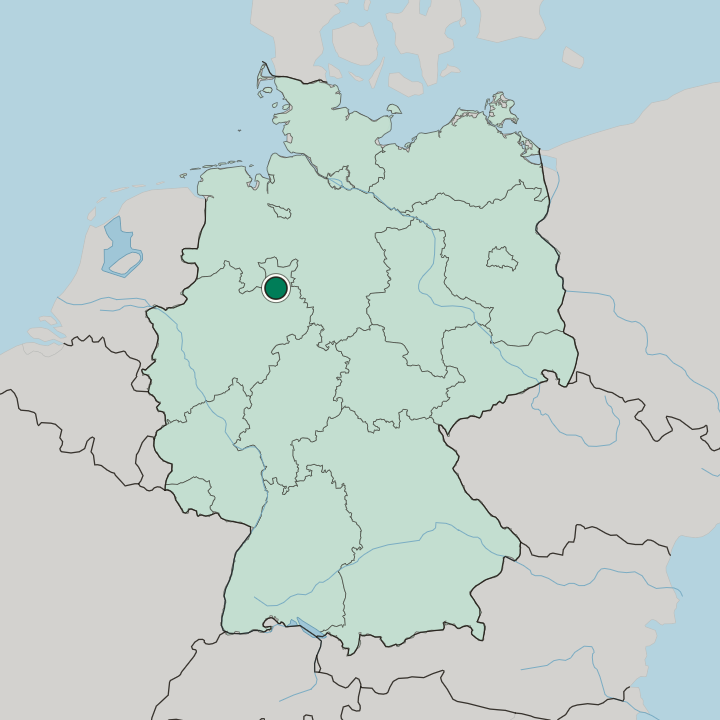
Herford lies on the lowland between the Wiehen Hills and the Teutoburg Forest, seat of its Landkreis and site of the MARTa Herford museum.
Hotel links are affiliate links: booking through them may earn us a commission, at no extra cost to you. It never affects how places are ranked. How this works


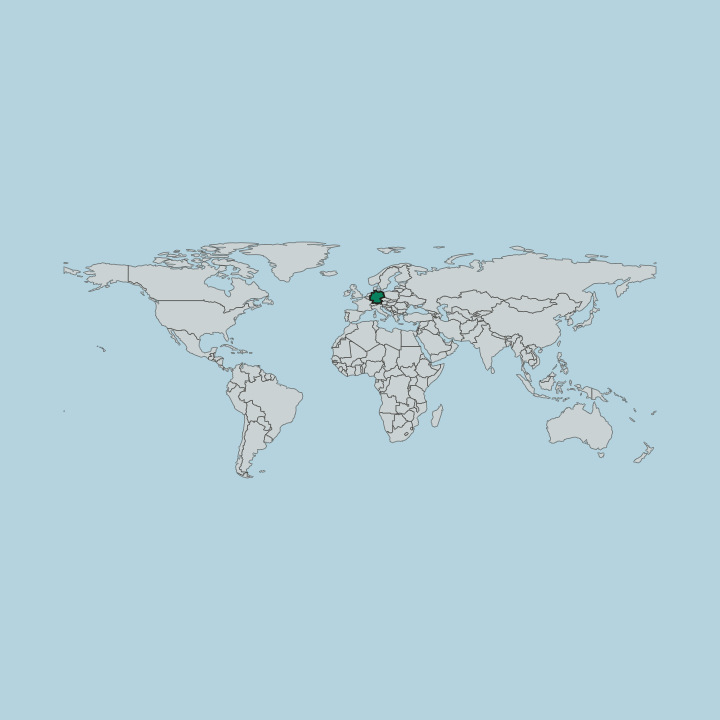
Where to stay in Herford
One neighbourhood here has its own guide — here's what it is best for.

 HerfordGermany
Milse
Milse is a district of Herford in Nordrhein-Westfalen, marked by two parish churches: Heilig-Kreuz-Kirche and Maria Königin.Where to stay →Hotel links are affiliate links: booking through them may earn us a commission, at no extra cost to you. It never affects how places are ranked. How this works
Find hotels in Herford
Direct booking searches for these neighbourhoods.
The Münster quarter
The Herforder Münster and Süsternkapelle stand minutes apart in the same lanesFind hotels in The Münster quarterAnyone timing a stay around MARTa HerfordThe MARTa side
Rooms here face the museum end of town rather than the Petrikirche and the church towersFind hotels in The MARTa sideDrivers trading church bells for the rise at LuttenbergTowards Luttenberg and Herringhausen
The outlying parts by Evangelische Kirche Herringhausen sit nearer Tierpark Herford than the Münster. Lodging is scarce in this area; reserve in advance.Find hotels in Towards Luttenberg and HerringhausenHotel links are affiliate links: booking through them may earn us a commission, at no extra cost to you. It never affects how places are ranked. How this works
Things to do in Herford
Ranked by global recognition; descriptions from Wikidata (CC0).
Museums & Galleries
1- Daniel-Pöppelmann-Haus Heritage
Churches & Religious Sites
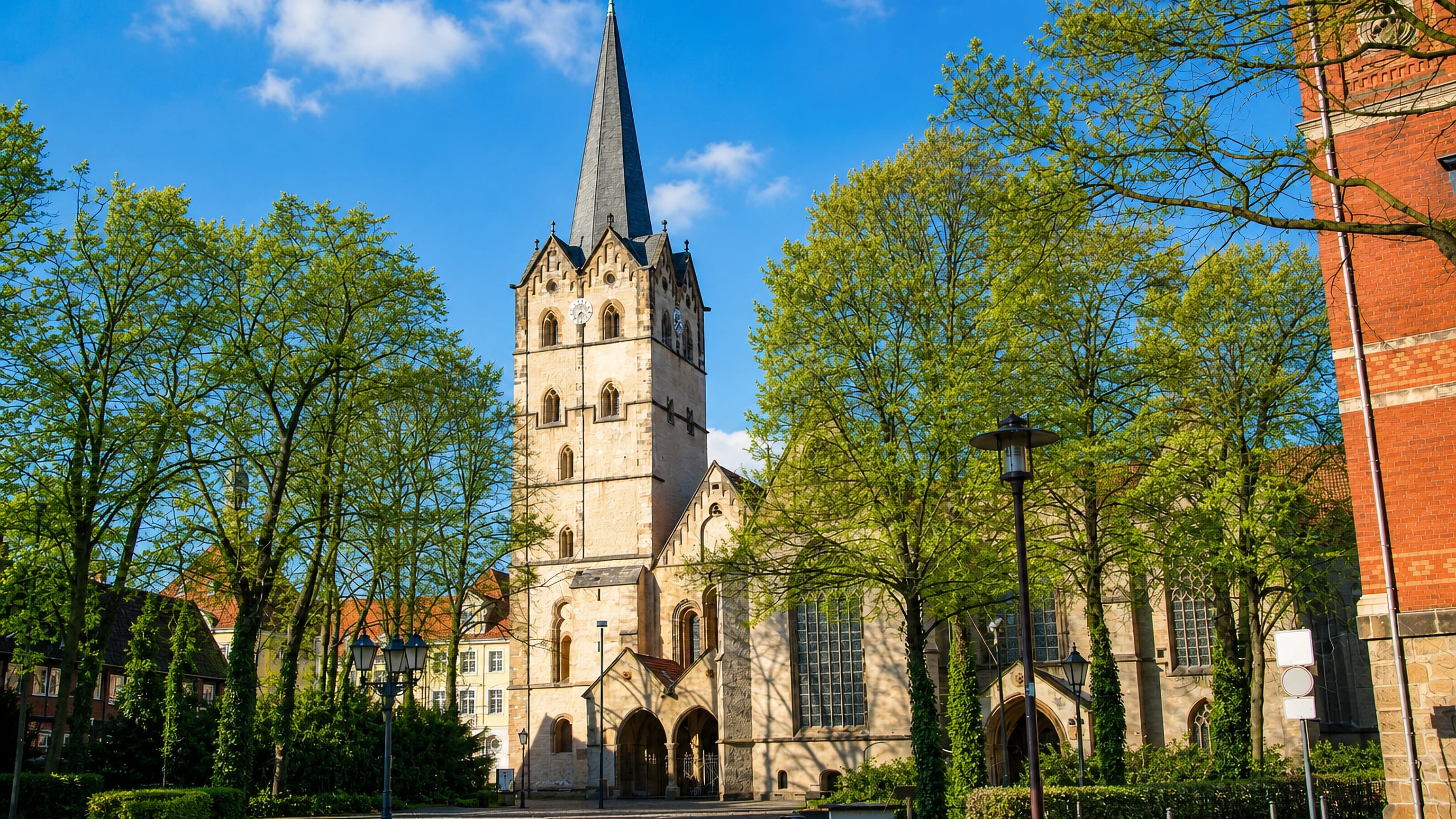
8- Herforder Münster Heritage
- St. Marien Heritage
- Petrikirche Heritage
- St. Johannis (Herford) Heritage
- St. Jacobi Heritage
Show 3 more →
- St Johannes Baptist Heritage
- Süsternkapelle Heritage
- Evangelische Kirche Herringhausen Heritage
Landmarks & Notable Places
1- Wulfert Haus Heritage
worth knowingacross 3 categories in Herford
About Herford
MARTa Herford draws the art visitors.
What is Herford known for?
Its galleries stand a few streets from the Herforder Münster, whose bulk still marks the old core, while St Johannis, St Jacobi, and the Petrikirche hold their own corners of the townscape. Cloister names survive too. The Franziskanerkloster Herford, the Augustinereremitenkloster Herford, and the Fraterhaus Herford record the religious houses that once ordered life here.
Tierpark Herford keeps animals on the edge of it all.
What are the main landmarks in Herford?
The Herforder Münster holds the centre. MARTa Herford stands apart from it in every way, a museum of the present set among churches, and the two together make the usual round for anyone walking the old streets. Süsternkapelle, the Wulfert Haus, and the Daniel-Pöppelmann-Haus fill in the smaller stops.
Tierpark Herford suits a slower afternoon, and Luttenberg gives the rise that the flat town otherwise lacks.
What is the history of Herford?
Settlement here follows the flat ground between the Wiehen Hills and the Teutoburg Forest, where the two chains leave an open corridor across Ostwestfalen-Lippe. Stone carries the record in Herford. The Herforder Münster gives the old core its largest silhouette, and the parish churches around it, among them St Johannis, St Jacobi, St Marien, and the Petrikirche, mark the quarters that grew up in their shadow.
Süsternkapelle names the sisters who kept it. Three religious houses are written into the townscape: Franziskanerkloster Herford for the friars, Augustinereremitenkloster Herford for the Augustinian hermits, and Fraterhaus Herford for the brethren who lived in common. Domestic building tells the later part.
Wulfert Haus and the Daniel-Pöppelmann-Haus survive among the streets, and a Schiller memorial stands nearby, the kind of civic monument a town raises when its church-building days are behind it. Herford is the seat of its Landkreis, and the administrative region of Detmold sets it inside Ostwestfalen-Lippe. MARTa Herford is the newest layer.
Tierpark Herford keeps its own corner of the modern town, and the Evangelische Kirche Herringhausen belongs to one of the outlying parts. Luttenberg still marks the rise above the flat, a fixed point in a town whose past is otherwise told by its churches, its houses, and the museum that arrived last.
Where is Herford?
The lowland here runs between two hill chains. To one side the Wiehen Hills rise, to the other the long ridge of the Teutoburg Forest, and Herford sits on the flat ground between them where the Ostwestfalen-Lippe country opens out. Luttenberg marks the local rise.
The Landkreis Herford spreads around the town, and Detmold gives its name to the wider administrative region.
What is the climate of Herford?
Two hill chains do the work here. The Wiehen Hills on one side and the Teutoburg Forest on the other break the winds that cross the lowland, and Herford takes the temperate weather of the Ostwestfalen-Lippe country in a milder form. Rain falls in every season.
Neither ridge stands high enough to make weather of its own.
How do you get to Herford?
Approaches follow the gap between the hills. Traffic into Herford runs along the lowland corridor that separates the Wiehen Hills from the Teutoburg Forest, the same flat line that links the Ostwestfalen-Lippe towns to one another and on towards Detmold. As the seat of Landkreis Herford, the town draws the movement of the parishes around it rather than sitting off to one side.
Distances inside the district stay short.
Common questions
What is the best area to stay in Herford?
The Münster quarter: Walkers who want St Johannis and St Jacobi on the doorstep. The MARTa side: Anyone timing a stay around MARTa Herford. Towards Luttenberg and Herringhausen: Drivers trading church bells for the rise at Luttenberg.
Good for
More cities in Nordrhein-Westfalen
Updated October 2026