Germany · Nordrhein-Westfalen
Where to Stay in Herne, Nordrhein-Westfalen
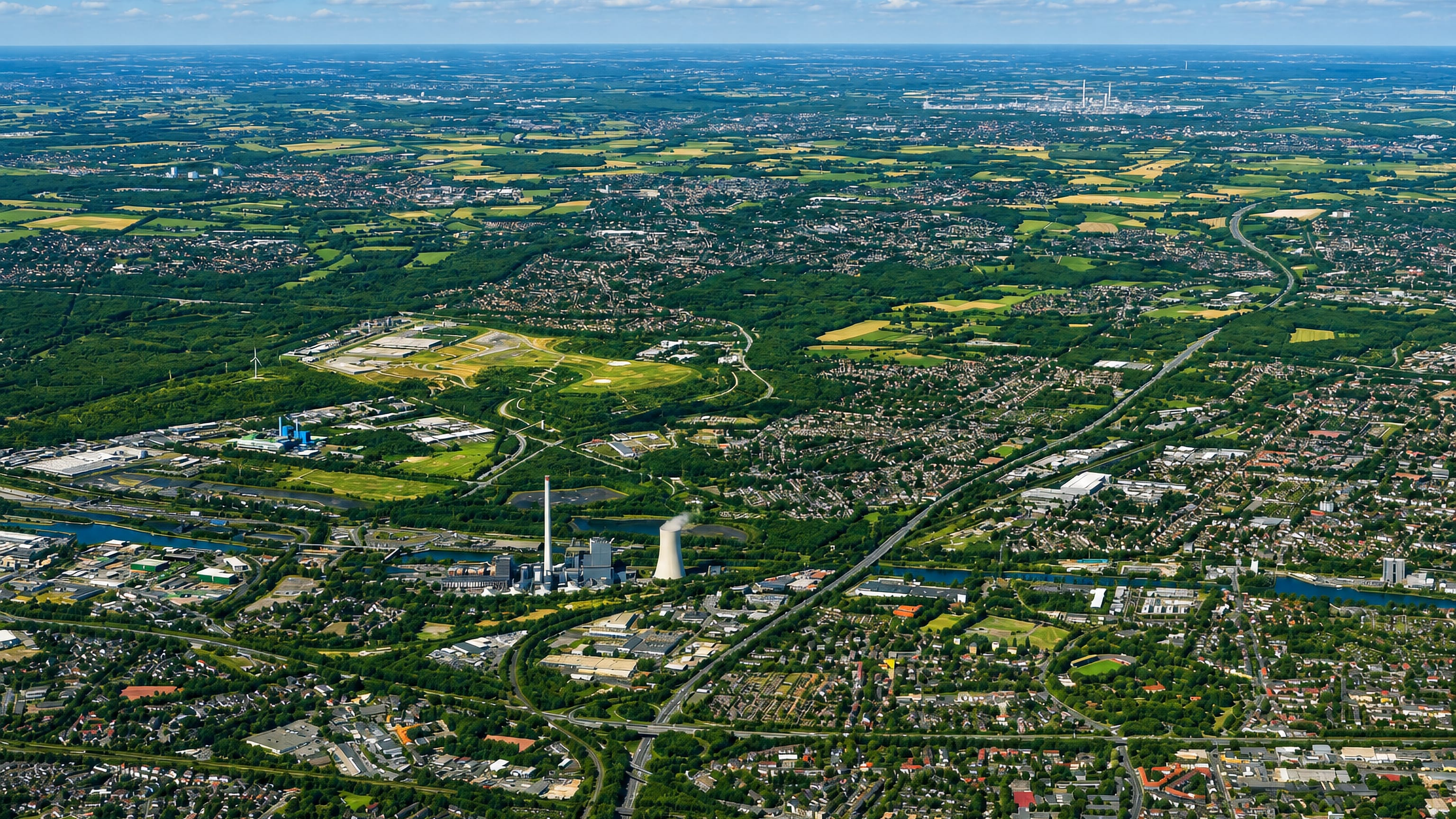
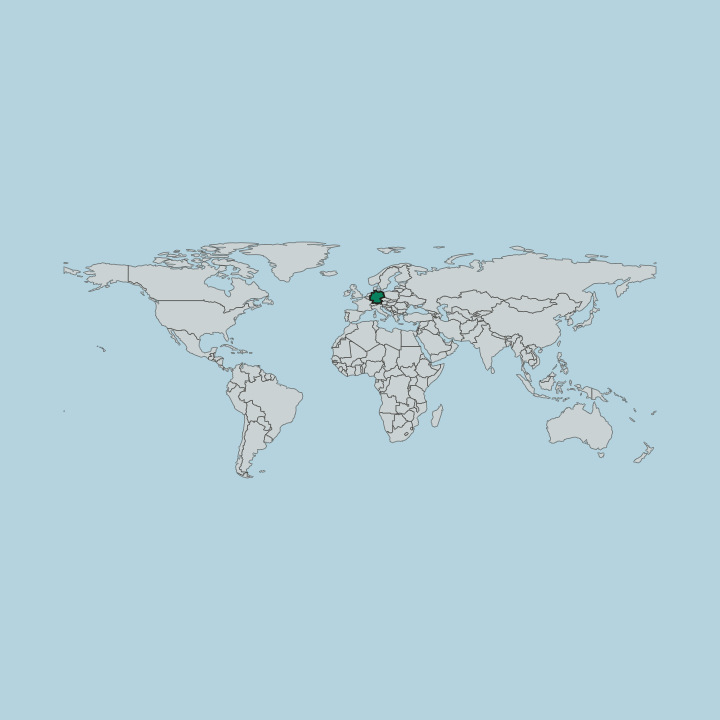
Herne lies in the Ruhr area directly between Bochum and Gelsenkirchen, where Schloss Strünkede and its park hold the older ground.
Hotel links are affiliate links: booking through them may earn us a commission, at no extra cost to you. It never affects how places are ranked. How this works


Where to stay in Herne
Each area has its own feel; here's who each one suits.

 HerneGermany
Baukau
Baukau is a part of Herne in the Ruhr, first named in a 1378 document, divided between Baukau-Ost in Herne-Mitte and Baukau-West in the Stadtbezirk Wanne.Where to stay → HerneGermany
Sodingen
Sodingen is a quarter of Herne that keeps the half-timbered Fachwerkhof Haus Kranenberg among its four listed landmarks.Where to stay → HerneGermany
Börnig
Börnig is Herne ground. One church, St. Dreifaltigkeit, is the only landmark the record enters against the district's name.Where to stay → HerneGermany
Crange
The Cranger Kirche is the whole of Crange's landmark register, a single entry inside the city limits of Herne.Where to stay →HerneGermanyWanne
Wanne is a district of Herne in Nordrhein-Westfalen, and its named landmarks run to four churches and one local-history museum.Where to stay → HerneGermany
Röhlinghausen
Röhlinghausen is a district of Herne in the Eickel borough, grown from a farming settlement on cleared land, at the arithmetic centre of the Ruhr.Where to stay →HerneGermanyDorneburg
Dorneburg is a quarter of Herne with no landmark of its own on the record, only the name it shares with the Dorneburger Bach.Where to stay →Hotel links are affiliate links: booking through them may earn us a commission, at no extra cost to you. It never affects how places are ranked. How this works
Find hotels in Herne
Direct booking searches for these neighbourhoods.
Herne-Mitte
The spared blocks of Herne-Mitte put the Kreuzkirche, St Bonifatius, and the shops on one walkFind hotels in Herne-MitteStays built around Schloss Strünkede and its galleriesAround Schlosspark Strünkede
The Städtische Galerie im Schlosspark Strünkede and the LWL archaeology halls share one green. Beds are limited here, so book early.Find hotels in Around Schlosspark StrünkedeVisitors treating Herne as a base for the wider RuhrThe Bochum and Gelsenkirchen edges
Herne runs into Bochum and Gelsenkirchen with no gap, so beds in either stay close to Schloss StrünkedeFind hotels in The Bochum and Gelsenkirchen edgesHotel links are affiliate links: booking through them may earn us a commission, at no extra cost to you. It never affects how places are ranked. How this works
Things to do in Herne
Ranked by global recognition; descriptions from Wikidata (CC0).
Museums & Galleries
3- Heimat- und Naturkunde-Museum Wanne-Eickel Heritage
- Städtische Galerie im Schlosspark Strünkede Heritage
- LWL-Museum für Archäologie und Kultur
Churches & Religious Sites
8- St. Bonifatius Heritage
- Sacred Heart Church Heritage
- St. Peter und Paul (Herne) Heritage
- Cranger Kirche Heritage
- Kreuzkirche Heritage
Show 3 more →
- St. Marien Heritage
- St. Joseph Heritage
- St. Laurentius Heritage
Castles & Historic Sites
3- Schloss Strünkede Heritage
- Haus Gosewinkel
- Genius und Hydra
Nature & Outdoors
1- LAGO
Landmarks & Notable Places
2- Fachwerkhof Haus Kranenberg Heritage
- ehem. Gesellschaftshaus der Freimaurerloge „Eiche auf roter Erde“ Heritage
worth knowingacross 5 categories in Herne
About Herne
The Ruhr frames everything here.
What is Herne known for?
Herne stands directly between Bochum and Gelsenkirchen, close enough to both that the built-up ground never really stops, and its own draws are the LWL-Museum für Archäologie und Kultur and Schloss Strünkede. Herne-Mitte kept its older streets, spared by the bombing that flattened neighbouring cities, and the Wilhelminian fronts still line them. Opel-Museum Herne adds a smaller stop.
What are the main landmarks in Herne?
Schloss Strünkede is the set piece. Its park holds the Städtische Galerie im Schlosspark Strünkede, while the LWL-Museum für Archäologie und Kultur keeps the archaeology that draws visitors from beyond the Ruhr. Churches do the rest: Kreuzkirche, St Bonifatius, St Elisabeth, the Reformationskirche, and the Zionskirche among fourteen church buildings in the city.
Opel-Museum Herne and the Fachwerkhof Haus Kranenberg are the odd pair.
What is the history of Herne?
Strünkede is the older name here, and the Schloss that carries it stands with its park while the city that grew around it belongs to a much later century. Fachwerkhof Haus Kranenberg keeps the timber-framed farm building that the later city grew over. Growth came in the Wilhelminian era.
Herne-Mitte still shows it, block after block of fronts from those decades, kept because the bombing of the Second World War fell hardest on other cities of the Ruhr. Both confessions built hard. Reformationskirche, Lutherkirche, Johanniskirche, and Zionskirche stand for one side, St Bonifatius, St Elisabeth, St Marien, and St Peter und Paul for the other, and fourteen church buildings in all are counted in the city.
Civil society left its own buildings, among them the former lodge house of the Freimaurerloge Eiche auf roter Erde. Sacred Heart Church and the Marienkirche belong to the same building wave. Museums arrived later still: the LWL-Museum für Archäologie und Kultur, the Städtische Galerie im Schlosspark Strünkede, and Opel-Museum Herne.
Bochum and Gelsenkirchen closed in on both sides as the Ruhr filled, and Herne ended up a city with no gap between itself and its neighbours.
Where is Herne?
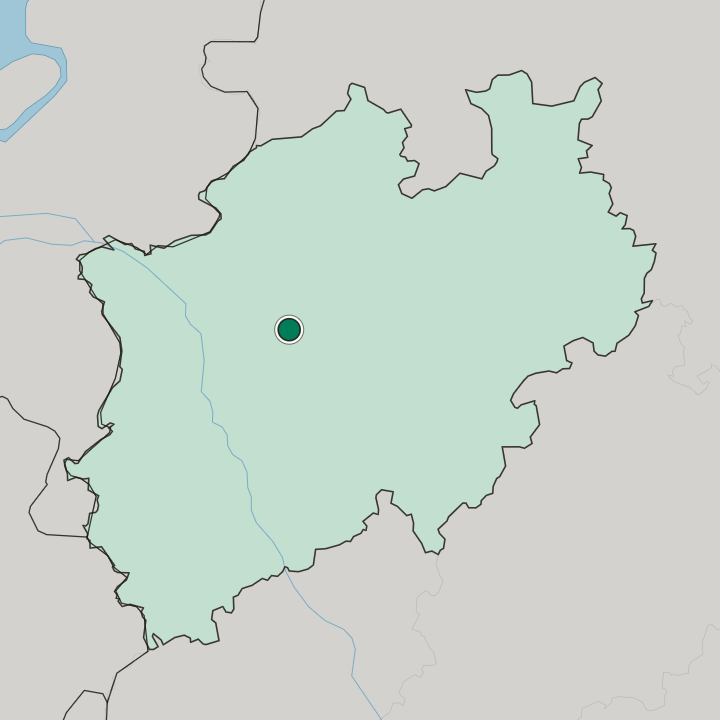
Herne has no room to spread. The city fills a piece of the Ruhr area with Bochum on one side and Gelsenkirchen on the other, and the built ground carries on past both borders without a break in it. Herne-Mitte holds the centre of it, and the greenest ground belongs to the Schlosspark Strünkede.
Baukau lies among the outer parts.
What is the climate of Herne?
Weather here comes off the flat. Nothing between Herne and the open country to the west blocks the damp air that crosses the Ruhr area, so the temperate pattern arrives without much interference and rain is spread through the year. Summers stay moderate and winters grey rather than hard.
Bochum and Gelsenkirchen share the same sky.
How do you get to Herne?
Arrival is rarely a long haul. Herne sits directly between Bochum and Gelsenkirchen, so most approaches come through one of them, and the continuous streets of the Ruhr area make the boundary hard to notice on the way in. Herne-Mitte is where most arrivals end up, within reach of Schloss Strünkede and the LWL-Museum für Archäologie und Kultur.
Distances between Ruhr cities stay small.
Common questions
What is the best area to stay in Herne?
Herne-Mitte: Anyone wanting the Wilhelminian streets the bombing missed. Around Schlosspark Strünkede: Stays built around Schloss Strünkede and its galleries. The Bochum and Gelsenkirchen edges: Visitors treating Herne as a base for the wider Ruhr.
Good for
More cities in Nordrhein-Westfalen
Updated October 2026