Germany · Nordrhein-Westfalen
Where to Stay in Iserlohn, Nordrhein-Westfalen
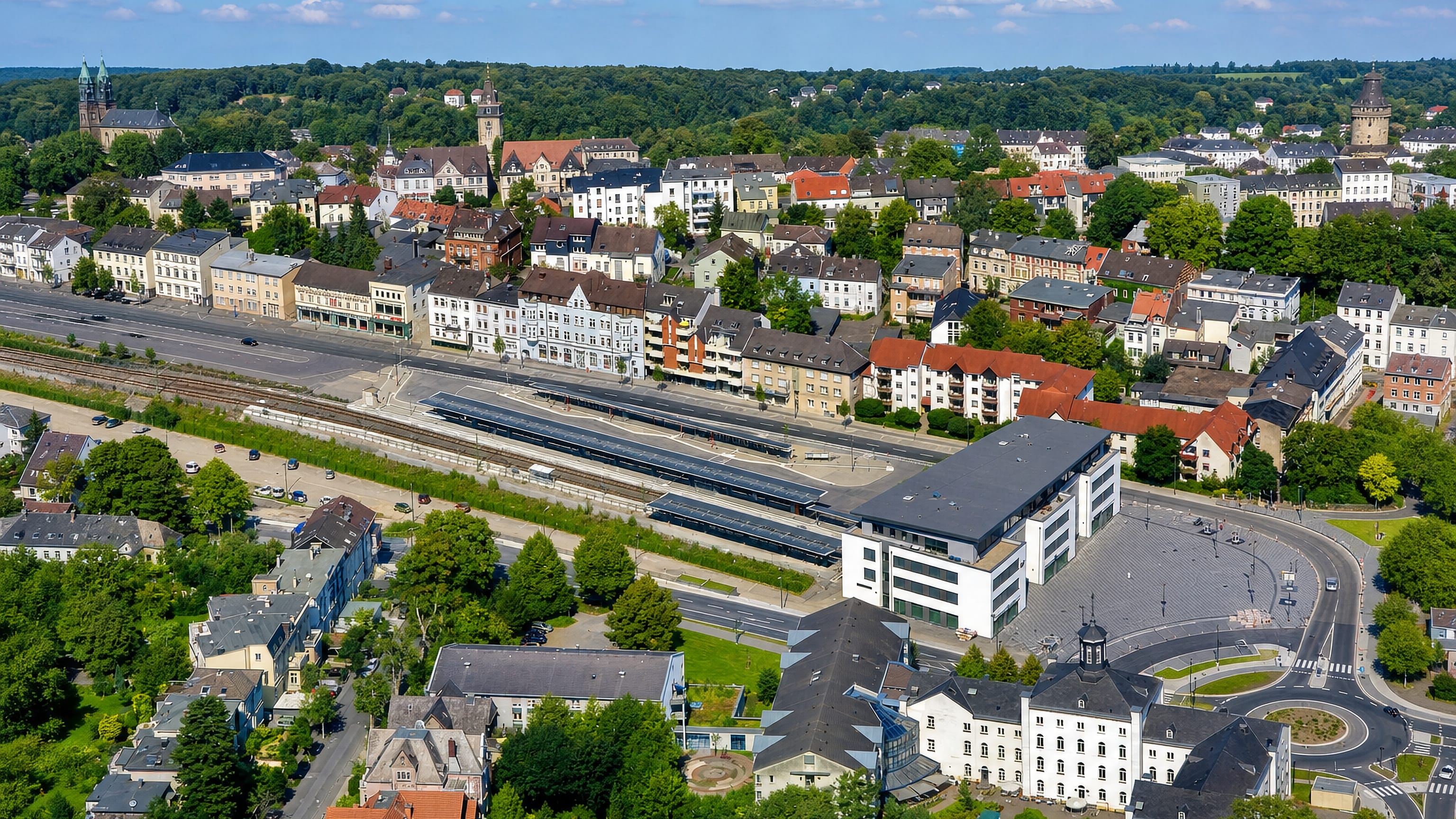
Iserlohn is the largest city of the Märkischer Kreis and of the Sauerland, known for Dechen Cave and the Danzturm on its wooded heights.
Hotel links are affiliate links: booking through them may earn us a commission, at no extra cost to you. It never affects how places are ranked. How this works


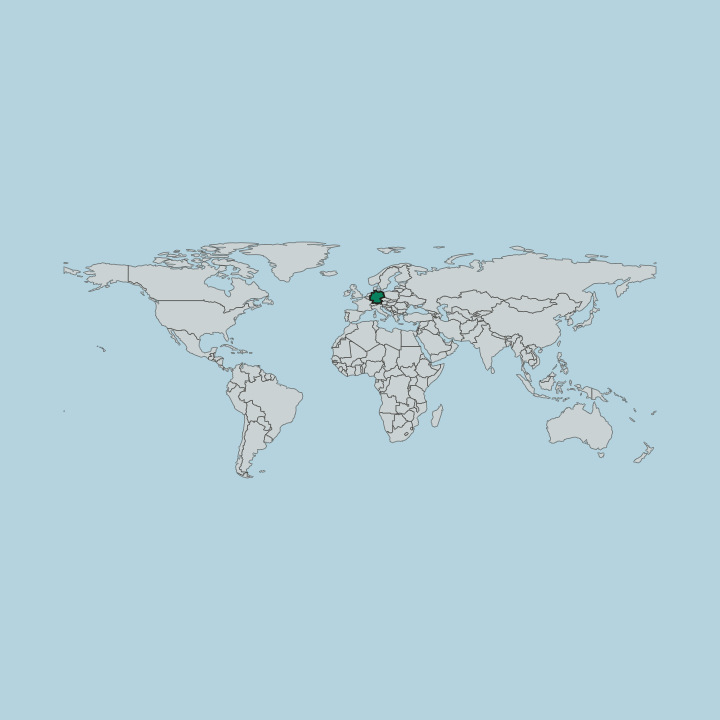
Where to stay in Iserlohn
Where you base yourself shapes the visit — here's the character of each area.

 IserlohnGermanyQuiet nights within reach of the Iserlohn core
Oestrich
A parish quarter gathered around the Evangelische Kirchengemeinde Oestrich. Rooms are few around here — worth securing early.Oestrich → IserlohnGermany
Nußberg
Nußberg is a district of Iserlohn in the Sauerland, north-west of the town centre and south of Hombruch.Where to stay →Hotel links are affiliate links: booking through them may earn us a commission, at no extra cost to you. It never affects how places are ranked. How this works
Find hotels in Iserlohn
Direct booking searches for these neighbourhoods.
Around the Bauernkirche
The old church core of Iserlohn, with the Stadtmuseum Iserlohn and the shopping streets a few minutes apart.Find hotels in Around the BauernkircheWalkers heading up to the DanzturmHemberg
High ground by the Hemberg-Museum Iserlohn, where woodland paths replace shopfronts. Rooms are few around here — worth securing early.Find hotels in HembergStays built around Dechen Cave and the Deutsches HöhlenmuseumMaste-Barendorf
Off the shopping streets beside the Maste-Barendorf grounds, the calmest corner of the city. Rooms are few around here — worth securing early.Find hotels in Maste-BarendorfHotel links are affiliate links: booking through them may earn us a commission, at no extra cost to you. It never affects how places are ranked. How this works
Things to do in Iserlohn
Ranked by global recognition; descriptions from Wikidata (CC0).
Museums & Galleries
3- Villa Wessel Heritage
- Maste-Barendorf
- Deutsches Höhlenmuseum
Churches & Religious Sites
8- Bauernkirche (Iserlohn, Germany) Heritage
- Oberste Stadtkirche St. Marien Heritage
- St. Aloysius Heritage
- Evangelisch reformierte Kirche Iserlohn Heritage
- Erlöserkirche (Iserlohn) Heritage
Show 3 more →
- Johanneskirche (Iserlohn) Heritage
- Evangelische Kirchengemeinde Oestrich Heritage
- Friedenskirche Heritage
Castles & Historic Sites
3- Dechen Cave Heritage
- Burgberg Heritage
- Stünenburg Heritage
Landmarks & Notable Places
1- Villa Klute Heritage
worth knowingacross 4 categories in Iserlohn
About Iserlohn
Caves come first.
What is Iserlohn known for?
Dechen Cave draws visitors underground at the edge of town, and the Deutsches Höhlenmuseum takes the same subject as its theme, which gives Iserlohn a pairing few cities of the Märkischer Kreis can match. The Danzturm stands on high ground above the streets. Craft and postal history fill the Iserlohner Museum für Handwerk und Postgeschichte, while Maste-Barendorf and the Stadtmuseum Iserlohn hold the rest of the city record.
What are the main landmarks in Iserlohn?
Dechen Cave is the headline, opening underground at the edge of the built-up area, and the Deutsches Höhlenmuseum carries the same subject into a gallery. The Danzturm rises above the woods as a lookout. Burgberg and Stünenburg name older high ground, while the churches hold the oldest fabric in town: Oberste Stadtkirche St. Marien, the Bauernkirche, the Evangelisch reformierte Kirche Iserlohn, Trinity Church, St. Aloysius, Johanneskirche, and the Erlöserkirche.
Villa Wessel and Villa Klute keep two family names.
What is the history of Iserlohn?
The high ground came first. Names such as Burgberg and Stünenburg belong to fortified heights, and the two great churches that followed, the Bauernkirche and the Oberste Stadtkirche St. Marien, stand on separate ground, which is the pattern of a settlement that grew from more than one core before it hardened into a single town. Iserlohn ended up the largest of them all.
It holds that rank by area and by population alike within the Märkischer Kreis, and within the Sauerland as a whole. Confession then split the skyline. The Evangelisch reformierte Kirche Iserlohn, Trinity Church, Johanneskirche, and the Erlöserkirche each mark a congregation of its own, St. Aloysius stands among them, and out beyond the core the Evangelische Kirchengemeinde Oestrich kept parish life running on its own account.
Craft paid for much of the rest. The Iserlohner Museum für Handwerk und Postgeschichte keeps the tools and the postal record of that working past, Maste-Barendorf and the Hemberg-Museum Iserlohn hold further collections, and Villa Wessel and Villa Klute carry the names of two families who built well. The twentieth century left harder marks.
A Memorial to the Victims of National Socialism stands in the city together with a commemorative stone called Set them Free, and the Stadtmuseum Iserlohn holds the thread that ties the periods to one another.
Where is Iserlohn?
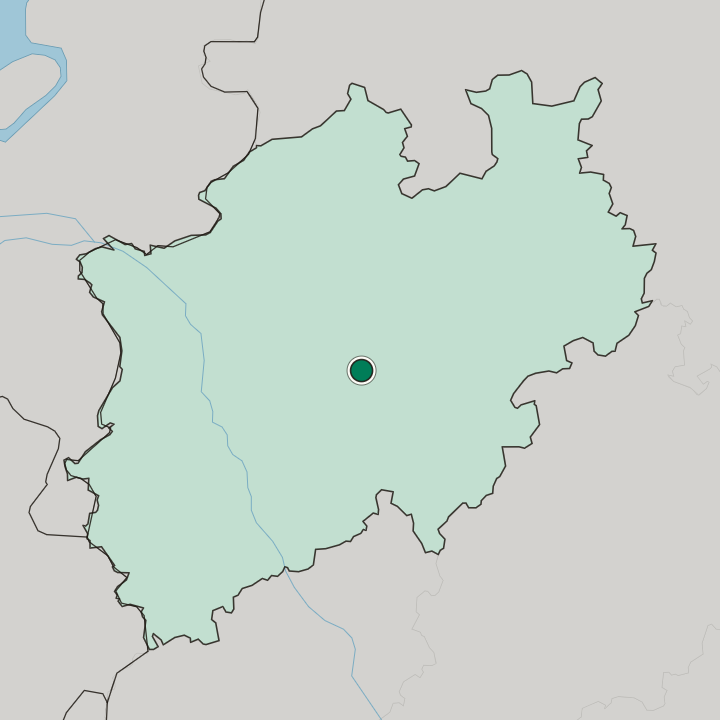
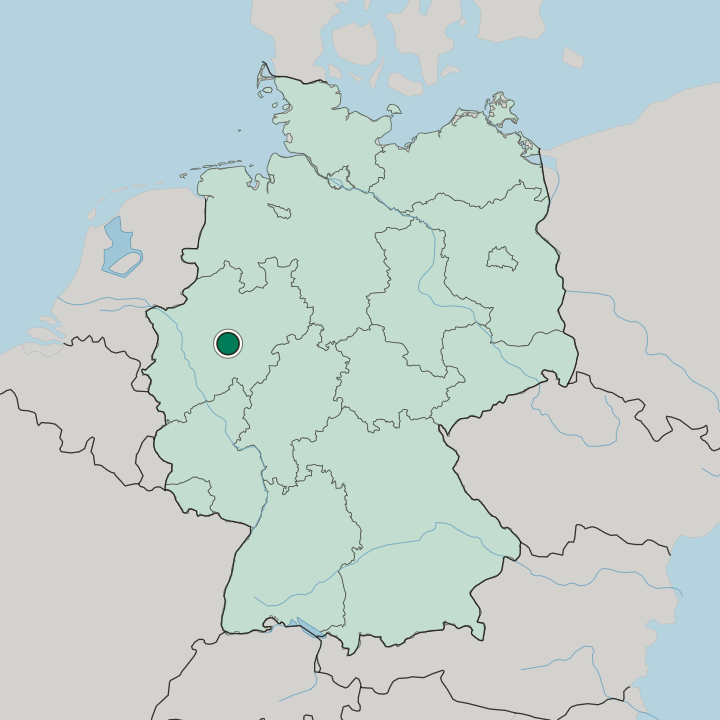
Iserlohn lies in the Sauerland, inside the Märkischer Kreis district of North Rhine-Westphalia. It covers more ground than any other city in that district, and the built-up area breaks over slopes instead of sitting on one plain, with the Burgberg rising inside it and the Danzturm set on high ground above the roofs. Underneath all of it runs Dechen Cave.
Oestrich and Maste-Barendorf lie out from the core.
What is the climate of Iserlohn?
Northern-hemisphere seasons order the year. Iserlohn falls within the temperate band, which means a cool grey winter half, a summer that turns warm rather than hot, and shoulder seasons carrying most of the change between the two. Elevation does the rest.
Streets on the Burgberg slope sit above the lower town, and the higher ground around the Danzturm feels the cold sooner than the valley floors of the Sauerland.
How do you get to Iserlohn?
Roads and rails do the work. Iserlohn lies inside the Märkischer Kreis, so arrivals come overland across the Sauerland rather than by any other route, and the wider North Rhine-Westphalia network feeds the city from every side. Distances within it stay short.
A local hop links the core with Oestrich and Maste-Barendorf, and the climb to the Danzturm begins inside the city itself.
Common questions
What is the best area to stay in Iserlohn?
Around the Bauernkirche: A first stay with the Oberste Stadtkirche St. Marien on the doorstep. Hemberg: Walkers heading up to the Danzturm. Oestrich: Quiet nights within reach of the Iserlohn core. Maste-Barendorf: Stays built around Dechen Cave and the Deutsches Höhlenmuseum.
Good for
More cities in Nordrhein-Westfalen
Updated October 2026