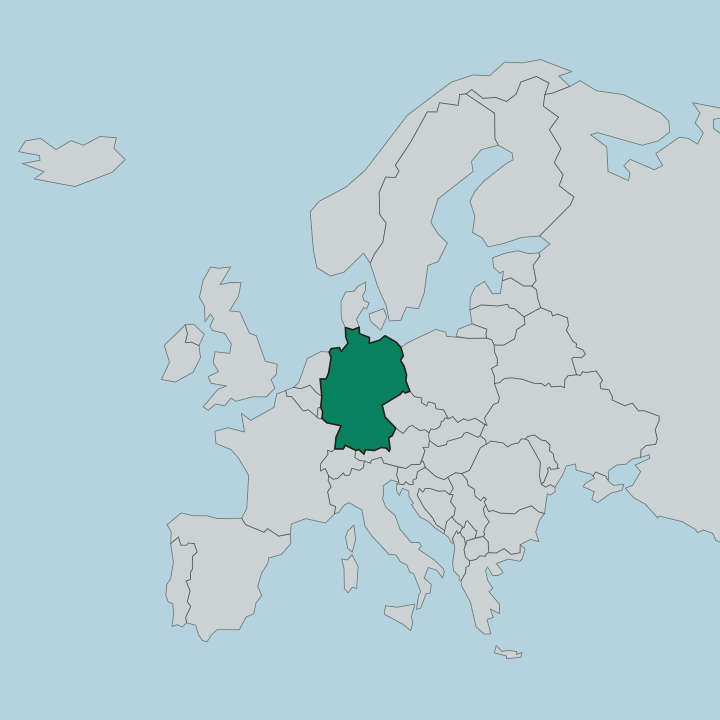
Germany · Nordrhein-Westfalen
Where to Stay in Lippstadt, Nordrhein-Westfalen
Lippstadt is the largest town of the Soest district, its old centre thick with churches and the spa quarter Bad Westernkotten among its villages.
Hotel links are affiliate links: booking through them may earn us a commission, at no extra cost to you. It never affects how places are ranked. How this works


Where to stay in Lippstadt
Where visitors usually base themselves, and why.
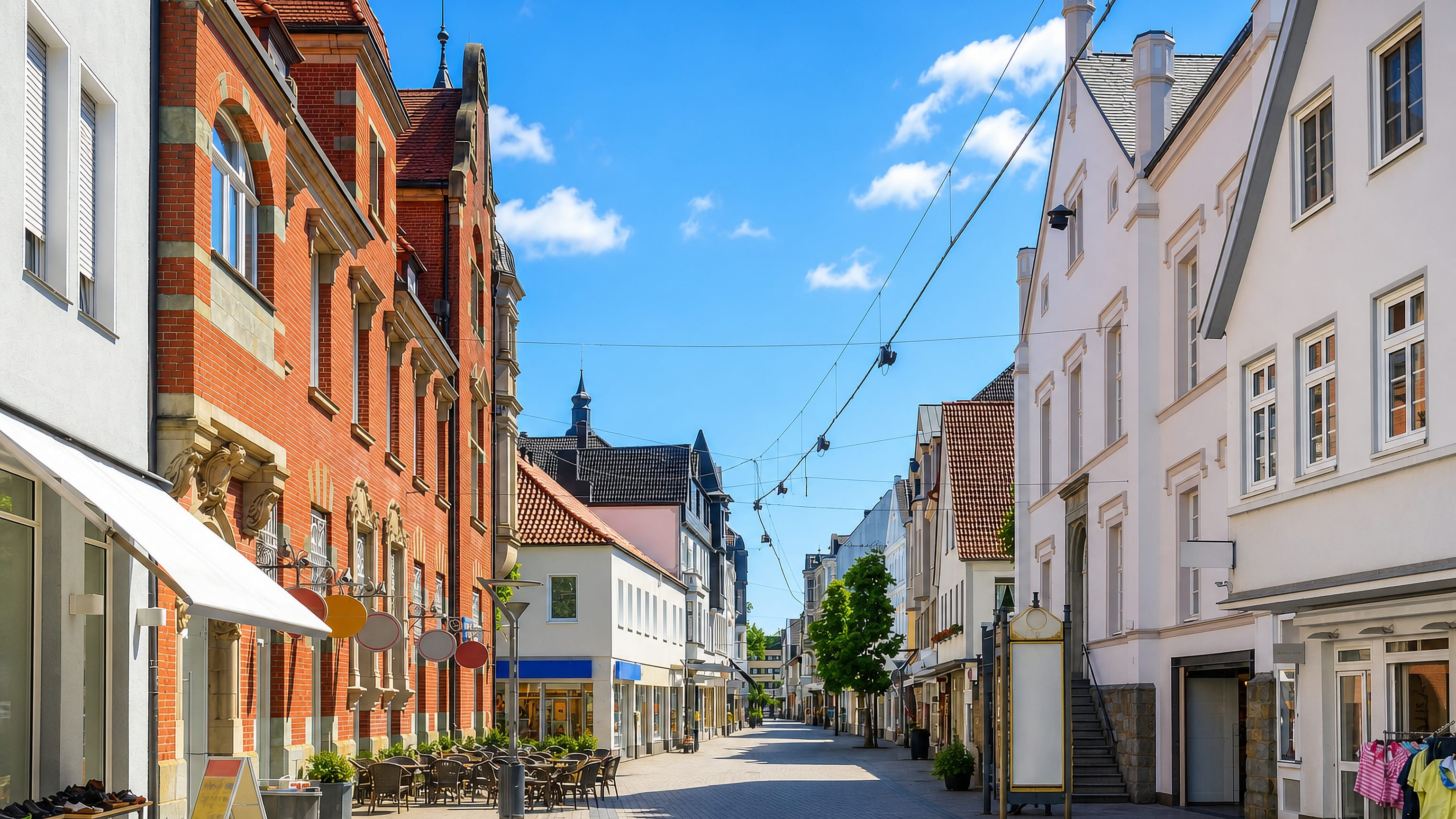
The old town holds the beds worth having. Marienkirche Lippstadt, the Kleine Marienkirche Lippstadt, and the Jakobikirche Lippstadt stand within a few streets of one another, the Stadtmuseum Lippstadt sits among them, and a room here puts the entire centre inside a walk short enough to finish before breakfast. Nothing lies far apart.
The Brüderkirche closes that walk at one end. Lippstadt is the largest town of the district of Soest, and the centre carries more of the region's ordinary business than any village can, which is where evening life ends up. Beyond the centre the town divides into villages.
Bad Westernkotten carries the spa prefix in its name and suits a slower visit, the sort where a day is built around a long walk and an early evening rather than around sights. Lipperode gathers at Burg Lipperode and the Evangelisch-reformierte Kirche Lipperode, and it goes quiet after dark. Cappel is quieter still.
If you want the Stiftskirche Cappel on the doorstep and accept a drive into Lippstadt for dinner, that is the corner to book, though rooms out in the villages are few and tend to go early. The centre keeps the widest choice by a distance.
Find hotels in Lippstadt
Direct booking searches for these neighbourhoods.
Around Marienkirche Lippstadt
The Lippstadt centre, with Marienkirche Lippstadt, the Jakobikirche Lippstadt and the Stadtmuseum Lippstadt in one loop.Find hotels in Around Marienkirche LippstadtA slower stay in the spa quarterBad Westernkotten
The Lippstadt village that carries the spa prefix in its own name. Few places to stay nearby — book ahead.Find hotels in Bad WesternkottenNights beside Burg LipperodeLipperode
A village quarter gathered at Burg Lipperode and the Evangelisch-reformierte Kirche Lipperode. Rooms are few around here — worth securing early.Find hotels in LipperodeStays anchored on the Stiftskirche CappelCappel
An outlying Lippstadt village built around the Stiftskirche Cappel, needing a drive into the centre. Few places to stay nearby — book ahead.Find hotels in CappelHotel links are affiliate links: booking through them may earn us a commission, at no extra cost to you. It never affects how places are ranked. How this works
Things to do in Lippstadt
Ranked by global recognition; descriptions from Wikidata (CC0).
Churches & Religious Sites
8- Marienkirche Lippstadt Heritage
- Kleine Marienkirche Lippstadt Heritage
- Stiftskirche Cappel Heritage
- St. Nicolai (Lippstadt) Heritage
- Jakobikirche Lippstadt Heritage
Show 3 more →
- St. Michael Heritage
- Evangelisch-reformierte Kirche Lipperode Heritage
- Brüderkirche Heritage
Castles & Historic Sites
1- Burg Lipperode
worth knowingacross 2 categories in Lippstadt
About Lippstadt
Churches crowd the old town.
What is Lippstadt known for?
Marienkirche Lippstadt and the Kleine Marienkirche Lippstadt carry nearly the same name a short walk apart, the Jakobikirche Lippstadt and the Brüderkirche add two more, and the result is a greater weight of church fabric than a town of this size usually shows. Baths give the other draw. Bad Westernkotten wears the spa prefix in its name, the Stadtmuseum Lippstadt keeps the town record, and Burg Lipperode supplies the castle.
What are the main landmarks in Lippstadt?
Marienkirche Lippstadt dominates the centre. The Kleine Marienkirche Lippstadt repeats the dedication on a smaller scale, the Jakobikirche Lippstadt and the Brüderkirche stand within the same few streets, and the Stadtmuseum Lippstadt gathers into one collection what the buildings cannot say for themselves. Two foundations survive as names.
Damenstift Lippstadt and the Augustinerchorfrauenstift Lippstadt recall houses of religious women, while Stiftskirche Cappel, St. Nicolai, St. Michael, and Burg Lipperode carry the rest.
What is the history of Lippstadt?
Foundations came before anything civic. The Augustinerchorfrauenstift Lippstadt and the Damenstift Lippstadt name houses of religious women, the Stiftskirche Cappel belonged to a collegiate church out in the countryside, and between them they describe a place whose earliest institutions answered to a rule rather than to a council. Burg Lipperode held the other interest.
A castle at Lipperode gave the surrounding country its lordly seat. Churches then multiplied across one small parish landscape. Marienkirche Lippstadt, the Kleine Marienkirche Lippstadt, the Jakobikirche Lippstadt, and the Brüderkirche each took a congregation, and the Evangelisch-reformierte Kirche Lipperode marks the arrival of a Reformed one beside the older dedications of St. Nicolai and St. Michael.
Water shaped the edges of the town. Bad Westernkotten took the spa prefix that still stands in its name, and Lippstadt itself grew into the largest town in the district of Soest, holding ground between Dortmund, Bielefeld, and Paderborn that kept traffic passing through rather than around it. Lipperode, Cappel, and Bad Westernkotten each came into the town with a past already behind them.
The record sits in one building. Stadtmuseum Lippstadt holds the thread that runs from the foundations to the villages.
Where is Lippstadt?
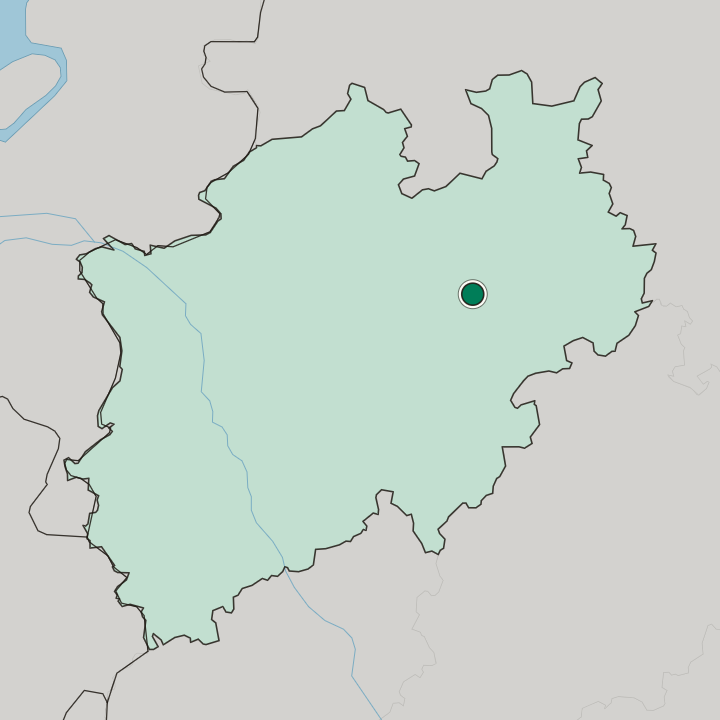
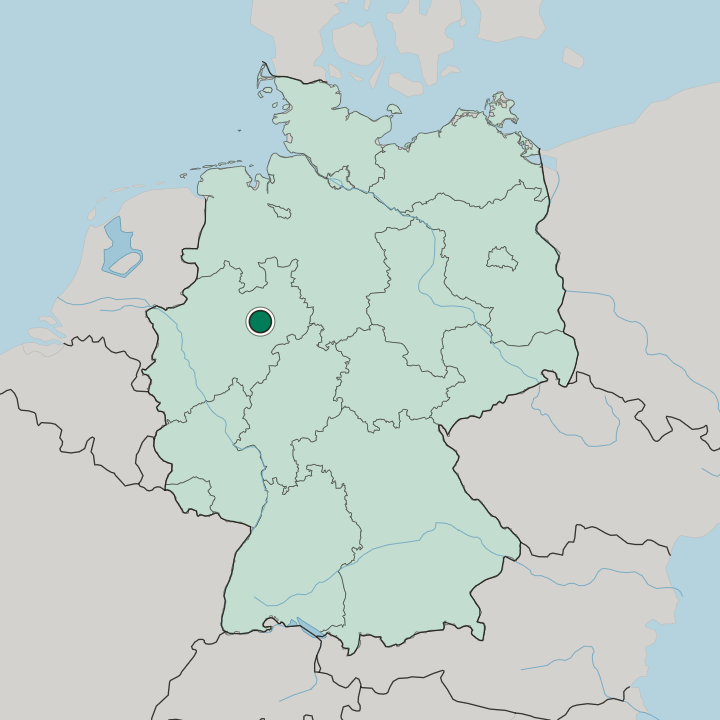
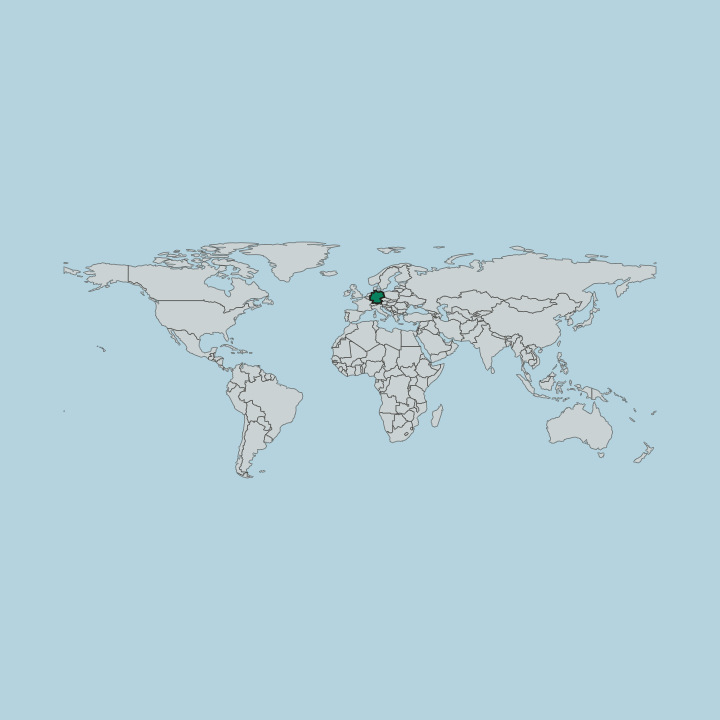
Lippstadt sits in the district of Soest, roughly 60 kilometres east of Dortmund, 40 kilometres south of Bielefeld, and 30 kilometres west of Paderborn. It is the largest town of that district, and the municipal area reaches well past the old centre to take in Lipperode, Cappel, and Bad Westernkotten, each of which kept a church or a castle of its own. Open ground lies between them.
The centre stays compact regardless.
What is the climate of Lippstadt?
Rain is the constant here. Lippstadt lies within the temperate band, which keeps the year moderate at both ends, and the wet arrives in every season rather than saving itself for one, so an umbrella belongs in the bag whatever month the visit falls in. Winters run grey.
Snow turns up, holds briefly on the fields around Bad Westernkotten, and is gone again before it changes much.
How do you get to Lippstadt?
Three cities set the approach. Lippstadt lies roughly 60 kilometres east of Dortmund, 40 kilometres south of Bielefeld, and 30 kilometres west of Paderborn, so arrivals come along the roads and rails linking those three rather than by any route belonging to the town itself. The district handles the rest.
Reaching Lipperode, Cappel, or Bad Westernkotten from the centre is a short local run, and easier by car than on foot.
Common questions
What is the best area to stay in Lippstadt?
Around Marienkirche Lippstadt: Walking the old-town churches on foot. Bad Westernkotten: A slower stay in the spa quarter. Lipperode: Nights beside Burg Lipperode. Cappel: Stays anchored on the Stiftskirche Cappel.
Good for
More cities in Nordrhein-Westfalen
Updated October 2026