Germany · Nordrhein-Westfalen
Where to Stay in Wattenscheid, Nordrhein-Westfalen
Wattenscheid is a Stadtbezirk of Bochum in the Ruhr area of North Rhine-Westphalia, an independent town until 1975 and a coal town before that.
Hotel links are affiliate links: booking through them may earn us a commission, at no extra cost to you. It never affects how places are ranked. How this works


Where to stay in Wattenscheid
Not every neighbourhood fits every trip — here's what each one is good for.
 WattenscheidGermanyquiet nights on the Höntrop side of the Stadtbezirk
Höntrop
A residential quarter of Wattenscheid whose Evangelische Kapelle Höntrop is its own landmark rather than a borrowed one. Beds are limited here, so book early.Höntrop →WattenscheidGermanyWestenfeld
Westenfeld belongs to Bochum by way of the former town of Wattenscheid, a Ruhr district long tied to the German textile industry.Where to stay →WattenscheidGermanyGünnigfeld
Günnigfeld lies in the north of Wattenscheid, a Bochum district in the Ruhr area, where the miners' houses of the Kolonie Hannover still stand.Where to stay → WattenscheidGermany
Leithe
Leithe is the northwesternmost part of Bochum, a Wattenscheid district sharing its name with the quarter just over the Essen boundary.Where to stay → WattenscheidGermany
Eppendorf
Eppendorf is a Wattenscheid district of Bochum, lying between Höntrop and Weitmar in the Ruhr area of North Rhine-Westphalia.Where to stay → WattenscheidGermany
Dahlhausen
The Ruhr curls around Dahlhausen. This is Bochum's south-western corner, bordering Essen and Hattingen, and known for its railway museum.Where to stay →WattenscheidGermany
Laer
Car work defined Laer. The district lies east of Altenbochum in Bochum, where Opel's Werk I stood.Where to stay →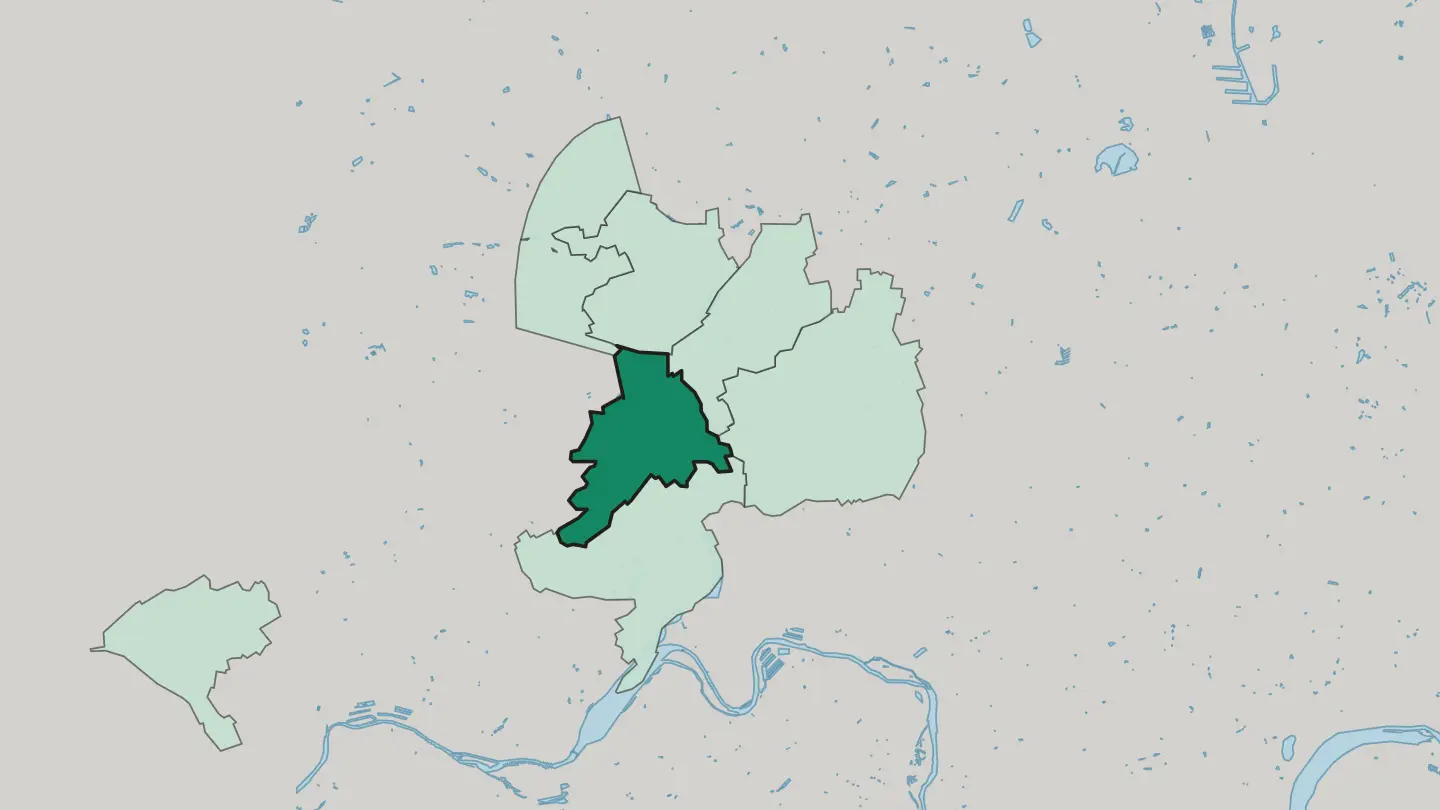 WattenscheidGermany
Kornharpen
Kornharpen sits inside Bochum. Its landmarks are churches, Heilig Kreuz and Heilig Geist among them, rather than the sights of the wider city.Where to stay →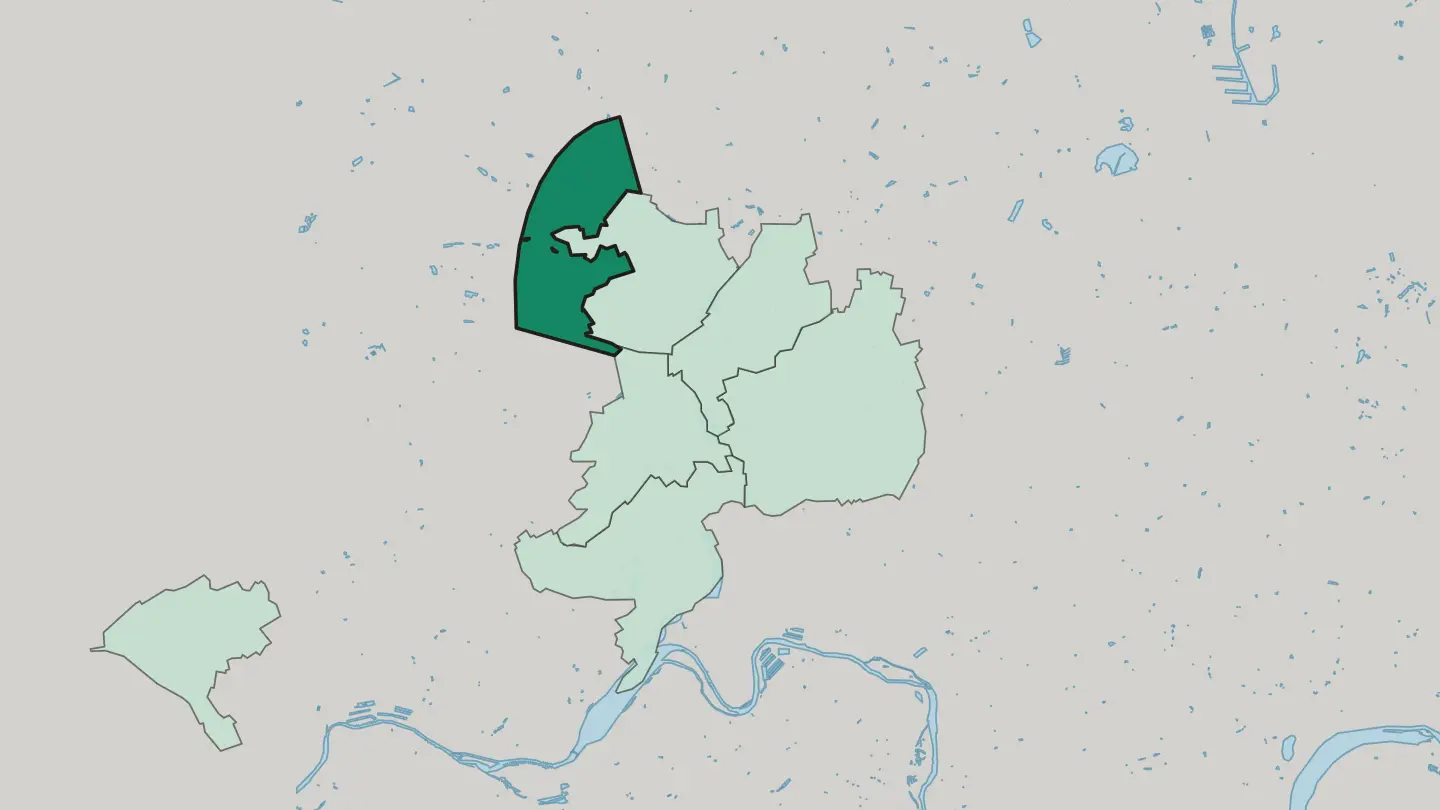
 WattenscheidGermany
Querenburg
Churches mark it. Querenburg, or Bochum-Querenburg, is a district of Bochum, and St. Paulus is one of its two named landmarks.Where to stay →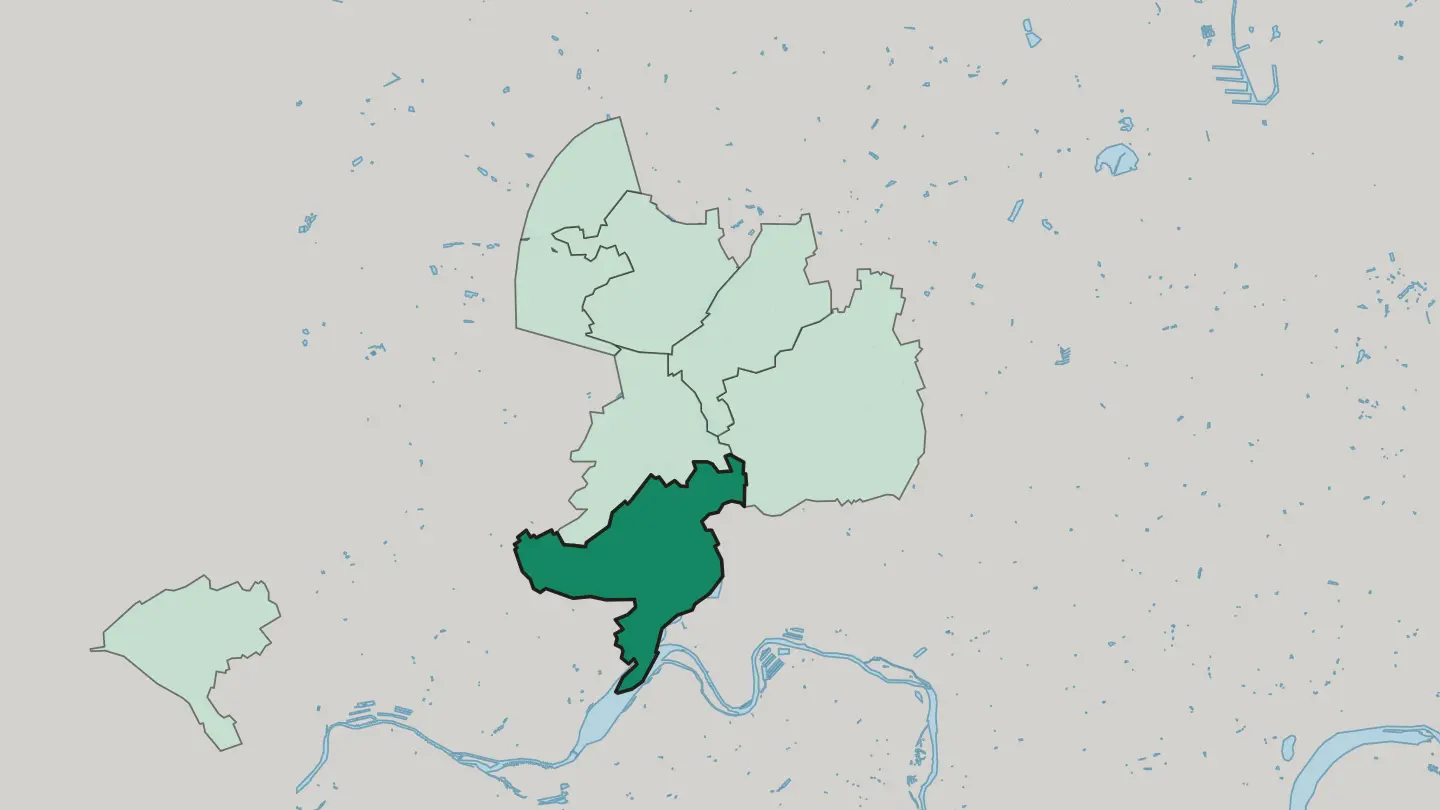 WattenscheidGermany
Harpen
Harpen belongs to Bochum. The district sits on the Ruhr Heights, in the city between the Ruhr to the south and the Emscher to the north.Where to stay →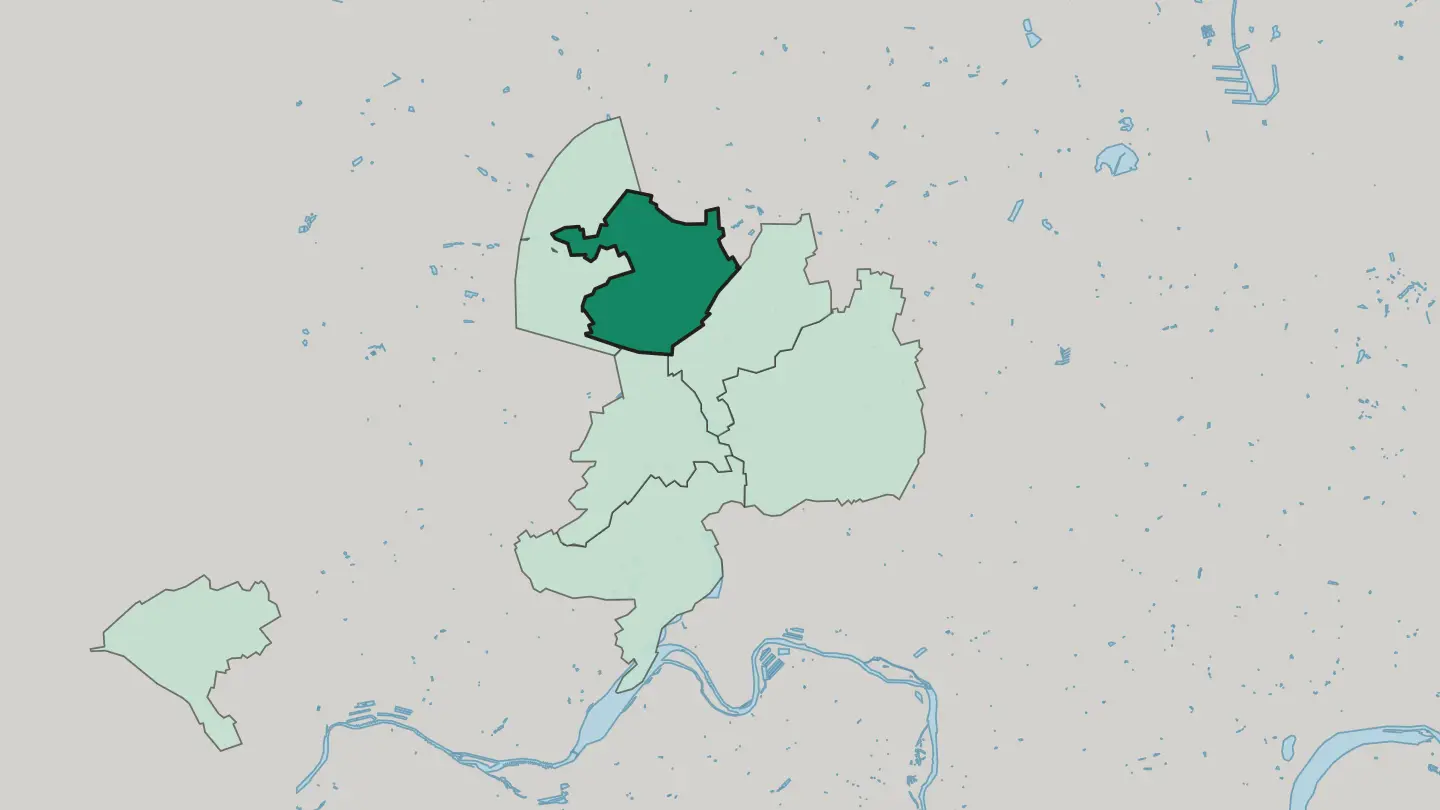 WattenscheidGermany
Bochum-Werne
Bochum-Werne is a district of Bochum in the Ruhr area of North Rhine-Westphalia, standing north of Langendreer.Where to stay →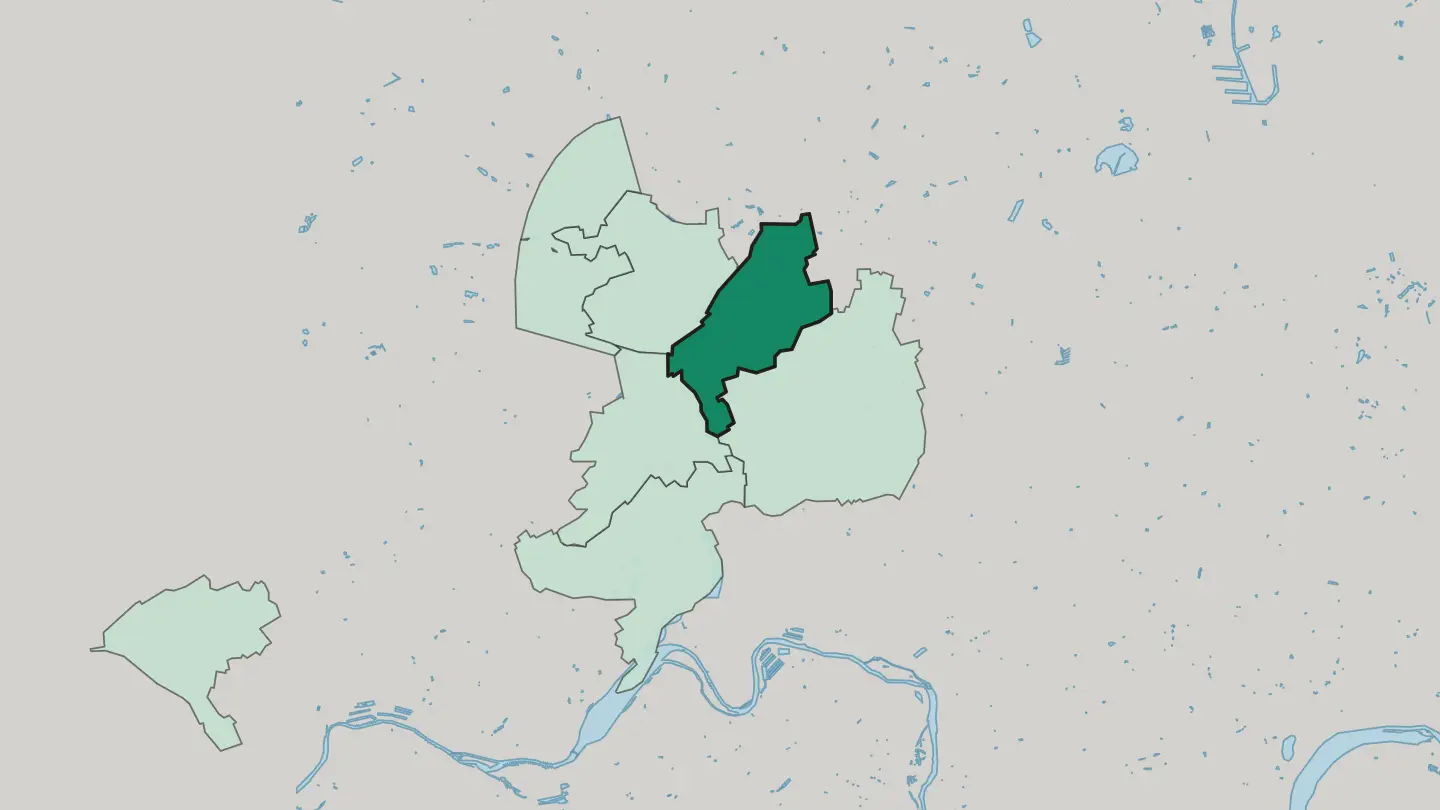 WattenscheidGermany
Langendreer
Rail made Langendreer. Bochum's easternmost and largest district reaches toward Dortmund, with Witten to the south and one of the city's biggest stations.Where to stay →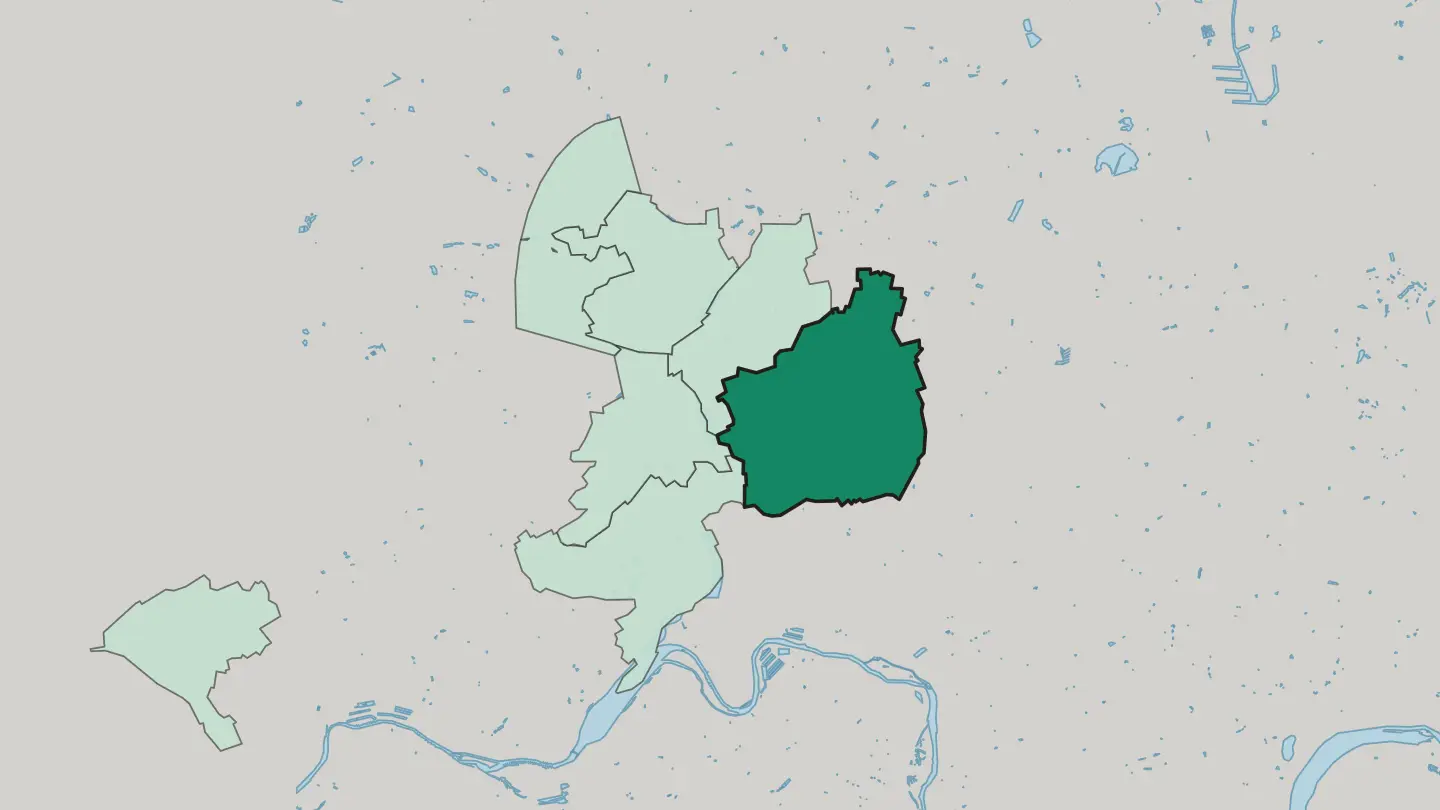
Hotel links are affiliate links: booking through them may earn us a commission, at no extra cost to you. It never affects how places are ranked. How this works
Find hotels in Wattenscheid
Direct booking search for this neighbourhood.
Hotel links are affiliate links: booking through them may earn us a commission, at no extra cost to you. It never affects how places are ranked. How this works
Things to do in Wattenscheid
Ranked by global recognition; descriptions from Wikidata (CC0).
Museums & Galleries
1- M:AI Museum für Architektur und Ingenieurkunst, NRW
Churches & Religious Sites
8- Lutherkirche Heritage
- Christuskirche (Bochum-Linden) Heritage
- Our Lady Church (Linden) Heritage
- Evangelische Kirche Werne Heritage
- Alte Evangelische Kirche Wattenscheid Heritage
Show 3 more →
- St. Paulus (Querenburg) Heritage
- St. Engelbert Heritage
- Friedenskirche Heritage
Castles & Historic Sites
1- Burg Horkenstein
worth knowingacross 3 categories in Wattenscheid
About Wattenscheid
Coal is the through-line here.
What is Wattenscheid known for?
Wattenscheid worked as a mining centre through the industrialisation of the Ruhr until its last local pit shut in 1973. Older layers show through as well, from a first recorded mention in 880 to membership of the Hanseatic League in the Middle Ages.
What are the main landmarks in Wattenscheid?
Churches carry most of the list. St. Maria Magdalena and the Alte Evangelische Kirche Wattenscheid stand for the Catholic and Protestant strands, while the Friedenskirche, St. Pius X and Herz-Mariä-Kirche fill in the rest. Helfs Hof is the secular survival.
The Bergbauwanderweg Wattenscheid, a mining trail, closes the set.
What is the history of Wattenscheid?
The record starts in 880. Wattenscheid appears by name that early, which puts its written history well before the Ruhr had any industrial meaning at all, and the settlement went on to join the Hanseatic League during the Middle Ages. That membership is the medieval high point in the town's record.
Independence lasted a long time after it, and Wattenscheid governed itself as a town right up to 1975. Coal rewrote the place. Industrialisation across the Ruhr turned Wattenscheid into a mining centre, and the pits set the terms of local working life for as long as they kept running.
The last of them closed in 1973. Two years later the town lost its independence as well, absorbed into Bochum as a Stadtbezirk, so the end of mining and the end of self-government arrived almost together. Wattenscheid's older fabric answers back from the same streets, in Helfs Hof and in the parish churches that outlasted the collieries.
Where is Wattenscheid?
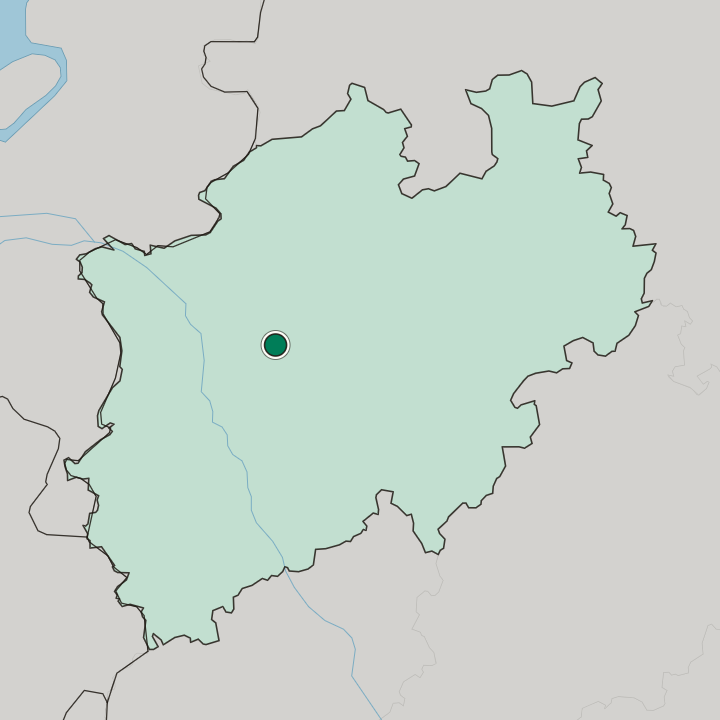
Wattenscheid lies inside Bochum, in the Ruhr area of North Rhine-Westphalia. The ground is urban throughout. What was once a separate town now sits as one Stadtbezirk among several inside Bochum, with Höntrop and the old core keeping their own names and churches inside that single municipal boundary.
What is the climate of Wattenscheid?
Nothing here is extreme. Wattenscheid sits in the temperate band along with the rest of North Rhine-Westphalia, which means a winter that rarely turns severe, a summer that rarely turns fierce, and four seasons that each get a proper turn. Walking the Bergbauwanderweg Wattenscheid works across most of the year, and the shoulder months are the comfortable ones for it.
How do you get to Wattenscheid?
Bochum is the arrival point. Wattenscheid stopped being a destination in its own right when it became a Stadtbezirk, so journeys run to Bochum first and then out to the quarter, whether the target is the old centre or Höntrop. Within the Ruhr the distances are short, and the trip out from a base in Bochum takes minutes rather than hours.
Common questions
What is the best area to stay in Wattenscheid?
Wattenscheid old centre: church-walking in Wattenscheid's pre-1975 core. Höntrop: quiet nights on the Höntrop side of the Stadtbezirk.
Good for
More cities in Nordrhein-Westfalen
Updated October 2026