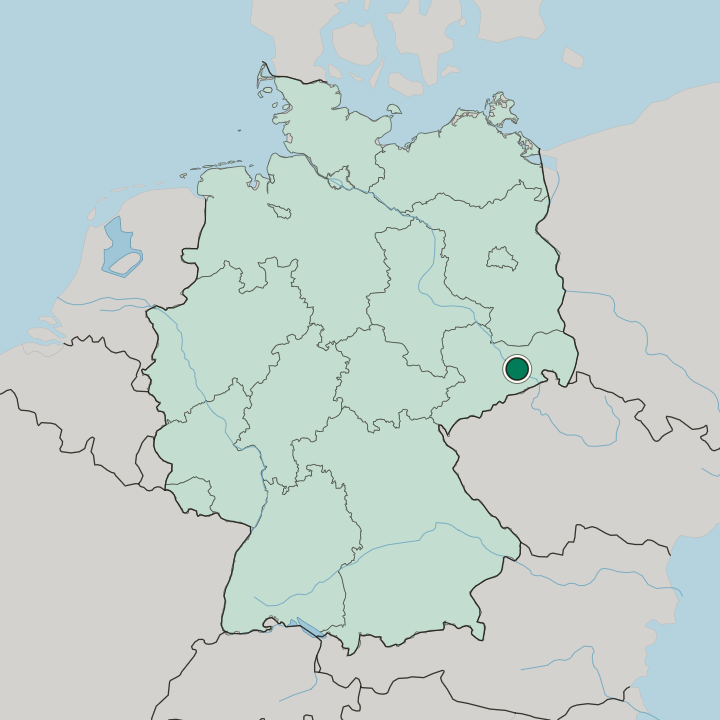
Germany · Saxony · Dresden
Loschwitz, Dresden — Area Guide & Where to Stay
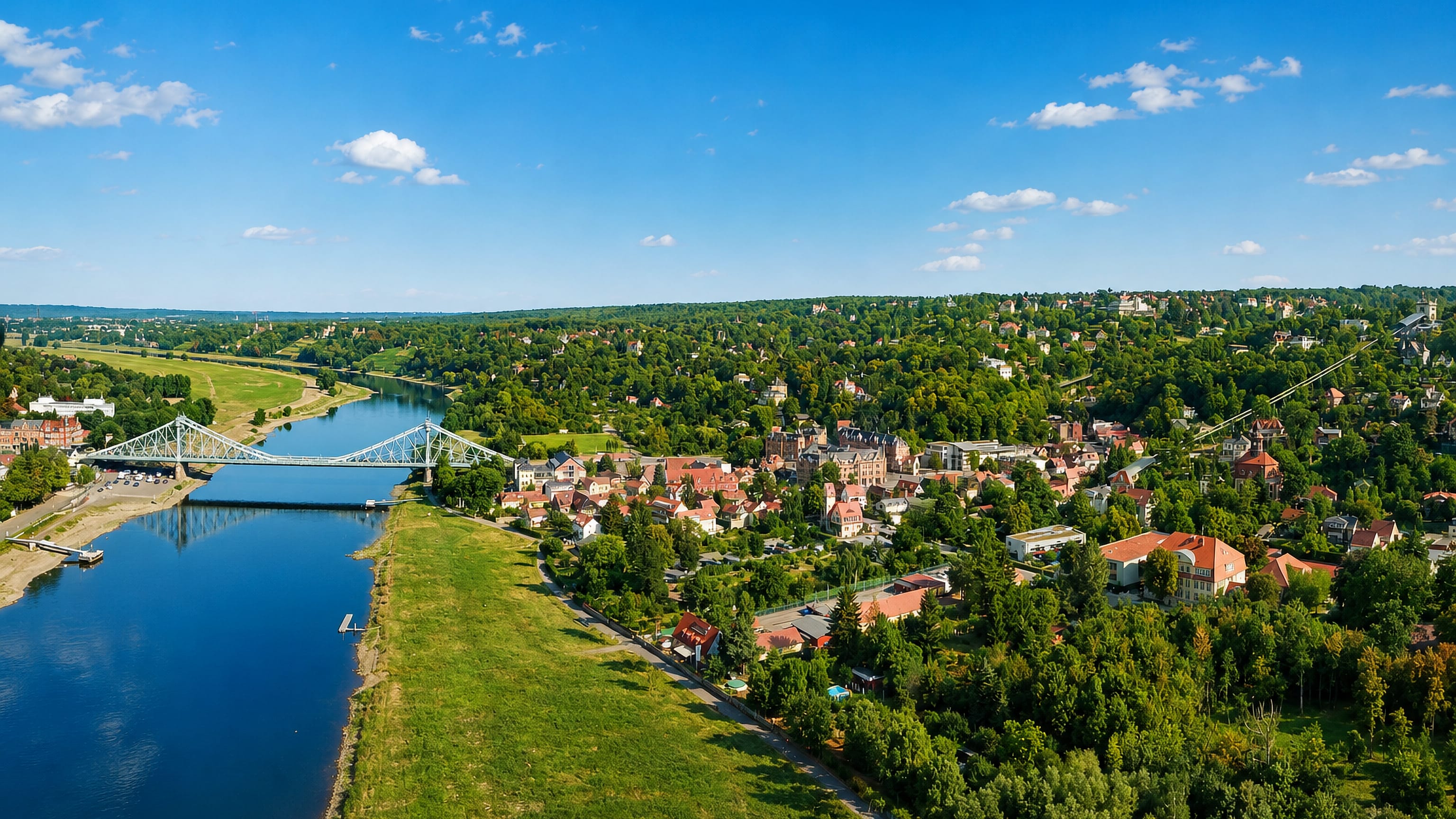
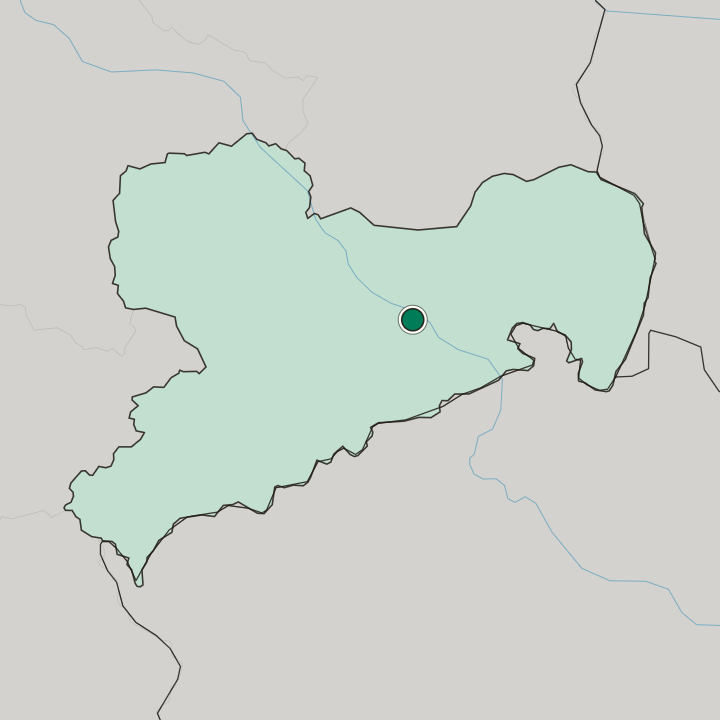
Loschwitz is a hillside district on the Elbe's right bank in east Dresden facing Blasewitz, the Loschwitz Bridge crossing to it and Weißer Hirsch above.
Hotel links are affiliate links: booking through them may earn us a commission, at no extra cost to you. It never affects how places are ranked. How this works


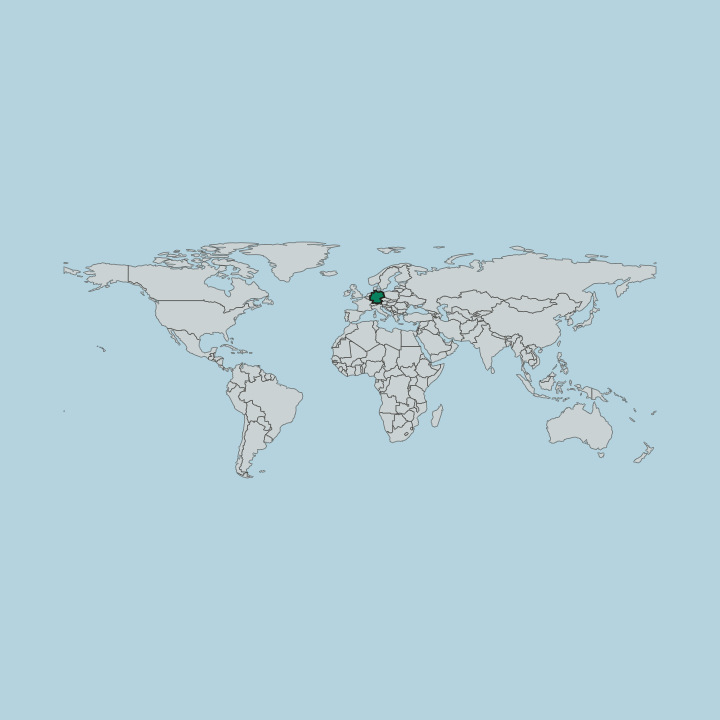
Where to stay in Loschwitz
Where the beds are, and what that means for the visit.
Loschwitz makes a quiet, leafy base on the far bank of the Elbe, well away from Dresden's crowded centre. The district is mostly residential, its villa streets and hillside gardens holding only a scattering of small hotels and guesthouses, so travellers wanting a wide choice of beds usually look to the old town across the river. Guesthouses are few on these slopes.
The setting rewards calm evenings, riverside walks and an easy stroll to the Loschwitz Bridge into Blasewitz. Up on the wooded heights, the old spa quarter of Weißer Hirsch suits a restful stay for those who don't mind the climb.
Things to do in and around Dresden
Ranked by global recognition; descriptions from Wikidata (CC0).
Museums & Galleries
3- Schillerhäuschen Dresden Heritage
- Leonhardi-Museum (Dresden, Germany) Heritage
- Josef-Hegenbarth-Archiv Heritage
Churches & Religious Sites
6- Church of Reconciliation Heritage
- Loschwitzer Kirche Heritage
- Holy Spirit Church Heritage
- St. Michael's Church Bühlau Heritage
- Kirche Weißer Hirsch Heritage
Show 1 more →
- Friedenskirche Bühlau Heritage
Castles & Historic Sites
8- Joseph-Herrmann-Denkmal Heritage
- Friedensblick Heritage
- Ludwig-Richter-Denkmal Heritage
- Skulptur „Der verlorene Sohn“ Blasewitz Heritage
- König-Albert-Denkmal Heritage
Show 3 more →
- Körnerdenkmal Heritage
- Eingemeindungsgedenkstein Heritage
- Königsheim-Denkmal Heritage
Stadiums & Sports
1- Ruderzentrum Blasewitz Heritage
Landmarks & Notable Places
2- Loschwitz Bridge Heritage
- Chirurgische Klinik (Dresden)
worth knowingacross 5 categories in and around Dresden
About Loschwitz
What are the main landmarks in Loschwitz?
The Loschwitz Bridge dominates the waterfront, its riveted blue span reaching across the Elbe to Blasewitz. Locals call it the Blue Wonder. Up in the village core stands the Loschwitzer Kirche, a domed Baroque church rebuilt after wartime damage.
The district has long drawn painters, and two of their houses now open as small museums: the Leonhardi-Museum in a former lime works by the river, and the Josef-Hegenbarth-Archiv, which keeps the artist's studio and pictures. A short climb reaches the Schillerhäuschen, the cottage where Friedrich Schiller lodged in the 1780s. On the heights the Kirche Weißer Hirsch and the Friedenskirche Bühlau serve the old hill villages, while the Gedenkstätte Bautzner Straße Dresden preserves a former secret-police prison as a memorial.
What is the history of Loschwitz?
For centuries Loschwitz was a winegrowing village on the right bank of the Elbe, its terraced slopes worked by vinedressers. Friedrich Schiller lodged here in the 1780s, in the cottage now kept as the Schillerhäuschen, and worked on his play Don Carlos. Vineyards gave way to villas.
Through the nineteenth century wealthy Dresdeners built along the hillside and painters settled among them, while up on the heights Weißer Hirsch grew into a fashionable spa resort. The steel Loschwitz Bridge opened in 1893, tying the village to Blasewitz across the water. In 1921 Loschwitz was incorporated into Dresden, together with the hill quarters that still make up the district.
Where is Loschwitz?
The district occupies the steep right bank of the Elbe in Dresden's east, downstream of the old town. Its shoreline faces Blasewitz, the two banks joined by the Loschwitz Bridge. Behind the river the ground climbs sharply into the wooded heights, where the quarters of Weißer Hirsch, Bühlau and Wachwitz spread across the plateau above.
Vineyards still cover the slopes.
Good for
More areas in Dresden
Updated October 2026