Germany · Saxony · Dresden
Weisser Hirsch, Dresden — Area Guide & Where to Stay
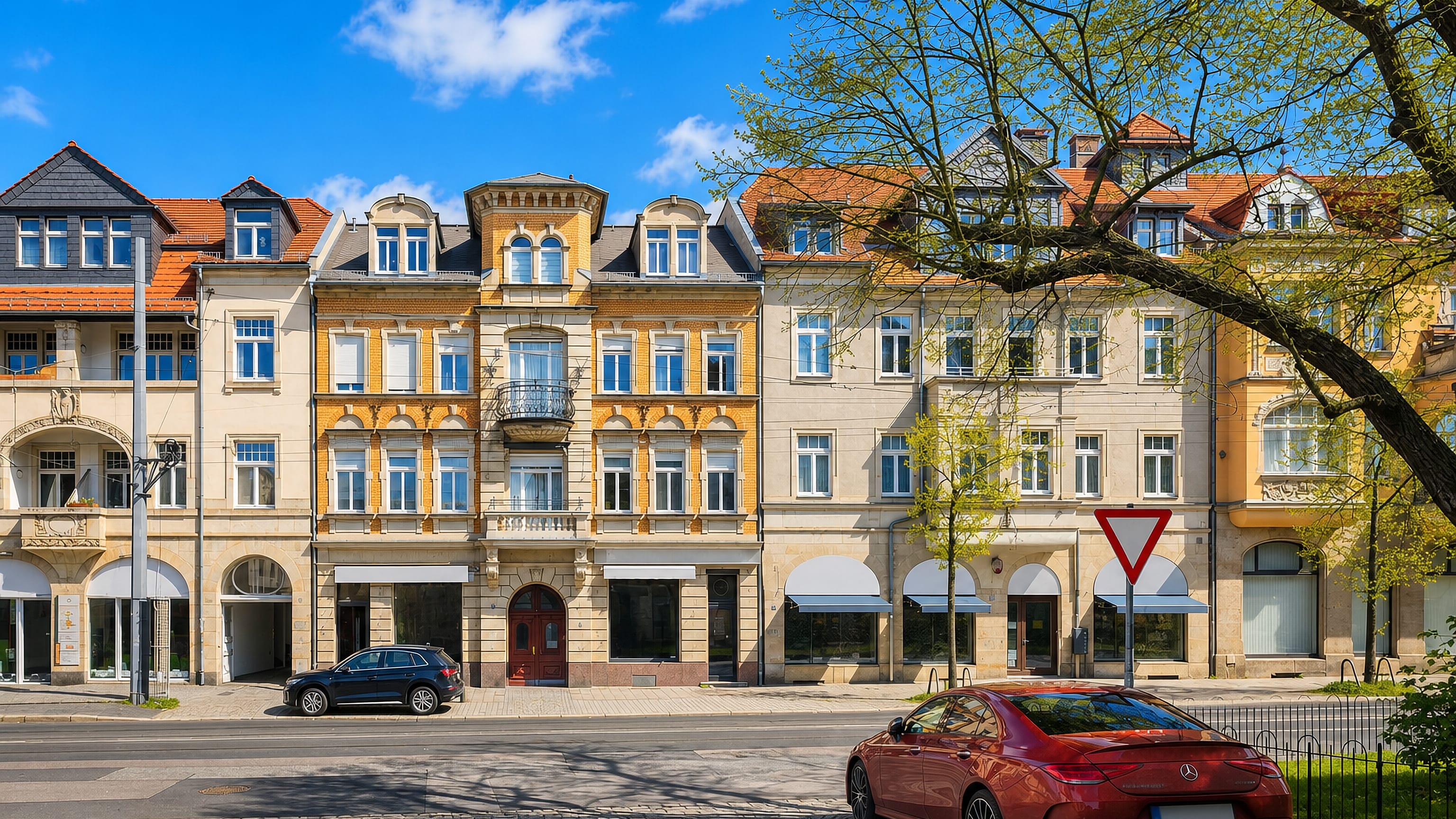
Weisser Hirsch is a hillside quarter of northeast Dresden above the Elbe, an old air-cure resort with the Kirche Weißer Hirsch. Loschwitz lies below.
Hotel links are affiliate links: booking through them may earn us a commission, at no extra cost to you. It never affects how places are ranked. How this works


Where to stay in Weisser Hirsch
The practical side of choosing where to sleep.
Staying up here means trading the pull of Dresden's old town for calm, green streets and the long views back over the Elbe valley toward the city. The quarter grew as a cure resort, so guesthouses and small villa hotels dominate. It suits visitors after quiet, walks in the Dresdner Heide, and an easy funicular ride down to Loschwitz and the Loschwitz Bridge.
The parish Kirche Weißer Hirsch anchors it. Bed numbers are modest, so travellers who want nightlife or a wide choice of rooms are better placed in central Dresden.
Things to do in and around Dresden
Ranked by global recognition; descriptions from Wikidata (CC0).
Museums & Galleries
3- Schillerhäuschen Dresden Heritage
- Leonhardi-Museum (Dresden, Germany) Heritage
- Josef-Hegenbarth-Archiv Heritage
Churches & Religious Sites
5- Church of Reconciliation Heritage
- Holy Spirit Church Heritage
- St. Michael's Church Bühlau Heritage
- Kirche Weißer Hirsch Heritage
- Friedenskirche Bühlau Heritage
Castles & Historic Sites
8- Joseph-Herrmann-Denkmal Heritage
- Friedensblick Heritage
- Ludwig-Richter-Denkmal Heritage
- Skulptur „Der verlorene Sohn“ Blasewitz Heritage
- König-Albert-Denkmal Heritage
Show 3 more →
- Körnerdenkmal Heritage
- Eingemeindungsgedenkstein Heritage
- Königsheim-Denkmal Heritage
Stadiums & Sports
1- Ruderzentrum Blasewitz Heritage
Landmarks & Notable Places
2- Loschwitz Bridge Heritage
- Chirurgische Klinik (Dresden)
worth knowingacross 5 categories in and around Dresden
About Weisser Hirsch
What are the main landmarks in Weisser Hirsch?
At the heart of the quarter stands the Kirche Weißer Hirsch, the local parish church. Most of the bigger sights sit just below, in Loschwitz by the river: the Loschwitz Bridge, known as the Blue Wonder, and the twin-towered Loschwitzer Kirche. Loschwitz also keeps the Schillerhäuschen, the garden cottage tied to the poet Friedrich Schiller, and the Leonhardi-Museum in a former artists' villa.
Uphill toward Bühlau stands the Friedenskirche Bühlau. A short walk links them all.
What is the history of Weisser Hirsch?
The quarter takes its name from a roadside inn that stood on the old route up to the heath. Through the nineteenth century the wooded heights drew people seeking clean air, and the settlement grew into an air-cure resort. Its fame spread when the physician Heinrich Lahmann opened a nature-cure sanatorium on the heights in the 1880s, which pulled wealthy patients from across Germany and beyond.
The cure trade shaped everything. Villas and guesthouses rose along the slopes for the visitors and their doctors. A funicular railway from Loschwitz opened in 1895, and the once-independent resort was incorporated into Dresden in 1921.
Where is Weisser Hirsch?
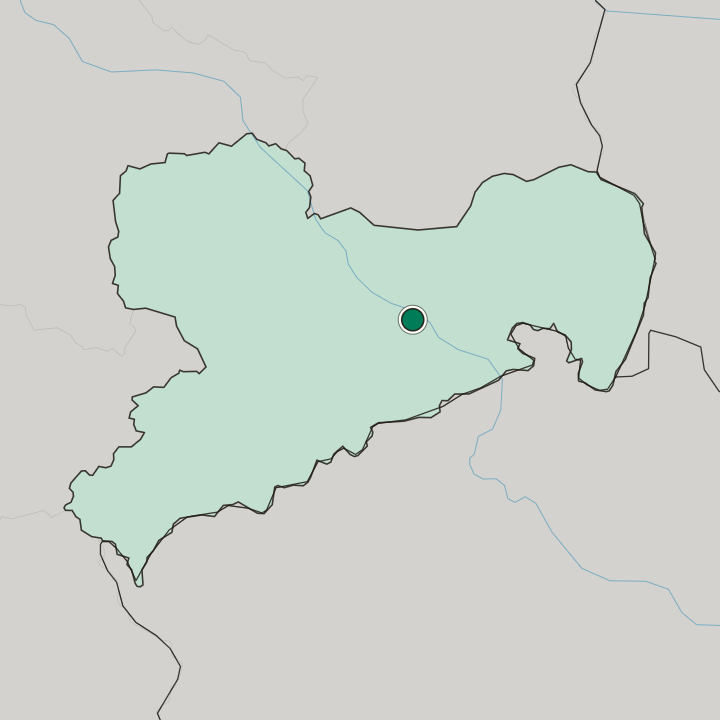
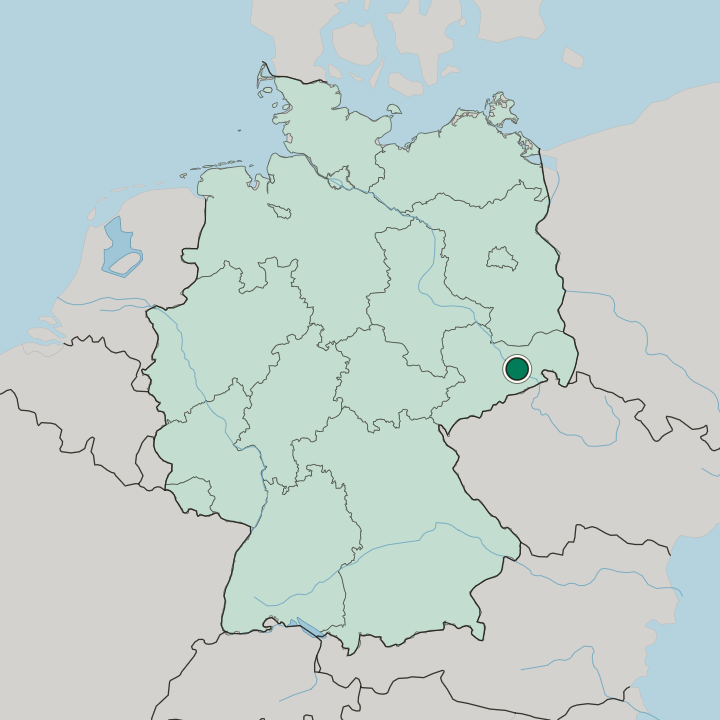
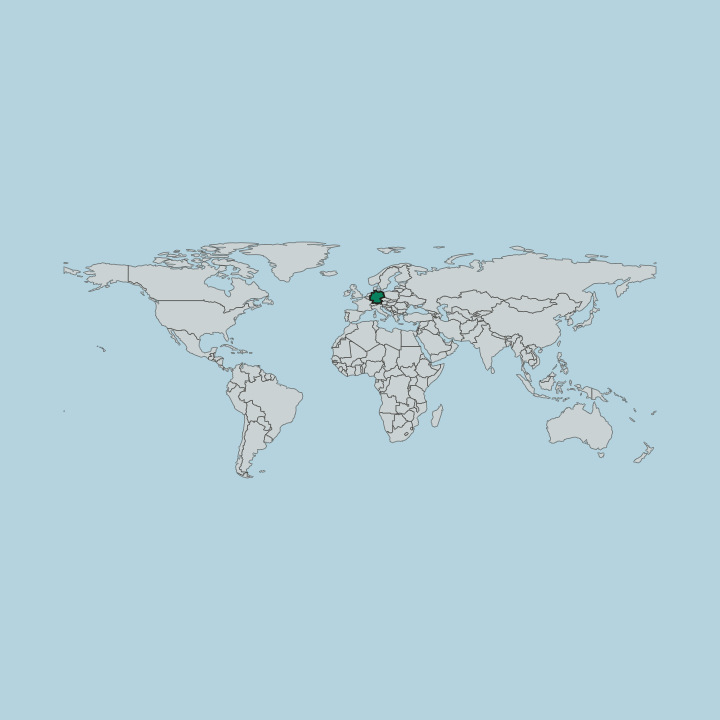
The quarter climbs the Elbe slopes on Dresden's right bank, part of the Loschwitz district on the city's eastern side. Above and to the northeast it runs toward Bühlau; the older river village of Loschwitz sits below, reached down the hairpins of the hill. The Dresdner Heide closes the northern edge.
Bautzner Straße carries the main line up from the city.
Good for
More areas in Dresden
Updated October 2026