Denmark · Region Midtjylland
Where to Stay in Ebeltoft, Region Midtjylland
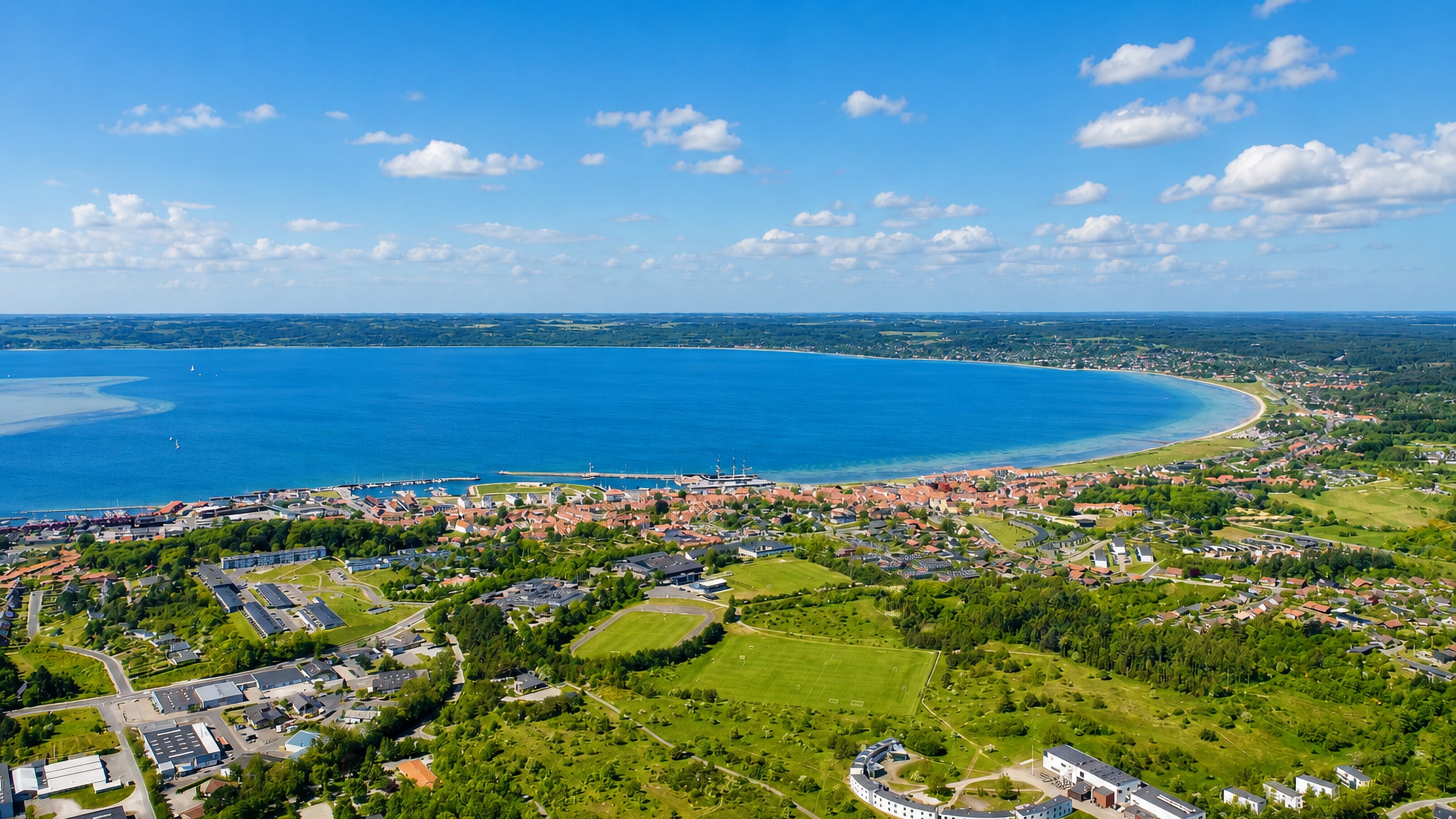
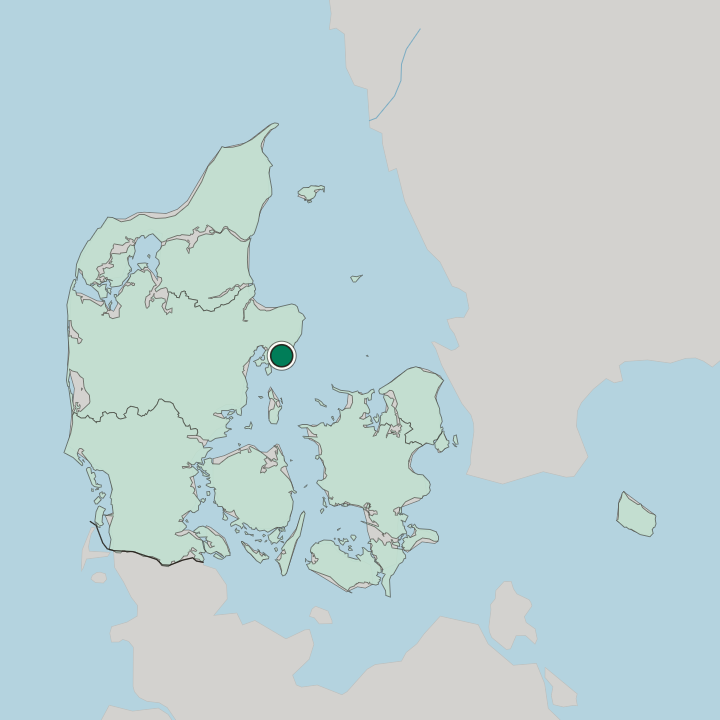
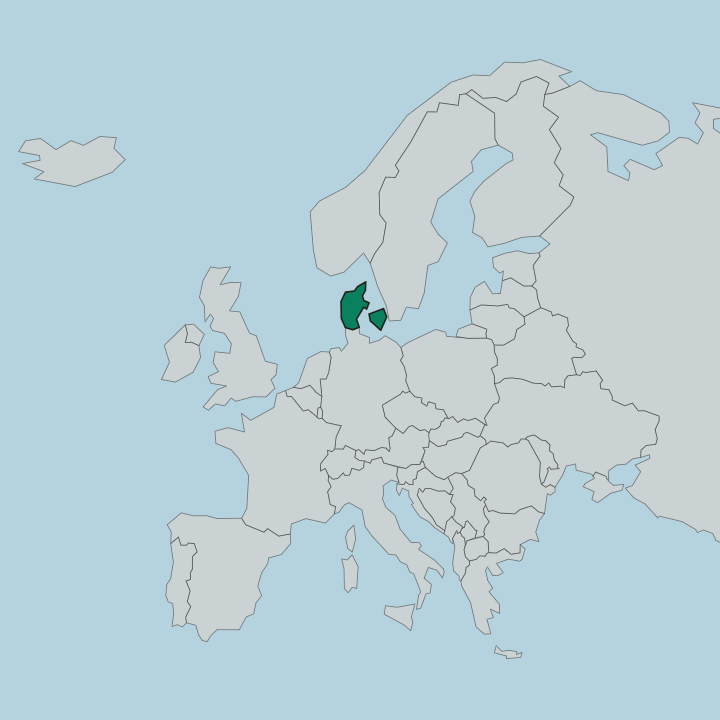
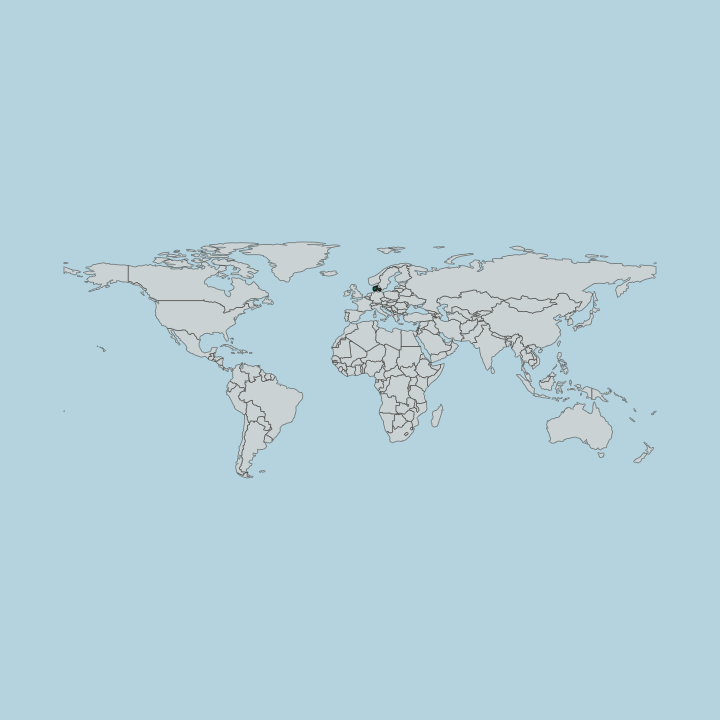
Ebeltoft is a cobbled old market town on Jutland's eastern coast, in central Denmark, on the Jutland peninsula.
Hotel links are affiliate links: booking through them may earn us a commission, at no extra cost to you. It never affects how places are ranked. How this works


Where to stay in Ebeltoft
Where visitors usually base themselves, and why.
Ebeltoft splits its beds between the timbered old town and the open coast that frames it. The historic core, a knot of cobbled lanes around Ebeltoft Kirke, holds the small inns and town-house rooms closest to the sights, with the harbour and Fregatten Jylland a short walk down to the water. You will settle in well here if a slow, low-roofed market town suits you more than a busy strip, with the glass museum and the quay both within a few minutes on foot.
The lanes are quiet at night. Beyond the centre, the shore stretches out toward the parish of Dråby and its church, where holiday houses and coastal lodging spread along the eastern edge of Syddjurs Municipality. Rooms in the old town are limited, so the warm season fills the central inns first.
Book the centre early.
Find hotels in Ebeltoft
Direct booking searches for these neighbourhoods.
Old town
The crooked streets around Ebeltoft Kirke run down to the quay where Fregatten Jylland is moored. Rooms are few around here — worth securing early.Find hotels in Old townCoast-seekers booking holiday houses east of the old townDråby shore
Holiday lodging spreads along the shore by Dråby Kirke at the eastern edge of Syddjurs MunicipalityFind hotels in Dråby shoreHotel links are affiliate links: booking through them may earn us a commission, at no extra cost to you. It never affects how places are ranked. How this works
About Ebeltoft
What is Ebeltoft known for?
Ebeltoft is known for the wooden steam frigate Fregatten Jylland, the long-hulled warship drawn up at the harbour as the town's headline draw. Just along the quay, the glass-art collection Glas - Museet for glaskunst sets blown and cast work against the water. Inland, the old town keeps its crooked timbered lanes around Ebeltoft Kirke.
The streets are tiny. Cobbles and beams carry the whole mood.
What are the main landmarks in Ebeltoft?
Fregatten Jylland dominates the harbour, a long wooden steam frigate hauled out beside the quay where its rigging towers over the waterfront. The frigate is the headline. A short walk along the water brings the glass-art collection Glas - Museet for glaskunst, while the medieval Ebeltoft Kirke anchors the old town among its timbered houses.
Two more sights sit nearby: Dråby Kirke in the parish to the north, and the protected farmstead of Solhøj.
What is the history of Ebeltoft?
Ebeltoft grew as a small chartered market town on a sheltered bite of Jutland's eastern coast, trading by sea while the timbered lanes climbed the slope behind the harbour. The medieval Ebeltoft Kirke marks that old core, and to the north the parish of Dråby and its church served the farms that fed the town. For generations this was a modest port living off the water and the surrounding land, set apart from the larger towns inland on the Jutland peninsula.
Shipping shaped it. The town's later fame came from the sea in a different form. Eventually the wooden steam frigate Fregatten Jylland was berthed at Ebeltoft as a preserved warship, and the harbourside grew into a draw in its own right, joined in time by the glass-art collection Glas - Museet for glaskunst.
A protected farmstead, Solhøj, recalls the rural estates around the town. Rather than cleared, the old cobbled streets were kept, and the place settled into its role as a coastal heritage town within Syddjurs Municipality in Central Denmark.
Where is Ebeltoft?
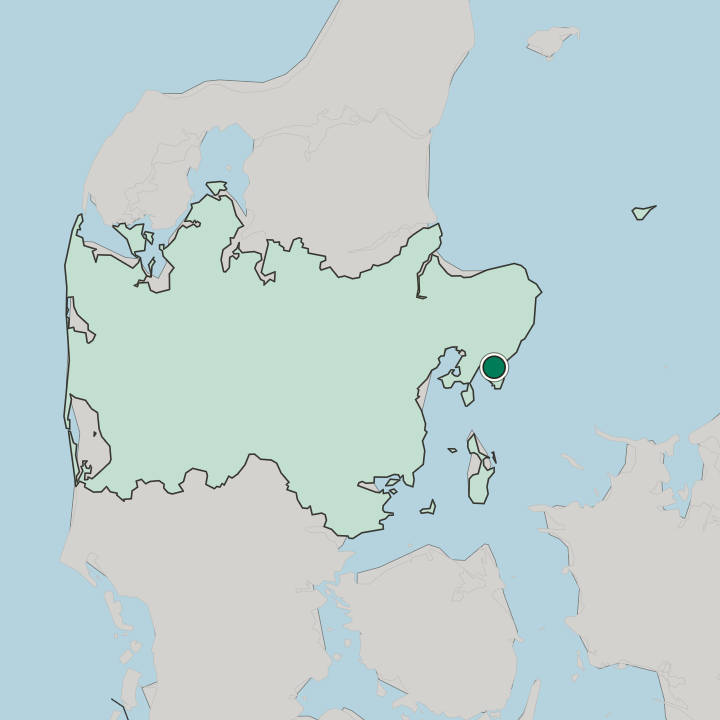
Ebeltoft sits on a sheltered curve of Jutland's eastern coast, in central Denmark, on the Jutland peninsula. The old town climbs from the water. Gentle hills rise behind the harbour toward the parish of Dråby to the north, and the wider farm country of Syddjurs Municipality spreads inland, while the open coast frames the town along its seaward side.
What is the climate of Ebeltoft?
The coast governs the weather at Ebeltoft. Sheltered on its eastern bay, the town sees cool damp winters and mild summers, with the surrounding water keeping the swings between the seasons gentle and the warmest afternoons tempered by sea air. Frost stays light.
The hills behind the harbour give a little cover from the worst of the wind.
How do you get to Ebeltoft?
Ebeltoft lies out on the eastern coast, away from the main inland routes of the Jutland peninsula. Most travellers arrive by road, following the lanes of Syddjurs Municipality down to the harbour, where ferries have long crossed the water to the town's seaward side. A car helps most.
From there the old town and Fregatten Jylland are an easy walk apart.
Common questions
What is the best area to stay in Ebeltoft?
Old town: Visitors who want the cobbled timbered lanes and the harbour on foot. Dråby shore: Coast-seekers booking holiday houses east of the old town.
Good for
More cities in Region Midtjylland
Updated September 2026