Denmark · Region Midtjylland
Where to Stay in Horsens, Region Midtjylland
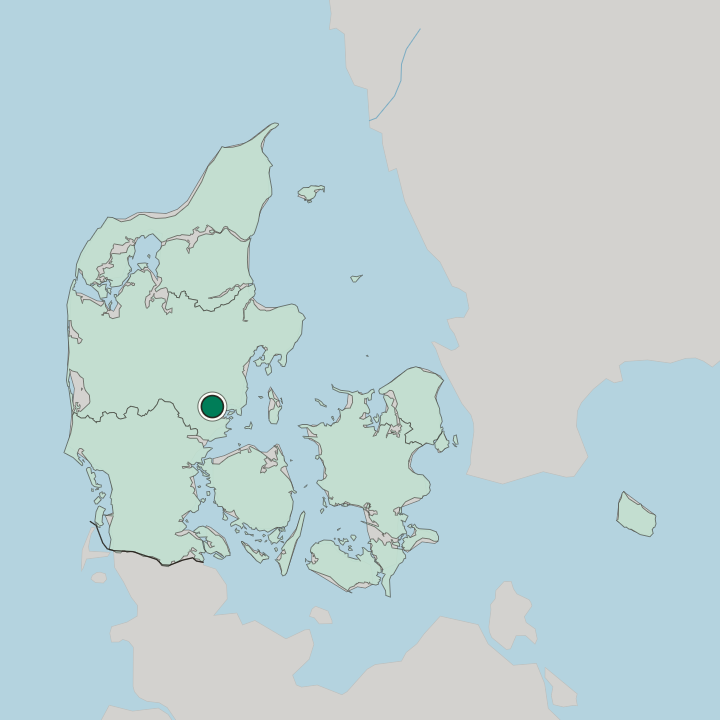
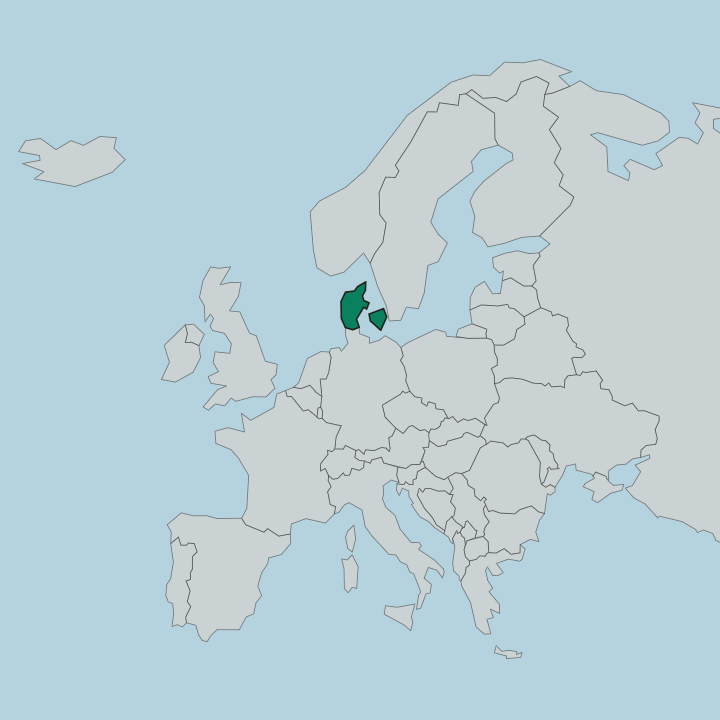
Horsens is a fjord town in central Denmark, on the Jutland peninsula, at the head of Horsens Fjord.
Hotel links are affiliate links: booking through them may earn us a commission, at no extra cost to you. It never affects how places are ranked. How this works


Where to stay in Horsens
The practical side of choosing where to sleep.
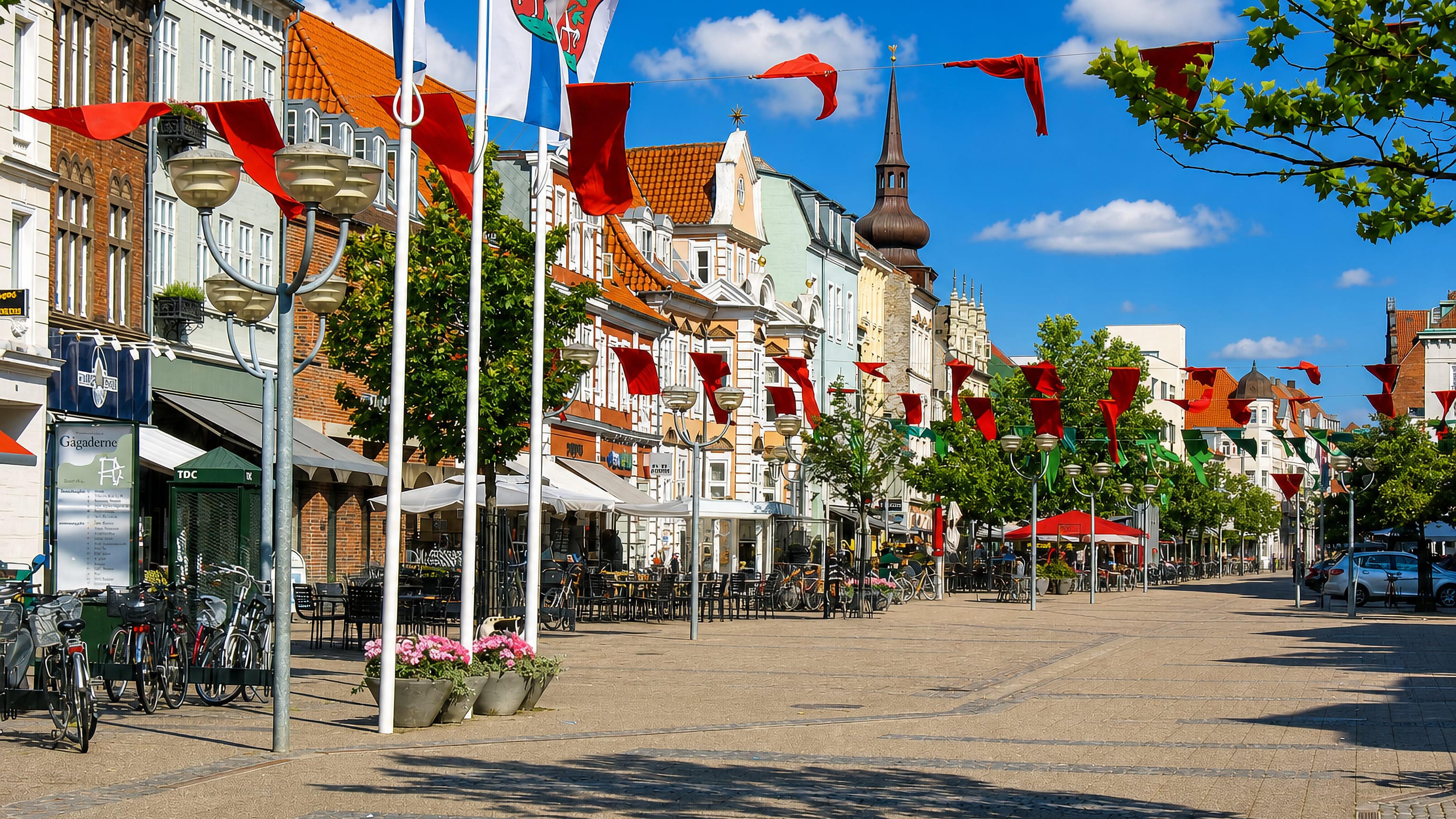
Horsens keeps most of its beds in the old centre between the fjord and the rail line. The densest lodging sits among the streets near Klosterkirken and Vor Frelsers Kirke, hotels within a short walk of the shops, the station, and the quays at the head of the inlet. Stay here for the old heart.
Toward the waterfront, rooms look out over Horsens Fjord and the long shallow water that runs east to the open sea, handy for the harbour and the walks along the shore. If you come for a concert or an event, the beds near the arena of Forum Horsens put you beside the stage and the through-roads, with parking and quick access out of town. Business visitors often base near the centre and the rail.
Book ahead through the busy weeks. Forum Horsens fills the central beds fast when a big night brings crowds in from across Jutland.
Find hotels in Horsens
Direct booking searches for these neighbourhoods.
Old centre
hotels by Klosterkirken and Vor Frelsers KirkeFind hotels in Old centreharbour walks and the inletFjord waterfront
rooms over Horsens Fjord at the head of the inletFind hotels in Fjord waterfrontconcert and event nights with parkingArena edge
practical beds beside the Forum Horsens stageFind hotels in Arena edgeHotel links are affiliate links: booking through them may earn us a commission, at no extra cost to you. It never affects how places are ranked. How this works
Things to do in Horsens
Ranked by global recognition; descriptions from Wikidata (CC0).
Museums & Galleries
2- Horsens Art Museum Museum of Danish contemporary art
- Horsens museum
Churches & Religious Sites
3- Horsens Klosterkirke
- Church of our Saviour
- Hansted Church
Stadiums & Sports
1- Forum Horsens indoor sports arena and music venue
worth knowingacross 3 categories in Horsens
About Horsens
What is Horsens known for?
Horsens is a port and event town in the south-eastern part of Central Denmark, the seat of its municipality on the Jutland coast. The fjord shapes it. The town sits at the head of Horsens Fjord, a long shallow inlet where rolling hills and forest run down to the water and soften the feel of the coast.
Klosterkirken anchors the old centre, Danmarks Industrimuseum tells the story of Danish industry, and the arena of Forum Horsens draws concerts and crowds that have given the place its name as a stage in eastern Jutland.
What are the main landmarks in Horsens?
The sights run from the old town to the fjord. Klosterkirken, the medieval abbey church, stands at the heart of the centre with Vor Frelsers Kirke a short way off, and Hansted Kirke serves a parish on the edge of town. Danmarks Industrimuseum fills old works with the machines of the industrial age, while Horsens Kunstmuseum shows contemporary Danish art and Horsens Museum keeps the town's own past.
Concerts and sport gather at Forum Horsens. Out toward the water, the old monument ground of Boller nederskov marks the wooded shore of Horsens Fjord.
What is the history of Horsens?
Horsens was established in the 12th century at the head of its fjord. The inlet was the making of it. Ships could reach far up the long shallow water of Horsens Fjord, and a market and port grew on the sheltered ground where the hills and forest met the shore.
Klosterkirken rose with the medieval town. The abbey church and the monastery around it anchored a busy trading town, and Vor Frelsers Kirke joined it as the streets spread back from the quays. The town traded down the fjord and along the eastern coast of Jutland through the centuries that followed.
Then industry came. Works rose on the slopes behind the harbour, the machines of which Danmarks Industrimuseum now keeps, and the railway tied the port into the wider peninsula. Houses filled the ground between the old centre and the fjord, parishes like Hansted near Hansted Kirke grew at the edges, and the museums and the arena of Forum Horsens came to gather the modern town's life.
Through all of it the fjord stayed central. Horsens remains a port and event town at the head of its inlet, turned toward the water that built it.
Where is Horsens?
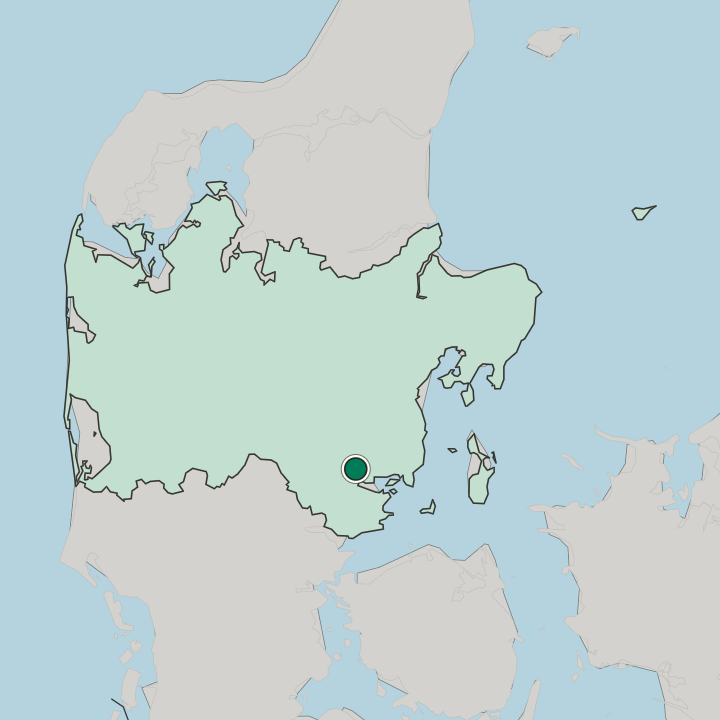
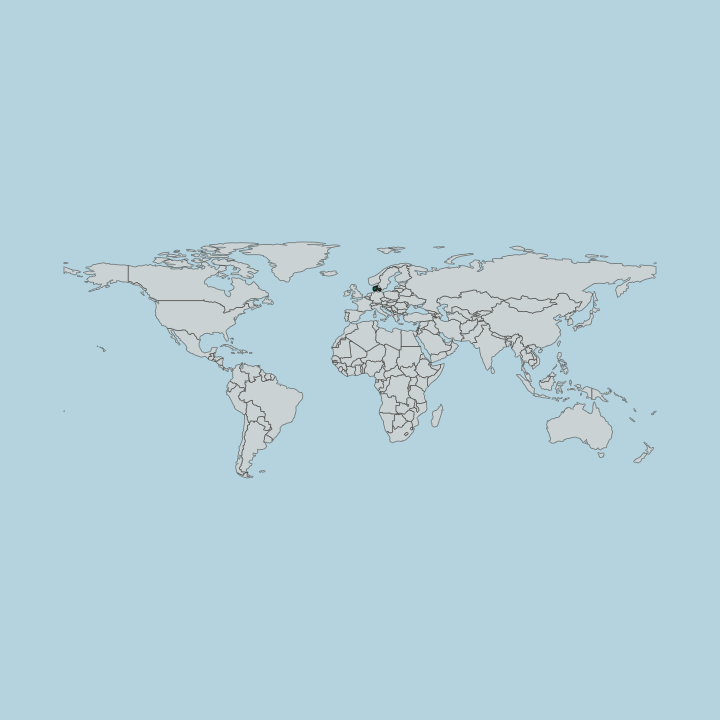
Horsens sits at the head of Horsens Fjord, in the south-eastern part of Central Denmark on the Jutland peninsula. The fjord reaches inland to the town. The old centre fills the low ground at the head of the inlet, and the houses climb the rolling hills and the wooded slopes that run down to the shallow water on either side.
Forest reaches almost to the quays. East the fjord opens through the long shallow water to the sea, while the rest of Jutland runs inland to the west, with Vejle to the south.
What is the climate of Horsens?
Horsens has the mild, damp weather of the eastern Jutland coast. Winters stay cool and grey, the sheltered water of Horsens Fjord tempering the frost so it rarely settles hard at the head of the inlet, while summers turn moderate and green under the long northern daylight that holds light over the water and the wooded hills late into the evening. Rain falls across every season.
The inlet funnels the wind inland, so gusts run up the fjord toward the town off the open sea.
How do you get to Horsens?
Trains and roads reach it easily. Horsens sits on the main Jutland rail line, with frequent services running south toward Vejle and on down the peninsula and north toward the larger cities, so the station stands a short walk from the centre and the fjord. Buses link the town to the surrounding parishes and the wooded shore.
Drivers come on the motorway that runs the length of Jutland, close to the town, and the regional airports along the eastern coast connect Horsens to the wider network, an easy ride up or down the line.
Common questions
What is the best area to stay in Horsens?
Old centre: the medieval streets and the station on foot. Fjord waterfront: harbour walks and the inlet. Arena edge: concert and event nights with parking.
Good for
More cities in Region Midtjylland
Updated October 2026