Denmark · Region Midtjylland
Where to Stay in Viborg, Region Midtjylland
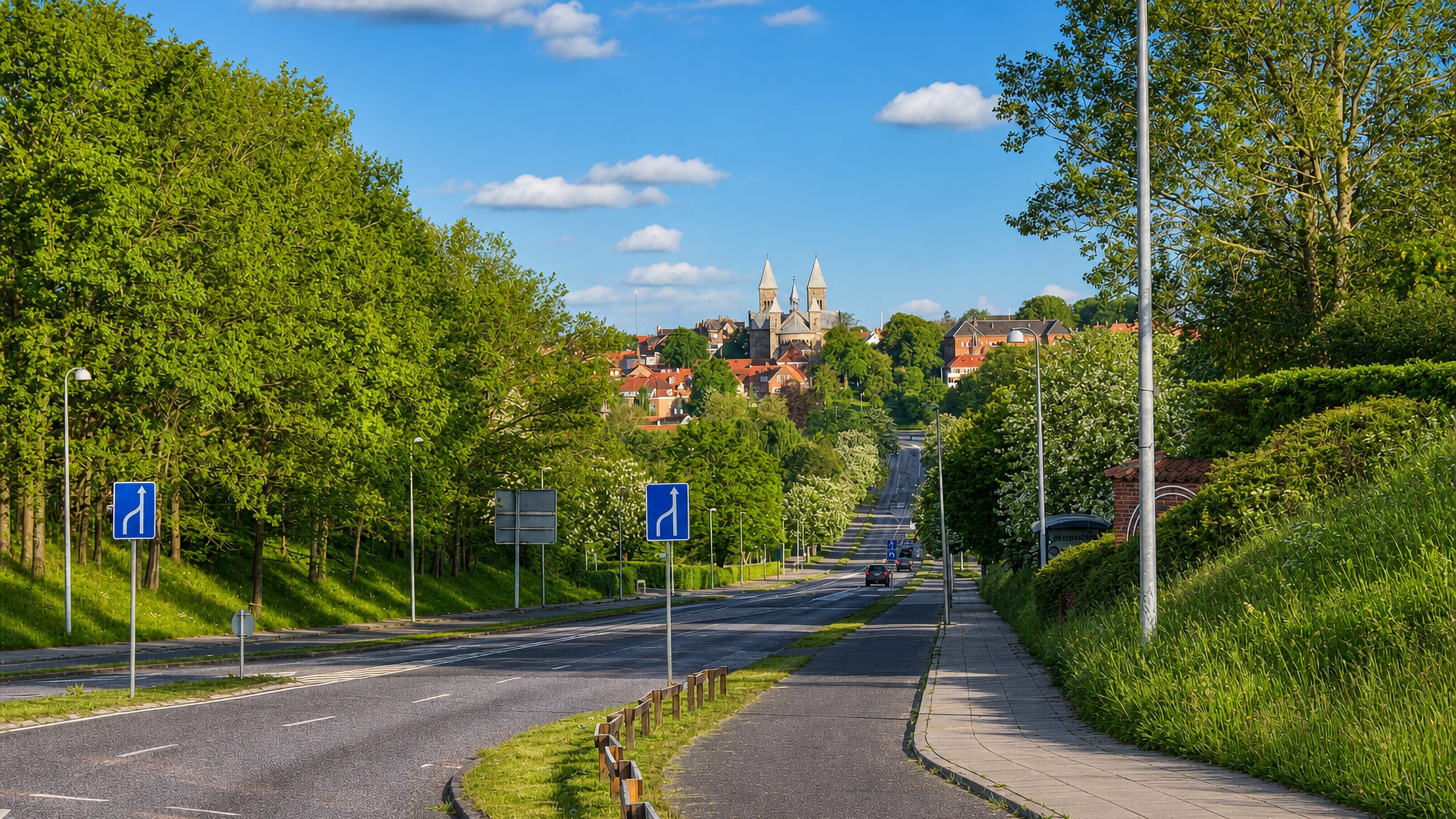
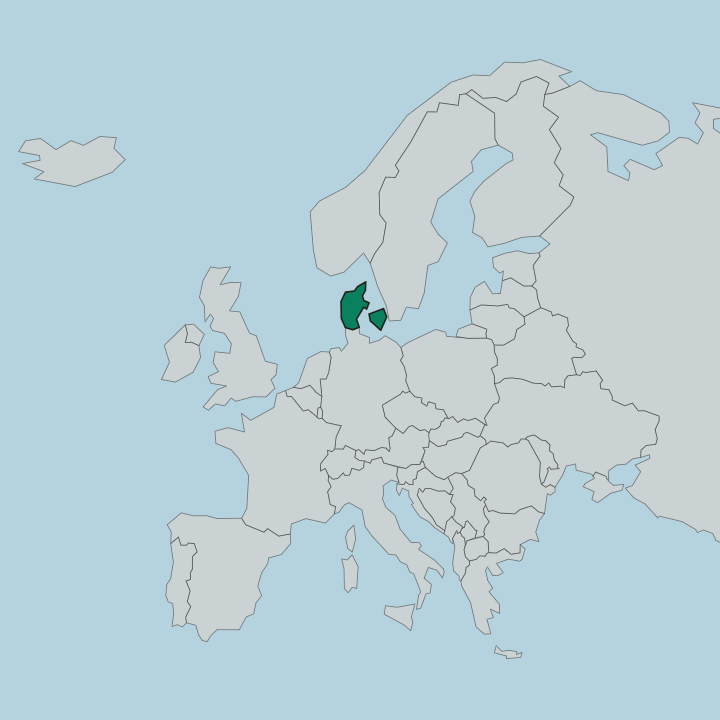
Viborg is a historic cathedral city in central Denmark, on the Jutland peninsula and seat of its municipality.
Hotel links are affiliate links: booking through them may earn us a commission, at no extra cost to you. It never affects how places are ranked. How this works


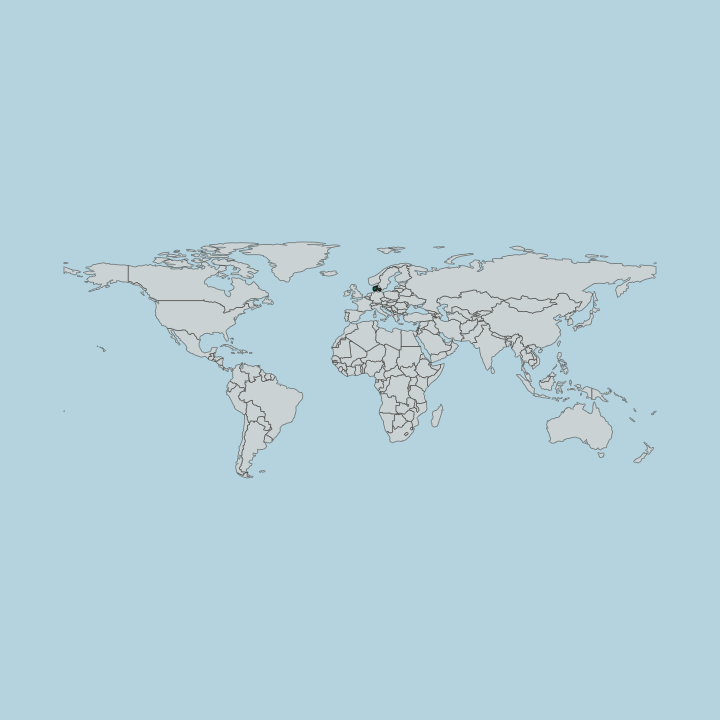
Where to stay in Viborg
Where the beds are, and what that means for the visit.
Viborg puts most of its beds in and around the old town, the historic core of the city it heads. Stay in the centre and the medieval streets are yours on foot: the timbered Karnapgården, Den gamle gildesgård and Hans Werrings Gård cluster nearby, the Skovgaard Museet sits on the old town square, and the Viborg Kunsthal is a short walk through the lanes. The centre suits you if the old houses and museums are the point of the trip.
By the water the mood softens around the ramparts of Borgvold, a green edge to the centre where quieter rooms look toward the lakeside. Out past the core the town turns residential and beds grow scarce. The parish of Asmild, across the water and marked by Asmild Kirke, and the sports grounds of the Liseborgcentret on the outskirts are largely homes and fields rather than hotels.
Want a calmer base? Many visitors choose a room near Borgvold or Sankt Kjelds Kirke and walk in to the old town each morning rather than staying in the busiest lanes.
Find hotels in Viborg
Direct booking searches for these neighbourhoods.
Old town
the medieval core around Karnapgården and the Skovgaard Museet on the squareFind hotels in Old towna quiet lakeside edgeBorgvold
the green rampart ground of Borgvold beside the water at the centre's rim. Rooms are few around here — worth securing early.Find hotels in Borgvolda residential stay across the waterAsmild
the old parish around Asmild Kirke on the far side of the lake from the old town. Lodging is scarce in this area; reserve in advance.Find hotels in AsmildHotel links are affiliate links: booking through them may earn us a commission, at no extra cost to you. It never affects how places are ranked. How this works
Things to do in Viborg
Ranked by global recognition; descriptions from Wikidata (CC0).
Museums & Galleries
3- Viborg Kunsthal Heritage
- Skovgaard Museum Danish art museum
- Vingaards Officin
Churches & Religious Sites
3- Dominican Priory
- Asmild Church
- Sankt Kjelds Kirke
Stadiums & Sports
1- Liseborgcentret
Landmarks & Notable Places
8- Det Zahrtmannske Hus Heritage house
- Karnapgården Heritage
- Skolestræde 2 Heritage
- Ursins Gård Heritage
- Den lille gård på Torvet Heritage
Show 3 more →
- Villadsens Gård Heritage
- Hans Werrings Gård Heritage
- Den gamle gildesgård Heritage
worth knowingacross 4 categories in Viborg
About Viborg
Viborg is known for its old town.
What is Viborg known for?
A dense quarter of timbered merchant houses survives at its core, among them Karnapgården, Hans Werrings Gård and Ursins Gård, and the medieval Sortebrødre Kirke still stands as the old Dominican priory. Art has its place too. The Skovgaard Museet and the Viborg Kunsthal show painting in the centre, while the ramparts of Borgvold and the burial mound of Mariehøj recall a far older Viborg on the northern Jutland peninsula.
What are the main landmarks in Viborg?
The old town is itself the great landmark of Viborg. Whole rows of protected timber-framed houses survive here, among them Karnapgården, Zahrtmanns Gård, Villadsens Gård, Konrektors Gård and Viborgs Middelalderlige Katedralskole, the medieval cathedral school. Between the timbered rows rise Viborg's churches.
Sortebrødre Kirke keeps its Dominican past, Sankt Kjelds Kirke and Asmild Kirke serve their parishes, and the friary of Gråbrødre Kloster recalls the city's monastic age. Art fills the Skovgaard Museet and Viborg Kunsthal, the printing house Vingaards Officin and Viborg Museum tell local stories, and the mounds of Mariehøj and Borgvold mark the oldest ground of all.
What is the history of Viborg?
Viborg is one of the oldest seats in Jutland. The city grew up in the northern part of Central Denmark on a ridge between lakes, a gathering place and a centre of the church long before most Danish towns took shape, and the mound of Mariehøj and the ramparts of Borgvold mark that ancient ground. The medieval city grew dense and devout.
Monastic houses rose within it, the Dominican Sortebrødre Kirke and the friary of Gråbrødre Kloster among them, and a cathedral school took root whose old building, Viborgs Middelalderlige Katedralskole, still stands. Fire and time reshaped the rest. Behind the grand stone, generations of merchants built and rebuilt the close-packed timber houses that line the old town, among them Karnapgården, Hans Werrings Gård, Ursins Gård and Zahrtmanns Gård, each now a protected piece of heritage.
The Vingaards Officin recalls the early printing trade, and the Skovgaard Museet gathers the work of the painting family that gave it its name. Through all of it Viborg held its place as a centre of the region, and it remains the seat of its municipality in northern Jutland.
Where is Viborg?
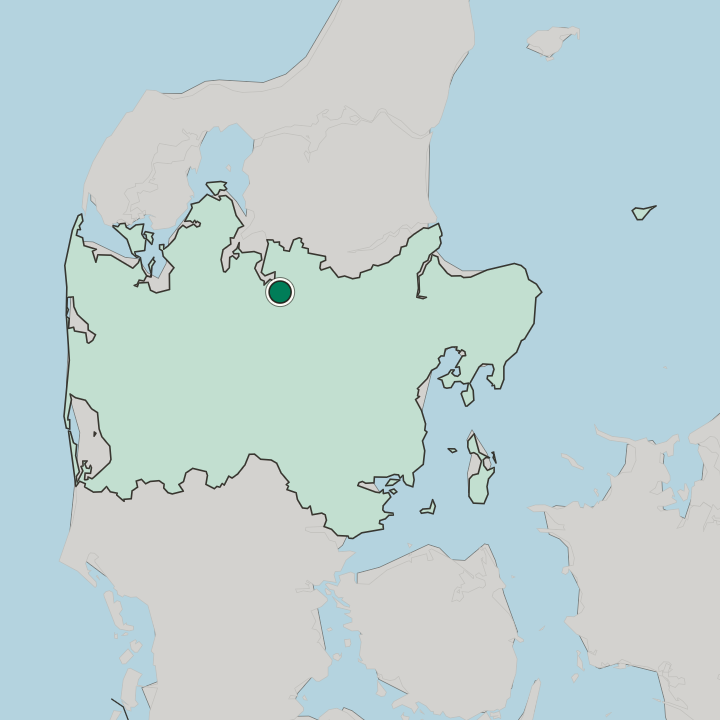
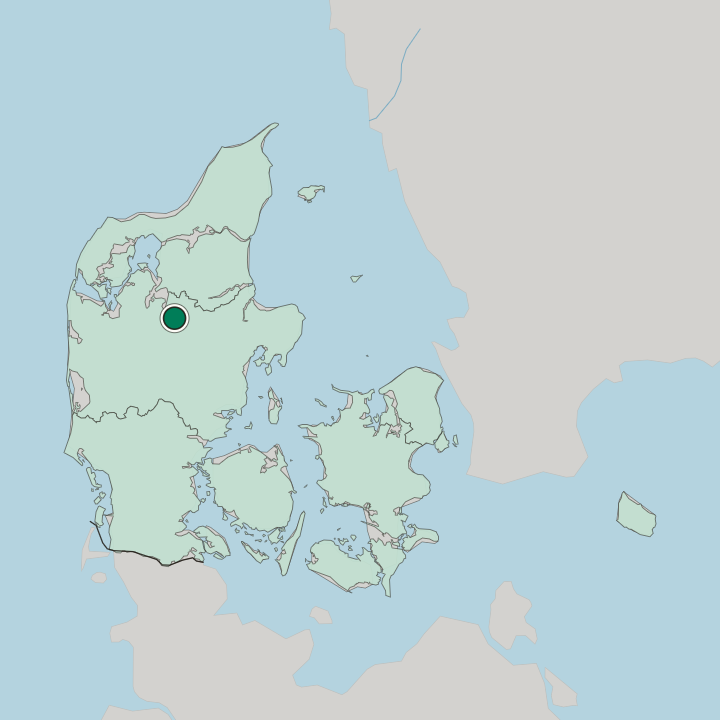
Viborg lies in central Denmark, on the Jutland peninsula, in the northern part of Central Denmark. Lakes frame the city. Its old core rises on a ridge, while the green ramparts of Borgvold drop to the water at the centre's edge and the parish of Asmild, with Asmild Kirke, stands on the far shore across the lake.
Out beyond them the city spreads into newer districts and the sports grounds of the Liseborgcentret on flatter Jutland land.
What is the climate of Viborg?
Inland Jutland sets Viborg's weather. The city stands away from the sea in the northern part of Central Denmark, so its winters run cool and grey and its summers mild, in the temperate northern pattern of changeable skies. Damp westerly weather is the rule.
The lakes below Borgvold lie steel-grey under winter cloud and turn bright in the long summer light, when the old town squares and the grounds around Asmild Kirke fill with visitors, before the autumn winds and rain sweep back across the open peninsula.
How do you get to Viborg?
Rail reaches Viborg through Jutland. Trains run to the city on a line crossing the peninsula, and the station sits a short walk from the old town for arrivals heading to the Skovgaard Museet or the timbered streets. The platform lands you near the centre.
Drivers come by the roads that thread the Jutland peninsula and link Viborg with the larger cities of the Central Denmark region, and from the centre it is a quick trip out past Borgvold to the Liseborgcentret on the edge of town.
Common questions
What is the best area to stay in Viborg?
Old town: the timbered merchant houses on foot. Borgvold: a quiet lakeside edge. Asmild: a residential stay across the water.
Good for
More cities in Region Midtjylland
Updated October 2026