Denmark · Region Midtjylland
Where to Stay in Herning, Region Midtjylland
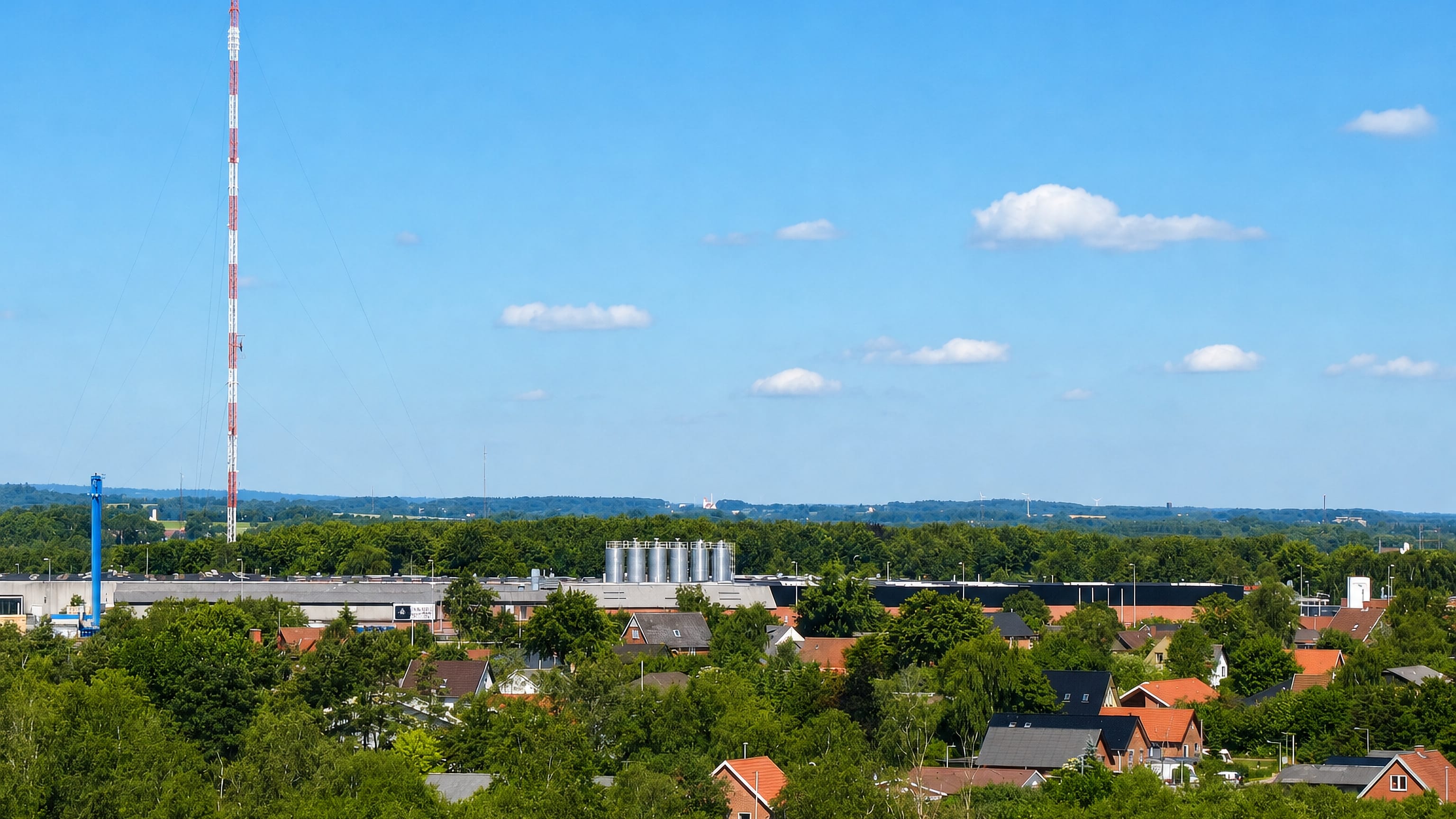
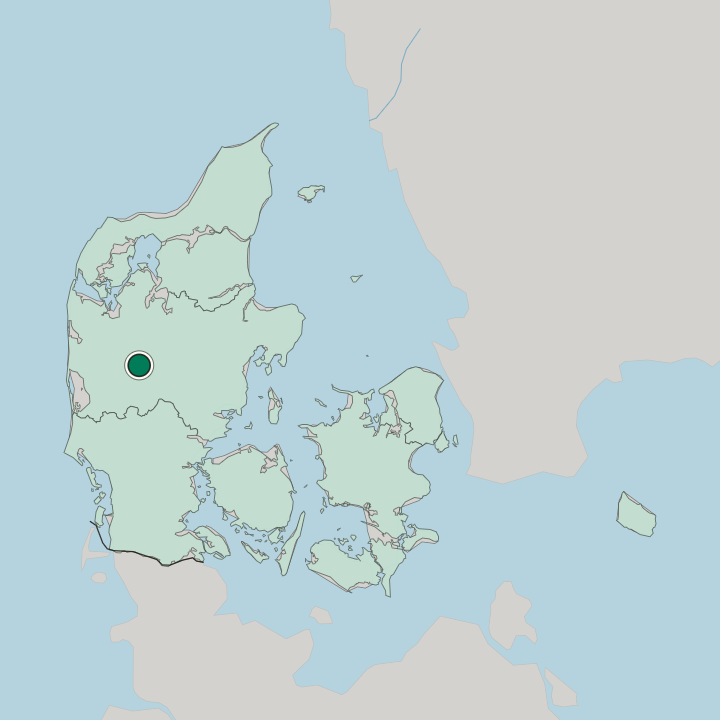
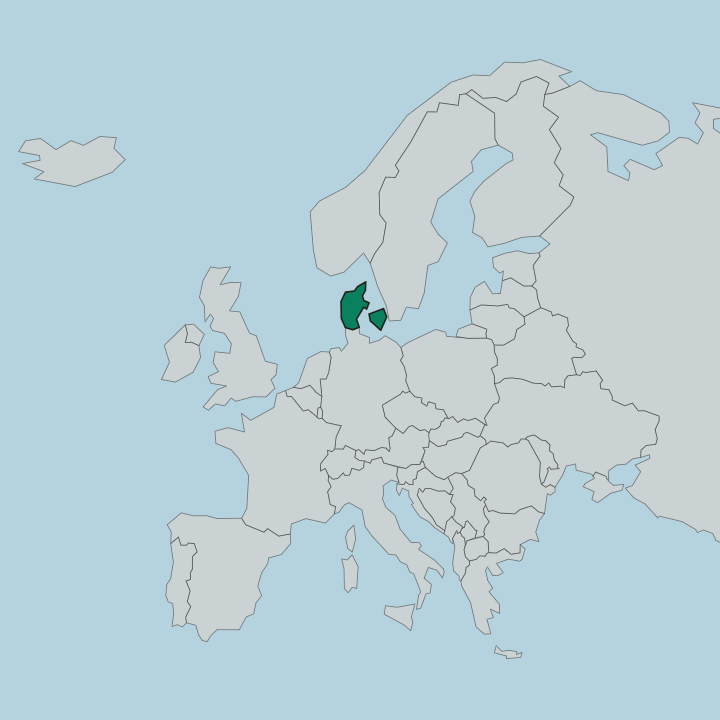
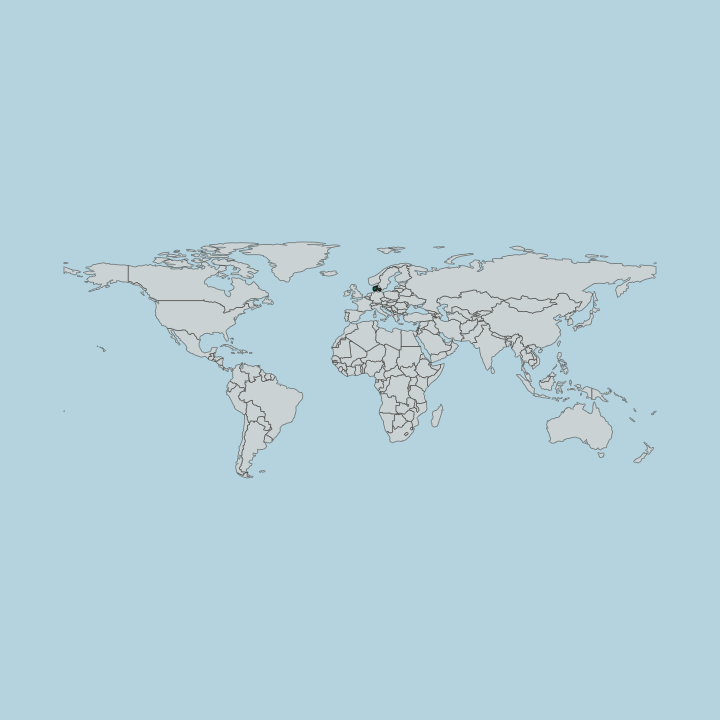
Herning is an inland town in western Denmark, on the Jutland peninsula, set on the open heath.
Hotel links are affiliate links: booking through them may earn us a commission, at no extra cost to you. It never affects how places are ranked. How this works


Where to stay in Herning
The practical side of choosing where to sleep.
Herning gathers most of its lodging in the centre and out by the great exhibition grounds. The densest beds sit in the heart of town near Herning Kirke and the shops, hotels within a short walk of the station and the pedestrian streets. This is the central base.
Out toward the eastern edge in the Birk district, larger hotels stand beside the art museums of HEART and the Carl-Henning Pedersen og Else Alfelts Museum and the exhibition and concert halls that draw trade fairs and crowds, useful for an event stay with parking close at hand. If you want sport, the beds near Sportscenter Herning put you by the grounds and the through-roads. The suburbs of Snejbjerg and Tjørring keep quieter rooms on the heath edge.
Book ahead through the busy weeks. The big events fill the central and Birk beds first, since this inland town keeps no great surplus of lodging.
Find hotels in Herning
Direct booking searches for these neighbourhoods.
Town centre
hotels by Herning Kirke and the shopping lanesFind hotels in Town centretrade fairs and the art museumsBirk art and fair district
event hotels by HEART and the Carl-Henning Pedersen og Else Alfelts MuseumFind hotels in Birk art and fair districta quieter stay off the centreHeath-edge suburbs
calm rooms out toward Snejbjerg and Tjørring on the moorFind hotels in Heath-edge suburbsHotel links are affiliate links: booking through them may earn us a commission, at no extra cost to you. It never affects how places are ranked. How this works
Things to do in Herning
Ranked by global recognition; descriptions from Wikidata (CC0).
Museums & Galleries
3- Herning Museum of Contemporary Art
- Carl-Henning Pedersen og Else Alfelts Museum
- Herningsholm
Churches & Religious Sites
3- Herning Church
- St. John's Church
- Church of Peace
Stadiums & Sports
1- Sportscenter Herning
worth knowingacross 3 categories in Herning
About Herning
What is Herning known for?
Herning is a textile and art town in the western part of Central Denmark, the administrative seat of its municipality. It grew on the heath. The town rose on the open inland moor of western Jutland, far from any coast, built by the textile trade rather than a harbour or a river.
Art now sets it apart. The contemporary galleries of HEART and the colour-filled rooms of the Carl-Henning Pedersen og Else Alfelts Museum stand in the Birk district, while Tekstilmuseet keeps the memory of the cloth trade that made the place.
What are the main landmarks in Herning?
Art and industry mark the town. HEART shows contemporary work on the eastern edge in Birk, where the Carl-Henning Pedersen og Else Alfelts Museum fills its round galleries with bright painting and mosaic. Tekstilmuseet and Danmarks Fotomuseum tell the trades of cloth and the camera, and Herning Museum and the open-air Frilandsmuseet Herning keep the older country life.
Churches anchor the parishes. Herning Kirke, Sankt Johannes Kirke, and Fredens Kirke serve the centre and its quarters, while the old manor of Herningsholm recalls the estate that held the heath before the town.
What is the history of Herning?
Herning grew late, out of the open heath of western Jutland. For long centuries this was empty moor, poor sandy ground that carried only scattered farms and the old manor of Herningsholm, with no harbour, no river port, and no great town to anchor it. Then the heath was tamed.
As the moors were broken to farmland and the railway crossed the peninsula, a market settled at the crossing and the cloth trade took hold, weaving and knitting growing into the industry that Tekstilmuseet now records. The town spread fast across the level ground. Herning Kirke and later Sankt Johannes Kirke and Fredens Kirke rose to serve the new quarters, and the suburbs of Snejbjerg, Tjørring, Hammerum, and Gjellerup gathered around the centre as the population climbed.
The modern town turned to fairs and art. Great exhibition halls and the museums of HEART and the Carl-Henning Pedersen og Else Alfelts Museum rose in the Birk district on the eastern edge, drawing trade and visitors to the heath. Through all of it Herning stayed an inland town.
It is a creation of industry and the railway on the moor, not an old port grown rich on the water.
Where is Herning?
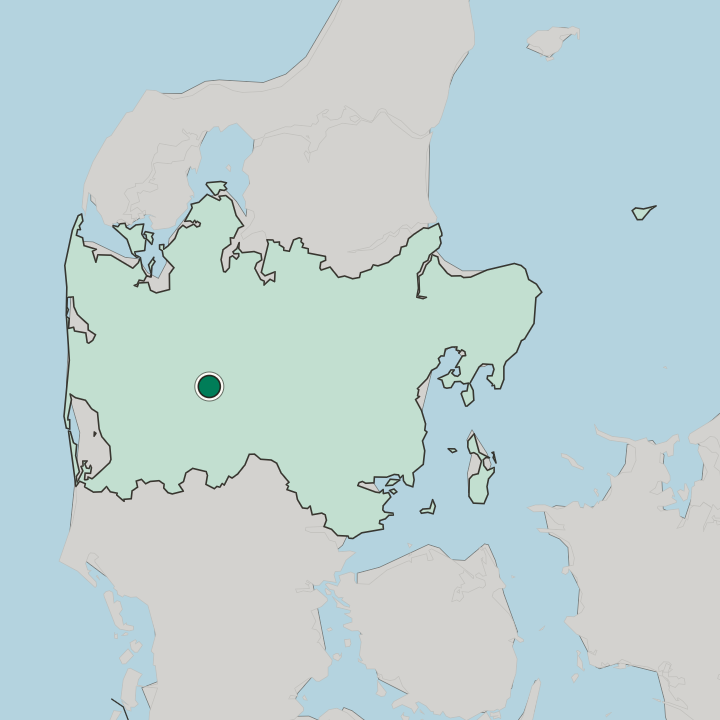
Herning lies on the open inland heath, in the western part of Central Denmark on the Jutland peninsula. The land is flat and sandy. The town spreads wide across the level moor, the centre running out to the suburbs of Snejbjerg and Tjørring on the heath and to the Birk district on the east, with no hills to break the horizon.
It keeps no coast and no river port. The rest of Jutland runs out in every direction across the plain, the western shore lying far off beyond the moor.
What is the climate of Herning?
Herning has the cool, damp weather of the open Jutland interior. Winters stay grey and raw, the frost biting harder on the exposed heath than along the coast, with no sea close enough to soften the cold over the moor. Summers turn moderate and green.
The long northern daylight holds light over the flat land late into the evening through the warmer months, and rain falls across every season. Wind crosses the level heath readily, sweeping over the town off the open plain in every direction.
How do you get to Herning?
Rail and road reach it easily. Herning sits on the lines crossing western Jutland, with services running east toward the larger cities and on across the peninsula, so the station stands a short walk from the centre. Buses link the town to the surrounding suburbs of Snejbjerg, Tjørring, and Hammerum and out across the heath.
Drivers come on the motorway and the trunk roads that cross the inland plain of Jutland, and the regional airports on the coasts connect Herning to the wider network, an easy ride out across the moor.
Common questions
What is the best area to stay in Herning?
Town centre: the pedestrian streets and the station on foot. Birk art and fair district: trade fairs and the art museums. Heath-edge suburbs: a quieter stay off the centre.
Good for
More cities in Region Midtjylland
Updated October 2026