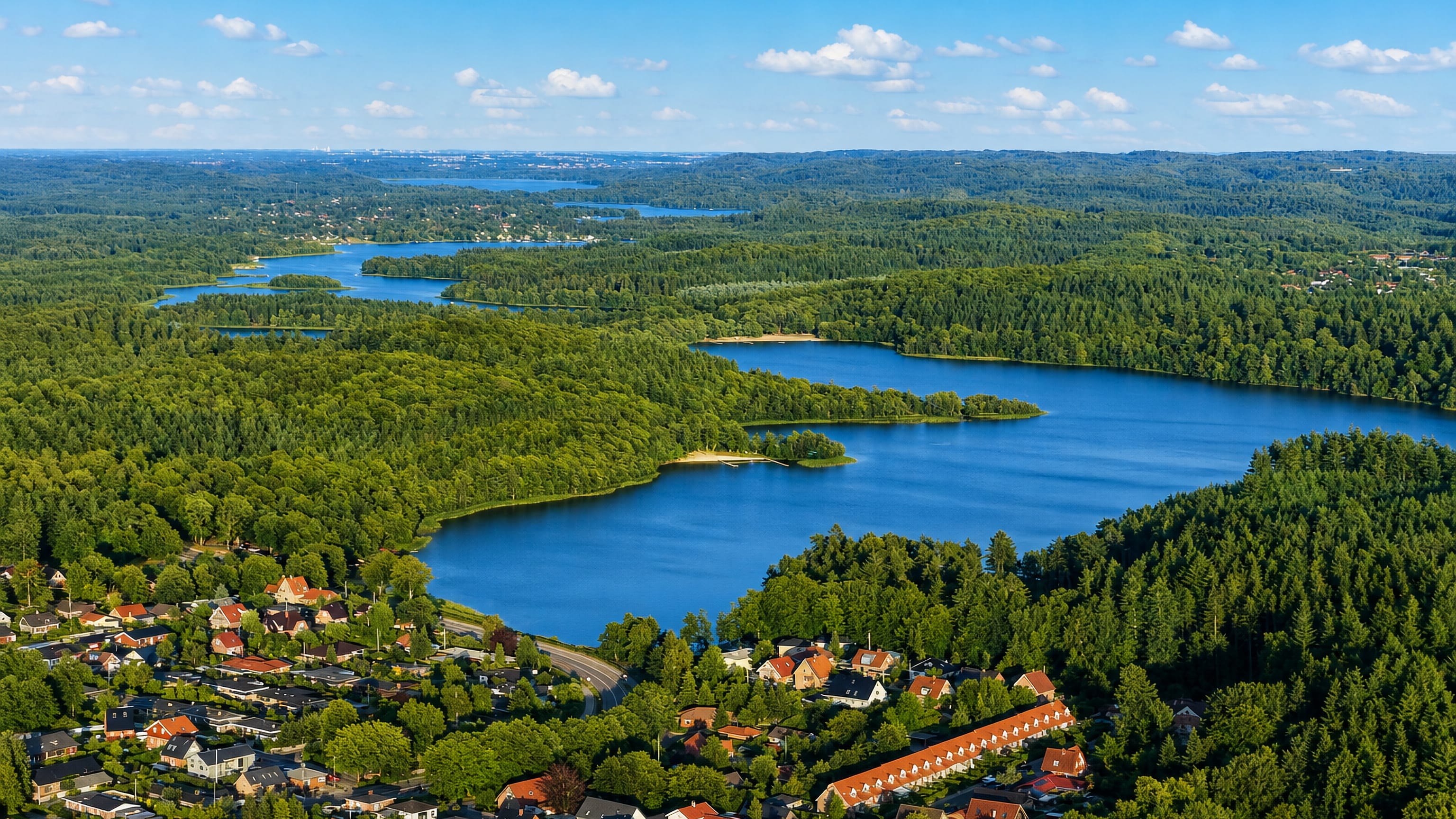
Denmark · Region Midtjylland
Where to Stay in Silkeborg, Region Midtjylland
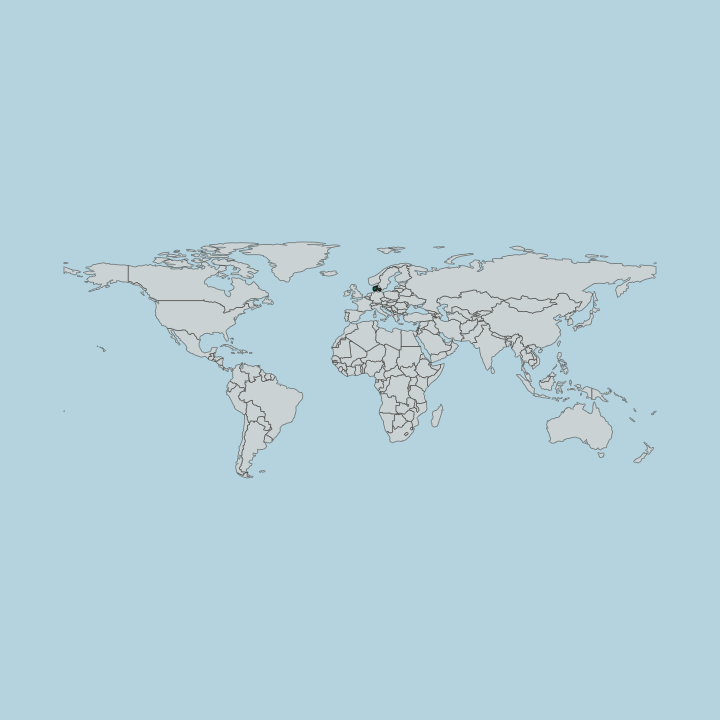
Silkeborg is a town in central Denmark, on the Jutland peninsula and seat of Silkeborg Municipality.
Hotel links are affiliate links: booking through them may earn us a commission, at no extra cost to you. It never affects how places are ranked. How this works


Where to stay in Silkeborg
Where the beds are, and what that means for the visit.
Silkeborg concentrates most of its beds in and around the town centre, the core of the municipality it heads. Stay there and the museums sit within reach: Museum Jorn and the local-history rooms of Museum Silkeborg in Silkeborg Hovedgård are an easy walk, and the streets fill with cafés in the warm months. The centre suits you if you want everything close.
Out at Silkeborg Bad, west of the centre, KunstCentret Silkeborg Bad occupies an old spa building set among gardens, a quieter base away from the busier streets and well placed for the viewpoint at Dronningestolen. Families often choose the side of town near the AQUA Akvarium og Dyrepark, where the freshwater zoo and its grounds make a full day. Beds thin out in the residential edges.
The parishes of Balle, Hvinningdal and Alderslyst, marked by their churches Balle Kirke, Hvinningdal Kirke and Alderslyst Kirke, are largely homes rather than hotels, so most visitors reserve in the centre and travel out. Need a match day? Rooms near JYSK Arena and the Søholt Idrætsanlæg fill when the football and athletics draw crowds.
Find hotels in Silkeborg
Direct booking searches for these neighbourhoods.
Town centre
the chartered core within walking reach of Museum Jorn and Museum Silkeborg in Silkeborg HovedgårdFind hotels in Town centrea quiet garden settingSilkeborg Bad
the old spa grounds of KunstCentret Silkeborg Bad west of town, near the Dronningestolen viewpoint. Beds are limited here, so book early.Find hotels in Silkeborg Bada family base by the freshwater zooAlderslyst
the parish around Alderslyst Kirke near the AQUA Akvarium og Dyrepark. Lodging is scarce in this area; reserve in advance.Find hotels in AlderslystHotel links are affiliate links: booking through them may earn us a commission, at no extra cost to you. It never affects how places are ranked. How this works
Things to do in Silkeborg
Ranked by global recognition; descriptions from Wikidata (CC0).
Museums & Galleries
2- Museum Silkeborg
- Museum Jorn
Churches & Religious Sites
3- Hvinningdal Church
- Balle Church
- Alderslyst Church
Stadiums & Sports
2- Silkeborg-Hallerne
- Søholt Idrætsanlæg
Landmarks & Notable Places
1- Landlyst Heritage
worth knowingacross 4 categories in Silkeborg
About Silkeborg
Silkeborg is known for its art.
What is Silkeborg known for?
Museum Jorn gathers the work of the painter who took the town's name, and the older Museum Silkeborg sets out the wider local story in Silkeborg Hovedgård. Culture spreads beyond them. KunstCentret Silkeborg Bad fills a former spa with exhibitions, while the AQUA Akvarium og Dyrepark draws families to its freshwater zoo.
The scenic viewpoint of Dronningestolen looks out over the surrounding country, and JYSK Arena hosts the town's football.
What are the main landmarks in Silkeborg?
Two museums anchor Silkeborg. Museum Jorn holds the art of its namesake painter, while Museum Silkeborg keeps the town's history inside Silkeborg Hovedgård, and KunstCentret Silkeborg Bad shows work in a converted spa. Animals draw their own crowd.
The AQUA Akvarium og Dyrepark runs a freshwater aquarium and animal park, and the viewpoint of Dronningestolen looks over the wider landscape. Silkeborg also has the parish churches Balle Kirke, Alderslyst Kirke and Hvinningdal Kirke, the wartime Silkeborg Bunker Museum and the heritage house of Landlyst.
What is the history of Silkeborg?
Silkeborg is a lakeside railway town on the Jutland peninsula, founded in 1844 around a big paper mill at the Gudenå, the longest river in Denmark. The name goes back to at least the 15th century, when a castle called Silkeborg was mentioned in written documents. It stood on an islet in the lake Silkeborg Langsø.
Only a few ruins remain. As the town spread it drew in the village parishes around it, with their churches Balle Kirke, Alderslyst Kirke and Hvinningdal Kirke. The painter Asger Jorn brought a different kind of fame, and his gift of work to the town founded Museum Jorn.
The second world war left its own trace in the bunkers now kept as the Silkeborg Bunker Museum, while the spa at Silkeborg Bad, long since closed, lives on as the art centre KunstCentret Silkeborg Bad. From a mill town Silkeborg became the seat of Silkeborg Municipality.
Where is Silkeborg?
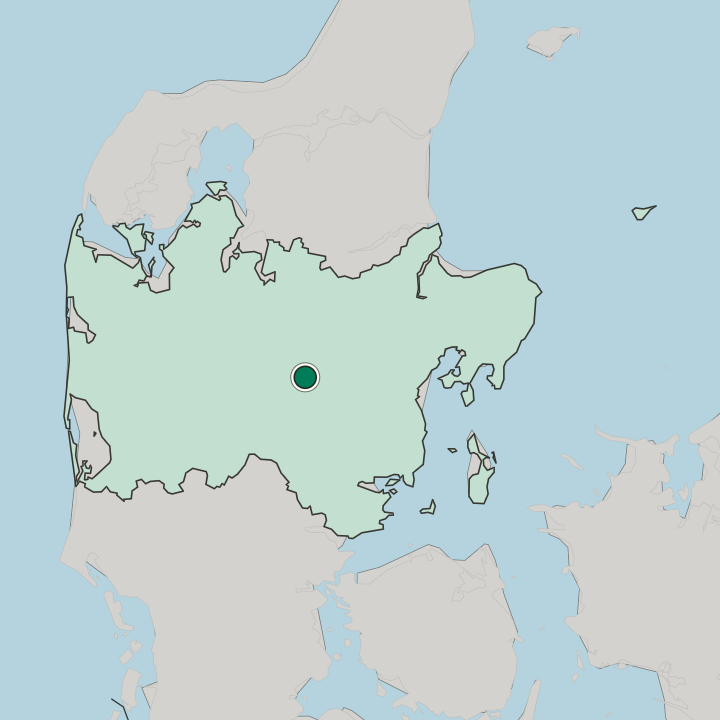
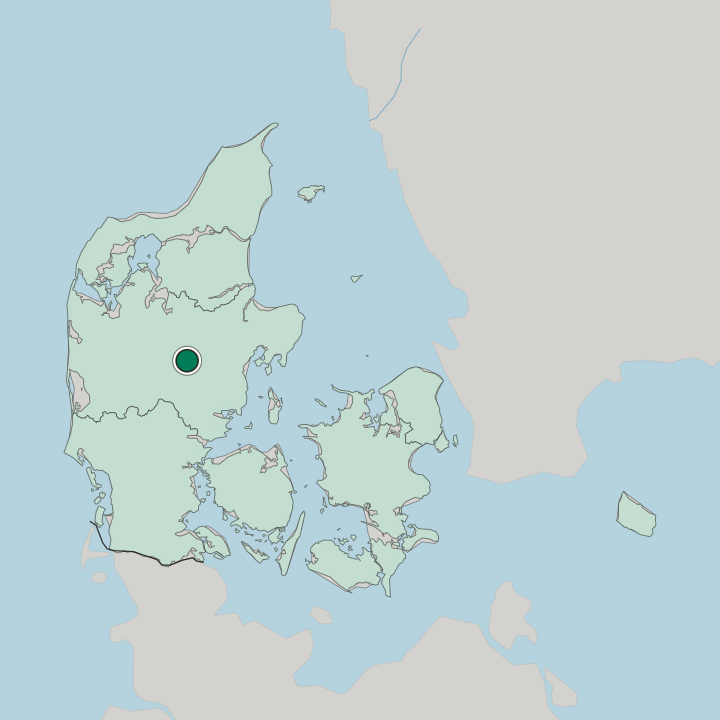
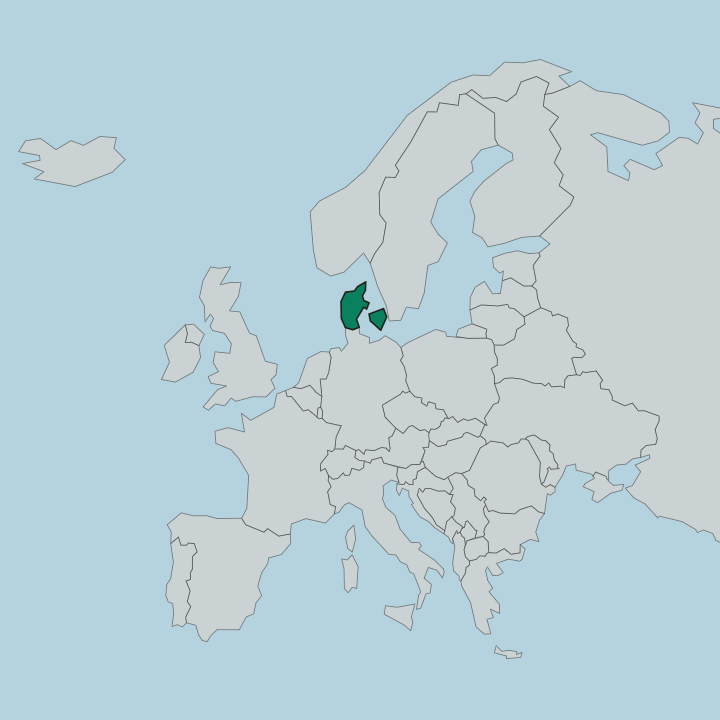
Silkeborg sits in central Denmark, on the Jutland peninsula, in the central part of Central Denmark. The town spreads across a wide municipal area that it heads as the seat. Its outer parishes ring the centre.
Balle, Hvinningdal and Alderslyst hold their own churches and were once separate communities, while the scenic viewpoint of Dronningestolen looks out over the country around the town from higher ground.
What is the climate of Silkeborg?
Inland Jutland sets the weather. Silkeborg lies away from the open sea in the central part of Central Denmark, so its winters run colder and its summers warmer than the Danish coast, in a temperate northern year of changeable skies. Grey, damp spells are common.
The longer, milder days of summer fill the gardens at Silkeborg Bad and the grounds of the AQUA Akvarium og Dyrepark with visitors, while autumn brings wind and rain across the open country before the short, dim days of winter close in over the town.
How do you get to Silkeborg?
Rail and road reach Silkeborg through Jutland. Trains run to the town from the wider Central Denmark region, and the centre lies a short walk from the station for arrivals heading on to Museum Jorn or the town's cafés. Drivers come by motorway.
Roads cross the Jutland peninsula to link Silkeborg with the larger Jutland cities, and signs guide visitors out to the AQUA Akvarium og Dyrepark and the viewpoint at Dronningestolen on the edge of town.
Common questions
What is the best area to stay in Silkeborg?
Town centre: the museums on foot. Silkeborg Bad: a quiet garden setting. Alderslyst: a family base by the freshwater zoo.
Good for
More cities in Region Midtjylland
Updated October 2026