Denmark · Region Midtjylland
Where to Stay in Ikast, Region Midtjylland
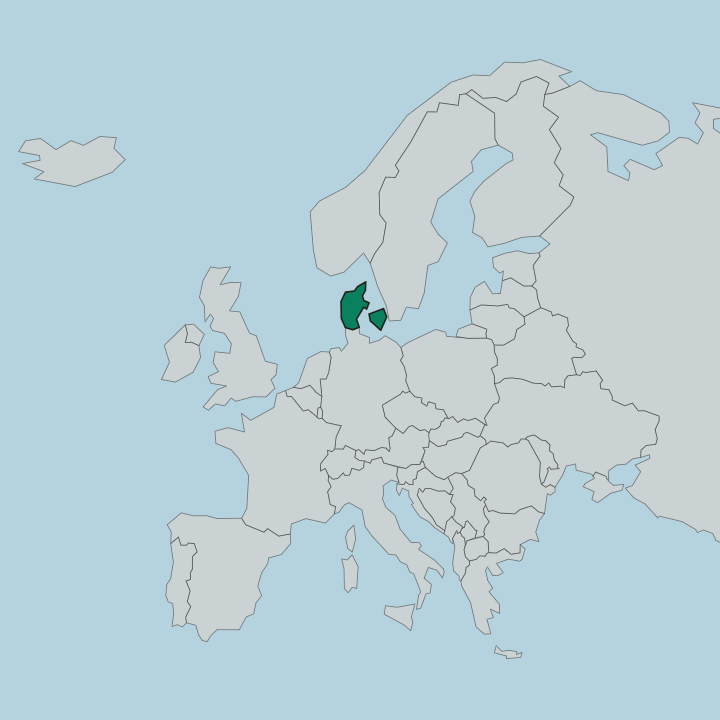
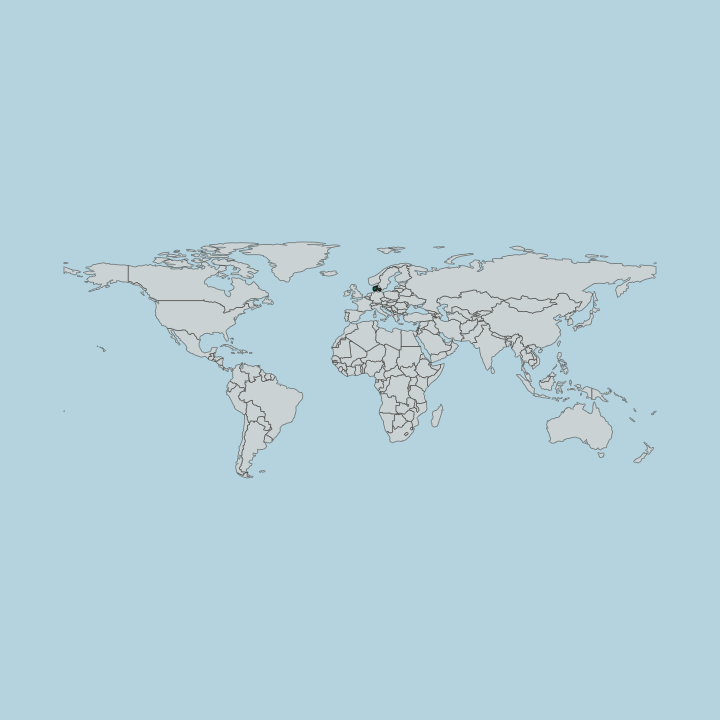
Ikast is a town in central Denmark, on the Jutland peninsula and seat of Ikast-Brande Municipality.
Hotel links are affiliate links: booking through them may earn us a commission, at no extra cost to you. It never affects how places are ranked. How this works


Where to stay in Ikast
The practical side of choosing where to sleep.
Ikast keeps most of its beds in the town centre, the seat of Ikast-Brande Municipality. The core gathers the shops, the station and Ikast Kirke within an easy walk, and it suits you if you want a practical base on the rail line through the western part of Central Denmark with everything close at hand. That makes the centre the default.
Out in the surrounding parishes rooms grow scarce. Bording, with its church Bording Kirke, sits along the railway to one side, while the quarter around Fonnesbæk Kirke spreads at the town's edge, both more residential than lodging. Beds are few on those margins.
Most visitors come on practical trips and sleep in the centre near the station. Want a wider choice? Travellers after more rooms often base themselves in one of the larger Jutland towns and reach Ikast by the through trains, treating it as a calm working stop in the region.
Find hotels in Ikast
Direct booking searches for these neighbourhoods.
Town centre
the municipal seat gathered around Ikast Kirke and the railwayFind hotels in Town centrea quiet stop along the railwayBording
an old parish on the line marked by Bording Kirke west of the town. Few places to stay nearby — book ahead.Find hotels in Bordinga residential edge of townFonnesbæk
a quarter around Fonnesbæk Kirke at the margin of Ikast. Rooms are few around here — worth securing early.Find hotels in FonnesbækHotel links are affiliate links: booking through them may earn us a commission, at no extra cost to you. It never affects how places are ranked. How this works
About Ikast
Ikast is known as a municipal seat.
What is Ikast known for?
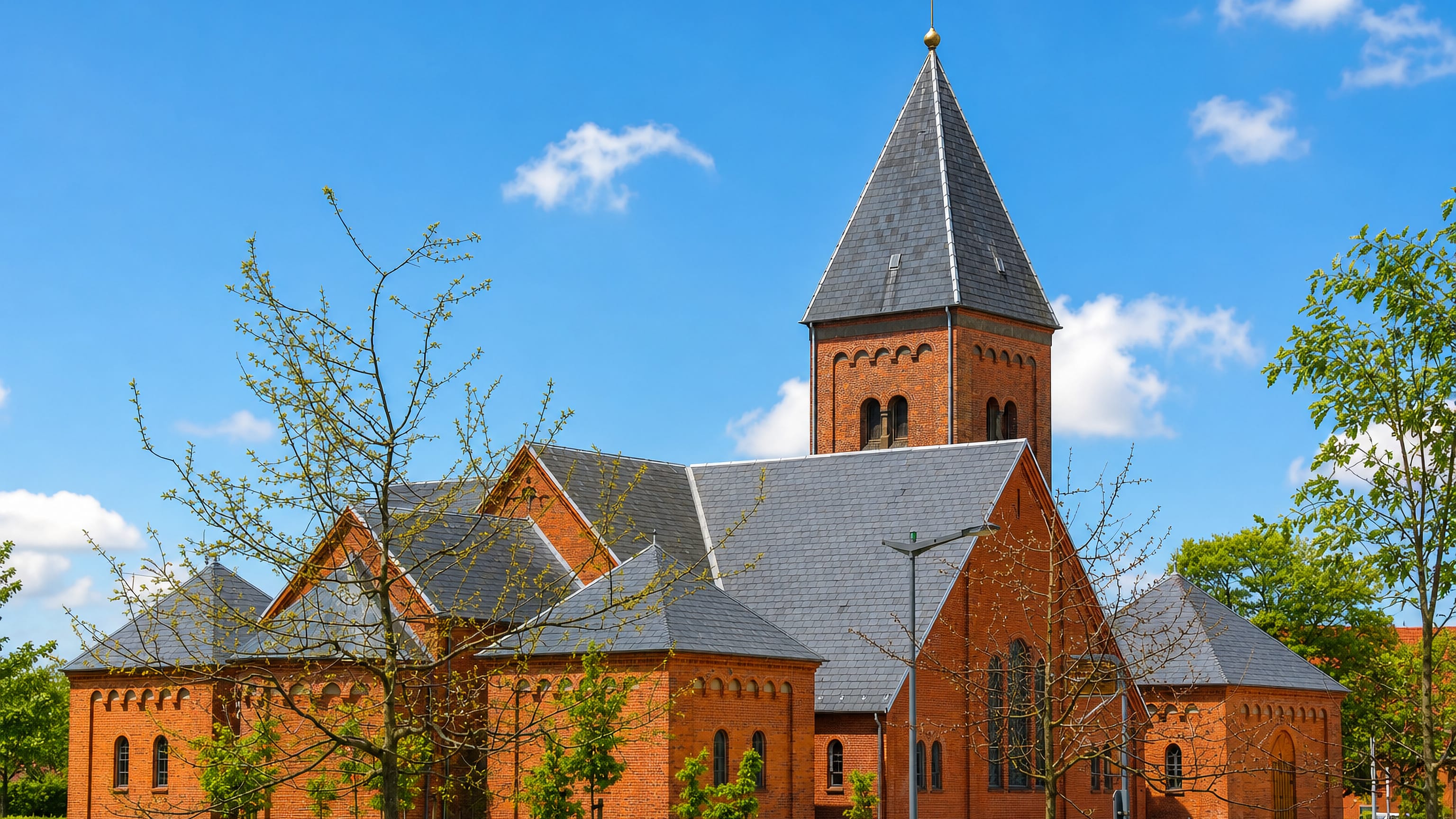
The town heads Ikast-Brande Municipality in the western part of Central Denmark, the administrative centre for a wide stretch of Jutland heath and farmland. Churches mark the town and its parishes. Ikast Kirke stands at the centre, while Bording Kirke and Fonnesbæk Kirke serve the older communities that grew up around it, each a stone landmark of the settlement's parish roots.
What are the main landmarks in Ikast?
Churches mark Ikast and its parishes. Ikast Kirke stands in the town itself, the parish church at the centre of the modern settlement. Two more rise nearby.
Bording Kirke serves the village along the railway to the west, and Fonnesbæk Kirke watches over its quarter at the town's edge, each a stone house of worship raised on the Jutland heath of the western part of Central Denmark. These few churches carry most of the local story.
What is the history of Ikast?
Ikast grew out of the Jutland heath. For most of its past the land here in the western part of Central Denmark was open moor and thin farmland, a scatter of parishes around their stone churches with no large town among them on the peninsula. Ikast Kirke marked one such parish.
The village it served was a modest farming community gathered on the heath, far from the older Danish market towns, working the hard ground around it for generations. Bording and Fonnesbæk, with their churches Bording Kirke and Fonnesbæk Kirke, were neighbouring parishes of the same kind. Then the line arrived.
When the railway crossed Jutland it gave Ikast a station and a reason to grow, and trade and workshops gathered around the track until the parish had become a real town. In the local government reform Ikast and the neighbouring town of Brande were joined into a single municipality, Ikast-Brande Municipality, with Ikast as its seat. From a heath parish it became the administrative centre of its corner of the region.
Where is Ikast?
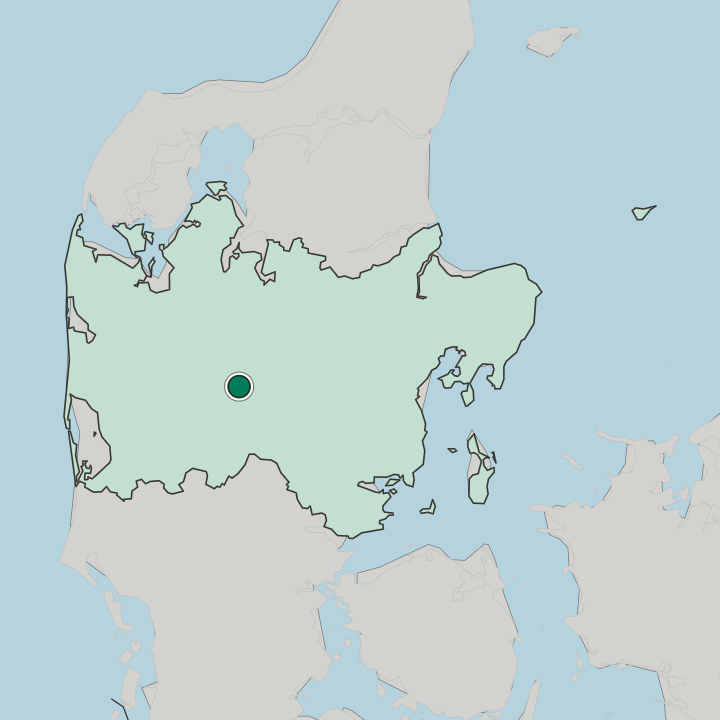
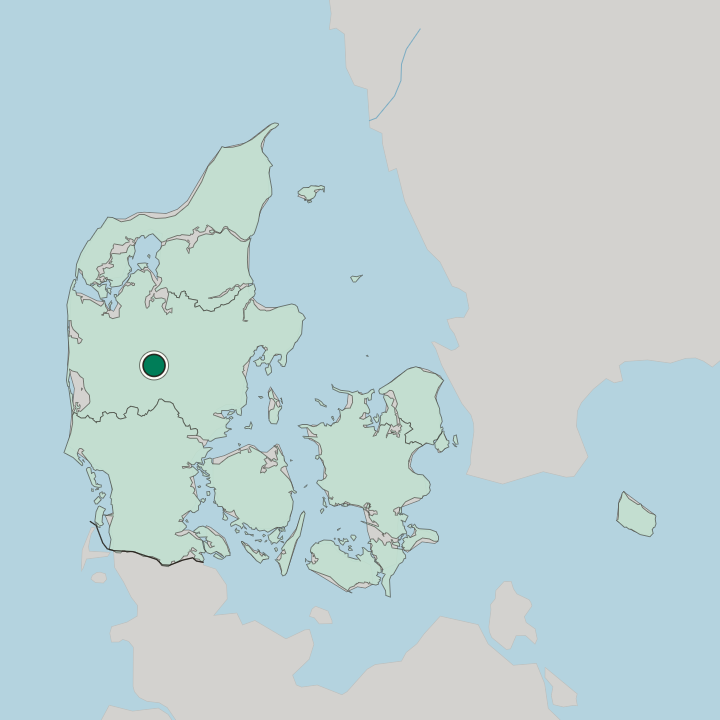
Ikast lies in central Denmark, on the Jutland peninsula, in the western part of Central Denmark. The town sits on open heath country. Its parishes spread around it, with Bording along the railway to the west and the quarter of Fonnesbæk at the town's edge, each holding its own church.
The flat moor and farmland of western Jutland reach away on every side from the built-up core that heads Ikast-Brande Municipality.
What is the climate of Ikast?
Open Jutland weather shapes the year. Ikast lies in the western part of Central Denmark, exposed to the wet maritime air off the western coast, so its winters run mild and grey and its summers cool and changeable over the heath. Wind and rain are frequent.
The longer light of summer brings the churchyards of Ikast Kirke and Bording Kirke into green and draws walkers onto the open moor, while the autumn gales sweep the surrounding Jutland country bare again before the short, dim days of winter close over the town.
How do you get to Ikast?
Rail ties Ikast into Jutland. The town stands on a line crossing the peninsula, with trains stopping at the station in the centre and carrying travellers through the wider Central Denmark region. The platform sits in the heart of town.
Drivers reach Ikast by the roads that thread the western Jutland peninsula, and from the centre it is a short trip out to Bording along the railway or to the church at Fonnesbæk Kirke on the town's edge.
Common questions
What is the best area to stay in Ikast?
Town centre: the station and shops on foot. Bording: a quiet stop along the railway. Fonnesbæk: a residential edge of town.
Good for
More cities in Region Midtjylland
Updated September 2026