Denmark · Region Midtjylland
Where to Stay in Skanderborg, Region Midtjylland
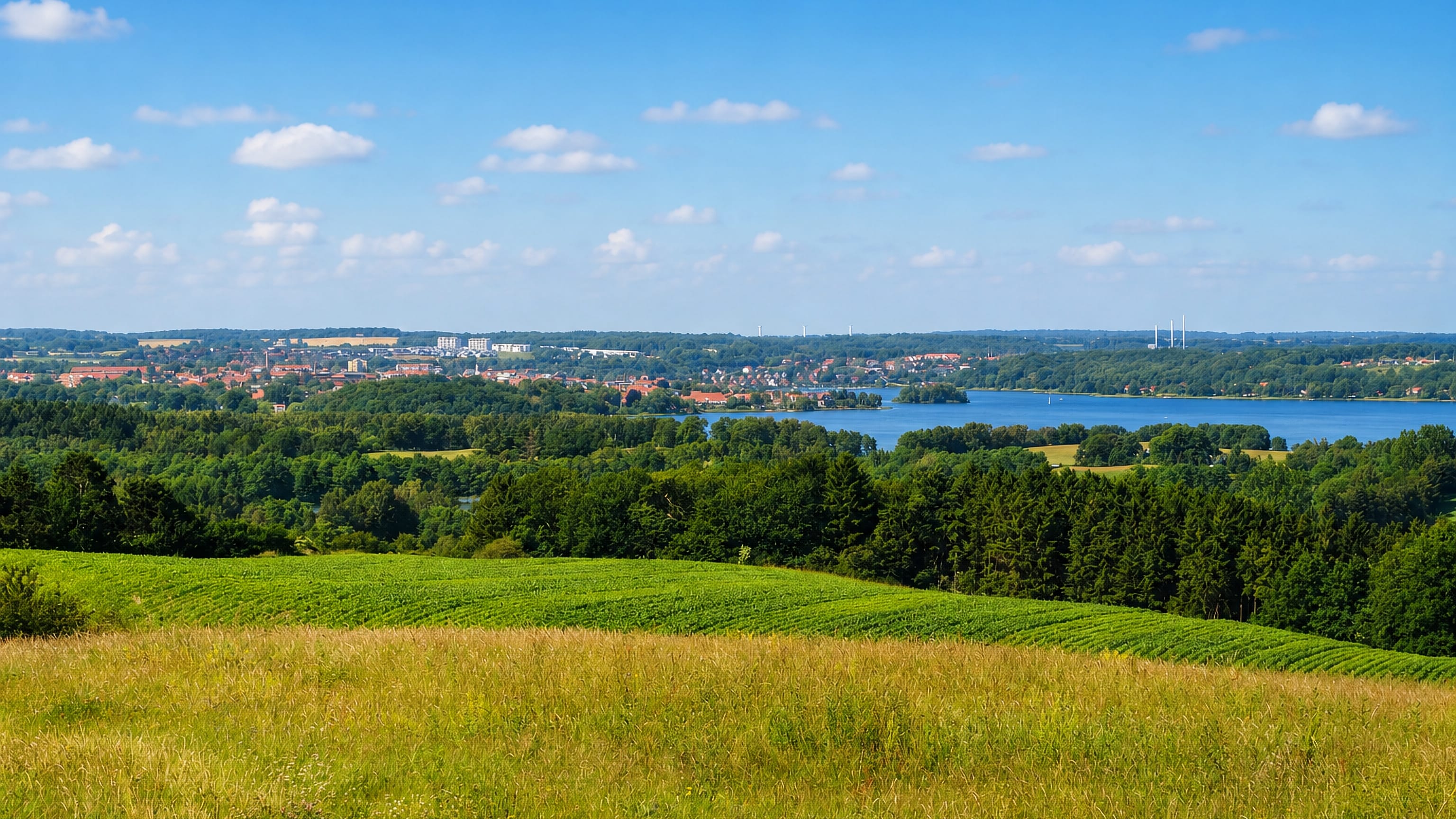
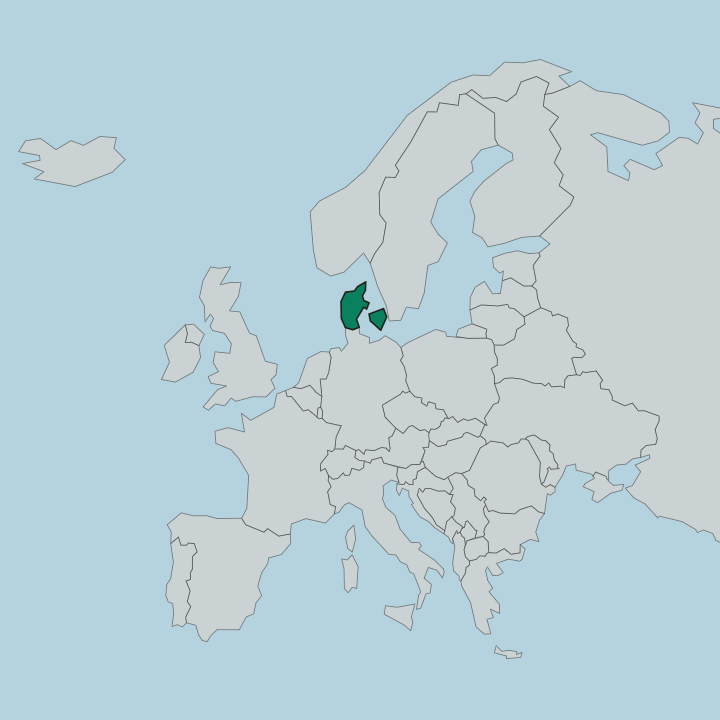
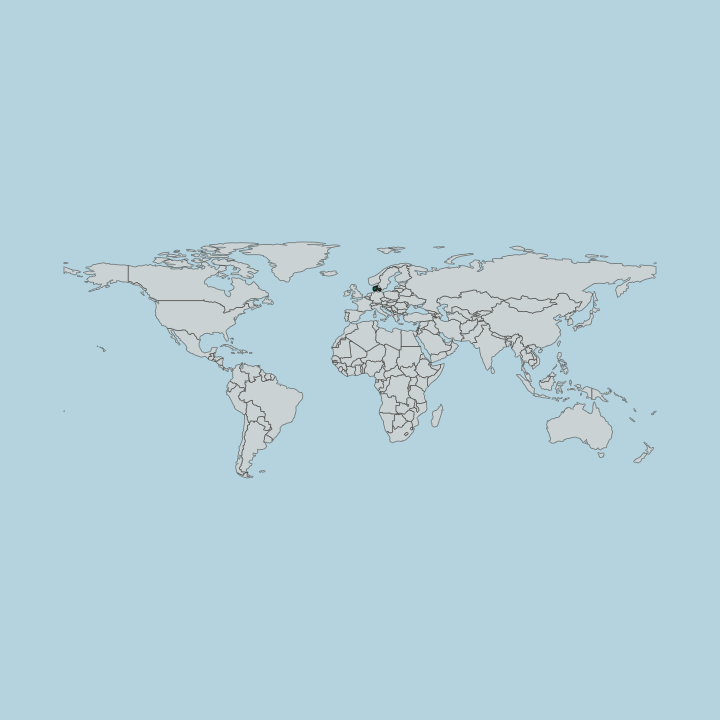
Skanderborg is a lakeside town on the shores of Skanderborg Sø in central Denmark, on the Jutland peninsula.
Hotel links are affiliate links: booking through them may earn us a commission, at no extra cost to you. It never affects how places are ranked. How this works


Where to stay in Skanderborg
The practical side of choosing where to sleep.
Skanderborg sets its beds between the town centre and the lake shore. The compact centre climbs from the water around the Skanderborg Slotskirke and the slotsbanke, where a few town hotels and inns sit within walking reach of the shops, the station and Museum Skanderborg. It suits you if you want the lake at the foot of the streets and Aarhus a short train ride away.
The centre is small and walkable. Closer to the water, lakeside lodgings and a campsite look out over Skanderborg Sø and the smaller pools of Lillesø and Sortesø, busiest through the warm bathing months. Rooms grow scarce when the town fills in summer.
Travellers who find no bed often stay along the rail line at Hørning or Stilling, or in Aarhus itself, and ride the short distance back to the lake.
Find hotels in Skanderborg
Direct booking searches for these neighbourhoods.
Skanderborg centre
town hotels by the Skanderborg Slotskirke and slotsbanke above Skanderborg SøFind hotels in Skanderborg centrea stay looking over the waterLakeside Skanderborg
lodgings and a campsite facing Skanderborg Sø, Lillesø and Sortesø. Lodging is scarce in this area; reserve in advance.Find hotels in Lakeside Skanderborgrail-line overflow bedsHørning and Stilling
stops between Skanderborg and Aarhus, a short ride back to the lake townFind hotels in Hørning and StillingHotel links are affiliate links: booking through them may earn us a commission, at no extra cost to you. It never affects how places are ranked. How this works
Things to do in Skanderborg
Ranked by global recognition; descriptions from Wikidata (CC0).
Museums & Galleries
1- Museum Skanderborg
Churches & Religious Sites
3- Skanderborg Slotskirke
- Skanderup Church
- Fruering Church
Castles & Historic Sites
2- Illerup Ådal Heritage ancient monument
- Ringkloster archaeological site
Stadiums & Sports
1- Skanderborg Fælled
Landmarks & Notable Places
1- Edelsborg
worth knowingacross 5 categories in Skanderborg
About Skanderborg
Skanderborg is known for its lake and its old castle ground.
What is Skanderborg known for?
The town wraps the northern shore of Skanderborg Sø, with smaller waters like Lillesø and Sortesø caught between its streets, and the Skanderborg slotsbanke rising where a royal castle once stood above the lake. One chapel still survives. The Skanderborg Slotskirke is all that remains of that vanished castle, and as the seat of Skanderborg Municipality and a near neighbour of Aarhus, the town joins a working centre to a ring of woods, boglands and water that pulls walkers to the shore.
What are the main landmarks in Skanderborg?
Skanderborg's landmarks gather around the old castle ground. The Skanderborg Slotskirke, last survivor of the royal castle, stands on the slotsbanke above Skanderborg Sø. Museum Skanderborg keeps the town's story nearby.
Centuries of history are layered into Skanderborg's ground. Just north across the expressway lies Illerup Ådal, a famous bog where Iron Age war booty was unearthed, with the older site of Ringkloster close by. Around the surrounding parishes rise the country churches of Fruering Kirke, Skanderup Kirke and the Edelsborg house, while the Skanderborg Bunkerne and the Fælledhallen mark later chapters of the town.
What is the history of Skanderborg?
Skanderborg owes its beginning to a castle on the lake. It was established in the 12th century, growing up below a royal stronghold raised on a low rise, the Skanderborg slotsbanke, that commanded the narrows of Skanderborg Sø. Water guarded it on three sides.
The castle drew kings and a market to its gates, and the surrounding land carried far older marks, from the Iron Age weapon offerings drowned in the bog at Illerup Ådal to the stone-age camp at Ringkloster, while parish churches like Fruering Kirke and Skanderup Kirke served the farms around the lake. In time the castle fell and was pulled down, leaving only its chapel, the Skanderborg Slotskirke, standing on the bare mound. The town carried on as a quiet market place above the water.
The railway and then the expressway pulled it toward Aarhus to the north-east, and modern Skanderborg spread along the shore and the line, with the Skanderborg Bunkerne from a later war and Museum Skanderborg keeping the long record by the lake.
Where is Skanderborg?
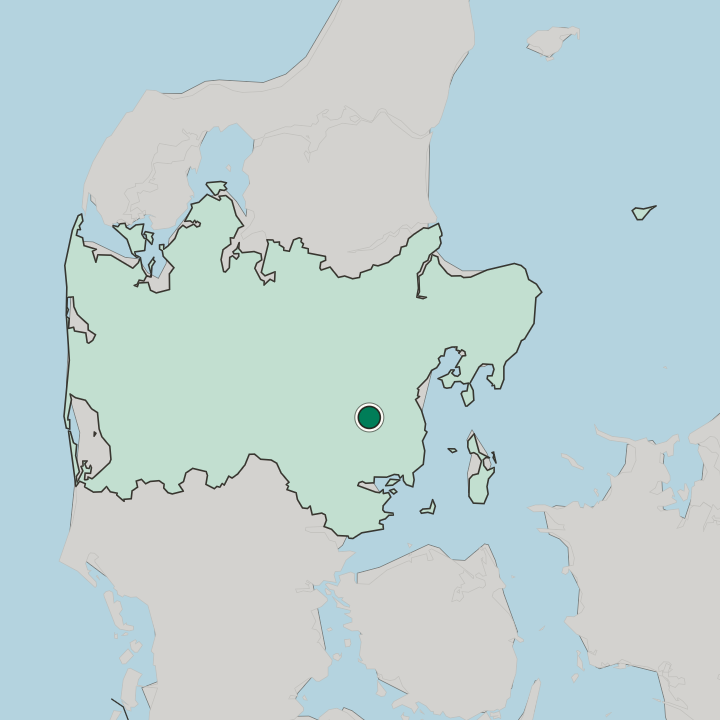
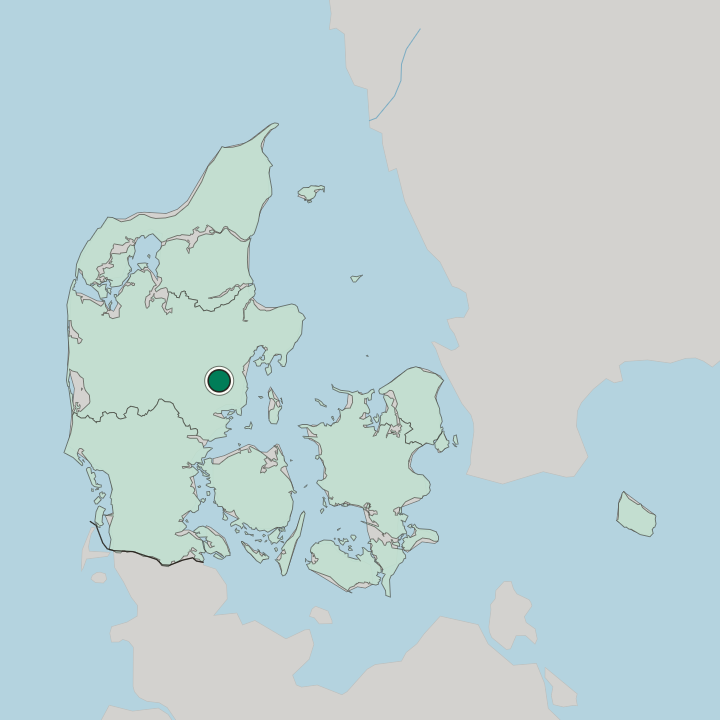
Skanderborg lies in central Denmark, on the Jutland peninsula, on the north and north-eastern brinks of Skanderborg Sø. Water rings the town. Smaller pools and boglands break up the built-up area, among them Lillesø, Sortesø and the marshy Eskebæk Mose, while wooded hills rise around the lake.
North across the E45 expressway opens the bog valley of Illerup Ådal, and the town runs out toward Aarhus through Hørning and Stilling on the line.
What is the climate of Skanderborg?
The lake softens the seasons here. Lying inland on the Jutland peninsula, Skanderborg keeps a cool, changeable maritime climate, with grey, damp winters and mild summers that warm Skanderborg Sø enough to draw swimmers to its edges. Mist often hangs over the water at dawn.
Spring comes slowly to the wooded slopes and the boglands of Eskebæk Mose around the town, and the long light of midsummer keeps the lakeside paths and the slotsbanke busy late into the evening before the autumn rains close in.
How do you get to Skanderborg?
The rail line ties Skanderborg to the city. Trains run from the town station north-east to Aarhus in a short ride and south down the main Jutland line, stopping at Hørning and Stilling along the way. The platform sits near the lake.
Drivers reach the town on the E45 expressway that passes just north past Illerup Ådal, and the nearest large airport lies near Aarhus to the north-east. Cyclists follow the shore paths around Skanderborg Sø out into the wooded country.
Common questions
What is the best area to stay in Skanderborg?
Skanderborg centre: the lakeside old town on foot. Lakeside Skanderborg: a stay looking over the water. Hørning and Stilling: rail-line overflow beds.
Good for
More cities in Region Midtjylland
Updated October 2026