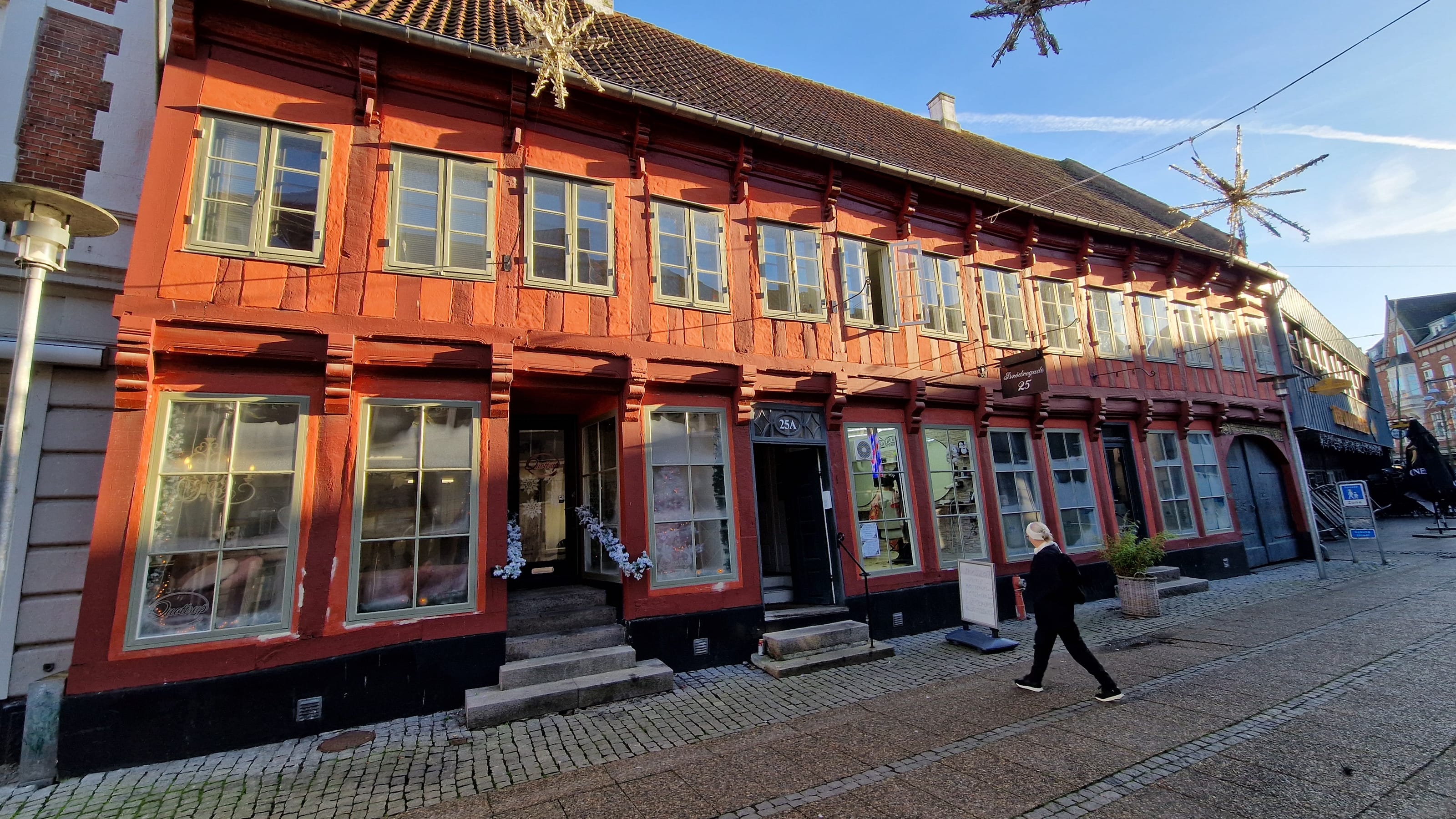
Denmark · Region Midtjylland
Where to Stay in Randers, Region Midtjylland
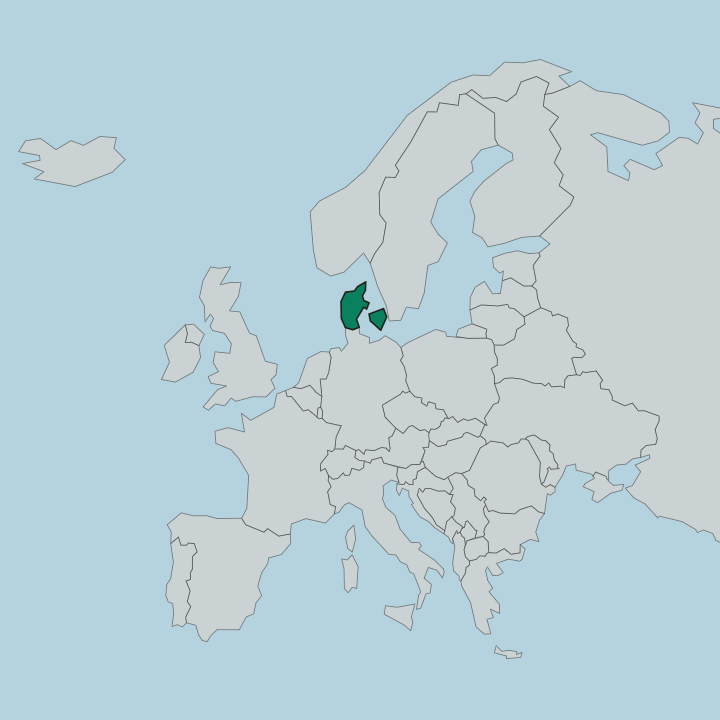
Randers is a river city in central Denmark, on the Jutland peninsula, at the mouth of the Gudenå.
Hotel links are affiliate links: booking through them may earn us a commission, at no extra cost to you. It never affects how places are ranked. How this works


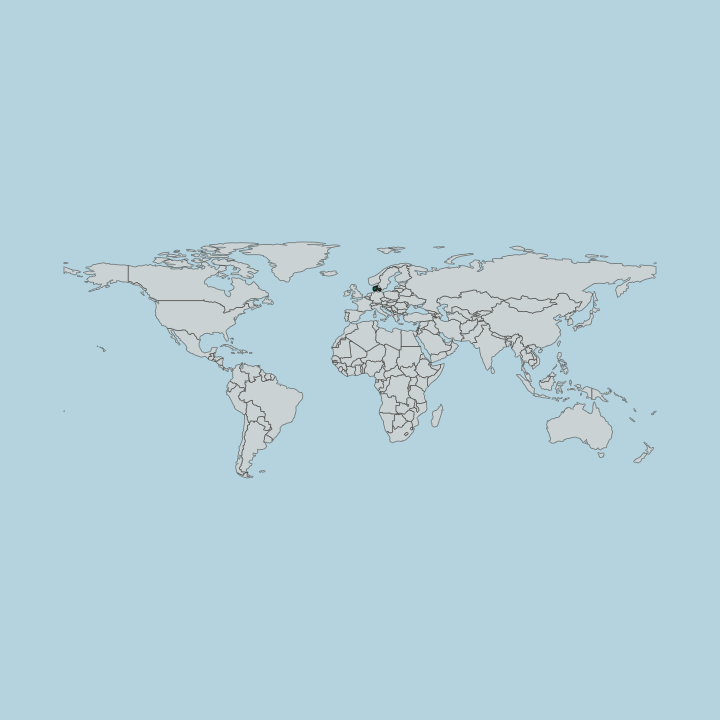
Where to stay in Randers
Not every neighbourhood fits every trip — here's what each one is good for.
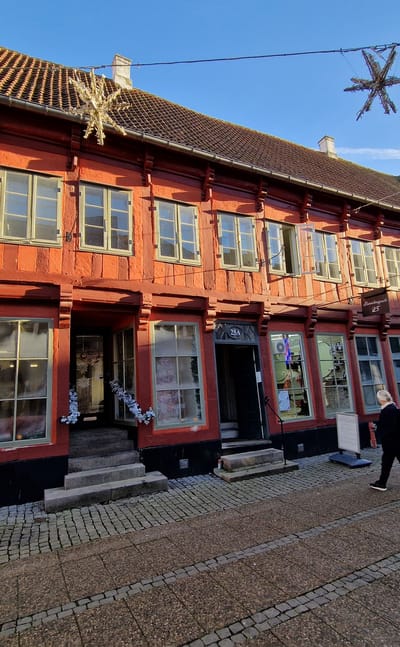
 RandersDenmark
Randers C
Randers C is the central district of Randers, the old core of the city in central Denmark.Where to stay →RandersDenmarkDronningborg
Dronningborg is a northern district of Randers in central Denmark, on the Jutland peninsula, and the site of Dronningborg Kirke.Where to stay →Hotel links are affiliate links: booking through them may earn us a commission, at no extra cost to you. It never affects how places are ranked. How this works
Find hotels in Randers
Direct booking searches for these neighbourhoods.
Old centre
hotels by Sankt Mortens Kirke and Randers KunstmuseumFind hotels in Old centredrivers crossing the GudenåRiverside and bridges
rooms over the river toward Kristrup KirkeFind hotels in Riverside and bridgesevent and sport stays with parkingArena edge
practical beds beside Arena Randers and the motorwayFind hotels in Arena edgeHotel links are affiliate links: booking through them may earn us a commission, at no extra cost to you. It never affects how places are ranked. How this works
Things to do in Randers
Ranked by global recognition; descriptions from Wikidata (CC0).
Museums & Galleries
3- Memphis Mansion Elvis museum
- Randers Museum of Art Museum for Danish art
- Sparebøssemuseet
Churches & Religious Sites
3- St Martin's Church
- Kristrup Church
- Sankt Peders Kirke
Stadiums & Sports
1- Arena Randers sports facility complex
worth knowingacross 3 categories in Randers
About Randers
What is Randers known for?
Randers is a market and river town in the north-eastern part of Central Denmark, the seat of its municipality on the Jutland peninsula. The river made it. It stands at the mouth of the Gudenå, the longest river in Denmark, where the water once carried trade down to the sea and gave the old town its harbour and its fortunes.
Sankt Mortens Kirke marks the medieval centre, Randers Kunstmuseum holds its Danish art, and one curiosity sets the place apart: Memphis Mansion, a museum to Elvis Presley built beside the river road.
What are the main landmarks in Randers?
The sights spread along the river town. Sankt Mortens Kirke rises in red brick at the medieval heart, the oldest church among the old lanes, with Sankt Peders Kirke and Kristrup Kirke serving the wider parishes. Randers Kunstmuseum shows Danish painting, while Museum Østjylland Randers keeps the town's own history and GAIA Museum Outsider Art gathers work from beyond the mainstream.
The oddest draw is Memphis Mansion. This museum to Elvis Presley stands by the river road, a piece of American memory on the Gudenå. Sport fills Arena Randers on the western edge.
What is the history of Randers?
Randers was established in the 11th century at the mouth of the Gudenå. The river was the reason. The longest river in Denmark reached the sea here, and the crossing and the harbour drew trade and a market town up onto the north bank, where the old lanes still climb from the water.
Sankt Mortens Kirke rose with the medieval town. The red-brick church anchored a busy port that shipped goods down the Gudenå and out along the Jutland coast, and the town grew rich on the river trade through the centuries that followed. Sankt Peders Kirke and the parish of Kristrup near Kristrup Kirke spread the settlement along both banks.
Industry came to the riverside in time, filling the slopes with works and houses, and the museums followed to hold the town's memory. Randers Kunstmuseum gathered Danish art, Museum Østjylland Randers kept the regional history, and the unlikely Memphis Mansion brought a shrine to Elvis Presley to the river road. Through all of it the Gudenå stayed central.
Randers remains a river town and market centre of north-eastern Jutland, turned toward the water that built it.
Where is Randers?
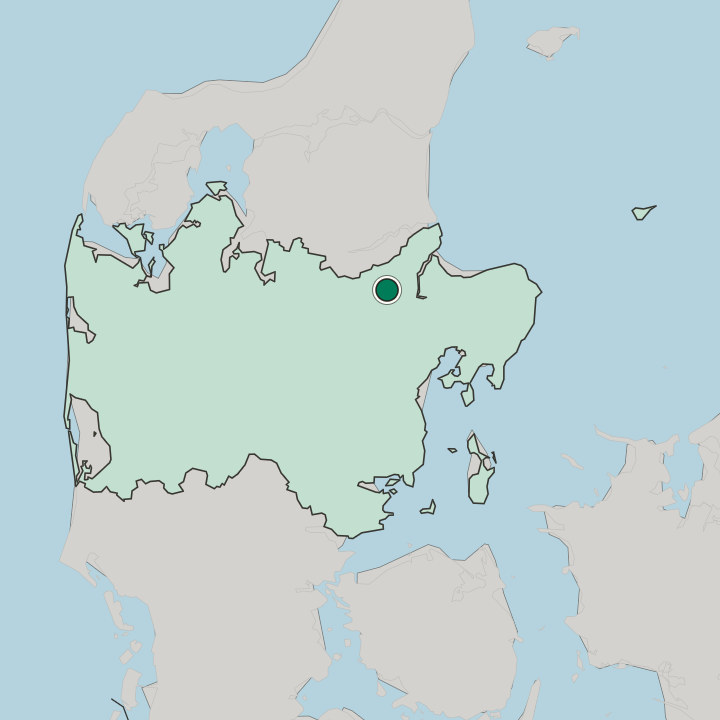
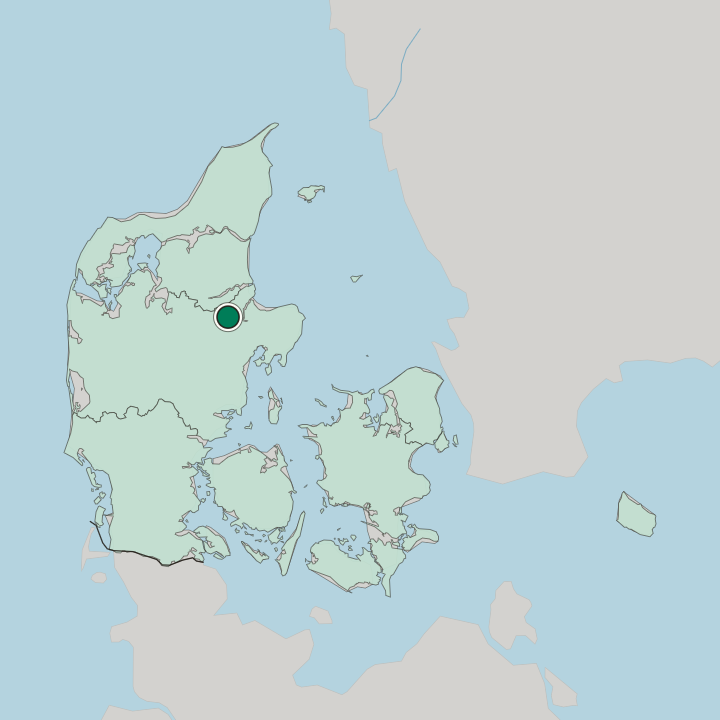
Randers lies at the mouth of the Gudenå, in the north-eastern part of Central Denmark on the Jutland peninsula. The river splits the town. The old centre climbs the north bank above the water, and the suburb of Kristrup spreads across the river to the south near Kristrup Kirke, with bridges binding the two banks.
Low hills rise from the valley on either side. East of the town the Gudenå widens toward a fjord and the sea, while the rest of Jutland runs inland to the west, with Aarhus to the south.
What is the climate of Randers?
Randers has the mild, damp weather of inland Jutland. Winters stay cool and grey, the frost coming and going rather than locking in hard along the sheltered valley of the Gudenå, while summers turn moderate and green under the long northern daylight that holds light over the river and the low hills late into the evening. Rain falls across every season.
The valley draws the wind along the water, so gusts run up and down the river through the town.
How do you get to Randers?
Trains and roads reach it easily. Randers sits on the main Jutland rail line north of Aarhus, with frequent services running south to the second city and on toward the rest of the peninsula, so the station stands a short walk from the river centre. Buses link the town to the surrounding parishes and across the Gudenå to Kristrup.
Drivers come on the motorway that runs the length of Jutland, and the regional airport near Aarhus to the south connects the town to the wider network, an easy ride down the line.
Common questions
What is the best area to stay in Randers?
Old centre: the medieval streets on foot. Riverside and bridges: drivers crossing the Gudenå. Arena edge: event and sport stays with parking.
Good for
More cities in Region Midtjylland
Updated October 2026