Denmark · Region Midtjylland
Where to Stay in Skive, Region Midtjylland
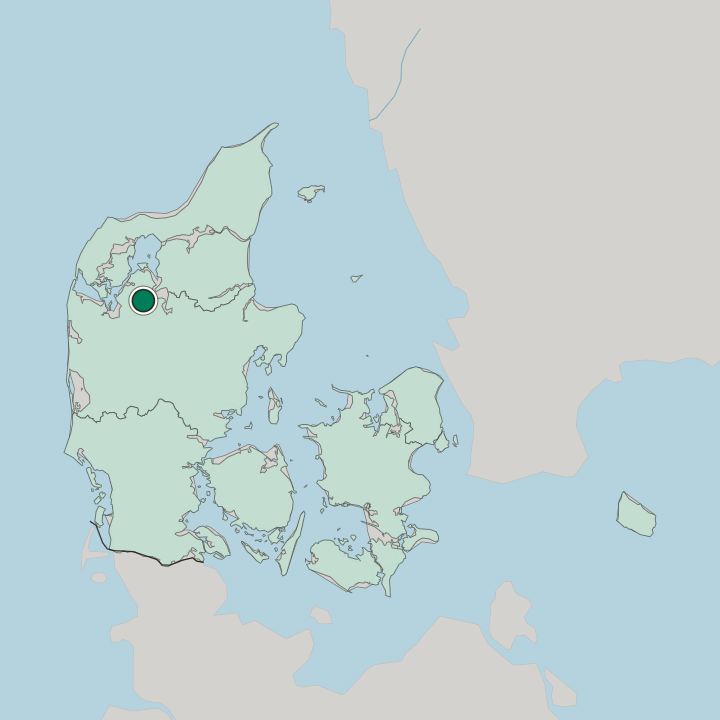
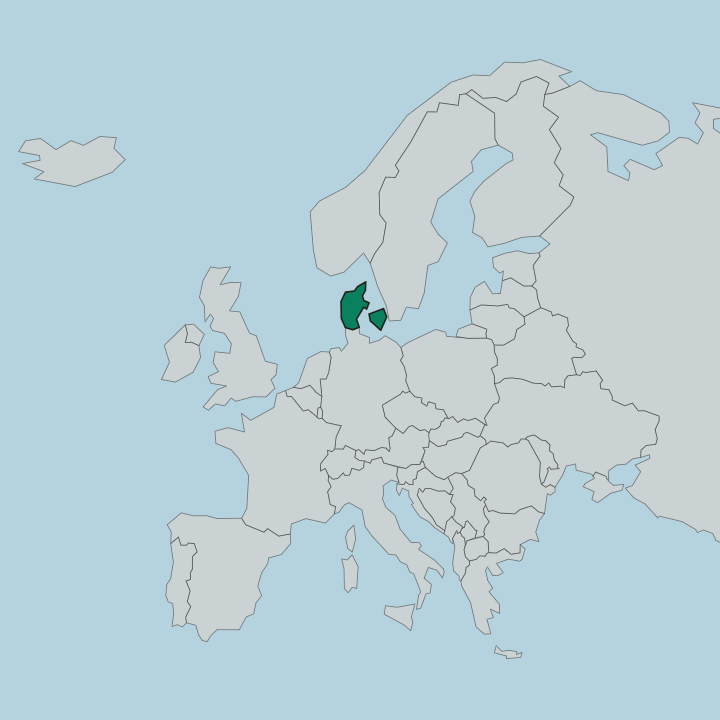
Skive is a market town in central Denmark, on the Jutland peninsula and seat of Skive Municipality.
Hotel links are affiliate links: booking through them may earn us a commission, at no extra cost to you. It never affects how places are ranked. How this works


Where to stay in Skive
How the choice of base plays out on the ground.
Skive holds most of its beds in the town centre, the market core of the municipality it heads. The centre gathers the shops, the station and the Skive Museum within an easy walk, and it suits you if you want a practical base on the rail line through this north-western part of Central Denmark with everything close at hand. The market core is the obvious choice.
Out in the old parishes the picture changes and rooms grow scarce. Egeris and Resen, each with its medieval church in Egeris Kirke and Resen Kirke, are residential quarters of houses rather than hotels, while Dommerby and its Dommerby Kirke sit in open country beyond the town. Beds are few on those edges.
Travellers come mainly for the town and its museum, sleeping in the centre and walking out to the churches. Want a wider range? Visitors after more rooms often base themselves in one of the larger Jutland towns and reach Skive by the through trains, treating it as a calm market stop in the region.
Find hotels in Skive
Direct booking searches for these neighbourhoods.
Town centre
the trading core around Skive Museum, the shops and the stationFind hotels in Town centrea quiet residential stay by Egeris KirkeEgeris
an old parish quarter around the medieval Egeris Kirke at the town's edge. Rooms are few around here — worth securing early.Find hotels in Egerisa parish church on the outskirtsResen
a residential quarter marked by Resen Kirke north of the market core. Beds are limited here, so book early.Find hotels in ResenHotel links are affiliate links: booking through them may earn us a commission, at no extra cost to you. It never affects how places are ranked. How this works
About Skive
Skive is known as a market town.
What is Skive known for?
It serves as the trading and administrative seat of its municipality in the north-western part of Central Denmark, with the Skive Museum keeping the local story at its heart. Old churches ring the town. The medieval Egeris Kirke and Resen Kirke stand in the parishes that grew into the modern town, while Dommerby Kirke watches over the country beyond, each a stone marker of the older Jutland settlement.
What are the main landmarks in Skive?
Churches and a museum mark Skive. The Skive Museum keeps the cultural history of the town and its country at the centre, the gathering point for the local story. Old churches stand around it.
Egeris Kirke and Resen Kirke serve the parishes that grew into the modern town, while Dommerby Kirke watches over the open ground beyond, each a medieval stone house of worship raised on the north-western Jutland peninsula long before the present market town took its modern shape.
What is the history of Skive?
Skive grew from old parish ground. The town took shape in the north-western part of Central Denmark, where scattered farming parishes on the Jutland peninsula each kept their own stone church long before any market gathered them together. Those churches still stand.
Egeris Kirke, Resen Kirke and Dommerby Kirke mark the medieval communities that worked the surrounding land for centuries, separate villages with no large town among them. A market drew them in. Trade gathered at Skive as a meeting point for the farms of the district, and the settlement slowly grew from a parish into a market town, taking in the older quarters of Egeris and Resen as it spread.
The railway crossing Jutland gave the town its station and a reason to grow further, drawing trade and people from the country about it. The Skive Museum was raised to hold the story of that long change from heath and parish to market town. Skive holds its place as the seat of its municipality in this corner of the region.
Where is Skive?
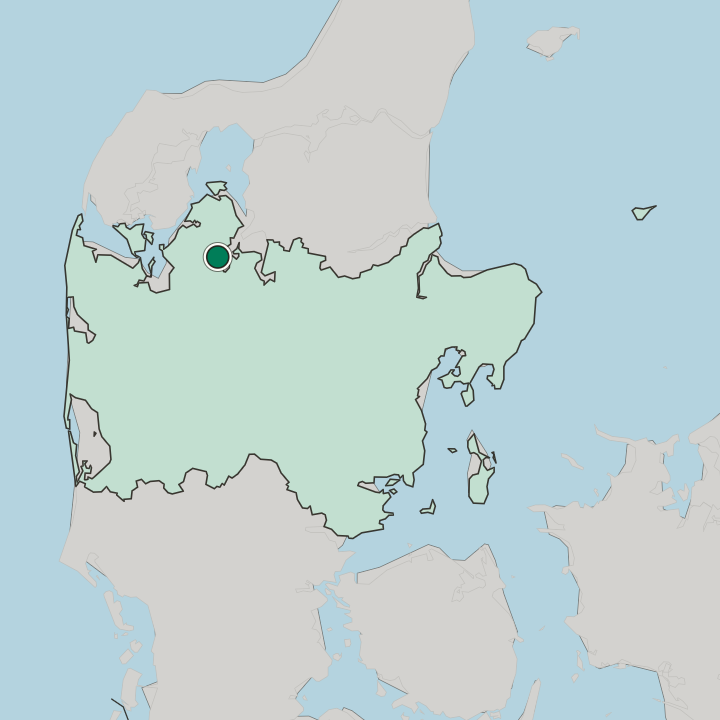
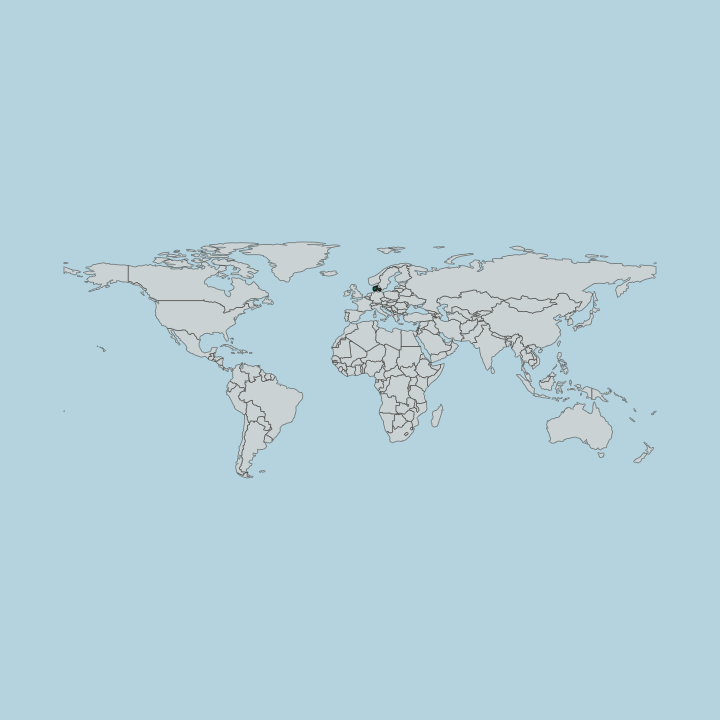
Skive lies in central Denmark, on the Jutland peninsula, in the north-western part of Central Denmark. The market town sits among farming country. Its parishes spread around it, with Egeris and Resen close to the centre and Dommerby out in the open ground beyond, each holding its own medieval church.
The flat western Jutland land of heath and field reaches away on every side from the built-up core that forms the heart of the municipality.
What is the climate of Skive?
Western Jutland weather shapes the year. Skive lies in the north-western part of Central Denmark, open to the wet maritime air off the western coast, so its winters run mild and grey and its summers cool and changeable over open country. Rain comes often on the wind.
The longer light of summer brings the churchyards of Egeris and Resen and the streets around the Skive Museum into green, while the autumn gales strip the surrounding Jutland fields bare again before the short, dim days of winter settle over the town.
How do you get to Skive?
Rail ties Skive into Jutland. The town stands on a line crossing the peninsula, with trains stopping at the station in the centre and carrying travellers through the wider Central Denmark region. The platform sits in the market core.
Drivers reach Skive by the roads that thread the north-western Jutland peninsula, and from the centre it is a short trip out to the parish churches of Egeris Kirke and Resen Kirke or further to Dommerby Kirke in the open country.
Common questions
What is the best area to stay in Skive?
Town centre: the market and the museum on foot. Egeris: a quiet residential stay by Egeris Kirke. Resen: a parish church on the outskirts.
Good for
More cities in Region Midtjylland
Updated September 2026