Denmark · Region Midtjylland
Where to Stay in Holstebro, Region Midtjylland
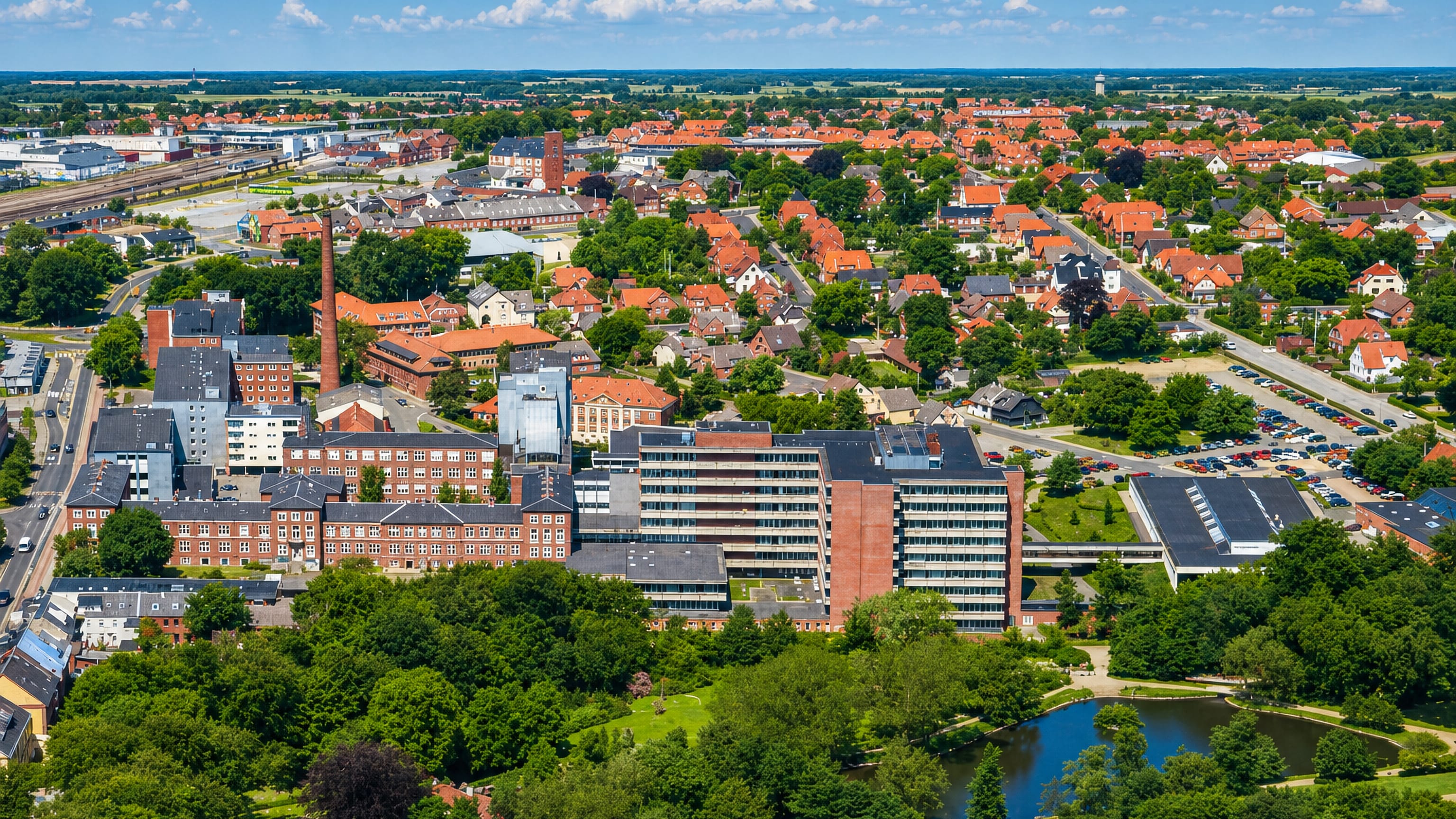
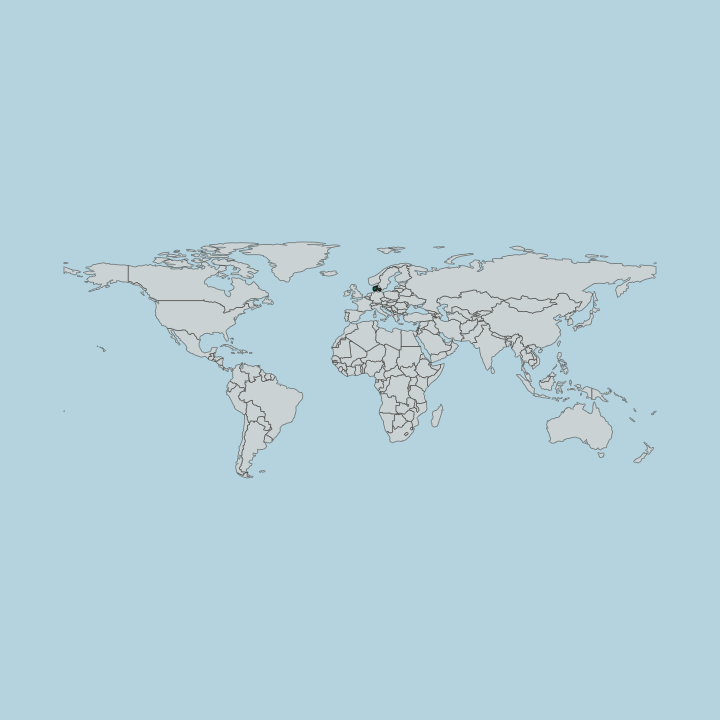
Holstebro is a town in western Denmark, on the Jutland peninsula, bisected by the river Storåen.
Hotel links are affiliate links: booking through them may earn us a commission, at no extra cost to you. It never affects how places are ranked. How this works


Where to stay in Holstebro
Where visitors usually base themselves, and why.
Holstebro keeps most of its beds in the town centre, the main town of the municipality it heads. The core gathers on the south bank of Storåen around Holstebro Kirke, with the Holstebro Kunstmuseum and the Huset for Kunst og Design close by, and it suits you if you want the museums and the riverside walks on foot. The riverside centre is the obvious base.
Across the river the newer Nørreland quarter spreads out around Nørrelandskirken, more residential and quieter, while the suburb of Mejdal sits further out by Mejdal Kirke among houses rather than hotels. Beds grow scarce on those edges. The Holstebro Museum and the art galleries draw day visitors who sleep in the centre and walk in along the Storåen.
Need a calmer night? Travellers wanting room and quiet sometimes stay over toward Mejdal and ride in to the riverside core for the museums and the shops each morning.
Find hotels in Holstebro
Direct booking searches for these neighbourhoods.
Town centre
the south-bank core around Holstebro Kirke and the Holstebro Kunstmuseum beside StoråenFind hotels in Town centrea quieter stay across the riverNørreland
the newer north-bank quarter around the modern Nørrelandskirken. Rooms are few around here — worth securing early.Find hotels in Nørrelandroom and quiet on the edgeMejdal
an outer suburb by Mejdal Kirke away from the riverside centre. Rooms are few around here — worth securing early.Find hotels in MejdalHotel links are affiliate links: booking through them may earn us a commission, at no extra cost to you. It never affects how places are ranked. How this works
Things to do in Holstebro
Ranked by global recognition; descriptions from Wikidata (CC0).
Museums & Galleries
2- Holstebro kunstmuseum Danish art museum
- Holstebro Museum Danish cultural history museum
Churches & Religious Sites
3- Holstebro Church
- Nørrelandskirken
- Mejdal Church
worth knowingacross 2 categories in Holstebro
About Holstebro
Holstebro is known for its art.
What is Holstebro known for?
The Holstebro Kunstmuseum and the Huset for Kunst og Design fill the centre with exhibitions, while the Holstebro Museum sets out the cultural history of this corner of western Jutland. The Storåen runs through it all. Storåen cuts the town in two, with the old Holstebro Kirke on one bank, and the modern Nørrelandskirken rises on the other side as a landmark of the newer quarters.
What are the main landmarks in Holstebro?
Art and churches mark Holstebro. The Holstebro Kunstmuseum and the Holstebro Museum hold painting and the local past, while the Huset for Kunst og Design shows design work in the centre. Churches stand on both banks.
Holstebro Kirke watches over the old core, the modern Nørrelandskirken anchors the Nørreland quarter, and Mejdal Kirke serves the outer suburb, all of them set within reach of Storåen as it runs through the heart of this western Jutland town.
What is the history of Holstebro?
Holstebro grew up at a river crossing. The town took shape in the north-western part of Central Denmark where roads through western Jutland met the Storåen, and the river that still cuts the place in two gave it both its mill power and its market. The old core grew on the south bank.
Around Holstebro Kirke the early town gathered as a trading place for the farms of the surrounding heath, a modest market on the peninsula far from the larger Danish cities to the east. Fire and flood reshaped it more than once over the centuries, as they did so many timber towns set on a river, and little of the oldest fabric survived into the modern age. Holstebro made its later name through art instead.
In the twentieth century the town set sculpture in its streets and built the Holstebro Kunstmuseum, the Holstebro Museum and the design house Huset for Kunst og Design, while the city spread north over the Storåen into the Nørreland quarter around Nørrelandskirken and out to the suburb of Mejdal. From a river-crossing market it became the seat of its municipality.
Where is Holstebro?
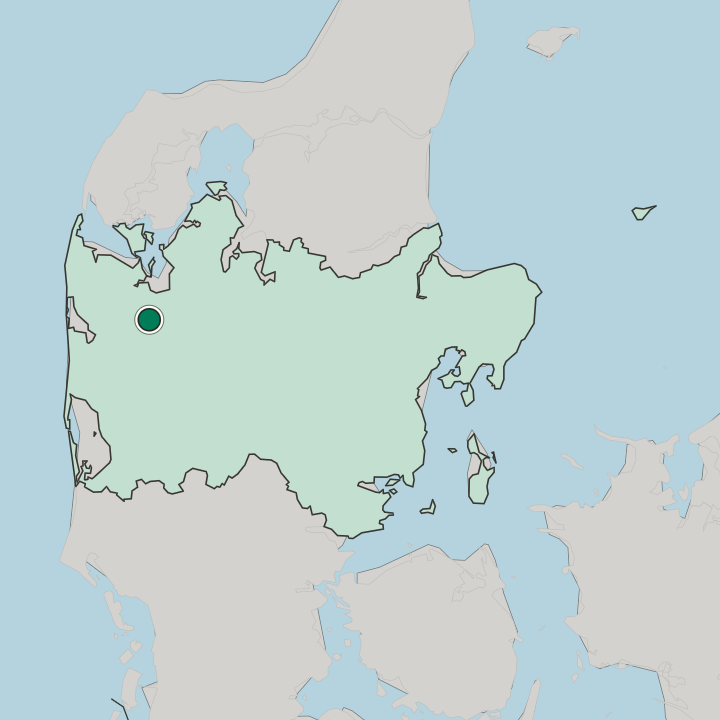
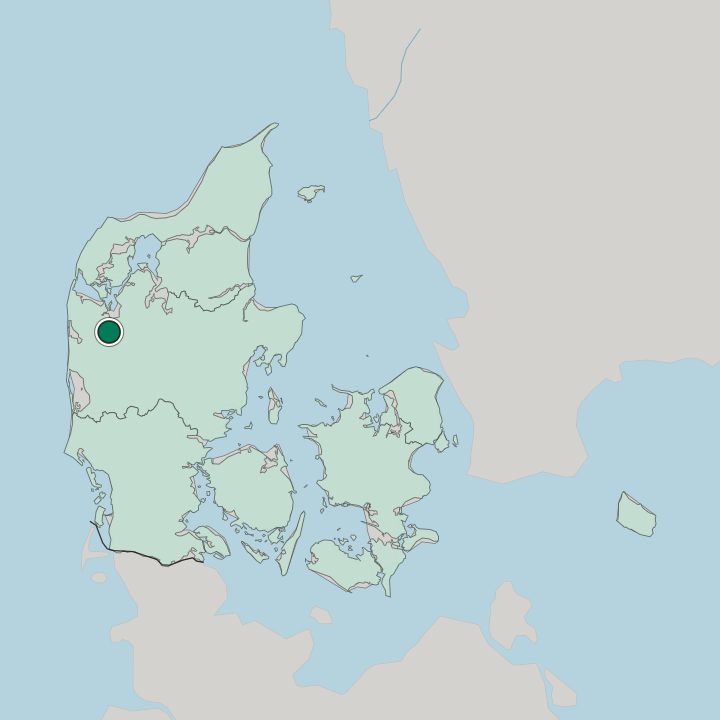
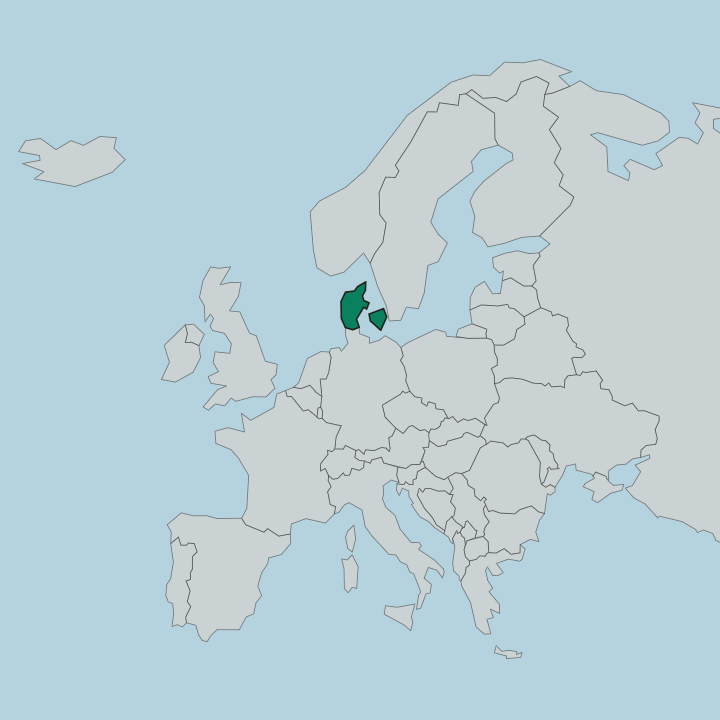
Holstebro lies in western Denmark, on the Jutland peninsula, in the north-western part of Central Denmark. The river splits the town. Storåen runs through the centre, the old core and Holstebro Kirke on the south bank and the Nørreland quarter around Nørrelandskirken on the north, with the suburb of Mejdal set further out by Mejdal Kirke.
Flat heath and farmland of western Jutland spread away on every side.
What is the climate of Holstebro?
The North Sea side of Jutland sets the weather. Holstebro lies in the north-western part of Central Denmark, open to the wet, windy maritime air that rolls in off the western coast, so its winters are mild and grey and its summers cool and changeable. Rain is a constant companion.
Storåen runs high and brown after the autumn gales, the long summer light brings walkers to the riverside paths through the centre, and the flat western Jutland country around Mejdal turns green and then bare again with the turning year.
How do you get to Holstebro?
Rail and road reach Holstebro through western Jutland. Trains run to the town on a line crossing the peninsula, and the station sits a short walk from the centre and the Storåen for arrivals heading to the museums. The platform lands you near the river.
Drivers come by the roads that thread north-western Jutland and link Holstebro with the wider Central Denmark region, and from the centre it is a quick trip over the river to Nørrelandskirken or out to the suburb of Mejdal.
Common questions
What is the best area to stay in Holstebro?
Town centre: the riverside museums on foot. Nørreland: a quieter stay across the river. Mejdal: room and quiet on the edge.
Good for
More cities in Region Midtjylland
Updated October 2026