Denmark · Region Midtjylland
Where to Stay in Odder, Region Midtjylland
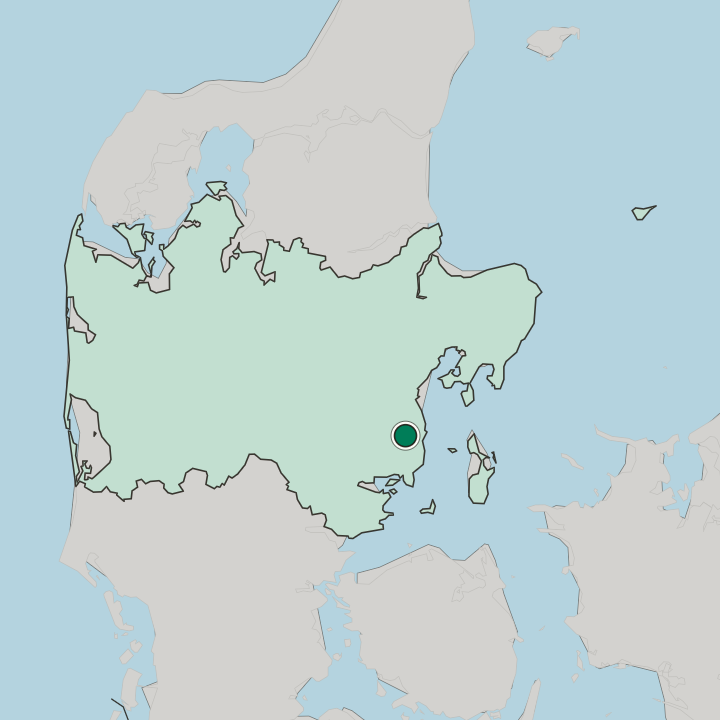
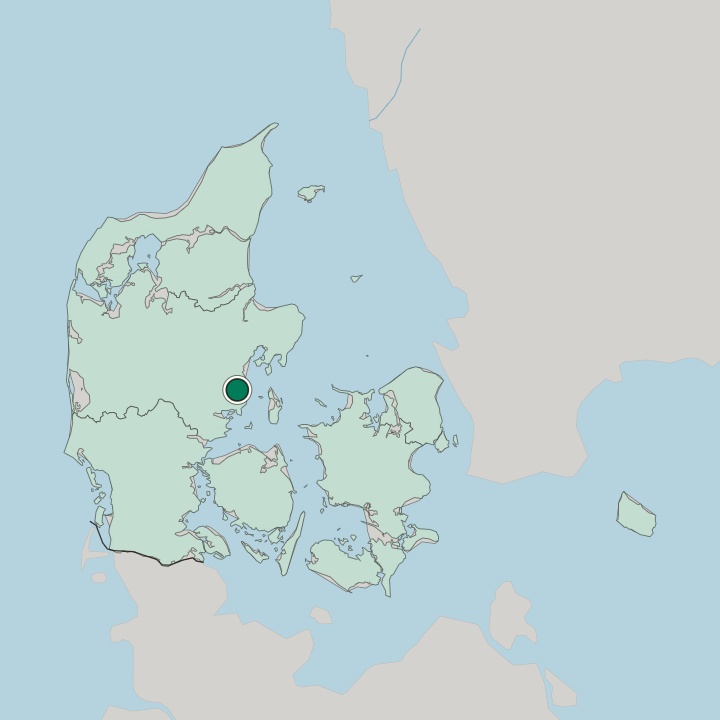
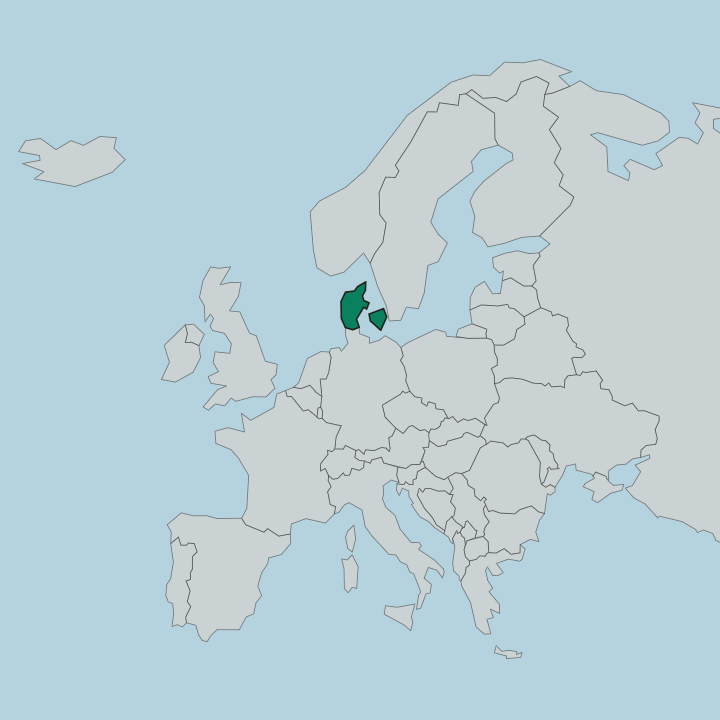
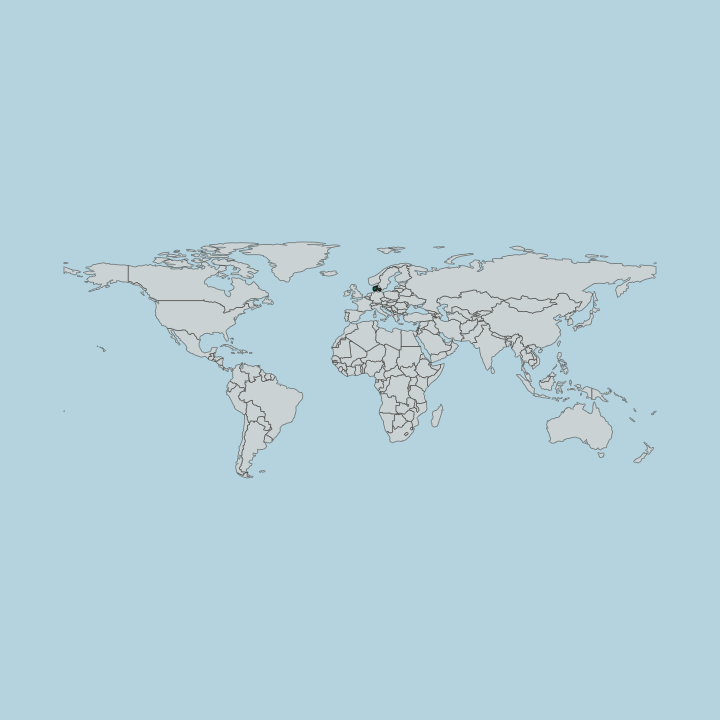
Odder is an inland market town south of Aarhus in central Denmark, on the Jutland peninsula.
Hotel links are affiliate links: booking through them may earn us a commission, at no extra cost to you. It never affects how places are ranked. How this works


Where to stay in Odder
Where visitors usually base themselves, and why.
Odder gathers its beds in and around a compact centre. The core sits along the trading streets by Odder Kirke, where a town hotel and a handful of inns stand within walking reach of the shops, the square and Odder Museum. It suits you if you want a quiet base south of Aarhus with the city a short hop up the road.
Odder itself is a small town. Beyond the centre, farm stays and holiday lets scatter through the parishes of Odder Municipality, out toward villages like Nølev and Randlev on the open Jutland farmland. Rooms are few, so the town fills quickly when the region is busy.
Travellers who want more choice often base themselves in Aarhus to the north or near Skanderborg, and drive the short distance down to Odder.
Find hotels in Odder
Direct booking searches for these neighbourhoods.
Odder centre
a town hotel and inns by Odder Kirke and Odder Museum in the trading core. Lodging is scarce in this area; reserve in advance.Find hotels in Odder centrerural farm staysOdder parishes
holiday lets across Odder Municipality toward the villages of Nølev and Randlev. Few places to stay nearby — book ahead.Find hotels in Odder parishescity beds with onward reachAarhus
the big city north of Odder, a short drive up from the market townFind hotels in AarhusHotel links are affiliate links: booking through them may earn us a commission, at no extra cost to you. It never affects how places are ranked. How this works
About Odder
Odder is known as the market town of its corner of Jutland.
What is Odder known for?
It is the seat and largest town of Odder Municipality, a tidy centre of shops and trade gathered around the medieval Odder Kirke south of Aarhus. The old mill still stands. Odder Museum keeps the local story in a watermill and steam mill on the town's edge, and a ring of country parishes, from Nølev to Randlev, ties the town to the farmland of south-eastern Central Denmark around it.
What are the main landmarks in Odder?
Odder's landmarks are quiet and local. The whitewashed Odder Kirke has stood at the heart of the market town since the Middle Ages, and just outside the centre Odder Museum tells the area's story from inside an old watermill and steam mill. Mills once turned here.
Around the wider parishes of Odder Municipality rise the country churches of Nølev Kirke and Randlev Kirke, plain medieval houses of worship set among the farms of south-eastern Central Denmark between Odder and Aarhus.
What is the history of Odder?
Odder began as a church village on the Jutland farmland. For centuries it was a small parish gathered around the medieval Odder Kirke, one of a scatter of country churches, with Nølev Kirke and Randlev Kirke among them, that served the farms of this corner of south-eastern Central Denmark. The land was good.
Grain and livestock from the fertile soil fed a slow growth, and water power turned the mills along the local stream, the very mill that Odder Museum now keeps as the heart of the town's record. Trade gathered around the church and a market took root, drawing the surrounding farms to Odder rather than the larger towns nearby. The town grew into the natural centre of its district, becoming the seat of Odder Municipality and its largest place.
The pull of Aarhus to the north and Skanderborg to the north-west shaped its later life, and modern Odder spread out from the old market core while the parishes around it kept their churches and their fields.
Where is Odder?
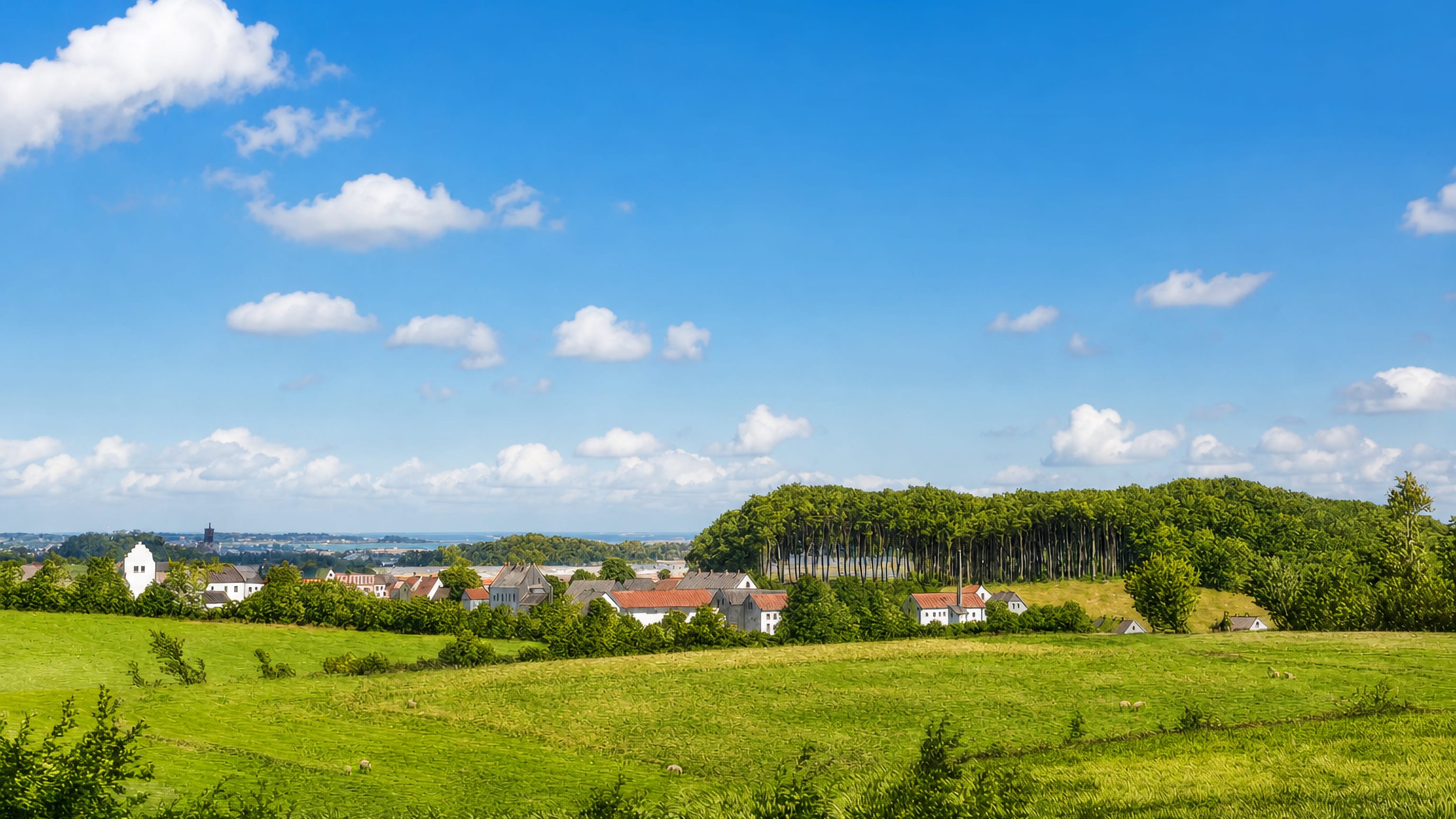
Odder lies in central Denmark, on the Jutland peninsula, on rolling farmland south of Aarhus and south-east of Skanderborg. The land is gently worked. Fields and low ridges spread around the town, broken by the small streams that once powered its mills, and the parishes of Odder Municipality, from Nølev to Randlev, ring the centre.
The coast of the wider bay lies a short way east, but the town itself sits back among the farms of south-eastern Central Denmark.
What is the climate of Odder?
Odder shares the mild weather of eastern Jutland. The town keeps a cool, changeable maritime climate, with grey, wet winters and mild summers that green the farmland and the churchyards of Odder Kirke and the parishes around it. Rain comes often and soft.
Spring arrives slowly across the fields of Odder Municipality, and the long light of midsummer stretches the working day on the farms toward Nølev and Randlev well into the evening before the cool, damp autumn settles back over central Denmark.
How do you get to Odder?
Odder sits a short hop from the city. The road north runs up to Aarhus, the region's hub, in well under half an hour, and another route leads north-west toward Skanderborg and the main Jutland line. Cars fill the road to Aarhus.
Local lanes thread out from the centre through the villages of Odder Municipality, past Nølev and Randlev, and the nearest large airport lies near Aarhus to the north. Cyclists follow the quiet country roads between the farms and churches.
Common questions
What is the best area to stay in Odder?
Odder centre: the market square on foot. Odder parishes: rural farm stays. Aarhus: city beds with onward reach.
Good for
More cities in Region Midtjylland
Updated September 2026