Denmark · Region Midtjylland
Where to Stay in Struer, Region Midtjylland
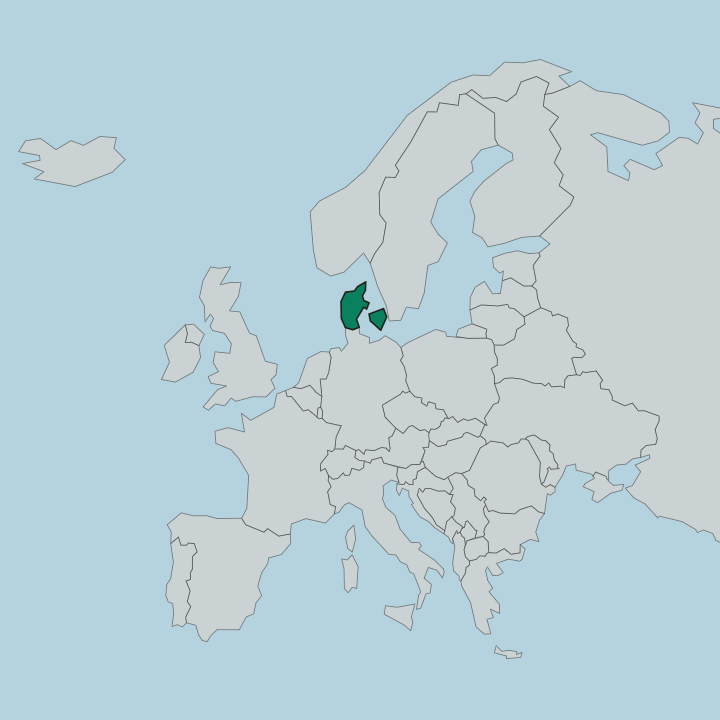
Struer is a railway town in western Denmark, on the Jutland peninsula, the seat of Struer Municipality.
Hotel links are affiliate links: booking through them may earn us a commission, at no extra cost to you. It never affects how places are ranked. How this works


Where to stay in Struer
Where visitors usually base themselves, and why.
Struer keeps most of its beds in a compact centre by the station. The core gathers around Struer Kirke and the streets near the tracks, where a town hotel and a few inns stand within walking reach of the shops, the platform and Struer Museum. It suits you if you want a quiet, well-connected base in western Jutland with trains at the door.
The centre is small and flat. Beyond it, farm stays and holiday lets scatter through the parishes of Struer Municipality, out toward Gimsing and Ølby on the open farmland. Rooms are few, so the town can fill when the region is busy.
Travellers wanting more choice often base themselves in the larger towns down the line and ride the train back into Struer.
Find hotels in Struer
Direct booking searches for these neighbourhoods.
Struer centre
a town hotel and inns by Struer Kirke and Struer Museum beside the stationFind hotels in Struer centrerural farm staysStruer parishes
holiday lets across Struer Municipality toward the villages of Gimsing and Ølby. Few places to stay nearby — book ahead.Find hotels in Struer parishesoverflow beds with a rail linkDown the line
larger towns along the junction lines, a short train ride back into StruerFind hotels in Down the lineHotel links are affiliate links: booking through them may earn us a commission, at no extra cost to you. It never affects how places are ranked. How this works
About Struer
Struer is known as a railway town of western Jutland.
What is Struer known for?
The lines that meet here made it a junction, and the Midt- og Vestjyllands Jernbanemuseum keeps that story in old engines and carriages near the tracks. Trains shaped the place. As the seat of Struer Municipality, the town pairs a working centre around Struer Kirke with Struer Museum and a ring of country parishes, from Gimsing to Ølby, set across the farmland of north-western Central Denmark.
What are the main landmarks in Struer?
Struer's landmarks run from the rails to the parish churches. The Midt- og Vestjyllands Jernbanemuseum stands near the tracks, a railway museum of engines and carriages that marks the town's place as a junction, and Struer Museum gathers the local story close by. The lines are everywhere here.
Struer Kirke serves the centre, while out across Struer Municipality the older medieval churches of Gimsing Kirke and Ølby Kirke rise from the north-western Jutland farmland that rings the town.
What is the history of Struer?
Struer rose with the railway. The old land here was farming country, served by medieval parish churches like Gimsing Kirke and Ølby Kirke, with Struer itself a minor settlement among the farms of north-western Jutland. Then the lines came.
When the railways of western Denmark were laid through this part of the Jutland peninsula, Struer became the point where they met, and a junction town grew quickly around the new station, drawing workshops, trade and workers off the surrounding fields. The tracks made the town. Engines and goods passed through in numbers that the old farming district had never seen, and the heritage of that era is kept now in the Midt- og Vestjyllands Jernbanemuseum near the rails.
The town built its own Struer Kirke for the growing centre and gathered its record in Struer Museum, becoming the seat of Struer Municipality, while the parishes of Gimsing and Ølby kept their churches and their farmland around the busy railway core.
Where is Struer?
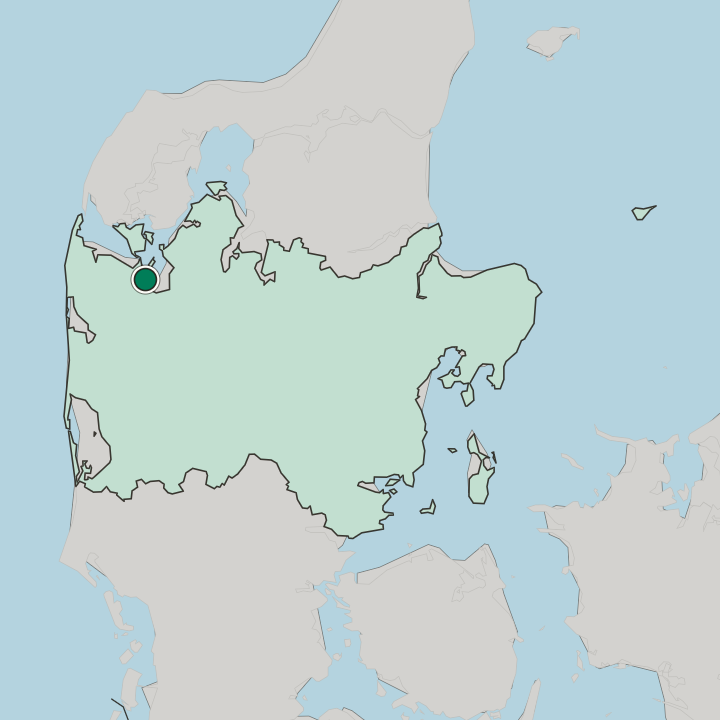
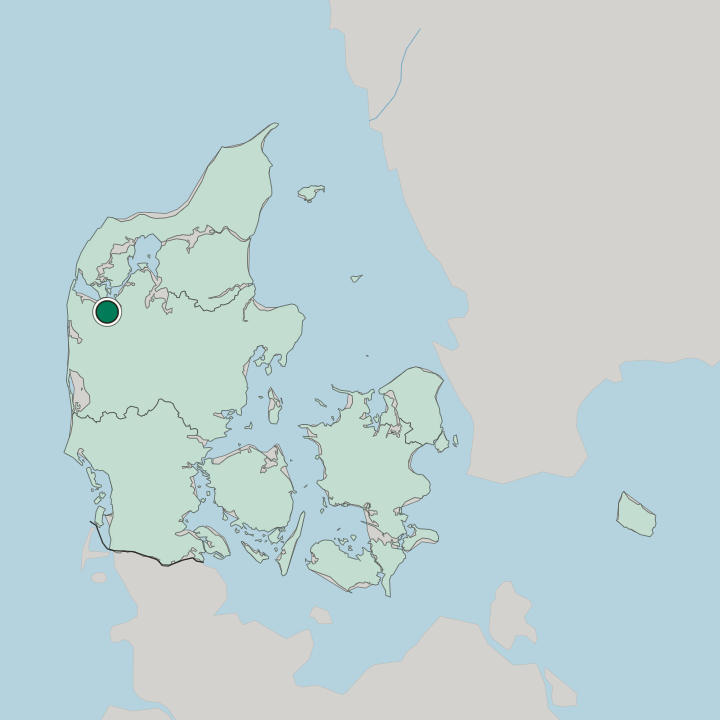
Struer lies in western Denmark, on the Jutland peninsula, in the north-western part of Central Denmark. Low farmland surrounds it. Fields and gentle rises spread around the railway town, and the parishes of Struer Municipality, from Gimsing to Ølby, ring the centre with their old churches.
The land is open and worked, sloping toward the waters that cut across this part of Jutland, while the rail lines that built the town thread out across the district in several directions.
What is the climate of Struer?
Struer feels the weather of the open west coast. Sea air off the western Jutland waters gives the town a cool, blustery maritime year, with grey, wind-driven winters and mild, changeable summers over the farmland. Wind crosses the open fields.
Spring comes slowly to the parishes of Struer Municipality around Gimsing and Ølby, and the long northern light of midsummer stretches the day across the rails and the churchyards before the wet, gusty autumn returns to north-western Central Denmark.
How do you get to Struer?
Trains are the heart of Struer. The town is a railway junction, with lines fanning out across western and central Jutland from the station at its core, the same crossroads that the Midt- og Vestjyllands Jernbanemuseum celebrates. Arrive by rail if you can.
Drivers reach Struer on the roads through Struer Municipality past Gimsing and Ølby, and the nearest large airport lies elsewhere in Jutland, a longer drive away. Cyclists follow the quiet lanes between the farms and the parish churches.
Common questions
What is the best area to stay in Struer?
Struer centre: trains and shops on foot. Struer parishes: rural farm stays. Down the line: overflow beds with a rail link.
Good for
More cities in Region Midtjylland
Updated September 2026