Algeria
Wilaya de Aïn Temouchent, Algeria — Towns & Travel Guide
Aïn Témouchent is a coastal province of northwestern Algeria, where the Tafna reaches the sea beside the Numidian port of Siga.
Hotel links are affiliate links: booking through them may earn us a commission, at no extra cost to you. It never affects how places are ranked. How this works


Towns & cities in Wilaya de Aïn Temouchent
One town here has its own guide — it links to where to stay.

 Algeria
Aïn Temouchent
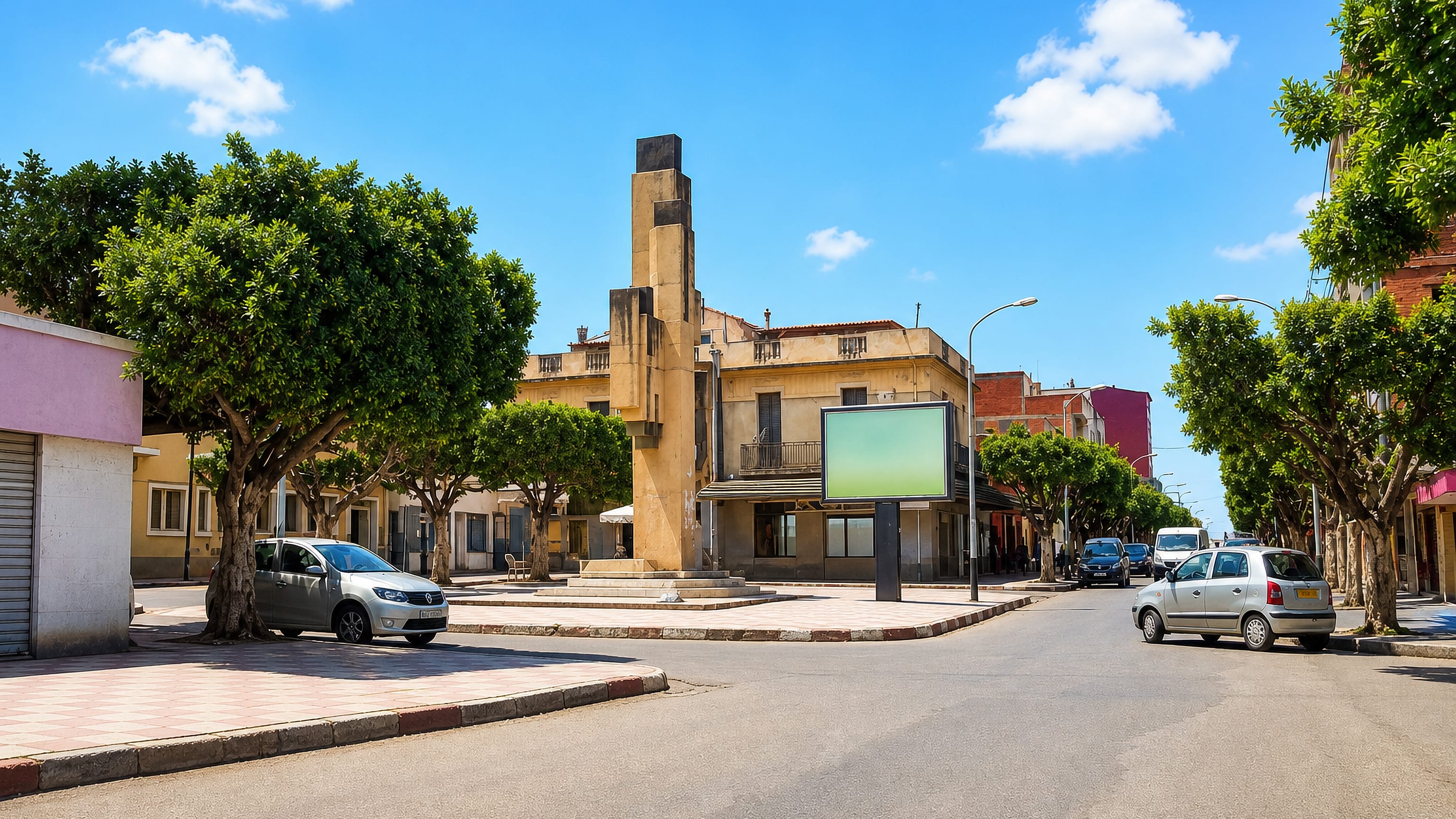
Aïn Témouchent, la Florissante, is a provincial capital of north-western Algeria, founded in 1851 in a basaltic valley of vineyards and orchards.Where to stay →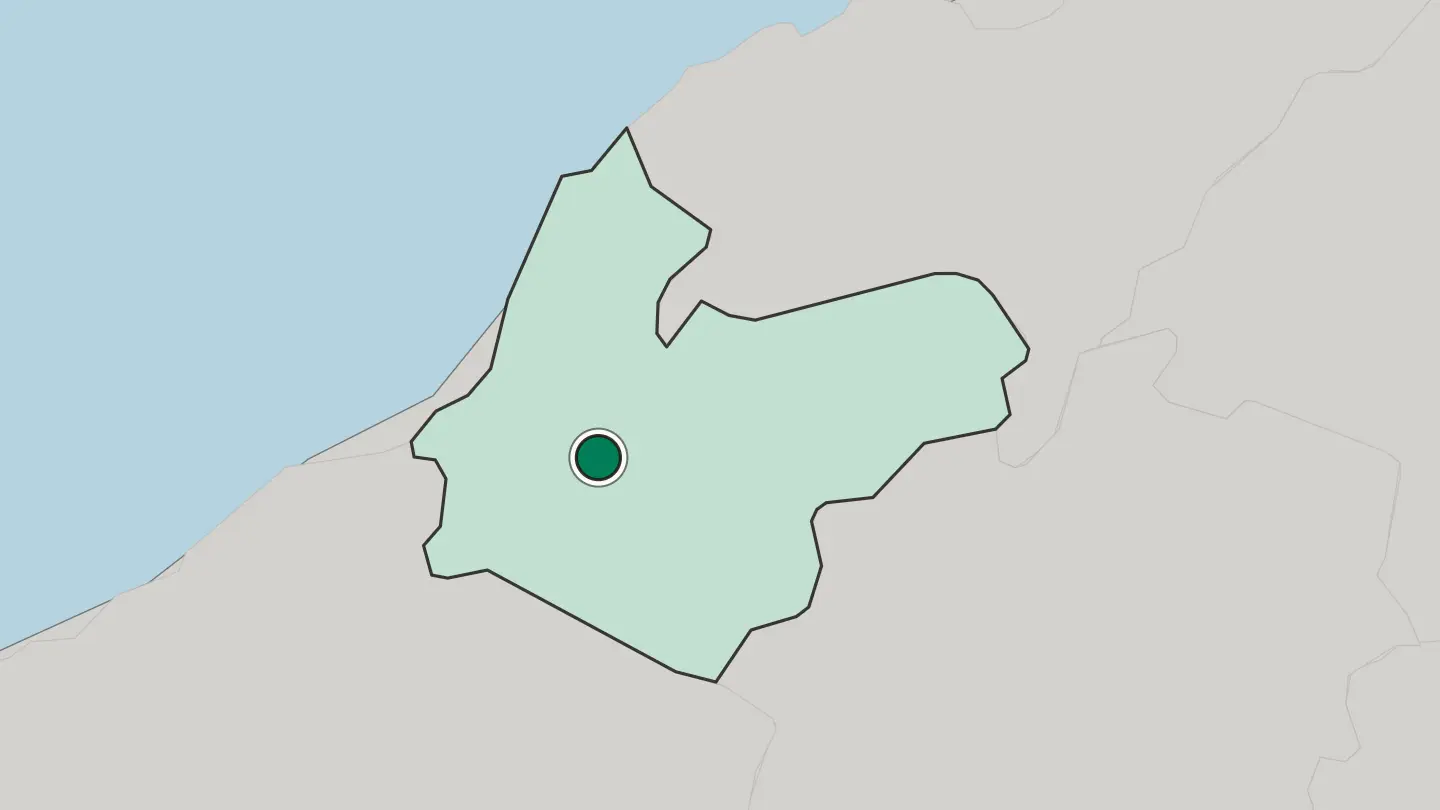
Hotel links are affiliate links: booking through them may earn us a commission, at no extra cost to you. It never affects how places are ranked. How this works
About Wilaya de Aïn Temouchent
What is Wilaya de Aïn Temouchent known for?
The province pairs a working coastline with vineyard country inland. Béni Saf anchors the shore, and its harbour ranks as the busiest fishing port on the Algerian coast, prized for red mullet and squid. Just west, the Tafna reaches the Mediterranean at Rachgoun, opposite a small volcanic island that once held a Punic trading post.
The soil around the capital is dark and basaltic, planted with vines and olives since colonial growers prized it for wine. Siga, the Numidian capital of king Syphax, stands in ruins near the river. Beaches fill in summer.
Where is Wilaya de Aïn Temouchent?
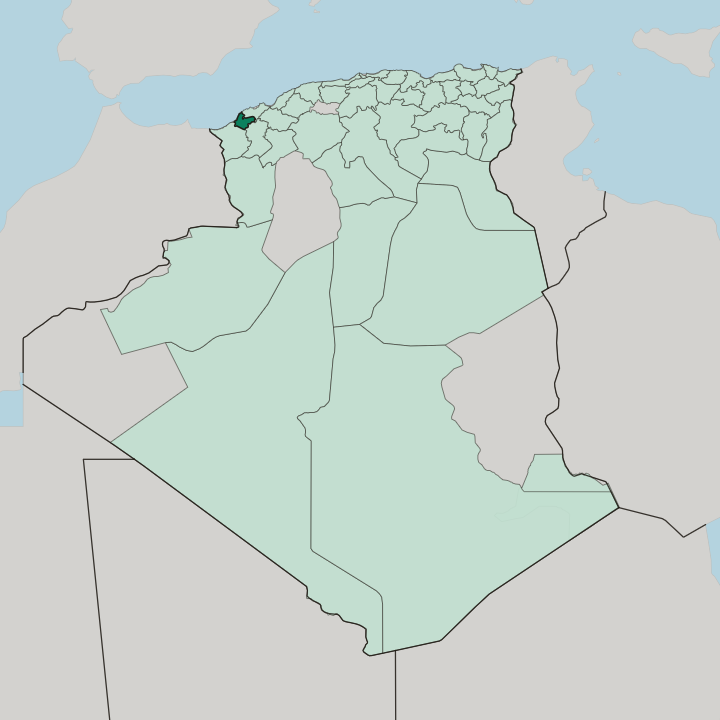
Aïn Témouchent occupies the far coastal edge of northwestern Algeria, a wedge of country between the Mediterranean and the hills of the interior. Its shore runs for some 73 kilometres, low and broken by coves rather than cliffs. Oran lies to the east, the great port city of the west, and the province was carved out of Sidi Bel Abbès in 1984 to its south-east. Tlemcen borders it to the south-west. The land behind the beaches is a rolling plain of dark volcanic soil, thrown up by extinct cones that also raised the small island off Rachgoun.
That soil is why the interior turned so thoroughly to vines and olives. The Tafna is the province's one great river, rising in the Tlemcen highlands beyond the border and running down to empty into the sea at Rachgoun. Near its mouth stand the stones of Siga, once a Numidian port on the water.
Béni Saf breaks the coast further north, its cliffs mined for iron ore before the harbour turned to fish. Aïn Témouchent, the capital, sits back from the water in a basin of the plain. Nowhere here is far from the sea.
What is Wilaya de Aïn Temouchent like?
Life in Aïn Témouchent turns on the land and the sea in almost equal measure. The plains are farming country, worked for grain, olives, and above all the vine, a legacy of the colonial estates that made this one of the great wine districts of Algeria. Colonists founded the capital itself in 1851, on the buried Roman site of Albulae, and nicknamed the growing town la Florissante for the orchards around it.
That agricultural wealth still shapes the province. Older roots run deeper. The plains were tribal ground for Berber and Arab pastoralists, among them the Beni Ameur and the Ouled Zeir, long before any vineyard was planted.
On the coast the culture is a fishing one. Béni Saf lives by its boats, and its quaysides sell the day's catch of red mullet, sardine, and shellfish. Inland at Hammam Bouhadjar, hot springs feed a bathing tradition that pulls Algerians in for cures.
Arabic is the everyday language, with French still widely understood and a Berber inheritance underneath. Food follows the split between plain and shore. The province eats both its wheat and its fish.
What is the history of Wilaya de Aïn Temouchent?
The province's history reaches back to Siga, the port that served the Numidian king Syphax as a capital in the 3rd century BC before Rome absorbed it into Mauretania. Long before that, Phoenician traders had worked the island off Rachgoun, leaving a necropolis in its rock. The modern towns are far younger.
Spanish settlers founded Aïn Témouchent in 1851 over the ruins of Roman Albulae, and Béni Saf grew from 1876 as a port to ship out iron ore. The wilaya itself was split from Sidi Bel Abbès in 1984. A hard earthquake shook the region in 1999.
What is the climate of Wilaya de Aïn Temouchent?
The climate is Mediterranean. Summers run hot and dry along the coast at Béni Saf and drier still on the inland plain, where the heat settles over the vineyards through the long harvest months. Winters stay mild and bring most of the year's rain, which feeds the Tafna.
The sea off Rachgoun keeps the shore gentler than the interior. Spring and autumn are the kindest weeks to come.
How do you get to Wilaya de Aïn Temouchent?
Most travellers reach the province through Oran, whose airport lies about 72 kilometres to the east and carries the flights the wilaya itself has none of. From there a national road runs south-west across the plain, reaching the capital in under two hours. Tlemcen feeds traffic in from the far side.
Béni Saf keeps a working harbour, and through the warm months its boats ferry day-trippers out to Rachgoun island. Trains once hauled iron ore down to that port. Cars carry most of the traffic.
Common questions
What is the best area to stay in Wilaya de Aïn Temouchent?
Aïn Témouchent: vineyard country and the provincial seat. Béni Saf: the fishing coast and boats to Rachgoun. Hammam Bouhadjar: thermal spring cures. Rachgoun: the beach at the Tafna mouth.
Good for
More regions in Algeria
Updated September 2026