Algeria
Oran, Algeria — Towns & Travel Guide
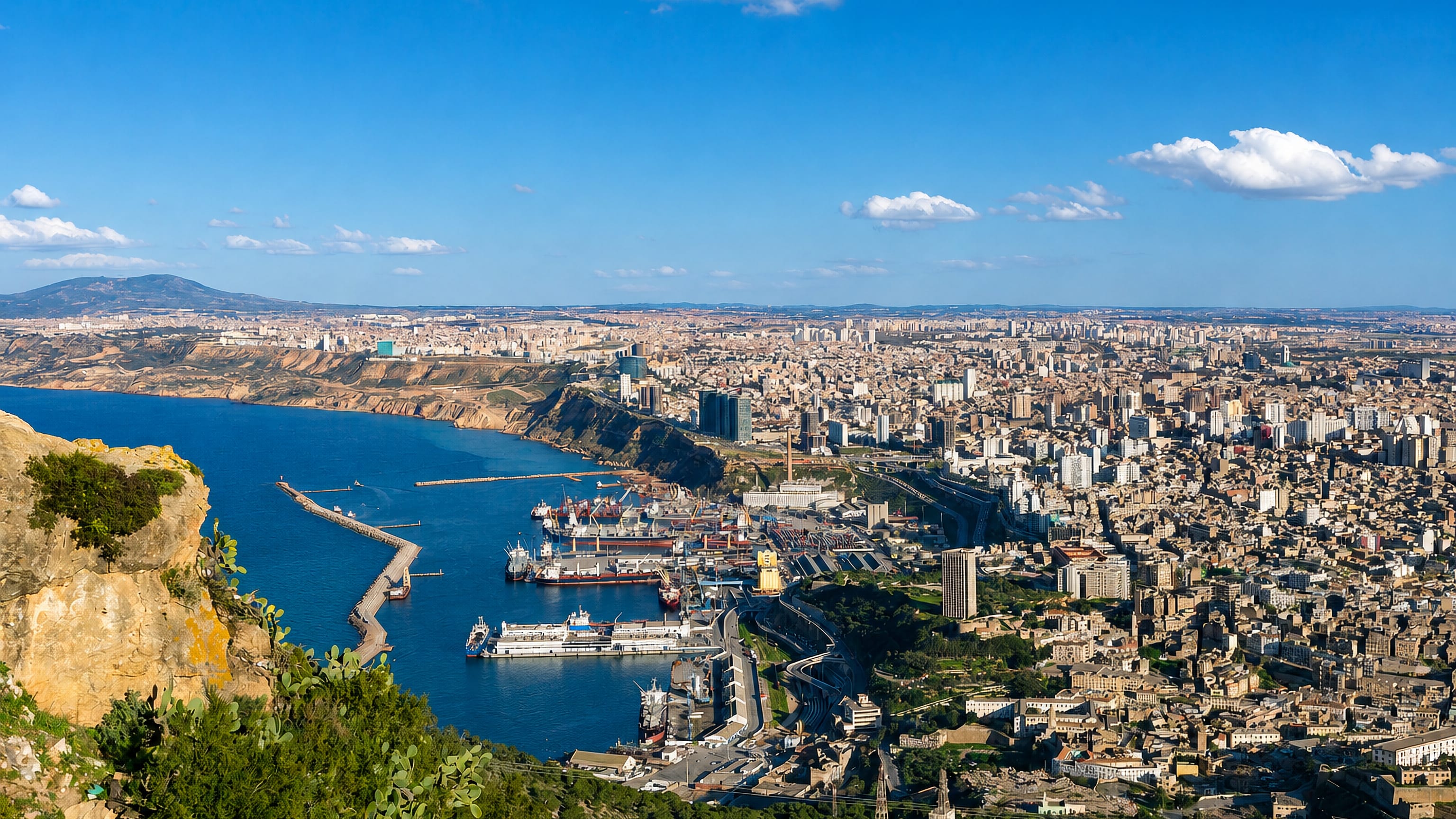
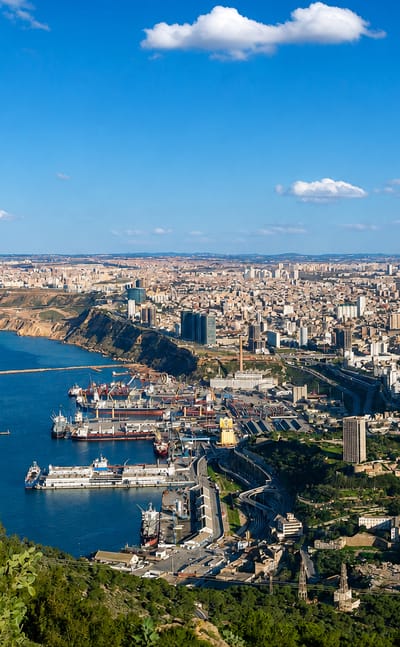
Oran is Algeria's second city, a Mediterranean port on the Gulf of Oran where the Santa Cruz fort crowns Mount Murdjajo above the harbour.
Hotel links are affiliate links: booking through them may earn us a commission, at no extra cost to you. It never affects how places are ranked. How this works


Towns & cities in Oran
One town here has its own guide — it links to where to stay.
 Algeria
Oran
Sea light washes the heights of Oran, a coastal city in northwest Algeria and capital of Oran province, crowned by the Santa Cruz chapel.Where to stay →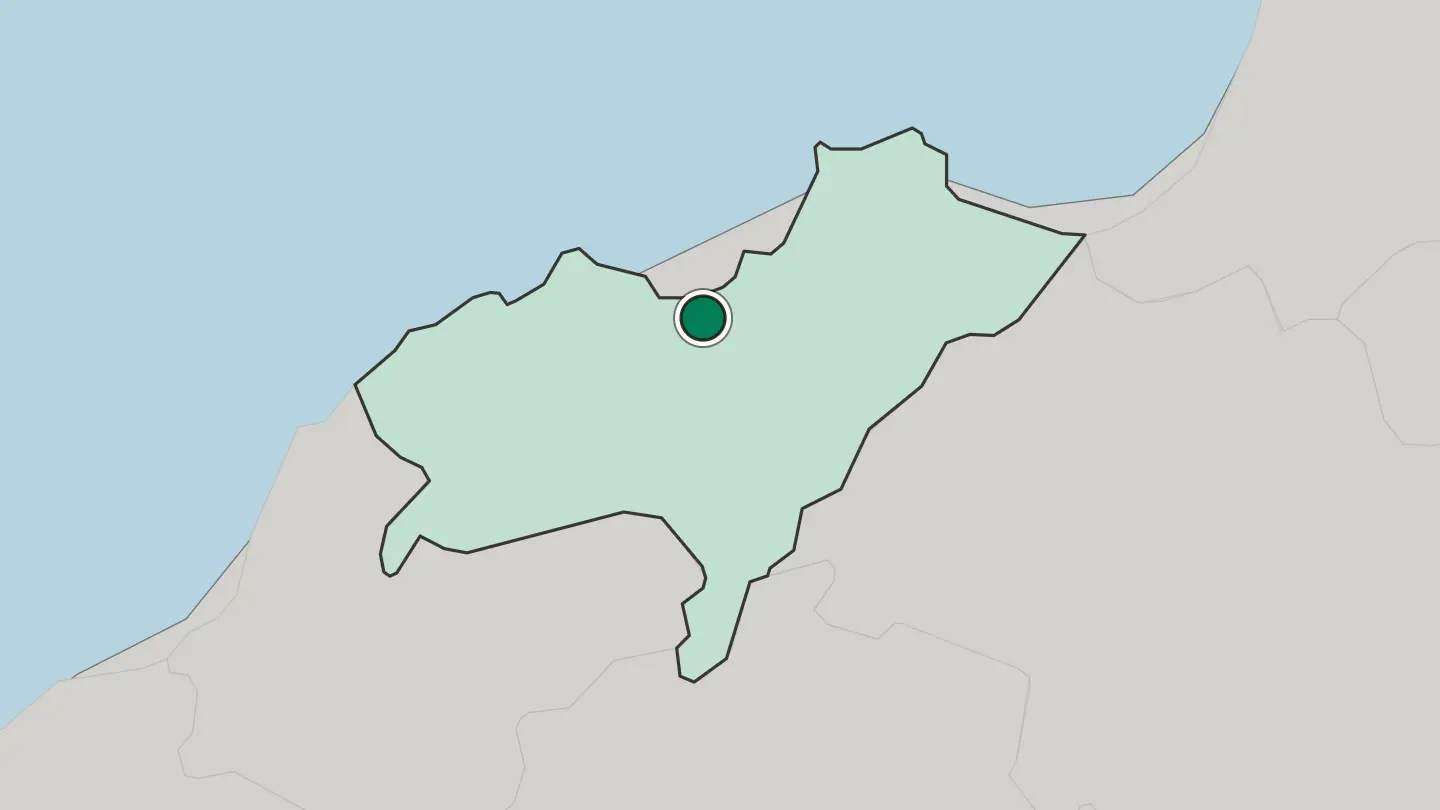
Hotel links are affiliate links: booking through them may earn us a commission, at no extra cost to you. It never affects how places are ranked. How this works
About Oran
What is Oran known for?
Oran gave the world Raï, the earthy Algerian pop that grew from the bars and cabarets of its old quarters before Cheb Khaled carried it abroad. The city wears its layered past openly. Spanish garrisons, Ottoman beys and French colonists each left their mark on the streets that climb from the port toward the Santa Cruz fort.
Albert Camus set his novel The Plague in Oran, fixing the city in the literary imagination of readers who never saw it. The seafront promenade and the beaches of the nearby coast pull crowds through the warm months. Music, sea and history define the place.
Where is Oran?
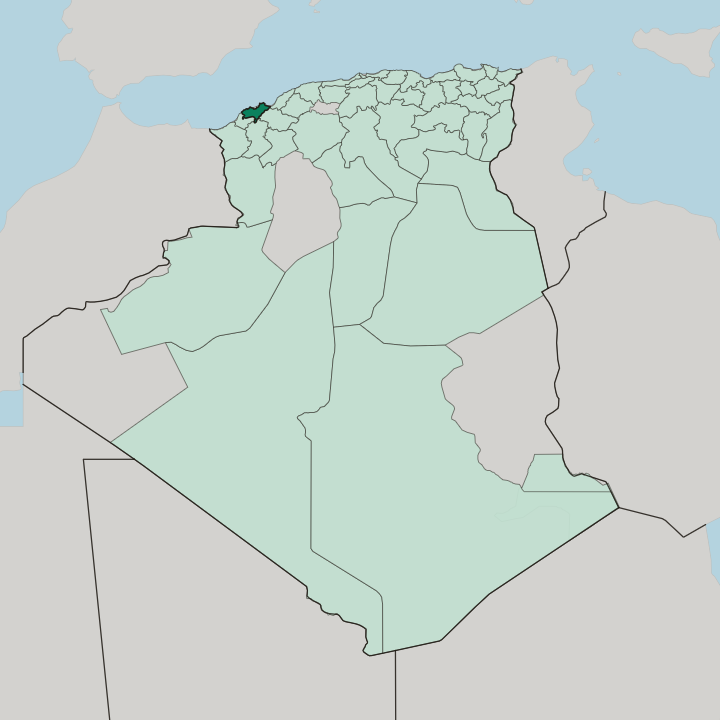
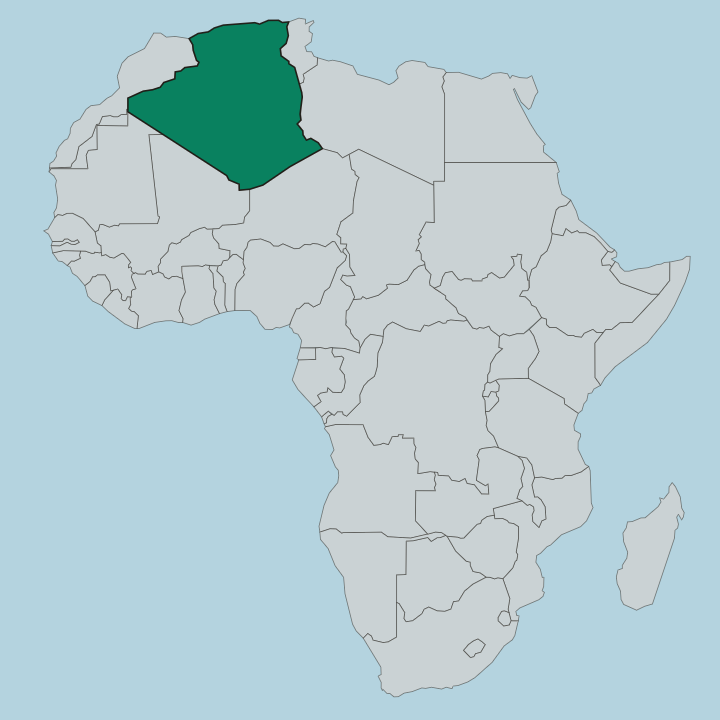
Oran sits on the northwest coast of Algeria, wrapped around an open bay on the Mediterranean Sea. The Gulf of Oran forms its front. Behind the city rises Mount Murdjajo, the limestone ridge that carries the Santa Cruz fort more than 300 m above the water.
To the west the coast breaks into the headland and deep-water anchorage of Mers El Kébir, one of the best natural harbours on this stretch of the African shore. The land here is a narrow coastal plain backed by low hills, dry and pale for much of the year. The province is small.
It covers just over two thousand square kilometres, small by the standards of a country whose largest provinces sprawl across the Sahara. South of the city spreads the Sebkha of Oran, a vast salt flat that shimmers white in summer and floods shallow in winter. Arzew and Bethioua anchor the eastern shore, where the petrochemical port ships gas and oil to Europe.
Aïn El Turk and Es Sénia fill out the plain to the west and south, and Bir El Djir has pushed the built-up area eastward. Mostaganem lies east along the coast, Aïn Témouchent west, and Mascara and Sidi Bel Abbès inland to the south. Everything drains toward the sea.
What is Oran like?
Oran is a music city first. Raï was born in its cabarets and back-street bars, a raw blend of Bedouin chant, Andalusian melody and, in time, electric guitars and synths. Cheb Khaled and Cheb Hasni came out of these streets, and their songs still spill from cafés and car windows across the province.
The sound carries the city's mixed inheritance. Arab, Berber, Andalusian, Ottoman, Spanish and French threads all run through the old quarters. French is still widely spoken alongside Algerian Arabic, a legacy of more than a century of colonial rule.
The kitchens show the same layering. Grilled sardines from the port, Spanish-inflected stews, sweet mint tea and French pastries share the same tables. Faded colonial-era facades, wrought-iron balconies and Ottoman mosques stand a short walk apart in the centre.
The football club MC Oran packs its stands and empties the cafés whenever the team plays at home in the city. The French-built Sacré-Cœur cathedral in the centre has become a public library. Life turns toward the water after dark, when the seafront fills with families and the day's heat finally eases off the stone.
It is a Mediterranean city through and through.
What is the history of Oran?
Andalusian merchants founded Oran in 903 as a trading base linking the Iberian coast with the North African interior. Its harbour made it a prize. Spain seized the city in 1509 and held it, on and off, for nearly three centuries. Ottoman forces took it in 1708, lost it back to Spain in 1732, and finally won it for good in 1792. France then ruled Oran from 1831 until Algerian independence in 1962, stamping the centre with boulevards and a European street plan.
Each conqueror left stone behind.
What is the climate of Oran?
Oran runs hot and dry in summer and mild and damp in winter, a semi-arid climate on the rim of the Mediterranean. Little rain reaches Oran. What little falls comes between autumn and early spring, leaving the Sebkha and the surrounding plains parched and dust-pale by August.
Sea breezes off the Gulf of Oran take the sting out of the summer heat along the coast, though the interior bakes harder. Skies stay clear for most of the year.
How do you get to Oran?
Ahmed Ben Bella International Airport, the old Es Sénia field just south of the city, carries most arrivals, with flights from Algiers, Paris and other European cities. The port handles ferries too. Boats cross from Alicante and Marseille to the terminal beside the old town, a slower way in from the northern Mediterranean shore.
Overland, the East-West Highway and the railway run in from Algiers along the coast. Oran is roughly 430 km from the capital by road.
Common questions
What is the best area to stay in Oran?
Oran city centre: a first visit to the province. Aïn El Turk & the Corniche Oranaise: beach days west of the city. Arzew: the petrochemical gulf east of Oran. Bir El Djir: the modern eastern suburbs.
Good for
More regions in Algeria
Updated September 2026