Egypt
Muḩāfaz̧at al Fayyūm, Egypt — Towns & Travel Guide
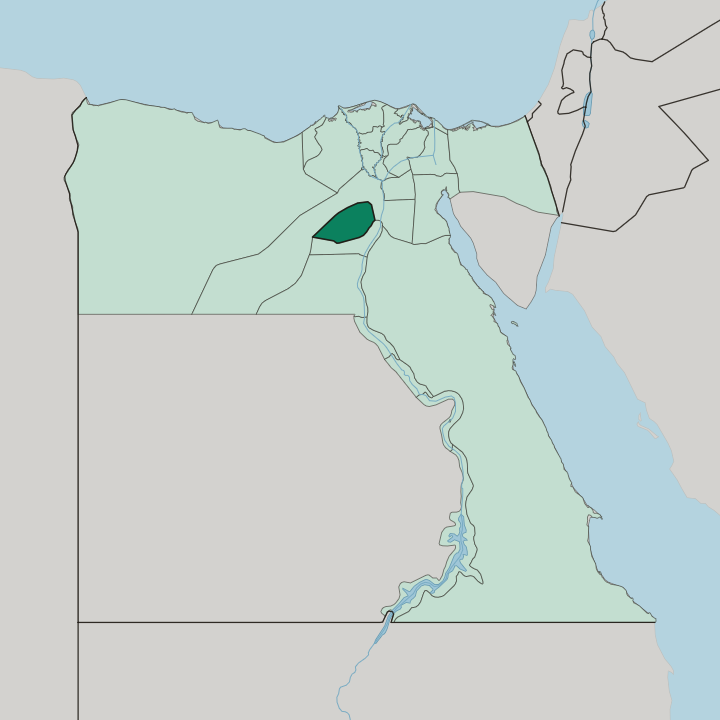
Faiyum is a governorate southwest of Cairo, an oasis depression around Lake Qarun watered by the Bahr Yussef from the Nile.
Hotel links are affiliate links: booking through them may earn us a commission, at no extra cost to you. It never affects how places are ranked. How this works


Towns & cities in Muḩāfaz̧at al Fayyūm
One town here has its own guide — it links to where to stay.

 Egypt
Egypt
Al Fayyum
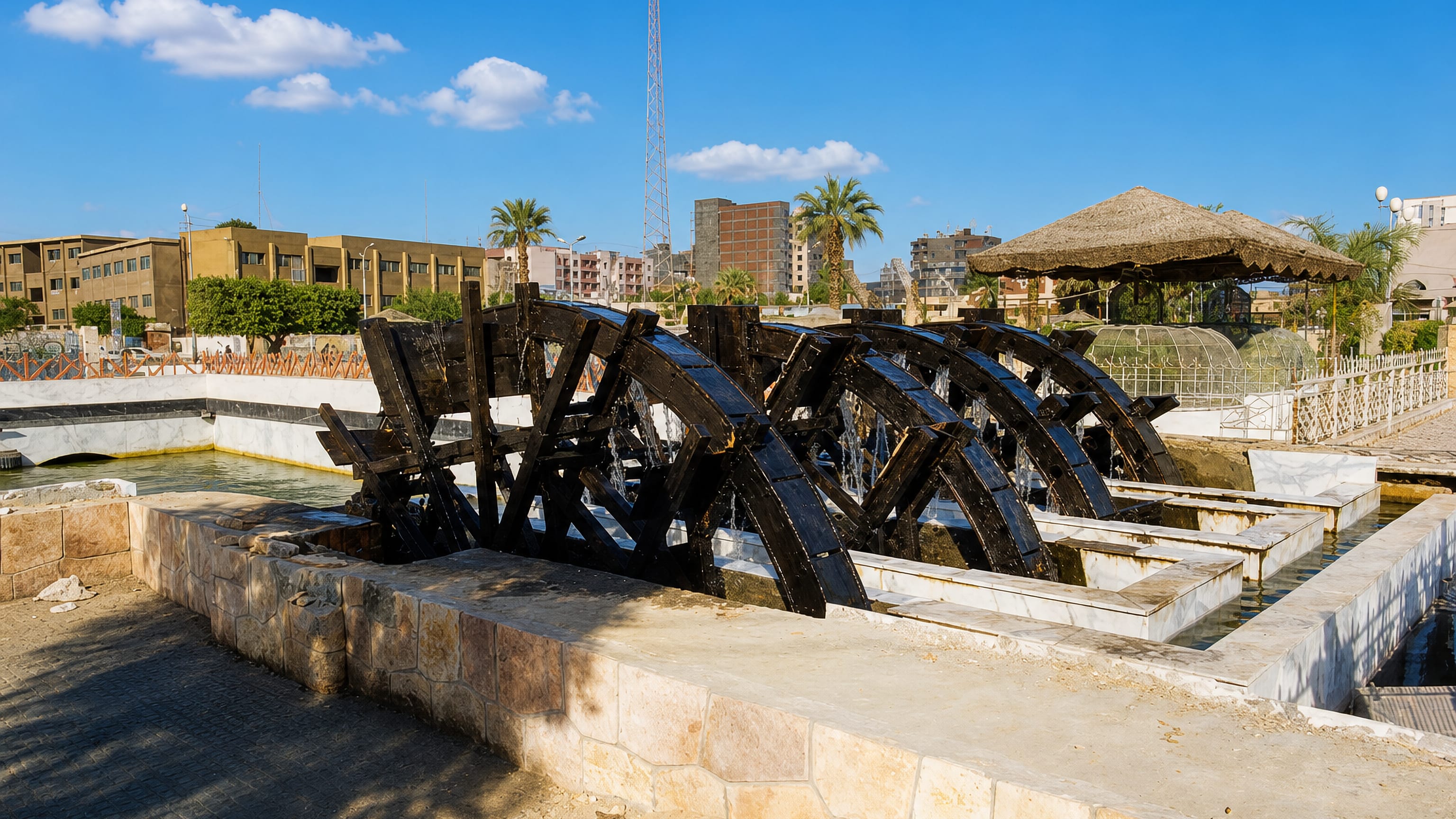
Al Fayyum is a city of a great oasis southwest of Cairo in Egypt, a green depression of gardens and waterwheels beside the ancient Lake Qarun.Where to stay →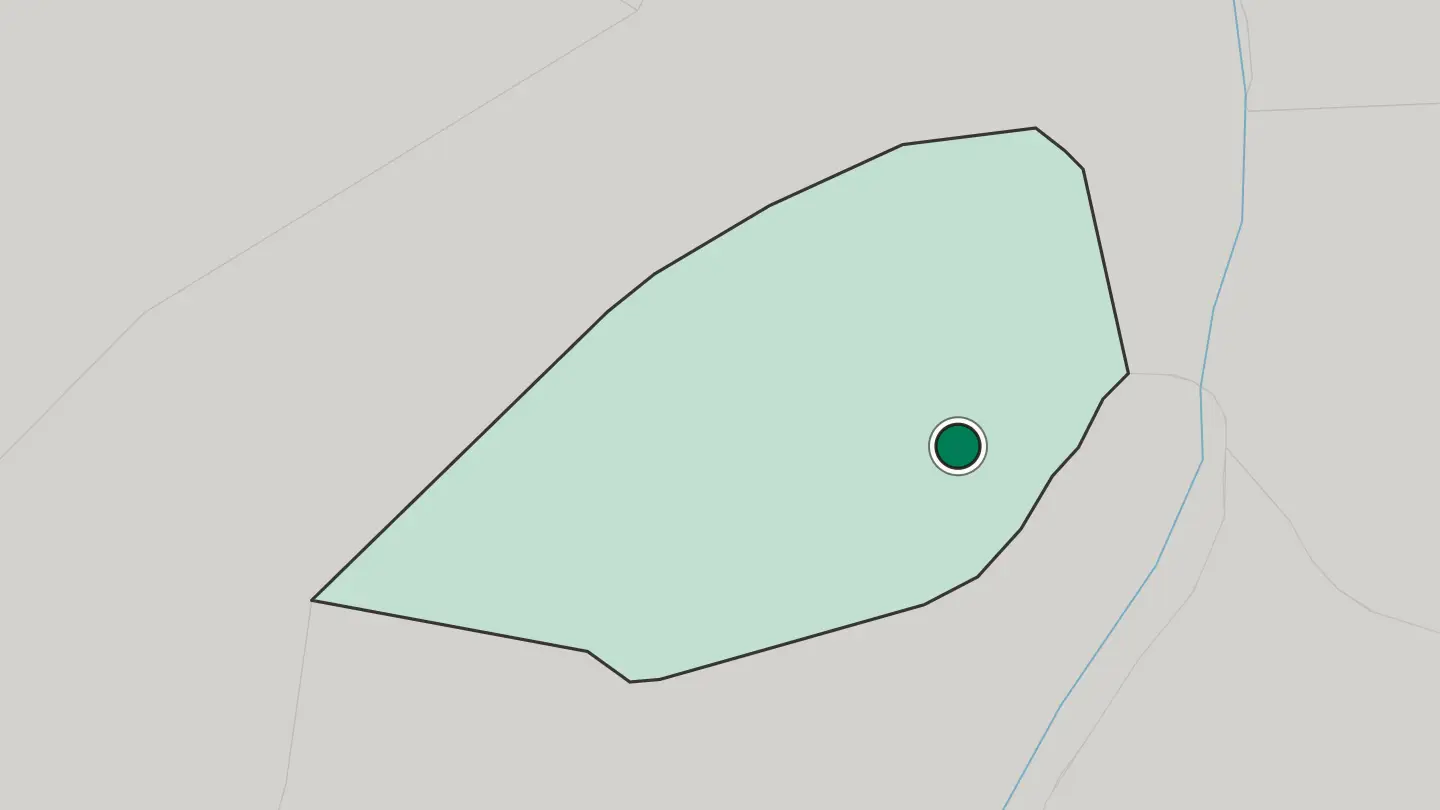
Hotel links are affiliate links: booking through them may earn us a commission, at no extra cost to you. It never affects how places are ranked. How this works
About Muḩāfaz̧at al Fayyūm
This oasis broke from the Nile.
What is Muḩāfaz̧at al Fayyūm known for?
Its water arrives not from a well but down the Bahr Yussef, an ancient channel branching off the river to feed a green bowl sunk into the Western Desert. Lake Qarun anchors the low ground, a salt lake that is the shrunken remnant of a far larger sheet the pharaohs called Lake Moeris. Fossil whales lie in the sand beyond the fields at Wadi Al-Hitan.
Farmland, canal, lake and desert stack within a single drive of the capital at Faiyum.
Where is Muḩāfaz̧at al Fayyūm?
Faiyum sits southwest of Cairo, a broad hollow scooped out of the Western Desert just off the Nile valley. It is one place in Egypt that is not simply the river and its banks. The floor of the depression drops below the level of the sea, the lowest ground for a long way in any direction.
Down at its base lies Lake Qarun, a salt lake with no outlet, catching the water that drains through the oasis. That water is the whole story here. The Bahr Yussef leaves the Nile far upstream and runs across country into the hollow, spreading into a fan of smaller canals that turn the desert floor green.
Beyond the cultivated ground the sand closes back in. Southwest of the fields the twin lakes and waterfalls of Wadi El Rayan sit out in the open desert, and further out again the fossil beds of Wadi Al-Hitan mark where a shallow sea once lapped. The desert cliffs ring the whole basin like the wall of a bowl.
Cairo lies a couple of hours northeast by road, close enough for a day trip yet far enough that the oasis keeps its own slow rhythm. The lake, the canal and the ringing escarpment set the shape of everything in Faiyum.
What is Muḩāfaz̧at al Fayyūm like?
Faiyum keeps its craft close to the land. On the ridge above the lake, the village of Tunis turned to pottery within living memory, and its glazed birds, palms and dancing goats now carry the look of the oasis far past its edges. The work grew from the shore, from the reeds and water and light off Lake Qarun.
Clay is only the newest layer. In Roman times the people here painted the faces of their dead onto wooden panels and bound them into the mummy wrappings, and those Fayum mummy portraits survive as some of the most lifelike faces to reach us from the ancient world. Deeper still runs the crocodile.
The oasis was the centre of the cult of Sobek, the crocodile god, and a living sacred crocodile was once kept and fed by priests in a temple pool beside the lake. Its old capital was known to the Greeks as Crocodilopolis for exactly that reason. Farming still sets the daily rhythm across the depression, the fields fed by the Bahr Yussef and worked much as they long have been.
Markets, canal-side waterwheels and lake fishermen fill out the picture. Arabic is the everyday language, as across Egypt. Old faith, older water and a young pottery tradition sit side by side in Faiyum.
What is the history of Muḩāfaz̧at al Fayyūm?
This water is very old. People have farmed the Faiyum basin for thousands of years, and the pharaohs remade the depression on purpose: the Bahr Yussef was widened and deepened to draw the Nile flood into the hollow and hold it in Lake Moeris, taming the river's rise. Kings raised the pyramid at Meidum on the desert's edge.
At the lakeside city the Greeks named Crocodilopolis, priests kept and worshipped the crocodile god. Under the Ptolemies and then Rome the oasis filled with Greek-speaking towns, and the dry sand there has since yielded more written papyrus than almost anywhere in Egypt.
What is the climate of Muḩāfaz̧at al Fayyūm?
Faiyum runs hot and dry. It shares the hot desert climate of Egypt's interior, tempered only a little by the water at its heart, so summer days over the depression turn fierce with the sun hard off the sand and the fields. Winters are mild by day.
Nights cool sharply once the sun drops below the desert cliffs. Rain barely comes at all, and it is the Bahr Yussef and Lake Qarun, not the sky, that keep the oasis green through the long dry year.
How do you get to Muḩāfaz̧at al Fayyūm?
Faiyum is a road trip from Cairo. Most visitors come by car or coach, running southwest out of the capital across the desert to the rim of the depression, a couple of hours in all. There is no airport in the oasis, so the nearest arrival by air is Cairo itself.
From the city of Faiyum, local roads fan out to Lake Qarun, to Tunis on the ridge and on into the reserve at Wadi El Rayan. Come down the desert road, and the green of the basin opens up all at once.
Common questions
What is the best area to stay in Muḩāfaz̧at al Fayyūm?
Lake Qarun shore: waking to the Faiyum salt lake. Tunis village: pottery studios above the oasis lake. Faiyum city: canal waterwheels and road links. Wadi El Rayan: desert camps by the waterfalls.
Good for
More regions in Egypt
Updated September 2026