Egypt
Muḩāfaz̧at Banī Suwayf, Egypt — Towns & Travel Guide
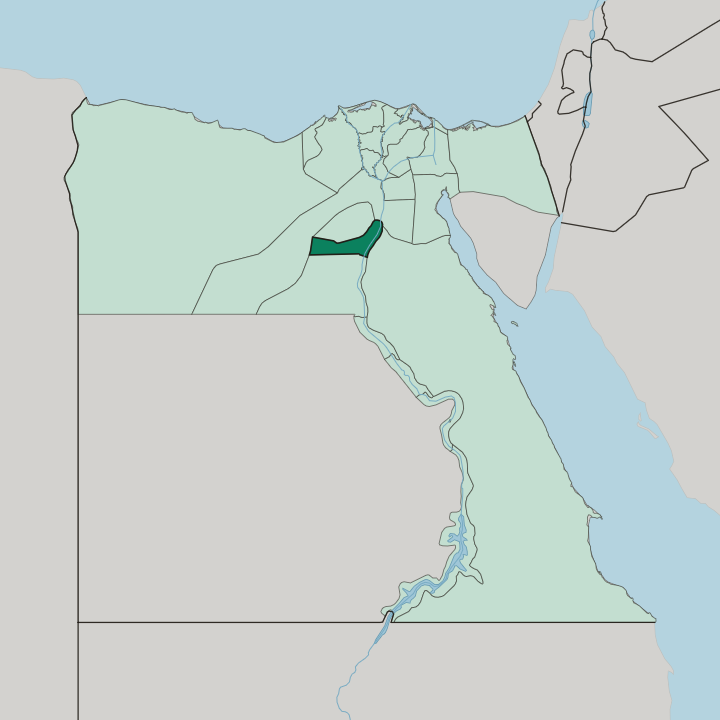
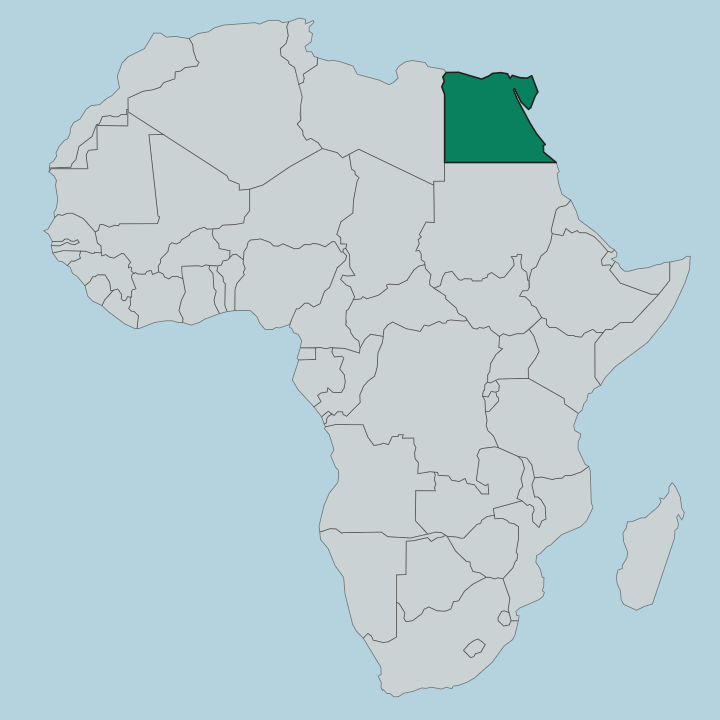
Beni Suef is a governorate of northern Upper Egypt, a strip of the Nile Valley about 110 km south of Cairo.
Hotel links are affiliate links: booking through them may earn us a commission, at no extra cost to you. It never affects how places are ranked. How this works


Towns & cities in Muḩāfaz̧at Banī Suwayf
One town here has its own guide — it links to where to stay.
 Egypt
Egypt
Banī Suwayf
Mansions line the streets here. Banī Suwayf stands on the west bank of the Nile River in Middle Egypt, capital of its own governorate.Where to stay →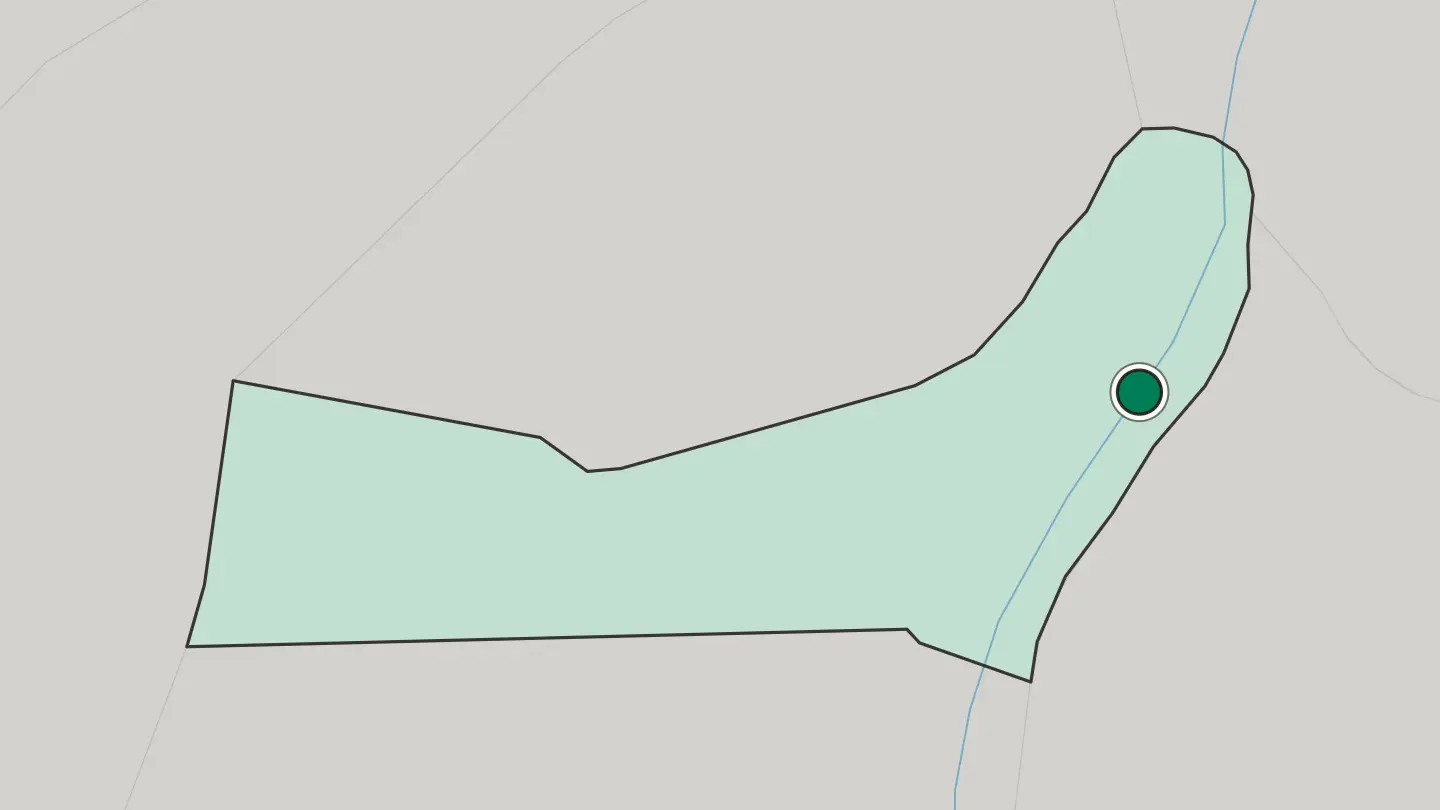
Hotel links are affiliate links: booking through them may earn us a commission, at no extra cost to you. It never affects how places are ranked. How this works
About Muḩāfaz̧at Banī Suwayf
Beni Suef is farming country wrapped around old ground.
What is Muḩāfaz̧at Banī Suwayf known for?
The Meidum pyramid rises at its northern edge, a step tower begun under Huni and finished by Sneferu, whose collapsed outer casing left the strange tiered core that draws most visitors this far south. West of the capital lie the mounds of Herakleopolis Magna, the ancient Ihnasya that ruled Egypt during the Ninth and Tenth Dynasties. Farther east, in the desert, the alabaster chambers of Sannur Cave open under the limestone.
Little of this sees crowds.
Where is Muḩāfaz̧at Banī Suwayf?
Beni Suef sits in the centre of Egypt, in the northern reach of Upper Egypt, about 110 km up the Nile Valley from Cairo. The Nile is the whole point. It flows north through the middle of the governorate, and the ribbon of green farmland along its banks is where nearly everyone lives, while the land to either side runs out into open desert.
Beni Suef city stands on the west bank, the capital and the trade centre for the valley around it. Desert fills the rest. To the east the ground climbs toward the limestone hills of the Eastern Desert and, beyond them, the Red Sea coast.
To the west the sand runs toward Faiyum. The governorate meets Giza and Cairo's outskirts at its northern edge and Minya to the south, so it forms a middle link in the chain of Nile provinces between the delta and the deep south. Almost none of that desert is settled.
The valley strip carries the towns, the fields and the road and rail line that thread the country together, and everything worth reaching in the governorate lies within sight of the river or a short drive into the sand beyond it.
What is Muḩāfaz̧at Banī Suwayf like?
Beni Suef is agricultural Upper Egypt at its plainest. This is a working valley of cane fields, cotton and canal-side villages, and its rhythm is set by the farming calendar rather than by tourism. Arabic is the everyday language, spoken here in the Upper Egyptian, or Sa'idi, accent of the south.
Faith sits close to daily life. The population is mostly Muslim, with a long-rooted Coptic Christian minority whose churches and feast days are woven through the towns of the valley. The desert edge carries its own devotional history: monastic tradition holds that Saint Anthony withdrew from a village in this stretch of the Nile before founding the first Christian monastery out in the Eastern Desert.
Craft still ties to the land as well, most plainly in the alabaster worked from the same Eocene limestone that forms Sannur Cave. Beni Suef University anchors the capital and pulls students in from across the region. It is not a place that performs for visitors.
What you get is ordinary Upper Egyptian life, lived along the river much as it has been for a very long time.
What is the history of Muḩāfaz̧at Banī Suwayf?
The deep past outweighs the town. Its greatest moment came in the First Intermediate Period, when Herakleopolis Magna, the ancient Ihnasya just west of the capital, ruled as the seat of the kings of the Ninth and Tenth Dynasties around 2100 BC. The Meidum pyramid at the northern edge is older still, a Third-to-Fourth-Dynasty experiment in stone.
The city of Beni Suef itself came much later. It grew into the market and trade hub for this stretch of the Nile that it remains.
What is the climate of Muḩāfaz̧at Banī Suwayf?
Beni Suef has a hot desert climate, dry almost the whole year round. Summers are long and fierce, with afternoons that push well past what the shade can soften, while the winters that follow stay mild and pleasant by day and cool once the sun drops behind the western desert. Rain barely registers.
What little falls comes in the winter months. The Nile, not the sky, is what keeps the valley green.
How do you get to Muḩāfaz̧at Banī Suwayf?
Most travellers come down from Cairo. The main railway from Cairo toward Aswan runs the length of the Nile Valley and stops in Beni Suef city, making the train the simplest way in from the capital about 110 km to the north. The parallel highway follows the same corridor for drivers and buses.
There is no commercial airport in the governorate. From the capital, local roads fan out to the Meidum pyramid, to Ihnasya and into the desert toward Sannur Cave.
Common questions
What is the best area to stay in Muḩāfaz̧at Banī Suwayf?
Beni Suef city: a Nile-side base for Meidum and Ihnasya. The desert east: reaching Sannur Cave. The northern farmland: the Meidum pyramid at the Faiyum edge.
More regions in Egypt
Updated September 2026