
Egypt
Suez, Egypt — Towns & Travel Guide
Suez is Egypt's south-eastern canal governorate, a desert port at the head of the Gulf of Suez where the Suez Canal meets the Red Sea.
Hotel links are affiliate links: booking through them may earn us a commission, at no extra cost to you. It never affects how places are ranked. How this works


Towns & cities in Suez
One town here has its own guide — it links to where to stay.

 Egypt
Egypt
Suez
Suez is a city of northeast Egypt at the southern end of the Suez Canal, a great port on the Gulf of Suez where ships pass between the seas.Where to stay →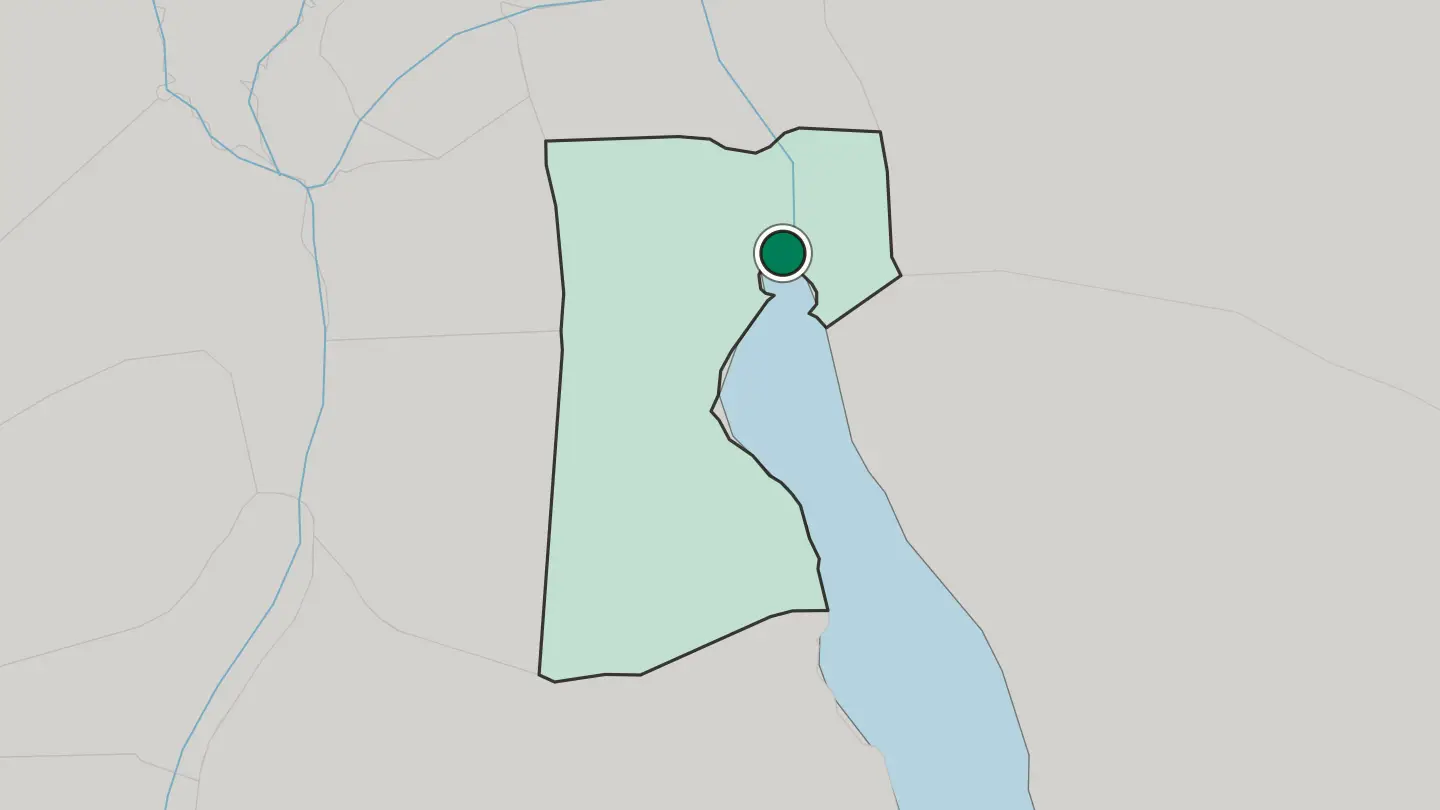
Hotel links are affiliate links: booking through them may earn us a commission, at no extra cost to you. It never affects how places are ranked. How this works
About Suez
One canal made this place.
What is Suez known for?
Suez is the governorate wrapped around the southern mouth of the Suez Canal, and the ceaseless traffic of ships bound for the Red Sea sets the whole rhythm of the port. The governorate is nearly all city, coterminous with the port of Suez itself, ringed by open desert and oil refineries. Ain Sokhna, its stretch of Red Sea coast, draws people down from Cairo for the warm shallows and the hot springs the name recalls.
Papaya is the one crop the dry ground gives up in any quantity.
Where is Suez?
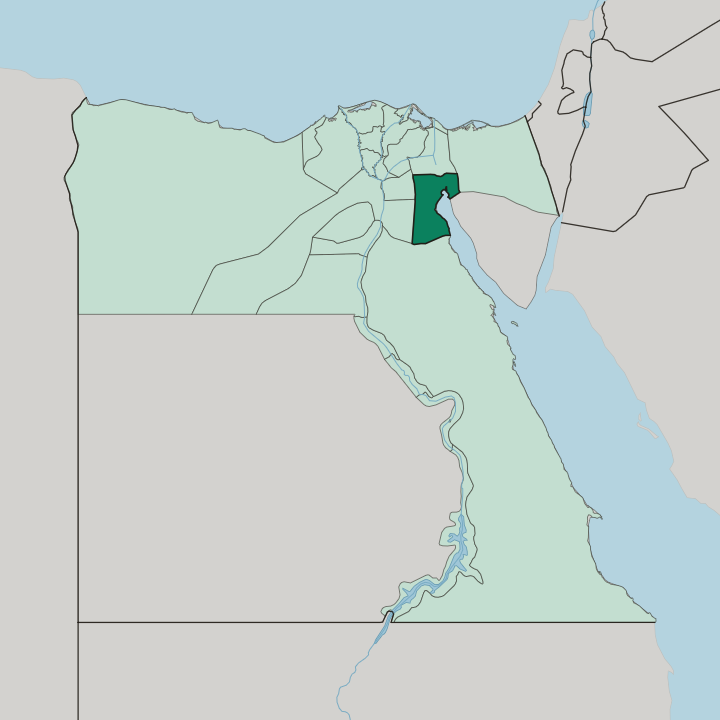
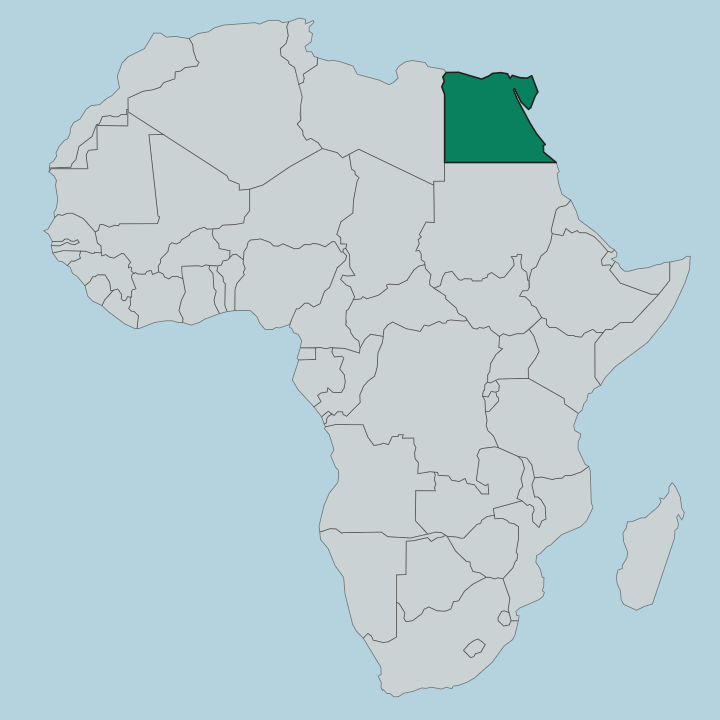
Suez sits in the north-eastern corner of Egypt, at the very head of the Gulf of Suez. The gulf is the north-western arm of the Red Sea, a long narrow inlet that runs up between mainland Egypt and the Sinai Peninsula and dead-ends at the city. That dead end is the point.
The Suez Canal begins here and cuts north across the isthmus toward the Mediterranean, so the governorate holds the canal's southern gate. Almost the whole of the governorate is the city of Suez and its port; the two share the same boundary, one of the most heavily built-up units in the country. Ismailia lies up the canal to the north.
Cairo and Giza spread away to the west across the desert, and the mountains of the Sinai stand across the water to the east. Beyond the built edge the land is bare desert, broken by the Ataqa massif that rises behind the town. Southward the one soft edge opens, where the Red Sea coast runs down to Ain Sokhna and its beaches.
Sea on one side, sand on the rest.
What is Suez like?
Suez is a working town, and it wears that plainly. The rhythm of the place is set by the port, the refineries, and the endless line of ships waiting for the Suez Canal. Arabic is the language of the streets.
For centuries the town lived as a transit point rather than a destination, the port where pilgrims bound for Mecca boarded ship across the Red Sea and where cargo changed hands between the Nile country and the sea. That role bred a plain, hard-working character that survives. Suez carries a reputation for stubbornness too.
It took the worst of the fighting along the canal in the wars with Israel and was largely flattened, then rebuilt from the rubble, and it was the first Egyptian city to rise in the protests of 2011. Pride in that endurance runs through how the town talks about itself. The pleasures here are simple ones.
Fresh fish off the boats, tea by the water, and the drive down to the beaches at Ain Sokhna when the heat of the desert town gets to be too much.
What is the history of Suez?
A port has stood at the head of the gulf since antiquity. The Romans knew it as Clysma; in the early Islamic centuries the town of Kolzum sat here as the eastern end of a canal that Amr ibn al-As dug to link the Nile with the Red Sea, and Suez slowly took its place by the thirteenth century. The modern town's fortune arrived with Ferdinand de Lesseps, whose Suez Canal opened in 1869 and made the sleepy port the southern doorway of a world shipping route.
War then nearly ended it. Nasser nationalised the canal in 1956, the waterway closed after the 1967 war, and Suez itself was ground to rubble in the fighting that followed before being raised again.
What is the climate of Suez?
Suez has a hot desert climate, dry through the whole year. Rain barely falls. Summers along the Gulf of Suez are fierce, with the desert sun sending afternoon temperatures soaring, though the sea breeze off the gulf takes a little of the edge off the coast.
Winters are mild and short, warm by day and cool at night. What water the sky withholds, the Red Sea gives back as humidity near the shore.
How do you get to Suez?
Most travellers reach Suez overland from Cairo. The capital's airport is the arrival point for the region, and a desert highway runs east from Cairo across to the canal in a couple of hours. Buses and shared taxis make the run all day.
By sea the town is a major port, one of the busiest on the Red Sea, though its wharves handle cargo and pilgrims rather than tourists. The same road carries on down the coast to the resorts at Ain Sokhna.
Common questions
What is the best area to stay in Suez?
The city of Suez: the canal port itself. Ain Sokhna: a Red Sea coast break.
Good for
More regions in Egypt
Updated September 2026