
Ethiopia
Addis Ababa, Ethiopia — Towns & Travel Guide
Addis Ababa is the capital region of Ethiopia, the seat of national government and, raised on high ground, the highest capital in Africa.
Hotel links are affiliate links: booking through them may earn us a commission, at no extra cost to you. It never affects how places are ranked. How this works


Towns & cities in Addis Ababa
One town here has its own guide — it links to where to stay.
 Ethiopia
Addis Ababa
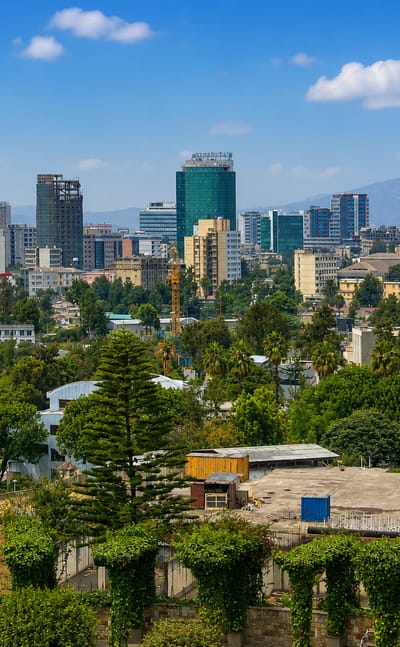
Addis Ababa is the capital of Ethiopia and the highest capital in Africa, with the National Museum of Ethiopia and St. George's Cathedral.Where to stay →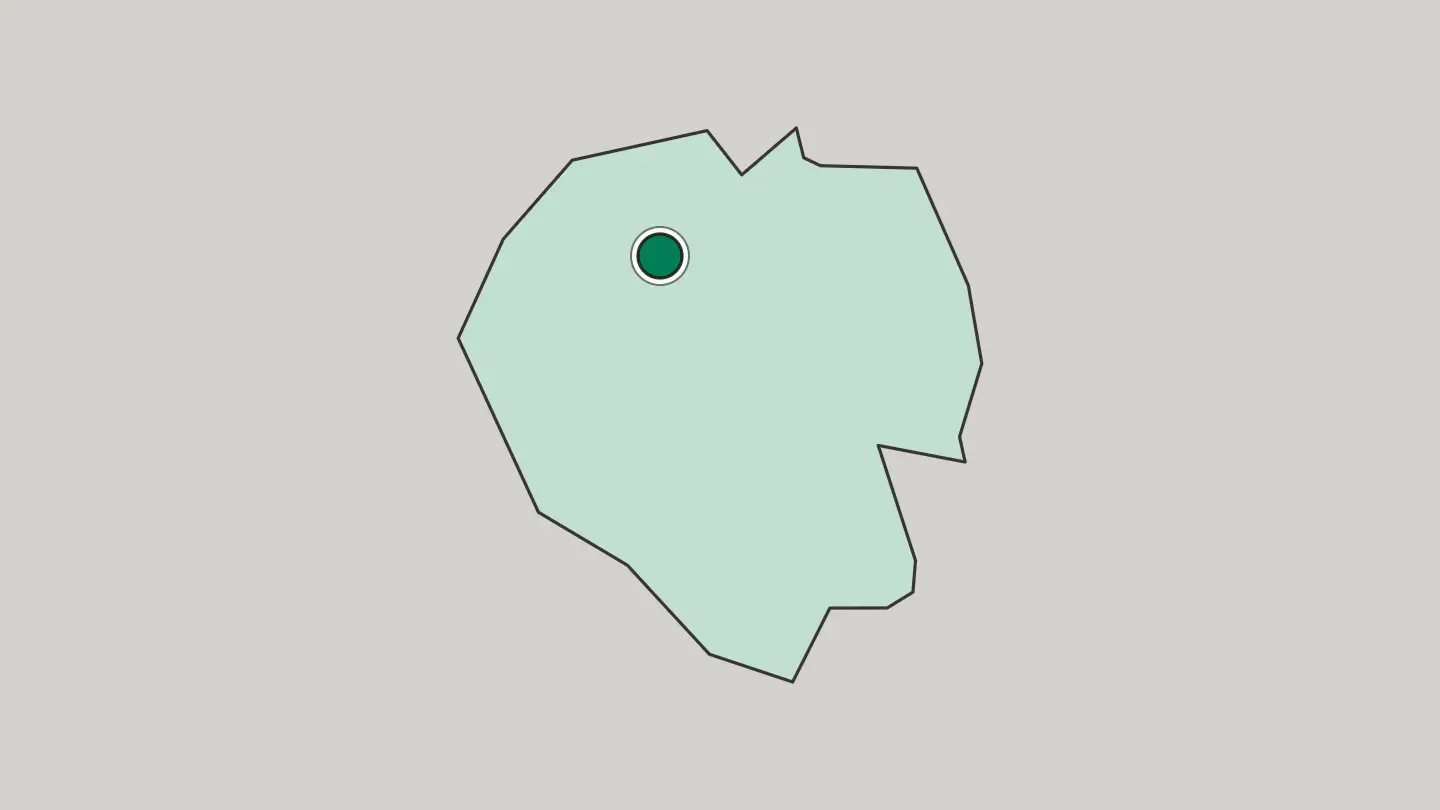
Hotel links are affiliate links: booking through them may earn us a commission, at no extra cost to you. It never affects how places are ranked. How this works
About Addis Ababa
What is Addis Ababa known for?
Addis Ababa is known as the capital region of Ethiopia and the seat of its national government. It stands among the highest capital cities in the world, and the highest in Africa, a rank set by the high ground it occupies. Its role is central.
As the country's cultural, financial, and administrative heart, the region gathers the affairs of Ethiopia into one place.
Where is Addis Ababa?
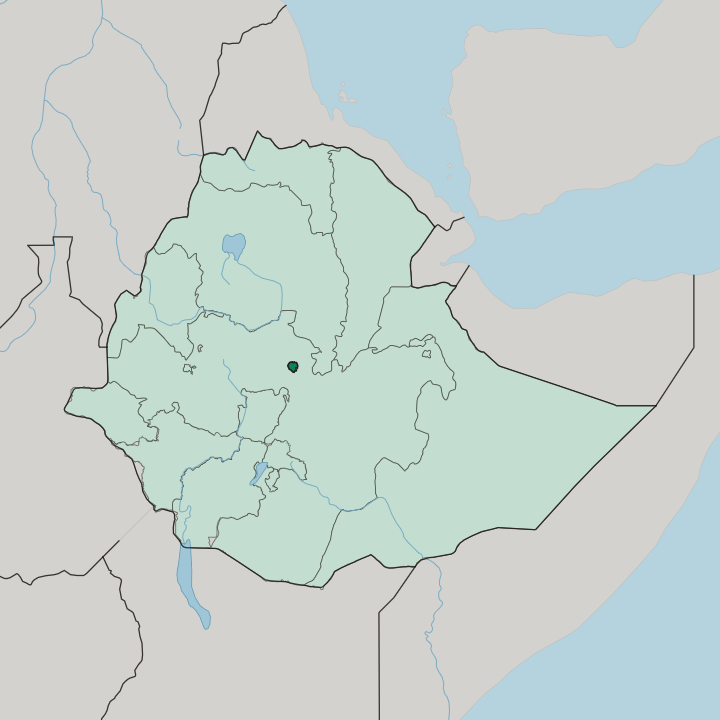
Addis Ababa is the capital region of Ethiopia, a compact territory set high on the ground of the country. It occupies a single seat rather than a broad province. The region climbs to a height that ranks Addis Ababa the highest capital in Africa, and among the highest capital cities anywhere in the world.
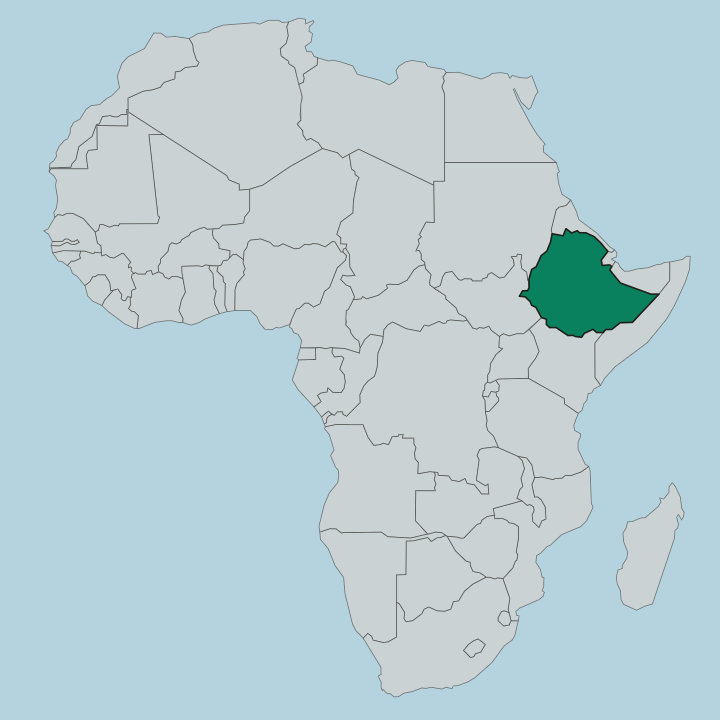
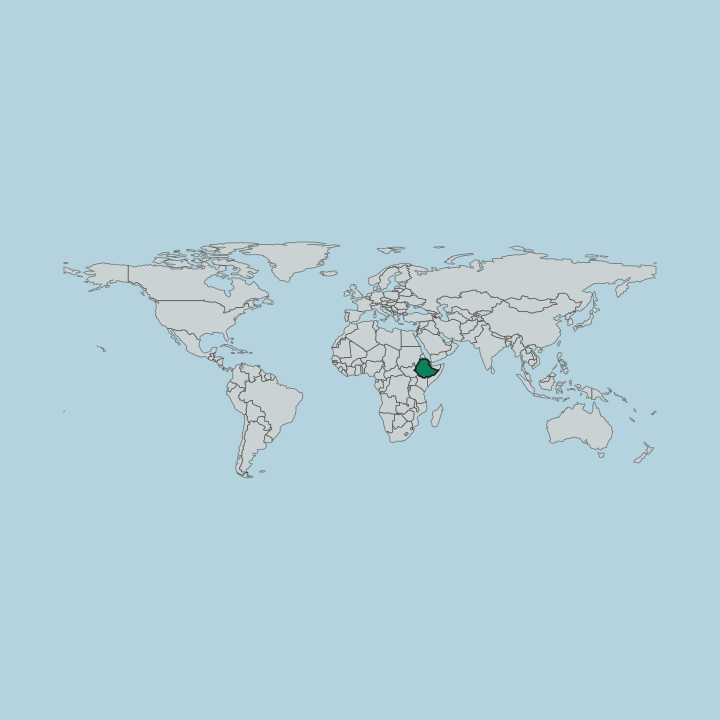
Its extent is small. What the region lacks in size it holds in height, raised well above the lowlands that stretch away beyond its edges. Within Ethiopia, the region lies deep inland, far from any coast, in a country that reaches across the Horn of Africa and the wider region of East Africa.
Nothing here reaches the sea. The land around the capital climbs and falls with the high terrain that marks this part of the continent. Addis Ababa holds the centre of national life, a raised capital region ringed by the other regions of Ethiopia that spread outward across East Africa toward its distant borders.
What is Addis Ababa like?
Addis Ababa is read, above all, as a capital. The region carries the cultural and artistic life of Ethiopia alongside its financial and administrative weight, the strands its leading national centre is known for. Amharic is the working language.
Life here runs at the pace of a national capital rather than a provincial region, gathering the institutions and affairs of the whole country onto its high ground. The region is small in area but wide in reach. That concentration gives the region its character.
As the seat from which Ethiopia is governed, Addis Ababa draws people and purpose from across the country and from the wider stretch of East Africa. Its outlook is national. The region stands less for a distinct local landscape than for its part as the meeting point of Ethiopia, the place where the nation's cultural and civic threads are tied together above the surrounding land.
What is the history of Addis Ababa?
Addis Ababa was founded in 1886 and grew into the capital of Ethiopia. From that beginning the settlement rose on high ground to become the seat of national government and, in time, its own capital region within the country. Its past is comparatively short.
Yet in little more than a century the place has become the political centre of Ethiopia and a leading capital of Africa.
What is the climate of Addis Ababa?
Addis Ababa lies in tropical latitudes, yet its high ground softens the heat that the region's position might otherwise bring. Seasons here divide into wetter and drier spells rather than into hot and cold extremes. The air stays mild.
That elevation gives the capital region of Ethiopia a temperate feel unusual for its place in Africa, north of the equator.
How do you get to Addis Ababa?
Addis Ababa is reached as the capital region of Ethiopia, and arrivals to the country converge on it. The region has no coast. Travellers come by air into the capital or overland from the surrounding regions of Ethiopia, since no sea route touches this inland part of East Africa.
From here the rest of the country opens outward across the Horn of Africa.
More regions in Ethiopia
Updated September 2026