Ethiopia
Somali Region, Ethiopia — Towns & Travel Guide
The Somali Region is the arid eastern edge of Ethiopia, a land of camel-herding pastoralists spread across the vast Ogaden plateau.
Hotel links are affiliate links: booking through them may earn us a commission, at no extra cost to you. It never affects how places are ranked. How this works


Towns & cities in Somali Region
One town here has its own guide — it links to where to stay.
 Ethiopia
Jijiga
Jijiga, also written Jigjiga, is the capital of Ethiopia's Somali Region, an upland city of the Fafan Zone near the Somaliland frontier.Where to stay →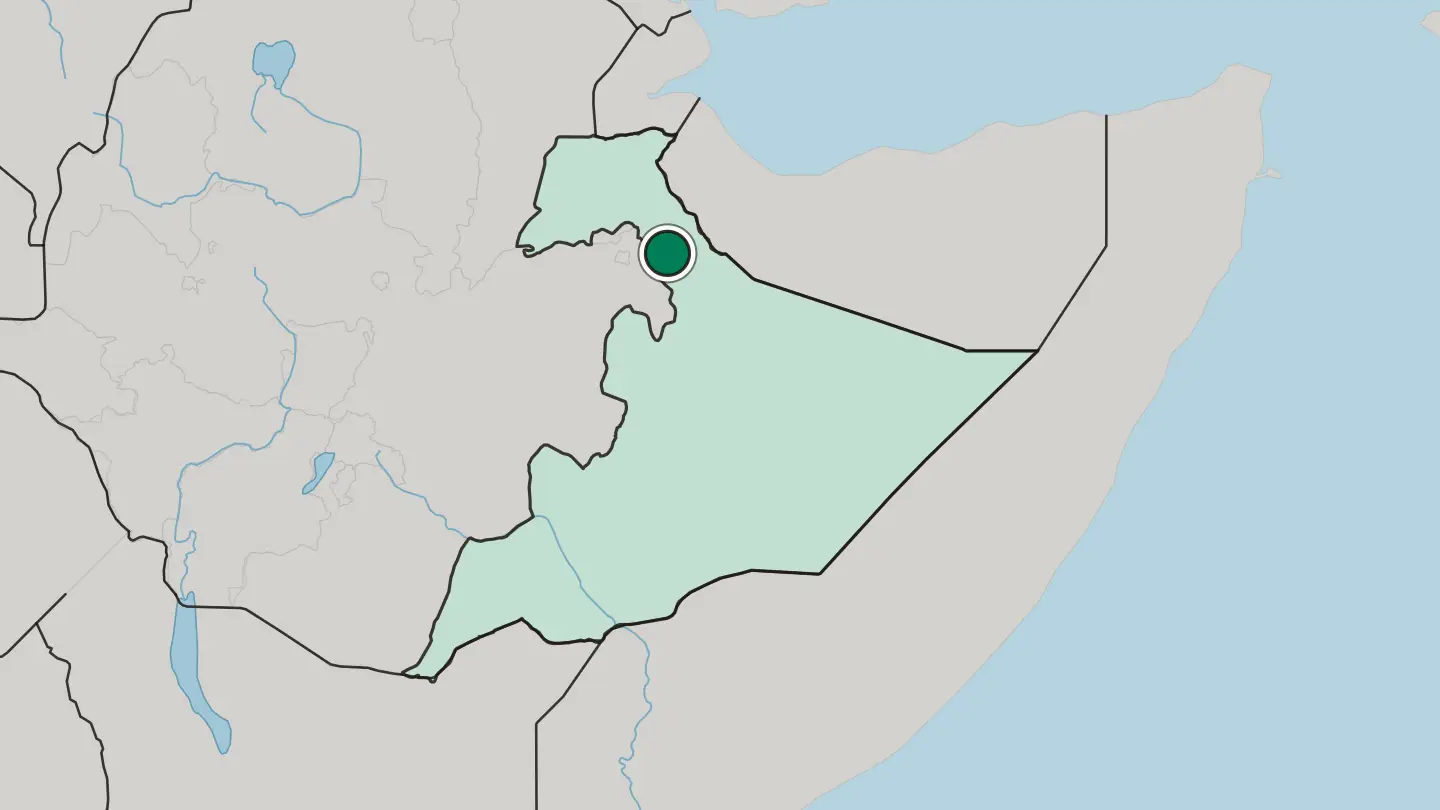
Hotel links are affiliate links: booking through them may earn us a commission, at no extra cost to you. It never affects how places are ranked. How this works
About Somali Region
What is Somali Region known for?
The Somali Region is the eastern edge of Ethiopia, a wide arid land wrapped around the Ogaden plateau. Camels graze here. Somali pastoralists move their herds across the semi-desert in step with the rains, following grazing that shifts from season to season.
Jijiga is the working capital, a highland market town near the Somaliland frontier where livestock changes hands and caravans once watered their animals at the wells. The land tilts down from the Ethiopian Highlands in the north-west toward the low valley of the Wabe Shebelle, the one river that never runs dry. This is Ethiopia at its most Somali.
Where is Somali Region?
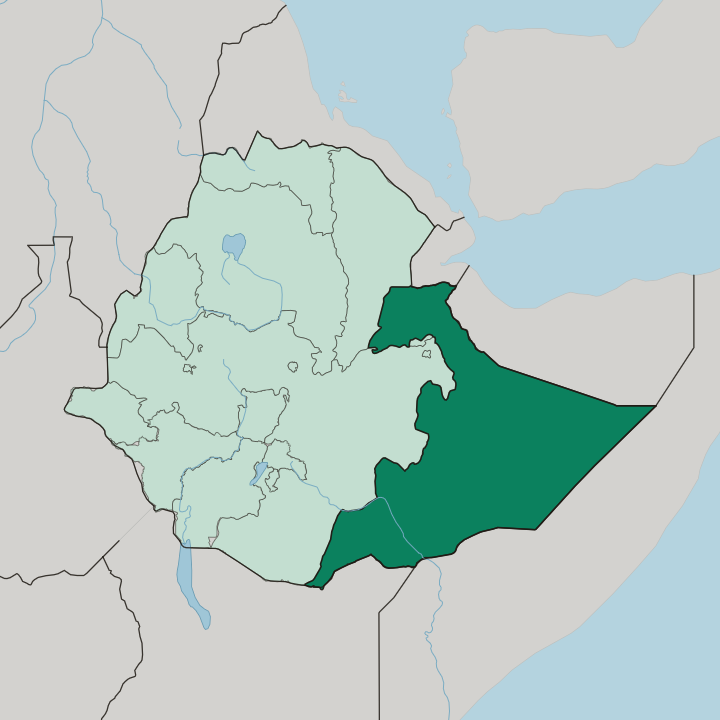
The Somali Region wraps around the whole eastern flank of Ethiopia, the second largest of the country's regions after Oromia. Its core is the Ogaden, a broad plateau that slopes from about 1,500 metres in the north-west down to roughly 300 metres along the Wabe Shebelle in the south. Rainfall is thin across the Ogaden.
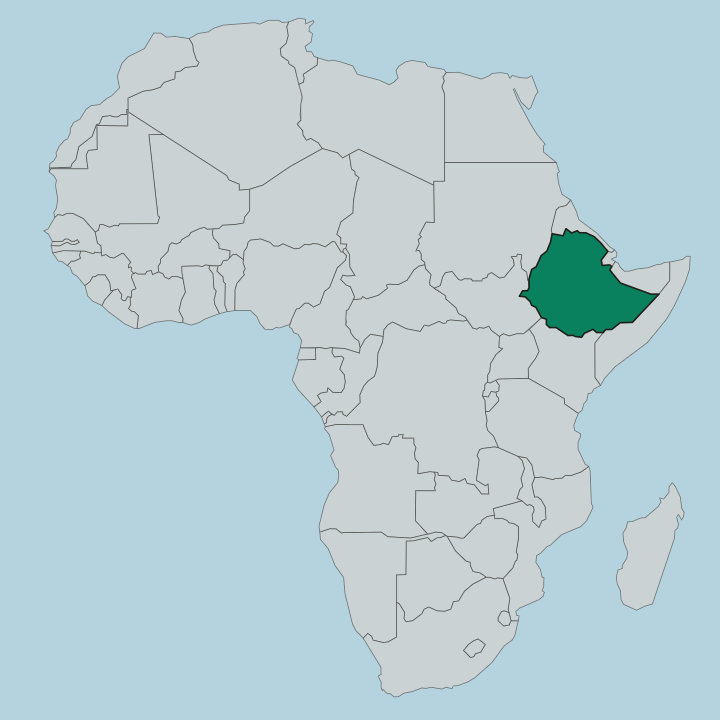
Oromia lies to the west and the Afar Region to the north-west, while the rest of the border is international: Djibouti and Somaliland to the north and north-east, Somalia along the long eastern and southern arc, and Kenya at the far south-western corner. The Wabe Shebelle is the defining river, rising in the Ethiopian Highlands and cutting south-east across the plateau toward Somalia before it ever reaches the sea. At the region's south-western edge the Dawa and the Genale gather to form the headwaters of the Jubba.
Most of the rest is thornbush and open grazing. Jijiga sits up in the cooler north-east near the Somaliland frontier, backed by the Karamara hills, and it is from that highland corner that the country steps down into the vast Somali lowland.
What is Somali Region like?
Somali is the language of almost everyone here, the same tongue spoken across the Horn, and Islam is the faith of the region without exception. The culture is a pastoral one. For generations families have herded camels alongside goats and cattle, moving with them across the Ogaden as the seasons turn, and the camel above all measures wealth and pride.
Clan is the frame of social life. The Ogaden, a branch of the wider Darod, are the dominant clan family across most of the region, and lineage still orders who belongs where. Poetry carries enormous weight in this world, recited and memorised, and a well-turned line can settle a dispute or start one.
Jijiga, up on its plateau, is the point where herders come in to trade: a market of livestock dealers, tea houses and khat sellers where the wider Somali world does its business. The old way and the new sit side by side.
What is the history of Somali Region?
The Ogaden gives the region its older name and much of its history. Long a land of Somali herders on the edge of the Ethiopian state, it was ceded to Ethiopia by Britain in 1955, to the anger of Somalis who felt closer to Somalia across the line. That grievance boiled over in the Ogaden War of 1977, when Somalia's army swept in and was driven back only after Ethiopia's allies intervened.
War left deep marks. When Ethiopia reorganised itself along ethnic lines in the early 1990s the area became the Somali Region, and the capital moved to Jijiga in 1995 from Gode in the south.
What is the climate of Somali Region?
This is a hot, dry region for most of the year. Rain is scarce and unreliable across the Ogaden, falling mainly in two short seasons that pastoralists watch closely, because a failed rains means a hard year for the herds. The lowlands around the Wabe Shebelle bake.
Jijiga is the exception: high enough on its plateau to stay milder and greener than the plains below, cool at night and never as fierce as Gode in the south. Drought is the region's oldest enemy.
How do you get to Somali Region?
Almost everyone arrives through Jijiga. Ethiopian Airlines flies the short hop from Addis Ababa into Jijiga's airport several times a day, and that flight is how most outsiders reach the region, skipping a very long overland haul. There are strips at Gode and Kebri Dahar for the deep south.
By road the region connects west through Oromia toward Addis Ababa and north across the frontier toward Somaliland's port at Berbera, the trade line that keeps Jijiga's markets stocked. Distances out here are long and the country between towns is empty.
Common questions
What is the best area to stay in Somali Region?
Jijiga: a highland base for the Ogaden. Gode and the southern lowlands: the Shebelle river country of the deep south. The Ogaden interior: camel-herding country off the road.
More regions in Ethiopia
Updated September 2026