Experience · Sweden
Beach in Sweden
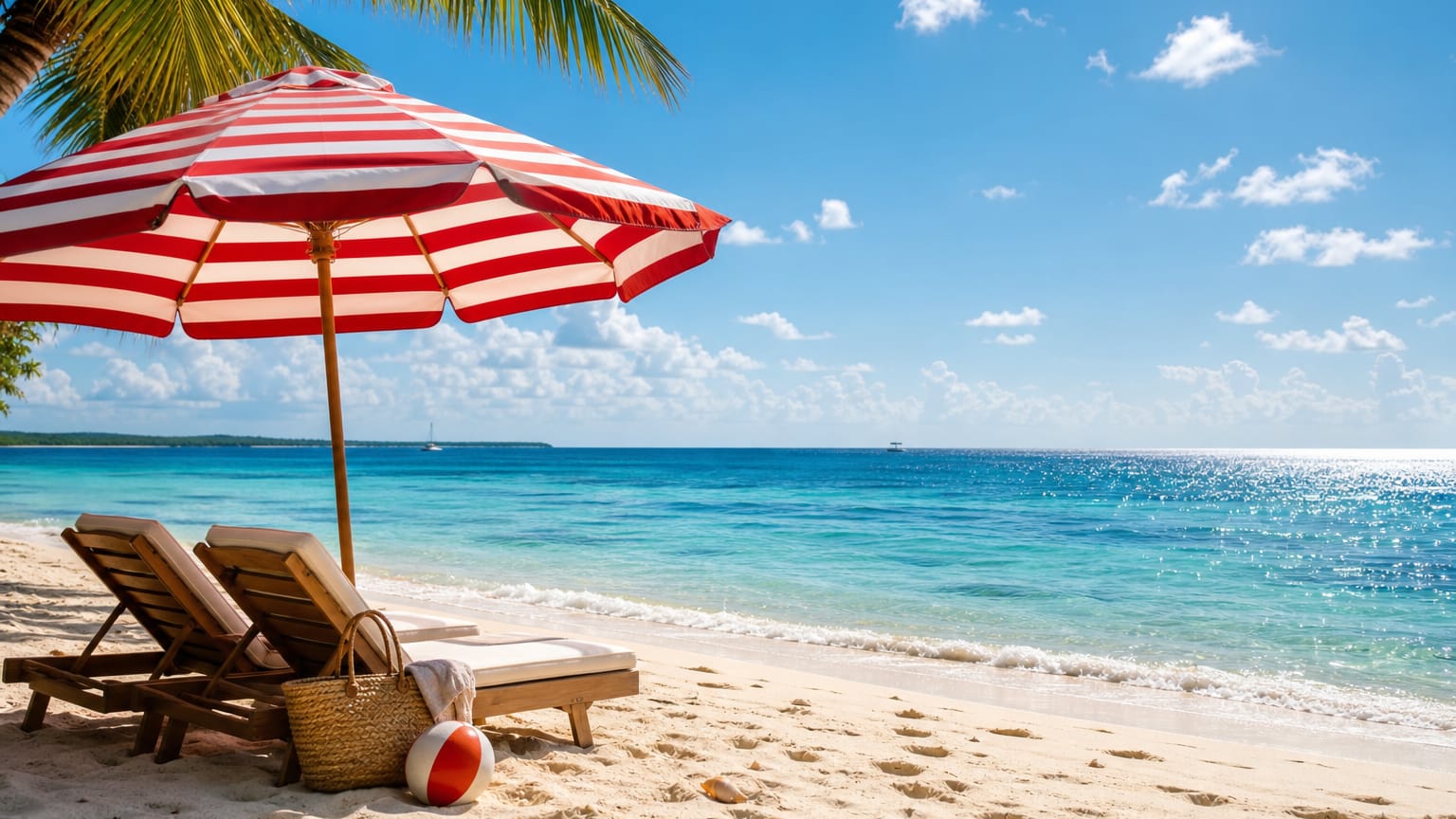
Sweden's bathing season is short, and valued accordingly: a stretch of high summer when the light lingers late and the water, fed by the brackish Baltic, warms just enough to swim. The reward is a coastline of long, pale sands rather than crowded resorts. Halland strings together broad beaches along its shore, the open sweep near Halmstad among the best known. South in Skåne, the flat Falsterbo peninsula and the dune-backed sands toward Ystad catch the sun and the wind in equal measure. Offshore, Öland and Gotland trade forest for shallow, sandy water, and Gotland's outlying island of Gotska Sandön is essentially a drift of sand set down in the sea. These are places to read the weather, walk at low light, and treat a warm day as something earned. The hub below gathers the stretches Sweden is most widely known for.
Where to stay →Best places to stay for beach
Ranked by global recognition — how widely each place is read about across Wikipedia's language editions. Never paid placement, prices, or reviews.
Malmö
Skåne County · SwedenMalmö's Ribersborg runs as a long city beach below the Turning Torso, with the wooden kallbadhus open for sea baths in every season.
Helsingborg
Skåne County · SwedenHelsingborg's sands start at the Fria bad and Pålsjö's cold-bath house north of the harbour, with Denmark in view across the sound.
Halmstad
Halland County · SwedenTylösand's broad sands west of Halmstad headline Sweden's beach summer, with Östra stranden's dunes closer to town.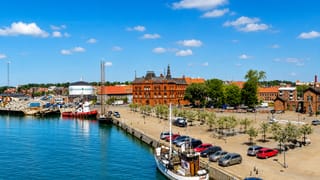
Ystad
Skåne County · SwedenYstad's Sandskogen beach runs east from town under planted pines, the start of the sand coast that peaks at Sandhammaren.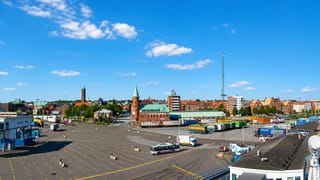
Trelleborg
Skåne County · SwedenTrelleborg faces due south, with Skåre's harbour sands west of town and Beddingestrand's long swimming shore to the east.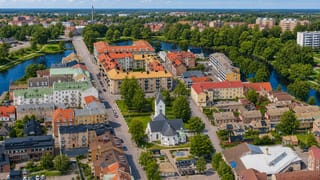
Ängelholm
Skåne County · SwedenÄngelholm's beach curves along Skälderviken in a six-kilometre arc of sand and dunes, backed by the Kronoskogen pine forest.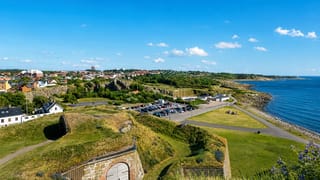
Varberg
Halland County · SwedenVarberg mixes its Moorish-styled cold-bath house on stilts with Apelviken's surf bay, where boards outnumber bathers on windy days.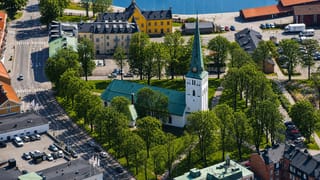
Motala
Östergötland County · SwedenVättern's water runs cold, but Varamon's wide, shallow sands at Motala warm fast in the sun, which is why the bay fills with families.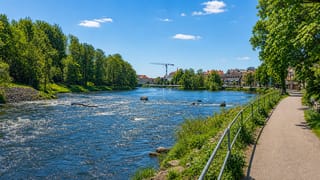
Falkenberg
Halland County · SwedenSkrea strand gives Falkenberg a long sweep of swimming sand south of the Ätran's mouth, with bathing jetties over shallow water.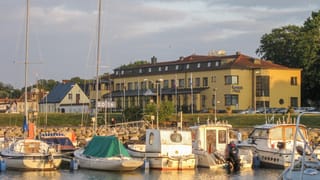
Simrishamn
Skåne County · SwedenSimrishamn's Tobisvik beach starts at the town's edge, opening Österlen's run of coves below apple orchards and fishing hamlets.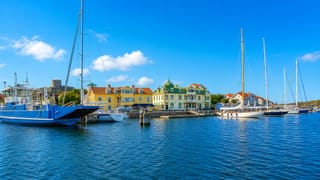
Marstrand
Västra Götaland County · SwedenGranite skerries shelter the car-free island town of Marstrand, an old sailing resort in Västra Götaland County crowned by Carlsten fortress.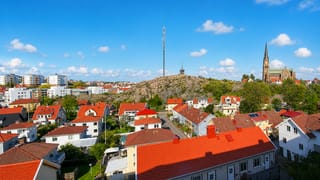
Lysekil
Västra Götaland County · SwedenLysekil swims off pink Bohus granite at Stångehuvud, with the Pinnevik cove's sand and a string of bathing ladders around the cape.10 more Beach destinations
Common questions
What makes a beach destination worth the trip?
Water quality and shelter come first: a swimmable, clean shore beats a long but exposed one. After that it is the town — places that live year-round keep their restaurants and transport when the season ends, which is what separates a beach resort from a beach with a car park.