Finland · Lapland
Where to Stay in Posio, Lapland
Posio is a lake-and-fell municipality in Lapland, in the Arctic north of Finland.
Find your area →


Where to stay in Posio
Each area has its own feel; here's who each one suits.
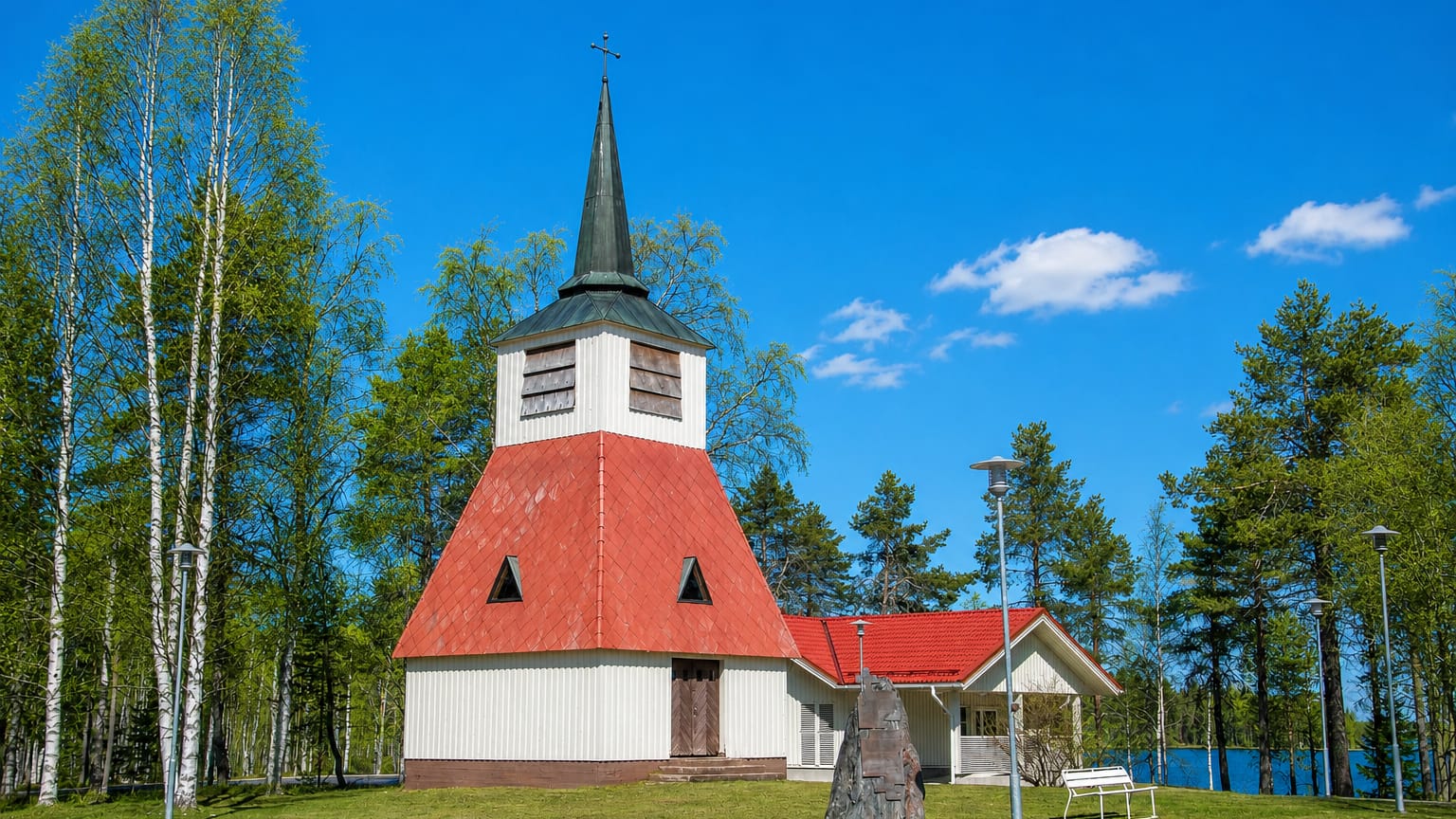
Posio keeps a small stock of beds for a large municipality of Lapland, the kind of Arctic lake country where a guesthouse, a holiday village or a forest cabin is the usual room rather than a row of hotels. The church village around the Posion kirkko suits visitors who want the shops, the services and the parish church within an easy reach. The village holds the services.
Out along the lakes and fells, cabins and cottages stand near the high bogs of the Riisitunturin kansallispuisto and the wooded islands of the Hakkusaari and the Sammalsaari, a good base for walking, paddling and skiing across the waters of southern Lapland. Cabins lie far apart out here. Visitors drawn to the old timber trade often base near the village of Sirniö and the log-floating bases of the Lapin uitto- ja savottatukikohdat, while many travellers instead sleep in the larger towns of Lapland and drive in for the day.
Reserve a room early for the winter and summer seasons, when the small stock around Posio runs out.
Things to do in Posio
Ranked by global recognition; descriptions from Wikidata (CC0).
Churches & Religious Sites
2- Posion kirkko
- Posion helluntaiseurakunta
Nature & Outdoors
7- Haapasaari Heritage
- Hakkusaari Heritage island
- Antinsaari Heritage
- Ammesaari Heritage
- Sammalsaari Heritage
Show 2 more →
- Sarvisaari Heritage
- Vellikannansaari Heritage
worth knowingacross 2 categories in Posio
About Posio
What is Posio known for?
Posio is known for its wide waters and the fells of southern Lapland, a municipality of lake and forest in the Arctic north. The hanging bogs and snow-laden spruce of the Riisitunturin kansallispuisto draw walkers to the high fells, and the church village gathers around the Posion kirkko. Water fills the kunta.
Wooded islands such as the Hakkusaari and the Sammalsaari stand in the lakes, and the old log-floating bases of the Lapin uitto- ja savottatukikohdat near the village of Sirniö carry the working past of this corner of Lapland.
What are the main landmarks in Posio?
The Riisitunturin kansallispuisto is the landmark that draws most travellers to Posio, a national park of hanging bogs and snow-bent spruce crowning the fells above the lakes. Lakes and rivers set the rest of Posio's shape. The church village holds the Posion kirkko.
The wooded islands of the Hakkusaari, the Sammalsaari and the Vellikannansaari stand in the lakes, and the old log-floating bases of the Lapin uitto- ja savottatukikohdat near the village of Sirniö trace the timber trade of this part of Lapland.
What is the history of Posio?
Posio's history is the history of settlement around the great waters of southern Lapland, the lakes worked by fishers and trappers long before the modern kunta took shape. Early people of the area lived by the water and the forest, the wooded islands of the Hakkusaari and the Sammalsaari and the scattered farms of the lakeshore marking a thin Arctic settlement around the village that would become Posio. Lake and forest came first.
The old farm of the Naumanniemen talo keeps the marks of that early life on the water. The municipality itself was chartered in 1926, the church village gathering around the Posion kirkko on the shores of the kunta. Timber later drove the economy, the log-floating and logging bases of the Lapin uitto- ja savottatukikohdat moving wood down the waterways from the forests around Sirniö and the wider parish.
The high fells above the lakes were later protected as the Riisitunturin kansallispuisto, guarding the hanging bogs of the heights. Posio settled into its modern role as a lake-and-fell municipality of Lapland, its life still set by the water, the forests and the long northern winters.
Where is Posio?
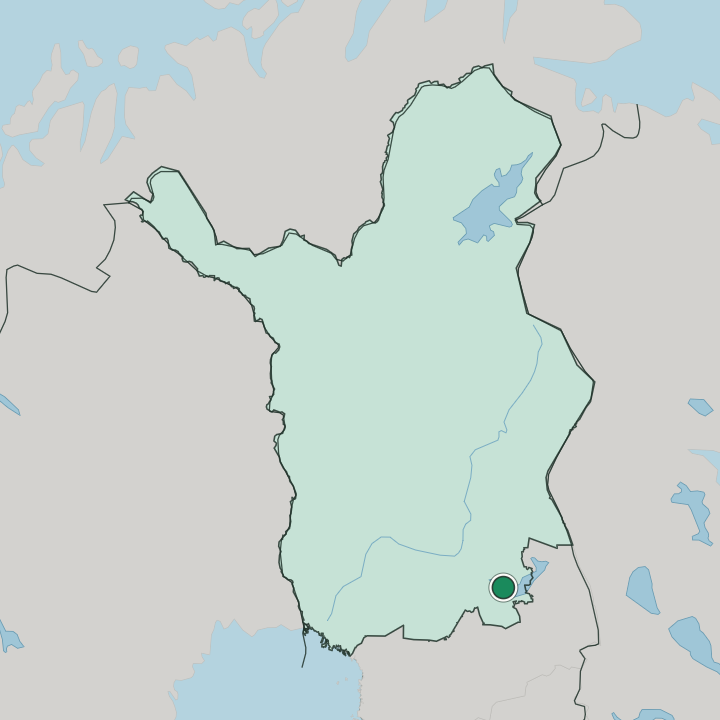
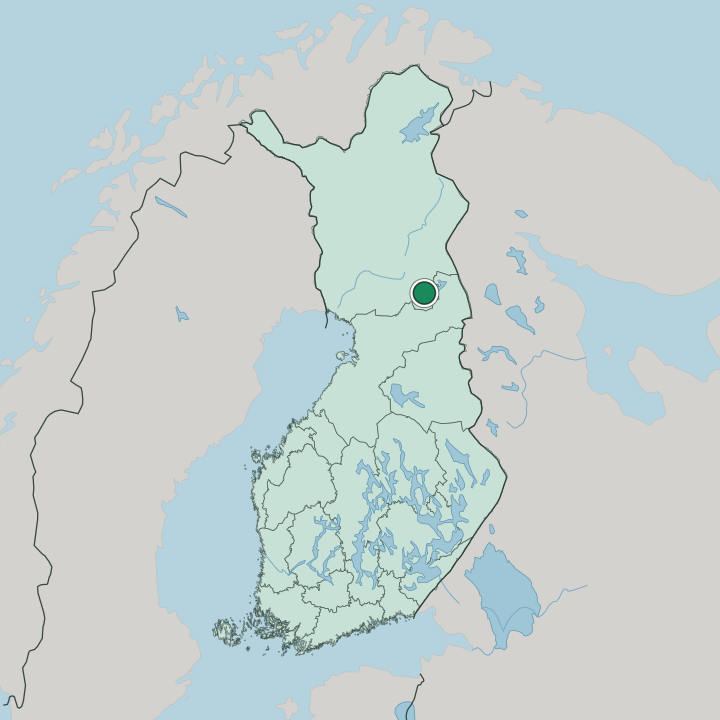
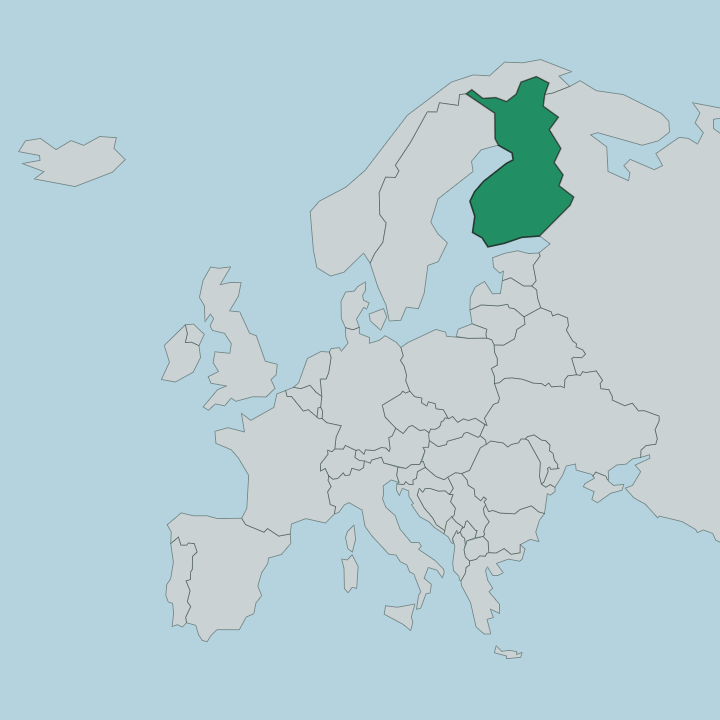
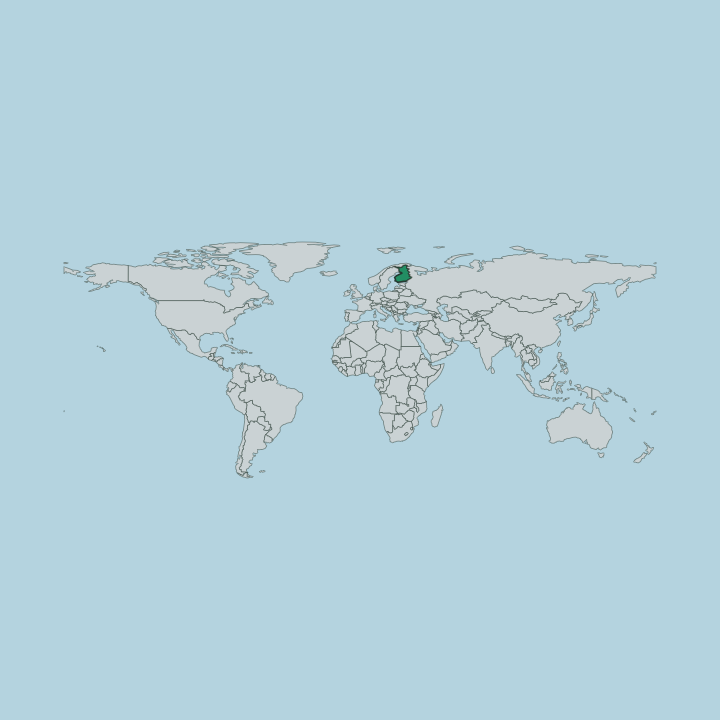
Posio lies in Lapland, in the Arctic north of Finland, a large municipality of lake, forest and fell set far inland. Water covers much of the kunta, the wooded islands of the Hakkusaari, the Sammalsaari and the Vellikannansaari standing in the lakes while the church village around the Posion kirkko holds the centre. Fells rise to the heights.
The hanging bogs of the Riisitunturin kansallispuisto crown the high ground on one edge of the parish, marking this remote corner of Lapland.
What is the climate of Posio?
Posio has the harsh subarctic weather of southern Lapland, its seasons set by the great lakes and the high fells of the kunta. The dark season runs long. Winters are deeply snowy, the ice locking the wooded islands of the lakes and the high bogs of the Riisitunturin kansallispuisto from early autumn until a late thaw.
The brief open season lingers in long light. Northern daylight then warms the water and the forests around the Posion kirkko, the weeks of walking and paddling before the snow returns to this part of Lapland.
How do you get to Posio?
Posio is reached by road through the lake country of Lapland, in the Arctic north of Finland. Most traffic comes by car along the main road to the church village around the Posion kirkko, the natural centre of the spread-out kunta. No railway runs out this far.
Buses link Posio to the larger towns of Lapland, and travellers from farther afield reach the Arctic north through the regional cities and airports before the last long stretch into the fells and lakes of the parish.
Good for
More cities in Lapland
Updated September 2026