Finland · Lapland
Where to Stay in Simo, Lapland
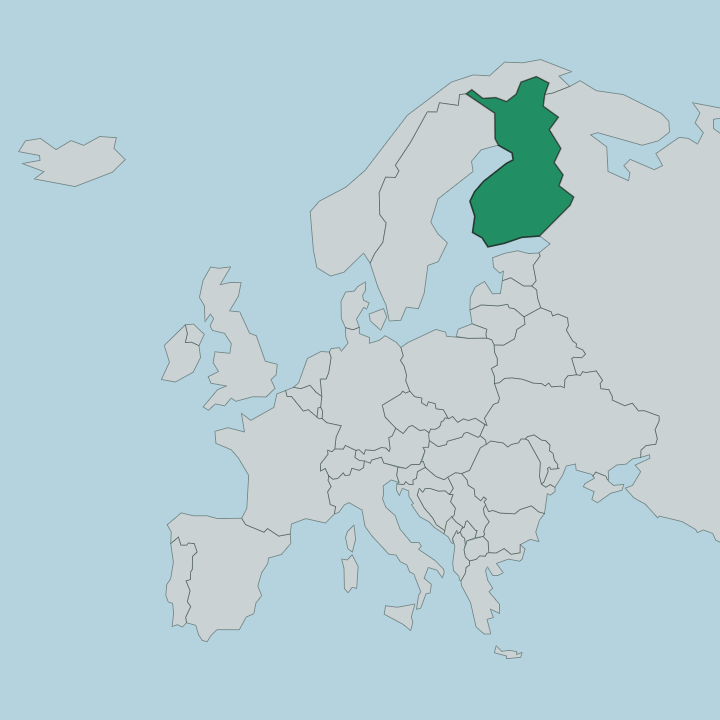
Simo is a coastal municipality in Lapland, in the Arctic north of Finland, where the Simojoki meets the Gulf of Bothnia.
Find your area →


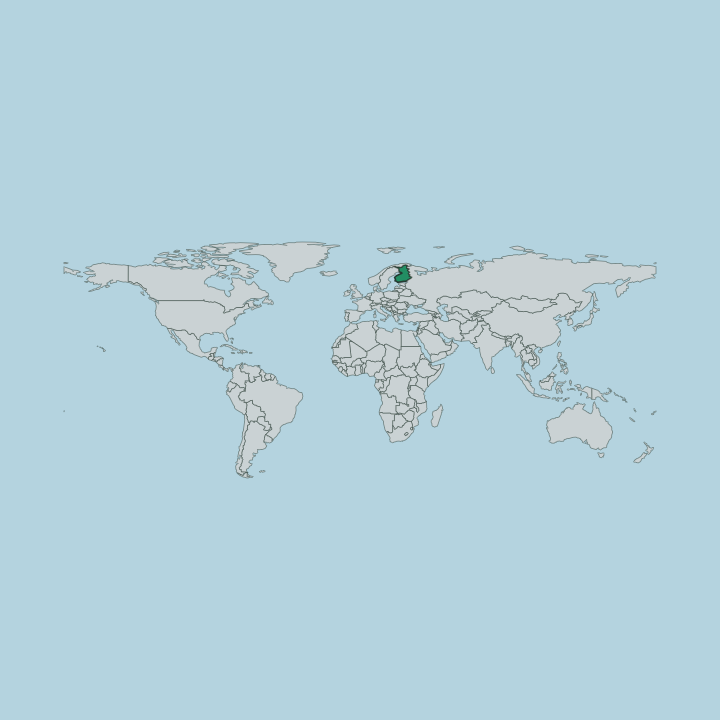
Where to stay in Simo
Where you base yourself shapes the visit — here's the character of each area.
Simo keeps a thin stock of beds for a coastal kunta of Arctic Lapland, the kind of place where a cottage by the Simojoki or a guesthouse near the shore is the usual room. The old shore villages of Simonkylä and Simoniemi suit visitors who want the Gulf of Bothnia coast and the parish church of Simon kirkko close at hand, the heritage village ground of the Simonkylän ja Simoniemen kyläasutus spread along the old water's edge. It is the historic heart.
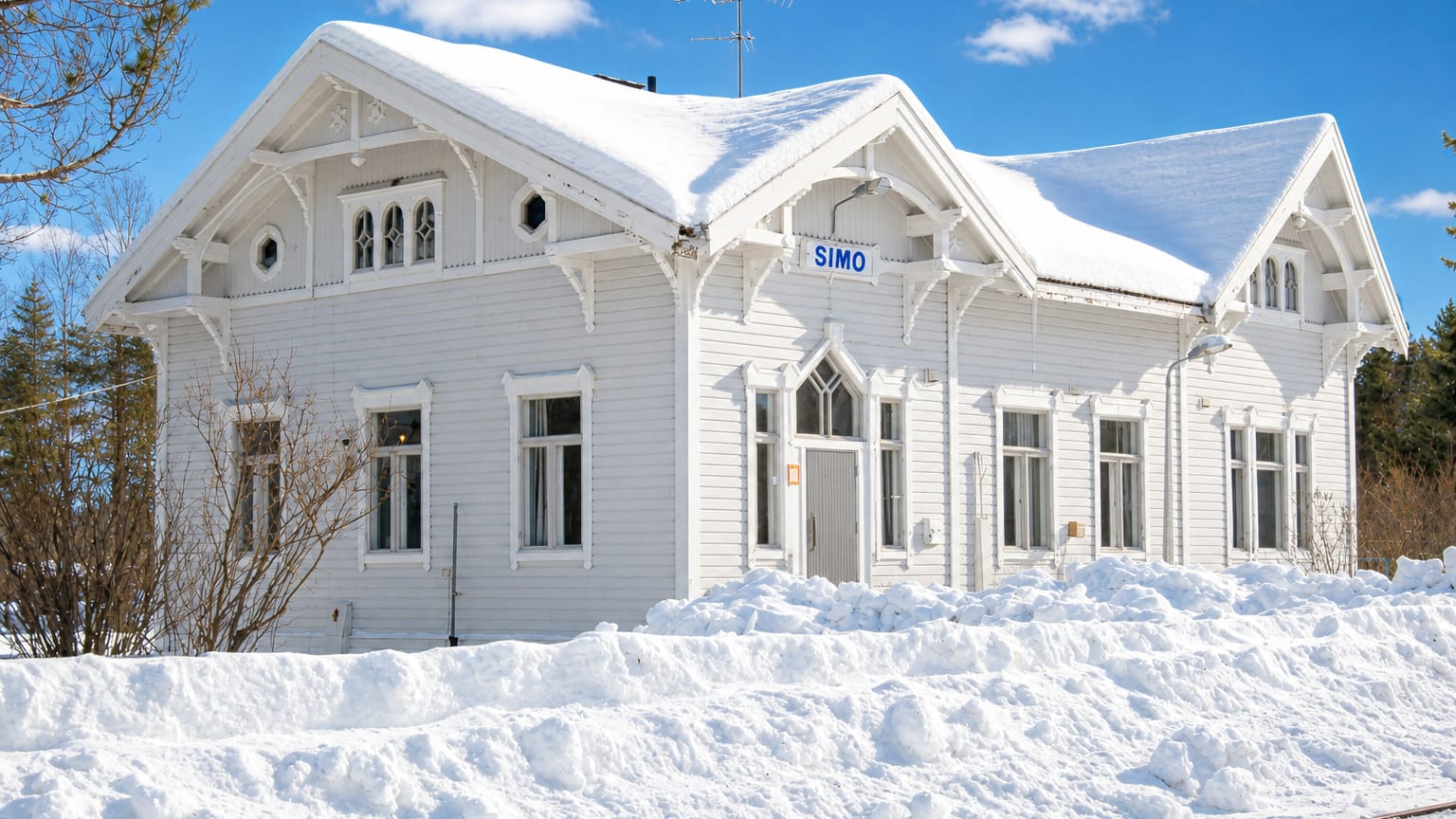
Anglers chasing wild salmon often base themselves by the Simojoki itself, in riverside cabins set among the pines, an easy reach of the fishing pools that draw most summer visitors to this corner of Lapland. Beds are scarce off the river. Travellers keen on the local past stay near the Pahnilan museo or the old Simon rautatieasema, while many instead sleep in the larger towns down the Gulf of Bothnia coast and drive up the Pohjanmaan rantatie for the day.
Book ahead in summer, when the salmon season fills the few rooms along the Simojoki and the shore.
About Simo
What is Simo known for?
Simo is known for its wild-salmon fishing on the Simojoki and for the old shore villages of Simonkylä and Simoniemi, set on the Gulf of Bothnia coast of Lapland. Anglers come for the river. The white Simon kirkko stands over the parish, with the old coast road of the Pohjanmaan rantatie running through the kunta and the wooden Simon rautatieasema marking the railway era, while the Pahnilan museo and the meadow sauna at Martimoaava keep the local past of this Arctic corner of Finland.
What are the main landmarks in Simo?
The white Simon kirkko is the landmark that marks the parish, the church standing over the shore villages of this Arctic kunta in Lapland, its detached belfry the Simon kirkon tapuli raised beside it. An old coast road runs past. The historic Pohjanmaan rantatie threads through Simo along the Gulf of Bothnia, while the wooden Simon rautatieasema and its station yard keep the railway era.
Local heritage gathers in the Pahnilan museo, the meadow sauna of the Martimoaavan niittysauna stands out on the Martimoaapa mire, and the old village ground of the Simonkylän ja Simoniemen kyläasutus lines the Simojoki near its mouth.
What is the history of Simo?
Simo's history begins on the shore. The old fishing and farming villages of Simonkylä and Simoniemi grew along the Gulf of Bothnia at the mouth of the Simojoki, and the parish was set on its own footing when Simo was chartered in 1608, gathered around the church that became the Simon kirkko. River and sea fed the people.
The historic coast road of the Pohjanmaan rantatie linked the shore hamlets of this Arctic edge of Lapland to the wider world long before the rails, and the village ground now kept as the Simonkylän ja Simoniemen kyläasutus preserves that older settlement by the water. Rails reshaped the kunta. The wooden Simon rautatieasema rose as the line pushed up the Gulf of Bothnia coast, its station yard, warehouse and keepers' houses drawing trade and travel to a new point in the parish.
Fishing held its place through it all, the Simojoki famed for wild salmon and the people of Simo working its pools each summer. Later memory gathered in the Pahnilan museo and in worked landscapes like the Martimoaava mire with its meadow sauna, while Simo settled into its long role as a small coastal municipality of Finnish Lapland on the northern arm of the sea.
Where is Simo?
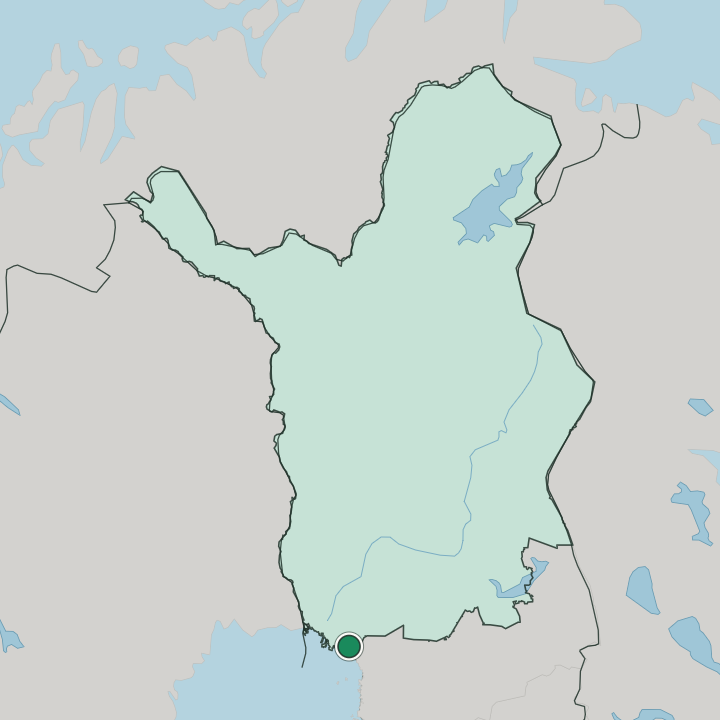
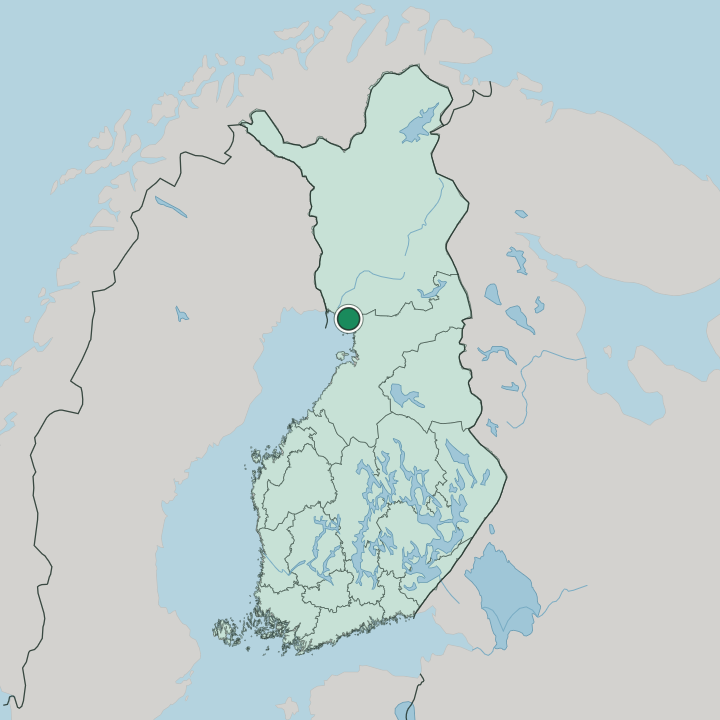
Simo lies on the Gulf of Bothnia at the southern edge of Lapland, in the Arctic north of Finland, where the Simojoki runs out to the sea. The river crosses the broad kunta from the inland bogs and pinewoods to its mouth, the old shore villages of Simonkylä and Simoniemi set near the water and the church of Simon kirkko above them. Wetland spreads far inland.
The wide Martimoaapa mire, with the meadow sauna of the Martimoaavan niittysauna out on its open ground, fills the interior of Simo, a flat, watery country of bog, forest and river typical of this northern coast of the Gulf of Bothnia.
What is the climate of Simo?
Simo's climate is set by the Gulf of Bothnia and the far north of Arctic Lapland. Winters are long, dark and hard, with deep snow over the Martimoaapa mire and ice closing the mouth of the Simojoki for months on end. The dark season runs deep here.
Long northern daylight returns in summer, the brief warm season when the wild-salmon run draws anglers to the Simojoki and the shore villages of Simonkylä and Simoniemi catch the light off the sea before the cold comes back down the coast.
How do you get to Simo?
Simo sits on the railway and the coast road up the Gulf of Bothnia, and both reach the kunta. The line stops at the old Simon rautatieasema, the wooden station that marks the railway era, with trains running the coast through the south of Lapland. Road brings most visitors now.
The route up the shore, following the line of the historic Pohjanmaan rantatie, links Simo to the larger towns down the Gulf of Bothnia, and travellers from farther off come through those towns before turning off to the Simojoki and the sea.
Good for
More cities in Lapland
Updated September 2026