United Kingdom · England
Where to Stay in Barrow in Furness, England
Barrow-in-Furness is an industrial port town at the tip of the Furness peninsula in Cumbria, alongside Walney Island and the Irish Sea.
Hotel links are affiliate links: booking through them may earn us a commission, at no extra cost to you. It never affects how places are ranked. How this works


Where to stay in Barrow in Furness
Where you base yourself shapes the visit — here's the character of each area.

 Barrow in FurnessUnited Kingdom
Hindpool
Hindpool is an area and electoral ward of Barrow-in-Furness in Cumbria, covering the western half of the town centre along the Walney Channel.Where to stay → Barrow in FurnessUnited Kingdom
North Scale
North Scale is the northernmost of only four settlements on the Isle of Walney, a mile beyond Vickerstown in Barrow-in-Furness.Where to stay → Barrow in FurnessUnited Kingdom
North Walney
North Walney takes the northern end of Walney inside Barrow-in-Furness, with St Mary the Virgin's Church and the Old School House on its record.Where to stay →Barrow in FurnessUnited KingdomNewbarns
Newbarns is a district of Barrow-in-Furness listed for churches and older houses, Trinity Church, St Aidan's Church, Croft House and Malvern House.Where to stay → Barrow in FurnessUnited Kingdom
Ormsgill
Greenspace covers almost three quarters of Ormsgill, a Barrow-in-Furness ward whose western end is given over to works and industrial estates.Where to stay →Barrow in FurnessUnited KingdomHawcoat
The Furness Abbey Museum and the Ernest Pass Memorial Ground sit in Hawcoat, a Town Council ward of Barrow-in-Furness.Where to stay →Hotel links are affiliate links: booking through them may earn us a commission, at no extra cost to you. It never affects how places are ranked. How this works
Find hotels in Barrow in Furness
Direct booking searches for these neighbourhoods.
The dock end
The harbour side of the centre, where the Dock Museum stands close to the listed frontages of Burlington House and Glenfield House.Find hotels in The dock endthe nature reserves, the beaches and the wind off the Irish SeaWalney Island
The island across the channel, where St Mary the Virgin's Church and two Sites of Special Scientific Interest share one long shoreline. Rooms are few around here — worth securing early.Find hotels in Walney Islandthe Furness Abbey Museum and a quiet night inlandTowards Furness Abbey
The landward side around the Furness Abbey Museum and the lodges at Abbotswood, away from the docks and nearest the Kendal road.Find hotels in Towards Furness AbbeyHotel links are affiliate links: booking through them may earn us a commission, at no extra cost to you. It never affects how places are ranked. How this works
Things to do in Barrow in Furness
Ranked by global recognition; descriptions from Wikidata (CC0).
Museums & Galleries
1- Furness Abbey Museum
Churches & Religious Sites
4- St. James' Church, Barrow-in-Furness Heritage
- St. George's Church, Barrow-in-Furness Heritage
- St Mary the Virgin's Church, Walney Heritage
- St John's Church Heritage
Castles & Historic Sites
1- Grave monument to James Gall Heritage
Stadiums & Sports
2- Holker Street
- Ernest Pass Memorial Ground
Landmarks & Notable Places
8- Burlington House Heritage
- Glenfield House Heritage
- Hector Cottage Hector House Heritage
- Malvern House Heritage
- North Lodge to Abbotswood with attached gatehouse and wing walls Heritage
Show 3 more →
- Old School House Heritage
- South Lodge at Abbotswood Heritage
- St George's House Heritage
worth knowingacross 5 categories in Barrow in Furness
About Barrow in Furness
Ships and steel, then sand.
What is Barrow in Furness known for?
The Dock Museum tells the history of the steelworks, the shipyard and the Barrow Blitz, which between them account for most of what the town has been about. Walney Island answers that. Two nature reserves out there hold Site of Special Scientific Interest designation, and the beaches fill each summer with sunbathers, kitesurfers and caravanners.
What are the main landmarks in Barrow in Furness?
The Dock Museum is the first stop. Furness Abbey Museum covers the older ground inland, Holker Street and the Ernest Pass Memorial Ground carry the sporting side, and St Mary the Virgin's Church stands over on Walney. Churches hold the skyline.
St George's Church, St James' Church and St John's Church divide the parishes between them, while Croft House, Tarnside House, St George's House and the Old School House sit among the listed frontages, and the grave monument to James Gall is a smaller thing worth finding.
What is the history of Barrow in Furness?
Furness Abbey came long before the docks. The Furness Abbey Museum still stands inland from the modern town, marking a monastic holding that shaped this end of the peninsula for centuries before anyone thought of building ships on the shore below it. Then came iron and steel.
Barrow grew from a coastal settlement into an industrial port, and the steelworks with the shipyard between them settled what the place would do. The Dock Museum keeps that record. Steelworks, shipyard and the Barrow Blitz are the three threads it follows, the last of them the bombing that came to an industrial port judged worth attacking.
Listed houses survive around it. Burlington House, Glenfield House, Malvern House, Croft House and Tarnside House stand for the prosperous phase, while the Old School House and Hector House belong to the ordinary end of the same decades. Administration has moved more than the town has.
Barrow was historically in Lancashire and now sits in Westmorland and Furness within Cumbria, a change of paperwork rather than of character. The churches stayed put. St George's Church, St James' Church, St John's Church and St Mary the Virgin's Church on Walney mark the parishes the industrial years filled out, and the lodges at Abbotswood record the landed estate the expanding town eventually reached.
Where is Barrow in Furness?
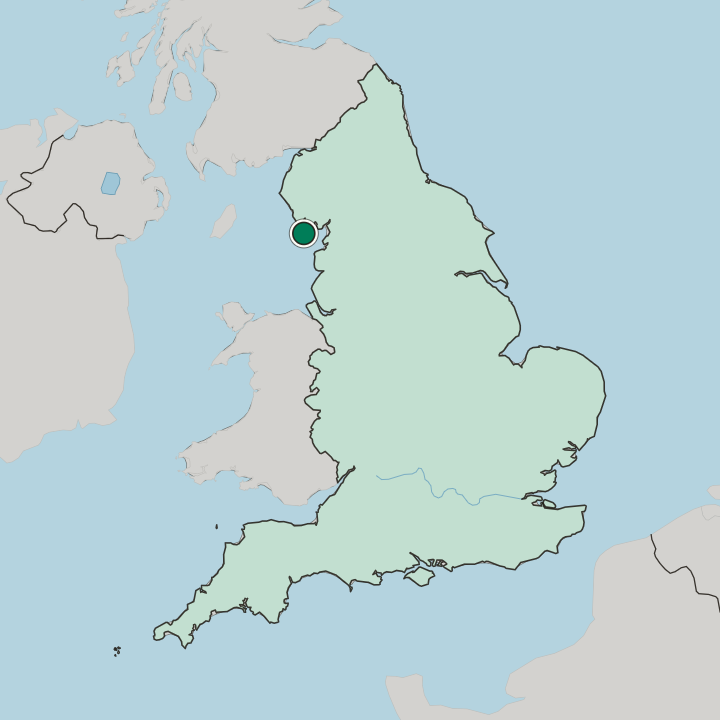
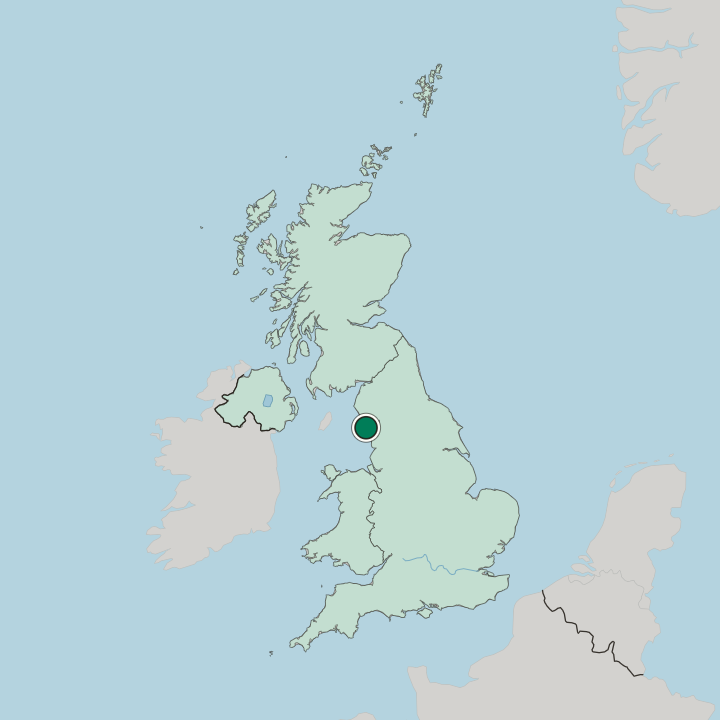
Water on three sides. Barrow-in-Furness occupies the tip of the Furness peninsula with Morecambe Bay to the east, the Duddon Estuary to the west and the Irish Sea to the south, which puts the town about as far into the corner of Cumbria as land allows. Walney Island shelters the front.
Some seventy-eight square kilometres take in the docks, the beaches and the ground running inland past the Furness Abbey Museum.
What is the climate of Barrow in Furness?
The Irish Sea runs the weather. Wind off it crosses Walney Island before it reaches anything else, which leaves Barrow-in-Furness milder through winter and cooler through summer than places well inland, and makes the beaches a bracing proposition even at the height of the season. Rain arrives sideways.
Morecambe Bay and the Duddon Estuary do nothing whatever to slow it down.
How do you get to Barrow in Furness?
Everything arrives down the peninsula. Barrow-in-Furness stands some 39 kilometres south-west of Kendal and 29 kilometres west of Lancaster, out at the far end of the Furness peninsula, which is why the town feels further from the rest of Cumbria than either distance suggests. Carlisle is the only larger urban area. The Dock Museum, Holker Street and the centre then fall within a short run of one another.
Common questions
What is the best area to stay in Barrow in Furness?
The dock end: the Dock Museum and the shipyard town on foot. Walney Island: the nature reserves, the beaches and the wind off the Irish Sea. Towards Furness Abbey: the Furness Abbey Museum and a quiet night inland.
Good for
More cities in England
Updated October 2026