United Kingdom · England
Where to Stay in Blackburn, England
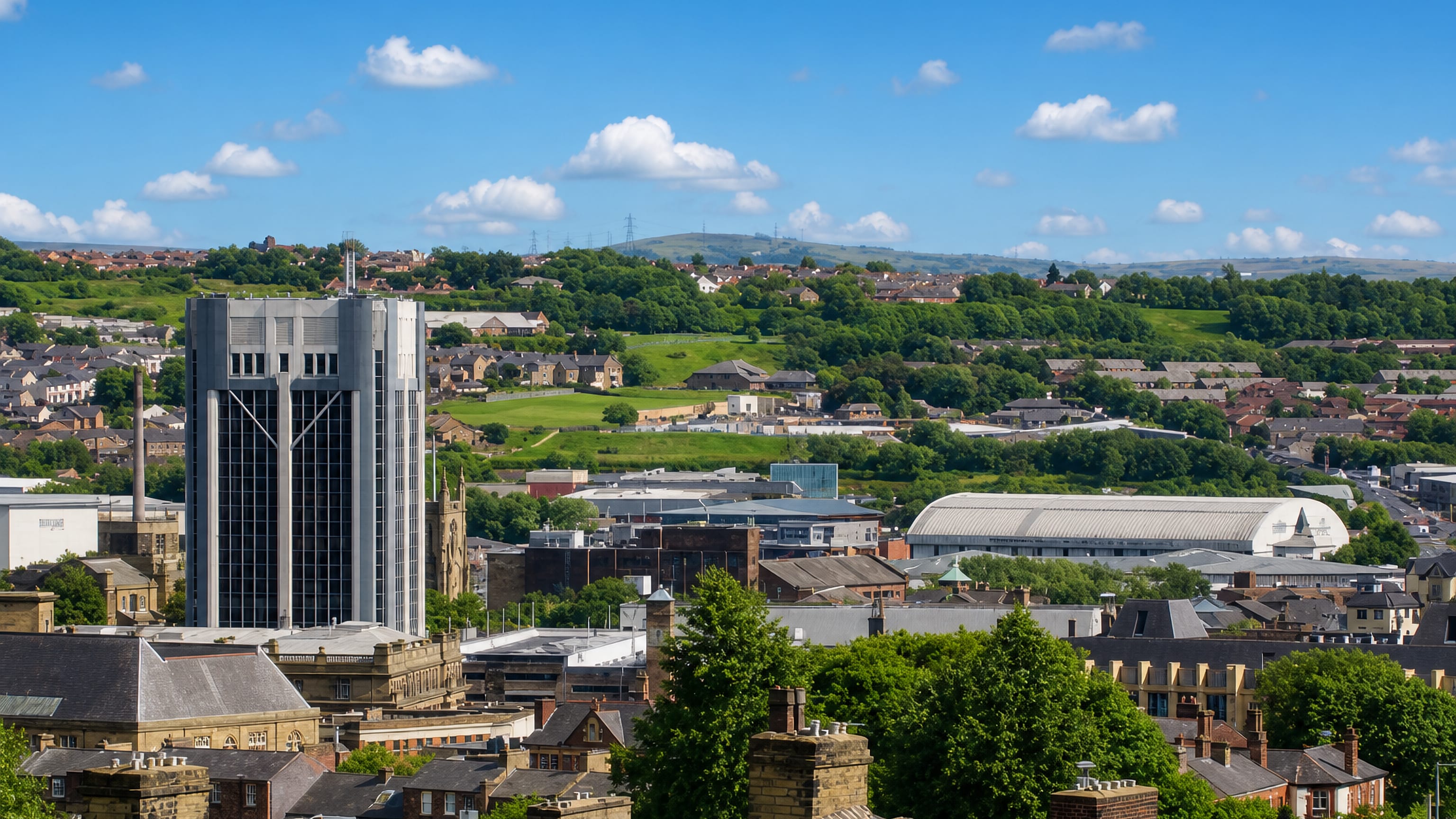
Blackburn is the administrative centre of Blackburn with Darwen, an industrial Lancashire town under the West Pennine Moors.
Hotel links are affiliate links: booking through them may earn us a commission, at no extra cost to you. It never affects how places are ranked. How this works


Where to stay in Blackburn
The right area depends on your trip — here's what each neighbourhood is best for.

 BlackburnUnited Kingdom
Beardwood
Part of the medieval Witton Old Hall survives in Beardwood, a village suburb on the western edge of Blackburn, close to the village of Mellor.Where to stay → BlackburnUnited Kingdom
Little Harwood
Little Harwood is a suburb at the northern edge of Blackburn, in Lancashire, where Holy Trinity Church and St Stephen's Church hold the older names.Where to stay → BlackburnUnited Kingdom
Mill Hill
Three churches and two listed houses give Mill Hill its record, a residential ward southwest of Blackburn town centre in Lancashire.Where to stay →BlackburnUnited KingdomShadsworth
Shadsworth is a residential quarter of Blackburn, built out beyond the town's older streets and gathered around St Jude's Church.Where to stay →Hotel links are affiliate links: booking through them may earn us a commission, at no extra cost to you. It never affects how places are ranked. How this works
Find hotels in Blackburn
Direct booking searches for these neighbourhoods.
Church Street
The Church Street quarter of Blackburn, where the oldest surviving frontages stand a few minutes from the Blackburn Museum and Art Gallery, with St Stephens Conservative Club and King Street just off it.Find hotels in Church StreetWitton Old Hall and the ground around Feniscliffe BridgeRedlam and Witton
The Redlam side of Blackburn, where the surviving part of Witton Old Hall stands north-east of Feniscliffe Bridge and the streets thin out into walking country. Rooms are few around here — worth securing early.Find hotels in Redlam and WittonKnuzden Hall, easy parking and the road toward DarwenKnuzden
The Knuzden edge of Blackburn with Darwen, where Knuzden Hall stands past the last terraces and a car stops being a nuisance. Rooms are few around here — worth securing early.Find hotels in KnuzdenHotel links are affiliate links: booking through them may earn us a commission, at no extra cost to you. It never affects how places are ranked. How this works
Things to do in Blackburn
Ranked by global recognition; descriptions from Wikidata (CC0).
Museums & Galleries
2- Blackburn Museum and Art Gallery
- Ainsworth And Sons Ltd Museum
Churches & Religious Sites
5- St Silas' Church Heritage
- St Mark's Church, Blackburn Heritage
- St Gabriel's Church, Blackburn Heritage
- Holy Trinity Church, Blackburn Heritage
- Church of St John Evangelist Heritage
Castles & Historic Sites
1- Part of Witton Old Hall medieval lordly residence 340m north east of Feniscliffe Bridge Heritage
Landmarks & Notable Places
8- 187, Redlam Heritage
- 20, Church Street Heritage
- 28-30, Church Street Heritage
- 36 Church Street Heritage
- 53, King Street Heritage
Show 3 more →
- Canal House Heritage
- Knuzden Hall Heritage
- St Stephens Conservative Club Heritage
worth knowingacross 4 categories in Blackburn
About Blackburn
Industry built the town.
What is Blackburn known for?
The Blackburn Museum and Art Gallery holds the collections that outlasted the working century, and Ainsworth And Sons Ltd Museum keeps a trade on show a short way off. Church Street keeps three of the town's oldest frontages. Holy Trinity Church, St Silas' Church and St Mark's Church give the skyline its verticals, and Canal House marks an older address.
Knuzden Hall sits out on the edge.
What are the main landmarks in Blackburn?
Churches carry the skyline. Holy Trinity Church, St Silas' Church, St Mark's Church, St Gabriel's Church and the Church of St John Evangelist between them account for most of the older stonework in Blackburn. The Blackburn Museum and Art Gallery is the indoor fixture, with Ainsworth And Sons Ltd Museum second.
Canal House and King Street mark the older commercial line. Knuzden Hall lies further out. Witton Old Hall survives only in part, north-east of Feniscliffe Bridge.
What is the history of Blackburn?
Witton Old Hall came first. Only part of that medieval lordly residence survives, standing north-east of Feniscliffe Bridge, and it is the oldest thing the record of Blackburn's landmarks still points to. Knuzden Hall belongs to the same order of building, out where the town thins toward open country, and it is the second of the two halls the record keeps.
Parish churches followed the growth. Holy Trinity Church, St Silas' Church, St Mark's Church and the Church of St John Evangelist each took a district of an expanding industrial town. St Gabriel's Church came later still.
Church Street kept the commercial front, and the surviving houses along it, together with King Street and Redlam, are what remains of that street architecture. Canal House keeps the older name. St Stephens Conservative Club stands from the same civic century.
Administration settled the shape of things when Blackburn became the centre of the Blackburn with Darwen borough, paired with Darwen itself. Blackpool alone is larger. The Blackburn Museum and Art Gallery and Ainsworth And Sons Ltd Museum hold what the working past left behind, and the churches took the rest of the memory into their fabric.
Two names share one council.
Where is Blackburn?
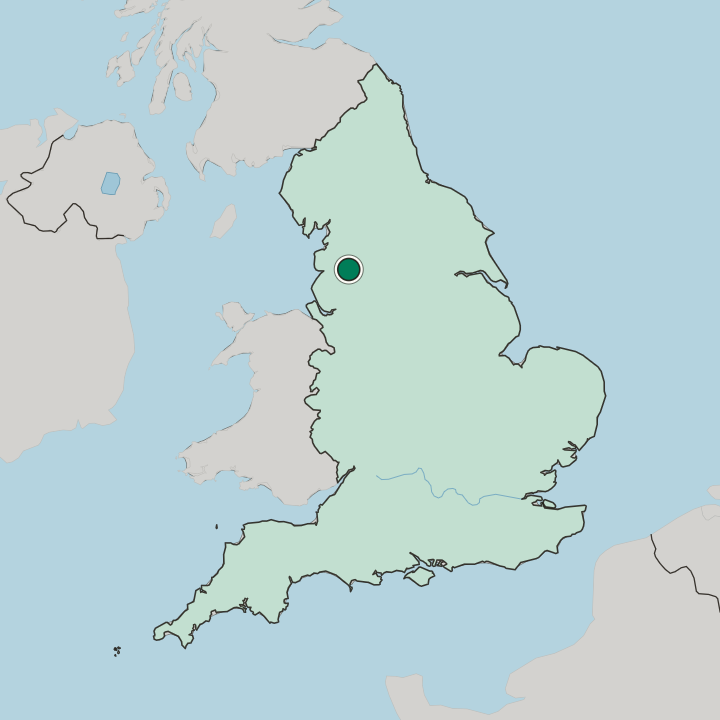
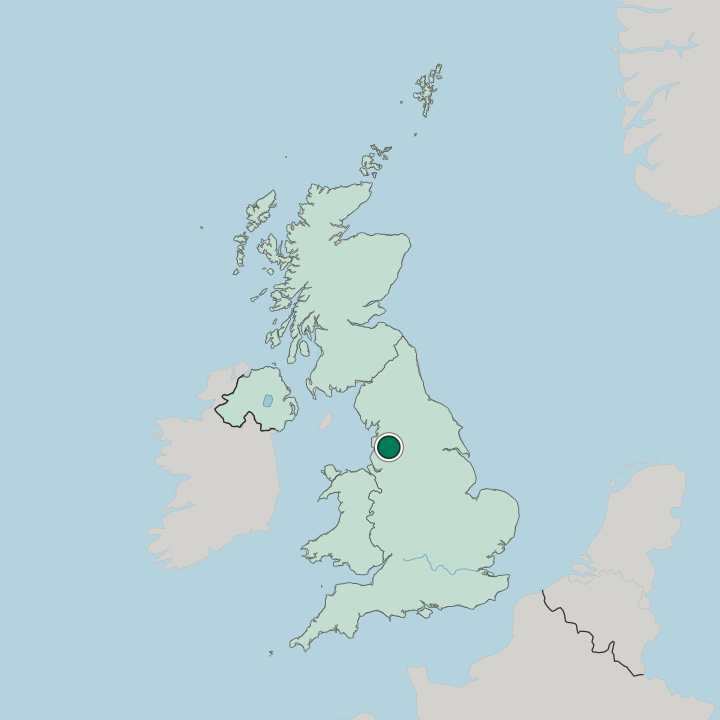
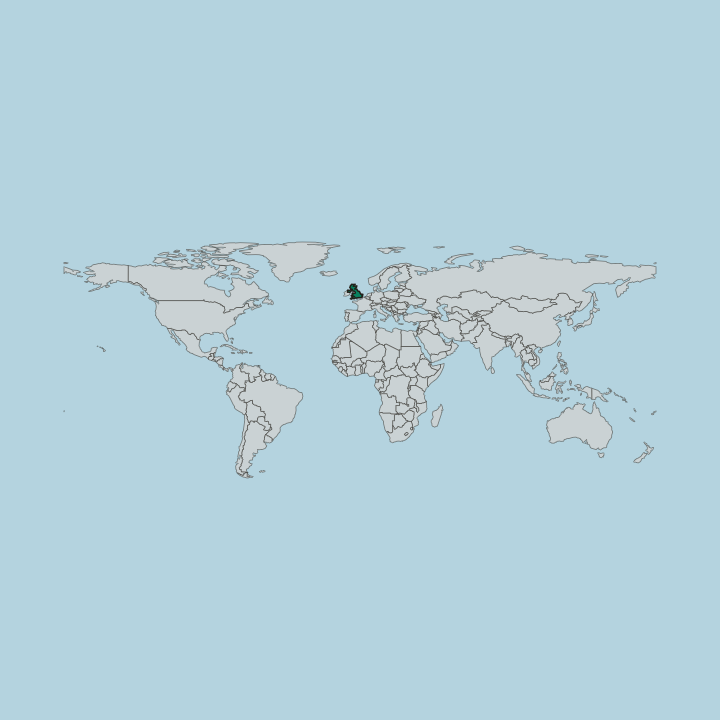
Blackburn lies north of the West Pennine Moors, on the southern edge of the Ribble Valley, eight miles east of Preston and north-north-west of Manchester. The moors close the town in. Darwen shares the borough, and Blackpool is the only Lancashire town larger than this one.
Built ground covers roughly twenty-five square kilometres. Feniscliffe Bridge and Knuzden Hall both sit out past the dense middle, and the ground between them is what the borough calls Blackburn.
What is the climate of Blackburn?
The West Pennine Moors take the first of the weather, and what reaches Blackburn has usually been wrung out over higher ground before it drops into the Ribble Valley. Rain still arrives often. Temperate is the word for it, with cool summers and winters that rarely bite hard.
Grey stretches longer than cold. Preston and Manchester get much the same pattern, which is the general condition of this part of Lancashire.
How do you get to Blackburn?
Preston is the near neighbour. Blackburn sits eight miles east of it and north-north-west of Manchester, which puts the town within an easy run of two much larger places without belonging to either. Darwen lies inside the same borough, close enough to count as part of the same journey.
The West Pennine Moors rise behind the town. Once here, Church Street, the Blackburn Museum and Art Gallery and Holy Trinity Church are all within a walk, while Knuzden Hall wants wheels.
Common questions
What is the best area to stay in Blackburn?
Church Street: the Blackburn Museum and Art Gallery and Holy Trinity Church on foot. Redlam and Witton: Witton Old Hall and the ground around Feniscliffe Bridge. Knuzden: Knuzden Hall, easy parking and the road toward Darwen.
Good for
More cities in England
Updated October 2026