United Kingdom · England
Where to Stay in Bury, England
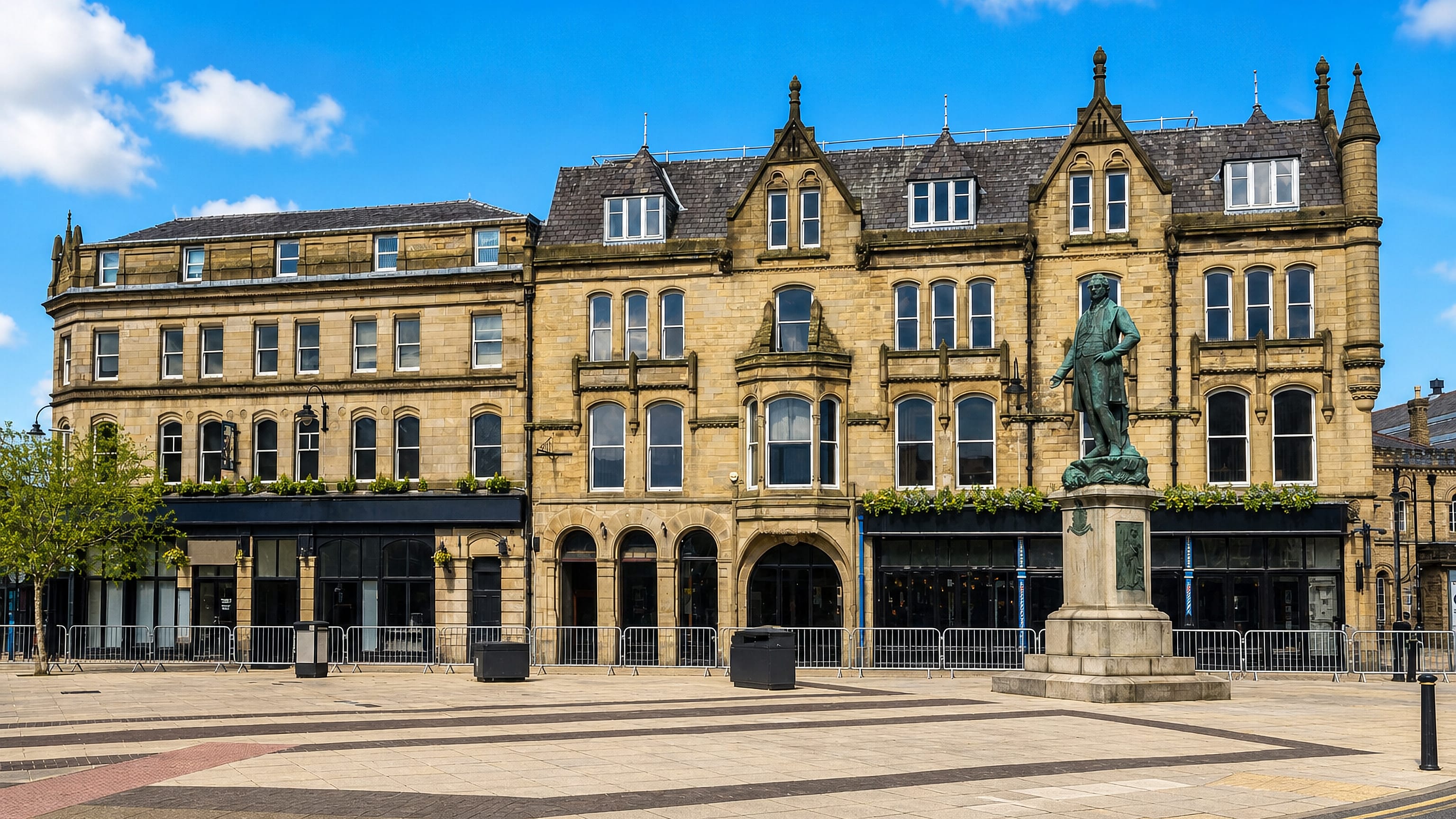
Bury is a former textile-milling market town on the river Irwell in Greater Manchester, with Bury Castle and the East Lancashire Railway among its names.
Hotel links are affiliate links: booking through them may earn us a commission, at no extra cost to you. It never affects how places are ranked. How this works


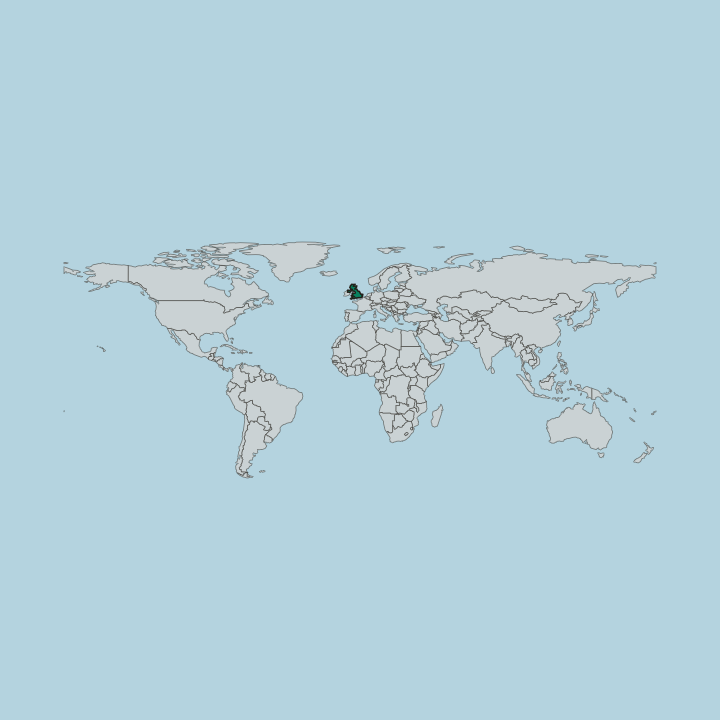
Where to stay in Bury
Each area has its own feel; here's who each one suits.

 BuryUnited Kingdom
Elton
Elton is a suburb of Bury where the River Irwell runs through Burrs Country Park, the ground of former cotton mills whose features remain visible.Where to stay →BuryUnited KingdomWoolfold
Woolfold is a district of Bury with two dedications to its name, St James' Church, Woolfold and All Saints.Where to stay →BuryUnited KingdomFishpool
Fishpool is an area of Bury bounded by Wellington Road, Manchester Road, Gigg Lane and Market Street, a near-square of streets in Greater Manchester.Where to stay → BuryUnited Kingdom
Walshaw
Walshaw is a village inside the Metropolitan Borough of Bury, standing south of Tottington with Christ Church and Lower Walshaw House on its map.Where to stay →Hotel links are affiliate links: booking through them may earn us a commission, at no extra cost to you. It never affects how places are ranked. How this works
Find hotels in Bury
Direct booking searches for these neighbourhoods.
Kay Gardens
The centre around the Kay Monument At Kay Gardens, with Bury Art Museum, The Fusilier Museum and Holy Trinity Church, Bury a few minutes apart.Find hotels in Kay Gardensthe Bury Transport Museum and days on the heritage lineAlong the East Lancashire Railway
The streets beside the East Lancashire Railway, where the Bury Transport Museum stands and the Church of Saint Andrew is a short walk on. Lodging is scarce in this area; reserve in advance.Find hotels in Along the East Lancashire RailwayRadcliffe Tower and Tottington Hall on the borough's edgeRadcliffe and Tottington
The outer parts of the Metropolitan Borough of Bury, marked by Radcliffe Tower, the Parish Church of St Mary, Radcliffe and Tottington Hall. Rooms are few around here — worth securing early.Find hotels in Radcliffe and TottingtonHotel links are affiliate links: booking through them may earn us a commission, at no extra cost to you. It never affects how places are ranked. How this works
Things to do in Bury
Ranked by global recognition; descriptions from Wikidata (CC0).
Museums & Galleries
2- Bury Art Museum Heritage
- The Fusilier Museum
Churches & Religious Sites
8- Church of St Mary the Virgin, Bury Heritage
- Parish Church of St Mary, Radcliffe Heritage
- Holy Trinity Church, Bury Heritage
- St Paul's Church, Bury Heritage
- Christ Church, Walshaw Heritage
Show 3 more →
- Church of St Thomas Heritage
- Church of Saint Anne Heritage
- Church of All Saints Heritage
Castles & Historic Sites
4- Radcliffe Tower Heritage
- Bury Castle Heritage
- Peel Memorial Heritage
- Kay Monument At Kay Gardens Heritage
Landmarks & Notable Places
4- Tottington Hall Heritage
- Elton House Heritage
- Haslam Bank House Heritage
- Lower Walshaw House Heritage
worth knowingacross 4 categories in Bury
About Bury
What is Bury known for?
Mills made the town, and the East Lancashire Railway, the Bury Transport Museum and the Peel Memorial all belong to the century that followed them. Bury Art Museum and The Fusilier Museum hold the indoor half of the list, with the Kay Monument At Kay Gardens outside. Bury Castle came long before either.
Radcliffe Tower stands a short way off.
What are the main landmarks in Bury?
Bury Castle and Radcliffe Tower open the list. The churches run long after them, the Church of St Mary the Virgin, Bury, Holy Trinity Church, Bury, St Paul's Church, Bury, the Church of Saint Andrew, the Church of Saint Thomas, the Church of Saint Anne, the Church of All Saints and the Church of St John. Museums answer indoors.
Bury Art Museum, The Fusilier Museum and the Bury Transport Museum stand near the Peel Memorial and the Kay Monument At Kay Gardens, while Tottington Hall, Haslam Bank House and Lower Walshaw House hold the domestic end.
What is the history of Bury?
Bury Castle came first. The Parish Church of St Mary, Radcliffe and Radcliffe Tower carry the same early layer on the other side of the river Irwell, and the Church of St Mary the Virgin, Bury holds the parish dedication in the town itself. Stone before mills.
Holy Trinity Church, Bury belongs to that older register too. Textiles rewrote everything. Bury turned into a milling town, and the churches multiplied with the workforce, the Church of Saint Andrew, the Church of Saint Thomas, the Church of St Thomas, the Church of Saint Anne, the Church of All Saints and the Church of St John all belong to that expansion.
Kay Gardens marks the change. The Kay Monument At Kay Gardens and the Peel Memorial commemorate names the town attached to that century, and Haslam Bank House and Lower Walshaw House survive from the same building years. Rails followed the mills.
The East Lancashire Railway ran out from the town and the Bury Transport Museum keeps that record, while The Fusilier Museum and Bury Art Museum came to hold the other collections. Greater Manchester absorbed it later. The Metropolitan Borough of Bury drew Radcliffe, Tottington, Walshaw and Bircle into one authority, and Bolton, Rochdale and Manchester closed in around the edges.
Where is Bury?
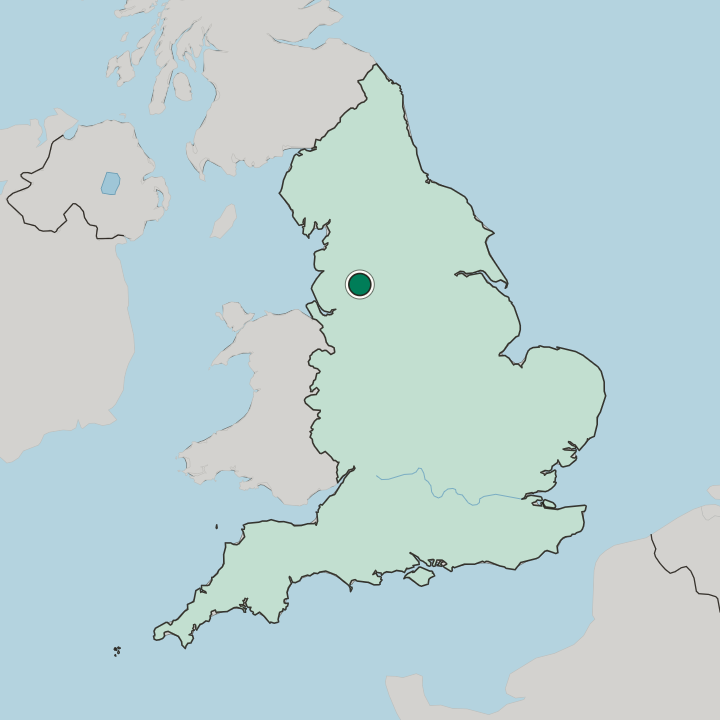
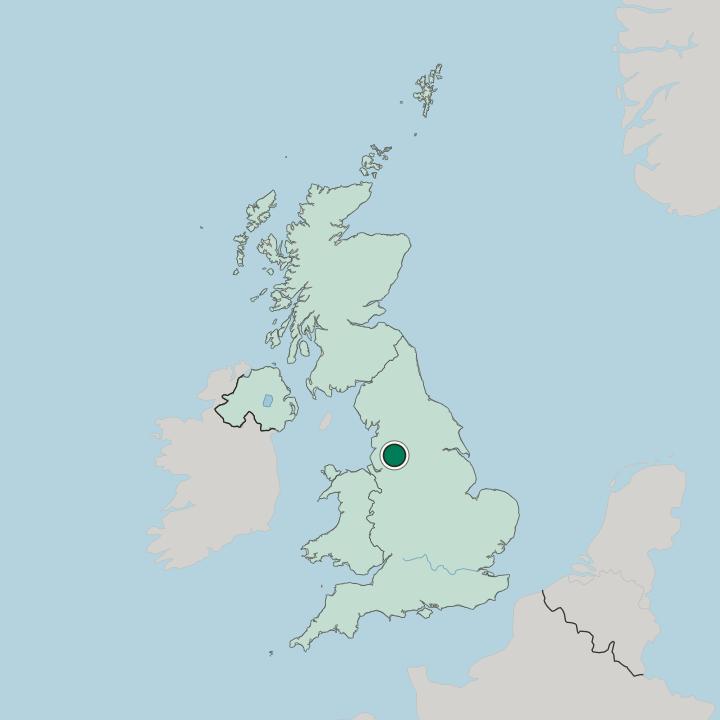
The river Irwell threads through. Bury sits on it five miles east of Bolton, six miles south-west of Rochdale and eight miles north-west of Manchester, which puts the town inside Greater Manchester without putting it inside the city. Radcliffe lies along the same river.
Tottington, Walshaw and Bircle mark the borough's other edges.
What is the climate of Bury?
The Irwell sets the damp tone. Bury sits in the temperate band with the weather that crosses Greater Manchester, so mild months stretch out and sharp ones rarely arrive. The year runs narrow.
Bury Art Museum, The Fusilier Museum and the Bury Transport Museum absorb the wet afternoons, while Kay Gardens and the churchyard at Holy Trinity Church, Bury take whatever dry stretch the calendar hands over.
How do you get to Bury?
The East Lancashire Railway is the local line. Bury lies eight miles north-west of Manchester, five miles east of Bolton and six miles south-west of Rochdale, so approaches come in from the wider Greater Manchester conurbation rather than from open country. The Bury Transport Museum sits with the line.
Kay Gardens takes arrivals into the centre.
Common questions
What is the best area to stay in Bury?
Kay Gardens: Bury Art Museum and The Fusilier Museum within one circuit. Along the East Lancashire Railway: the Bury Transport Museum and days on the heritage line. Radcliffe and Tottington: Radcliffe Tower and Tottington Hall on the borough's edge.
Good for
More cities in England
Updated October 2026