United Kingdom · England
Where to Stay in Chester, England
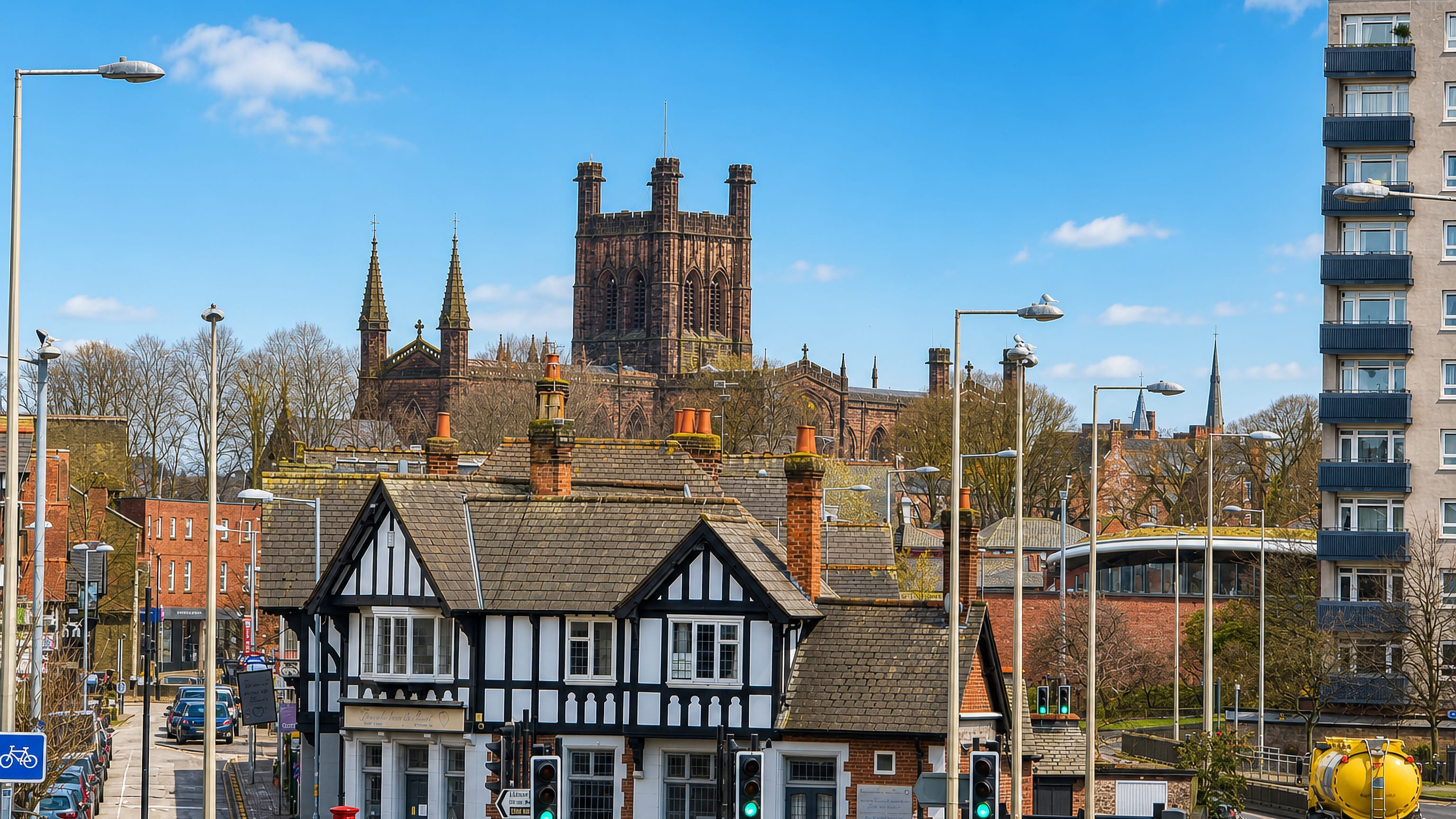
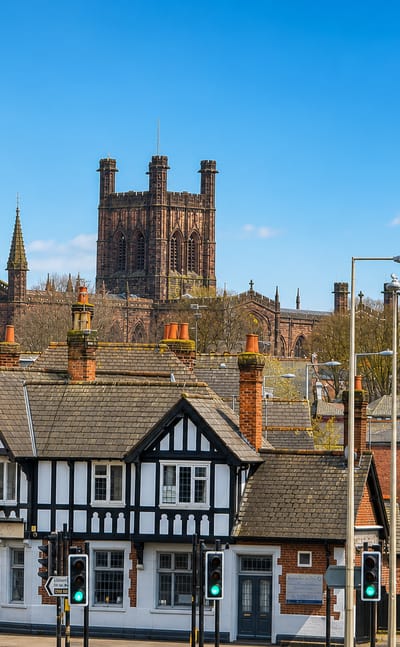
Sandstone walls trace the River Dee at Chester, a cathedral city in Cheshire near the Wales border, known for its Roman amphitheatre and Chester Castle.
Hotel links are affiliate links: booking through them may earn us a commission, at no extra cost to you. It never affects how places are ranked. How this works



Where to stay in Chester
Where you base yourself shapes the visit — here's the character of each area.
 ChesterUnited Kingdom
Upton
Upton-by-Chester is a civil parish and large suburb on the outskirts of Chester, with Chester Zoo among its landmarks.Where to stay →ChesterUnited KingdomAbbot's Mead
Abbot's Mead is a suburb of Chester in Cheshire, lying north-west of the city centre near the Countess of Chester Hospital.Where to stay → ChesterUnited Kingdom
Handbridge
Handbridge is a district of Chester on the south bank of the River Dee, running into Queens Park and keeping St Mary's Church.Where to stay →ChesterUnited KingdomLache
The Lache is a housing estate in Chester, south-west of the city centre and close to the border with Saltney.Where to stay →Hotel links are affiliate links: booking through them may earn us a commission, at no extra cost to you. It never affects how places are ranked. How this works
Find hotels in Chester
Direct booking searches for these neighbourhoods.
Within the walls
The walled core gathers Chester Castle, the Chester Roman Amphitheatre, and Bishop Lloyd's House within a walk of the streets and the old Rows.Find hotels in Within the wallsWalkers near the Water Tower and the River Dee in ChesterRiverside by the Dee
South of the centre the walls meet the River Dee near the Water Tower and the Grosvenor Museum, close to the riverside walks below the old town.Find hotels in Riverside by the DeeFamily days near Chester Zoo on the edge of the cityToward Chester Zoo
The northern edge runs out toward Chester Zoo in open ground near the border with Wales, quieter than the walled centre of Chester.Find hotels in Toward Chester ZooHotel links are affiliate links: booking through them may earn us a commission, at no extra cost to you. It never affects how places are ranked. How this works
Things to do in Chester
Ranked by global recognition; descriptions from Wikidata (CC0).
Museums & Galleries
1- Water Tower, Chester Heritage
Churches & Religious Sites
8- Minerva's Shrine, Chester Heritage
- St John the Baptist's Church, Chester Heritage
- St Peter's Church, Chester Heritage
- St Werburgh's Church, Chester Heritage
- St Thomas of Canterbury Church, Chester Heritage
Show 3 more →
- St Paul's Church, Boughton Heritage
- St Mary's Creative Space Heritage
- Guildhall, Chester Heritage
Castles & Historic Sites
4- Chester Roman Amphitheatre Heritage
- Roman camp 300m west of Upton Grange Farm Heritage
- Roman camp at Upton Heath, beside the water tower north of Long Lane Heritage
- Roman camp at Upton, 350m north east of the water tower north of Long Lane Heritage
Stadiums & Sports
2- Sealand Road
- Boughton Hall Cricket Club Ground
Landmarks & Notable Places
6- Bishop Lloyd's House Heritage
- Dee House Heritage
- 5, Sealand Road Heritage
- Garden Court Heritage
- Newton Hall Heritage
Show 1 more →
- Number 5 and warehouse adjacent to house, including railings and post Heritage
worth knowingacross 5 categories in Chester
About Chester
What is Chester known for?
Chester is known for its Roman and medieval heart, the county town of Cheshire on the River Dee. The walls still circle it. Within them stand the Chester Roman Amphitheatre and Chester Castle, remnants of the legionary fortress of Castra Deva Victrix, while the Grosvenor Museum keeps the city's finds and Chester Zoo draws visitors to its edge near the border with Wales.
What are the main landmarks in Chester?
Chester holds landmarks that run from Roman stone to Tudor timber. The Chester Roman Amphitheatre marks the fortress. Its curved stone arena sits at the wall's edge below the old town, while Chester Castle guards the River Dee, the Grosvenor Museum keeps the finds of Castra Deva Victrix, Bishop Lloyd's House stands among the timbered streets, and Chester Zoo draws visitors to the northern edge.
What is the history of Chester?
Chester began in 79 as the Roman legionary fortress of Castra Deva Victrix on the River Dee. The legions cut the first grid. They built the walls and the great amphitheatre on a bend of the river in what is now Cheshire, and the fortress of Deva grew into a town whose Roman street plan and defences still shape the walled centre of the city that rose above them.
From the Roman ground the medieval city grew, walled and gated close to the border with Wales. Chester Castle held the Norman power over the Dee while the Rows and timbered houses such as Bishop Lloyd's House lined the streets. Through every age the walls endured.
From the fortress of Castra Deva Victrix to the county town of Cheshire, Chester carried its Roman bones into the medieval city above the River Dee.
Where is Chester?
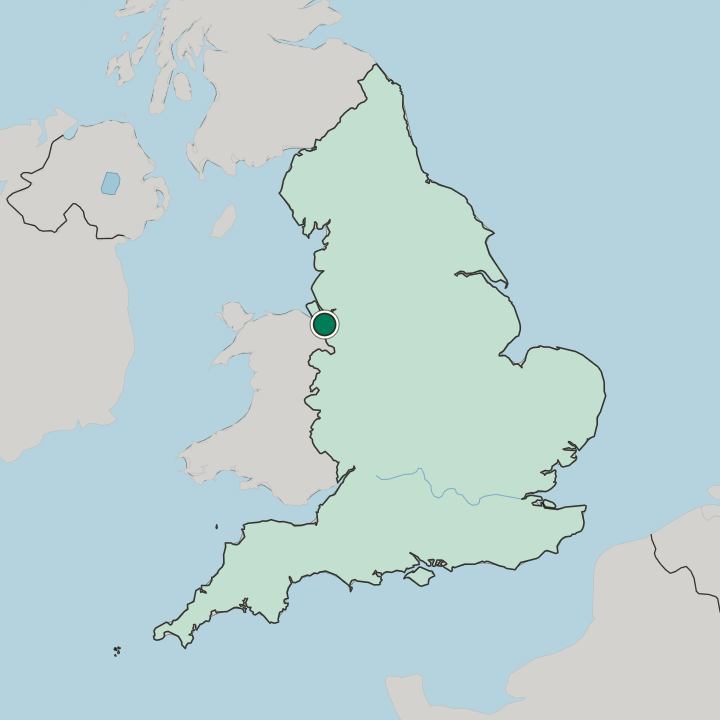
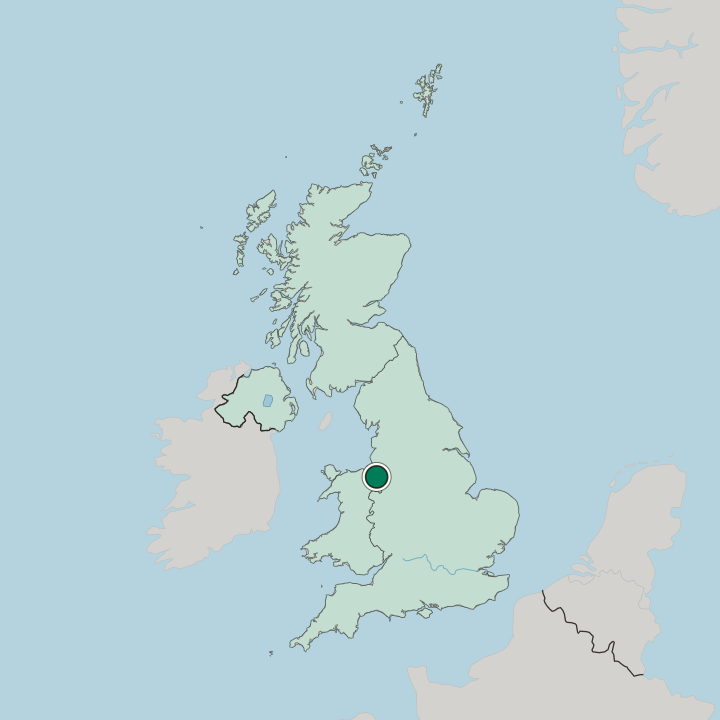
Chester lies in western Cheshire, England, on the River Dee very close to the border with Wales. The river guards the city. The walled centre stands on a sandstone rise above a bend of the Dee, the flat land of the Cheshire plain spreading east behind it, while the river runs on west and south toward Wales and the estuary that carries it out to the Irish Sea.
What is the climate of Chester?
Chester has a mild, damp maritime climate typical of the north-west of England. Rain comes often here. Weather off the Irish Sea rolls up the River Dee through the year, keeping summers moderate and winters soft, while the low ground of the Cheshire plain leaves the city open to the mild, wet airs that cross from the coast and Wales.
How do you get to Chester?
Chester is reached by road and rail across western Cheshire. Nearly every visitor reaches Chester by land. Rail lines and roads run into the city from across England and over the nearby border with Wales, carrying visitors to the walled centre and the crossings of the River Dee.
Common questions
What is the best area to stay in Chester?
Within the walls: First-time visitors near Chester Castle and the Roman amphitheatre. Riverside by the Dee: Walkers near the Water Tower and the River Dee in Chester. Toward Chester Zoo: Family days near Chester Zoo on the edge of the city.
Good for
More cities in England
Updated October 2026