United Kingdom · England
Where to Stay in Croydon, England
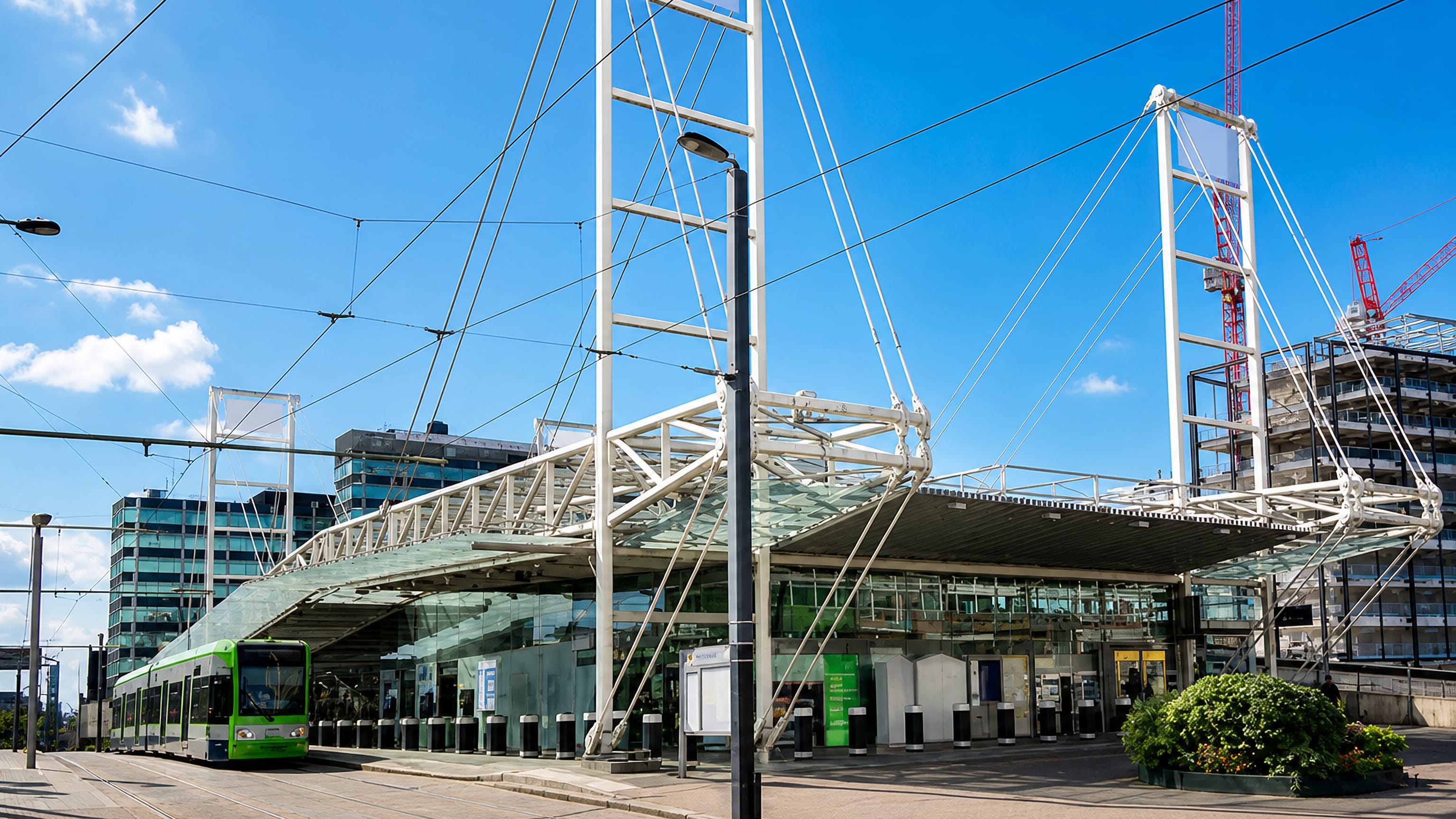
Croydon is a large town of South London, part of the London Borough of Croydon, holding one of the biggest commercial districts in Greater London.
Hotel links are affiliate links: booking through them may earn us a commission, at no extra cost to you. It never affects how places are ranked. How this works


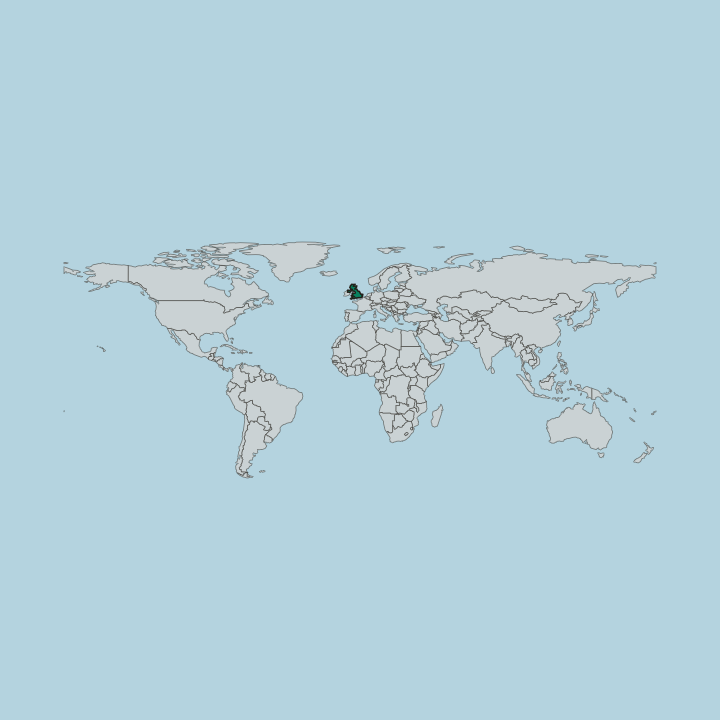
Where to stay in Croydon
Where you base yourself shapes the visit — here's the character of each area.

 CroydonUnited Kingdom
Broad Green
Christ Church West Croydon, St Michael and All Angels and the Oshwal Mahajanwadi mark Broad Green, a district of Croydon.Where to stay → CroydonUnited Kingdom
Waddon
Waddon is a district of Croydon whose register runs from the Croydon Airport Visitor Centre to a set of named houses and churches.Where to stay →CroydonUnited KingdomWoodside
Between Addiscombe and South Norwood, Woodside covers a stretch of south London inside the London Borough of Croydon.Where to stay → CroydonUnited Kingdom
Addiscombe
Addiscombe, an area of south London in the London Borough of Croydon, holds two churches and Havelock Hall on its register.Where to stay →CroydonUnited KingdomSelhurst
Selhurst is a suburb of the London Borough of Croydon, England, with Selhurst Park at its northern end.Where to stay →CroydonUnited KingdomMonks Orchard
Monks Orchard is a district of Croydon marked by three churches and a churchyard monument to the Preston family.Where to stay →Hotel links are affiliate links: booking through them may earn us a commission, at no extra cost to you. It never affects how places are ranked. How this works
Find hotels in Croydon
Direct booking searches for these neighbourhoods.
The commercial core
Offices, shops and the museum sit within a few blocks of each otherFind hotels in The commercial coreStays anchored on Croydon MinsterAround Croydon Minster
Wrencote House, the Church of St Peter and St Andrew's stand at this older endFind hotels in Around Croydon MinsterA quieter block off the shopping streetsWest Croydon
The Baptist Church of West Croydon names this corner of the boroughFind hotels in West CroydonVisitors heading for the South Norwood Leisure CentreSouth Norwood
The Croydon Common Athletic Ground and the leisure centre set the pace on this sideFind hotels in South NorwoodHotel links are affiliate links: booking through them may earn us a commission, at no extra cost to you. It never affects how places are ranked. How this works
Things to do in Croydon
Ranked by global recognition; descriptions from Wikidata (CC0).
Churches & Religious Sites
8- Croydon Minster Heritage
- St Andrew's, Croydon Heritage
- Church of the Holy Innocents Heritage
- Church of St Peter Heritage
- Parish Church of St Michael and All Angels Heritage
Show 3 more →
- Church Hall United Reformed Church Of St Paul Heritage
- Church of St John Heritage
- Church of St Alban Heritage
Castles & Historic Sites
2- Elmers End moated site, South Norwood Heritage
- Monument To Members Of The Preston Family In North West Corner Of Churchyard Of St John Heritage
Stadiums & Sports
2- Croydon Common Athletic Ground
- South Norwood Leisure Centre
Landmarks & Notable Places
3- Ruskin House Heritage
- Wrencote House Heritage
- Havelock Hall Heritage
worth knowingacross 4 categories in Croydon
About Croydon
Shopping and offices, at scale.
What is Croydon known for?
It holds one of the largest commercial districts in Greater London, and the extensive shopping area is what most arrivals come for rather than any single monument. Croydon Minster is the exception. The Museum of Croydon and the Honeywood Museum hold the local record, with Ruskin House and Wrencote House among the listed buildings.
Church dedications run to more than twenty across the borough, from the Church of All Saints and the Church of St Alban to the Baptist Church of West Croydon and the Oshwal Mahajanwadi.
What are the main landmarks in Croydon?
Croydon Minster leads. Beyond it the listed record runs long: the Church of All Saints, the Church of St Augustine, the Church of St Mary Magdalene and the Church of St Luke among them. The Parish Church of St Mary the Virgin and the Parish Church of St Michael and All Angels take the parish titles, with the Church of the Holy Trinity close behind.
The Church of St Mark, the Church of St Alban and the Church of St George join them. Ruskin House and Wrencote House are the secular pair. The Museum of Croydon, the Honeywood Museum, the Oshwal Mahajanwadi and the Croydon Common Athletic Ground complete it.
What is the history of Croydon?
Croydon's oldest thread runs through its churches, and Croydon Minster stands at the head of a list long enough to map the town's growth parish by parish. The parishes came in waves. The Parish Church of St Mary the Virgin, the Parish Church of St Michael and All Angels and the Church of St Peter belong to the older ground.
Wrencote House survives among them. The Church of All Saints, the Church of St Augustine, the Church of St Mary Magdalene, the Church of St Luke, the Church of St Mark, the Church of St Alban and the Church of St George mark the spread that followed. The London Borough of Croydon made the town a local government district of Greater London, and the commercial district that grew inside it became one of the largest in the capital.
Shops took the centre. The Museum of Croydon and the Honeywood Museum hold what is left of the earlier account, and Ruskin House keeps its name on the listed record. St Andrew's, Croydon, the Church of St Saviour, the Church of the Holy Innocents, the Church of the Holy Trinity and the Baptist Church of West Croydon date from the same expansion.
The Oshwal Mahajanwadi, the South Norwood Leisure Centre and the Croydon Common Athletic Ground belong to the wider borough rather than the old parish.
Where is Croydon?
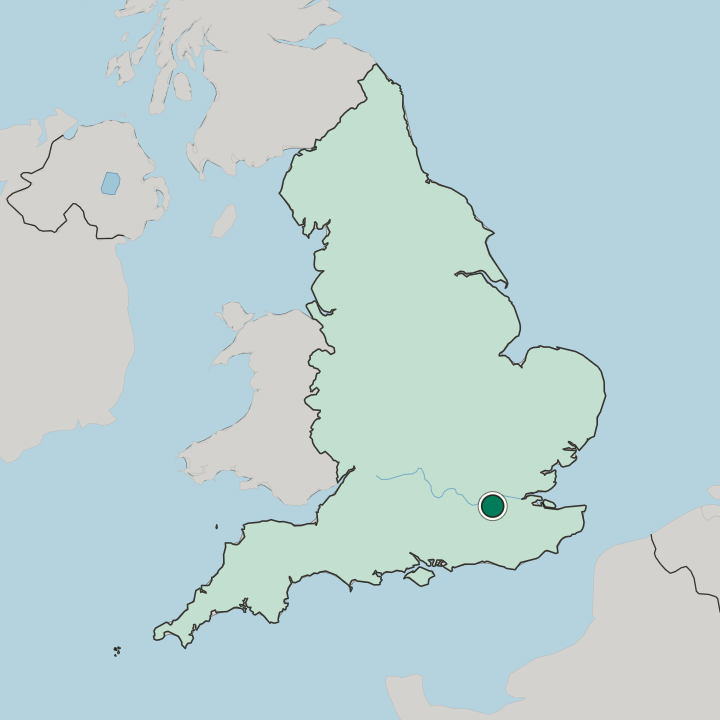
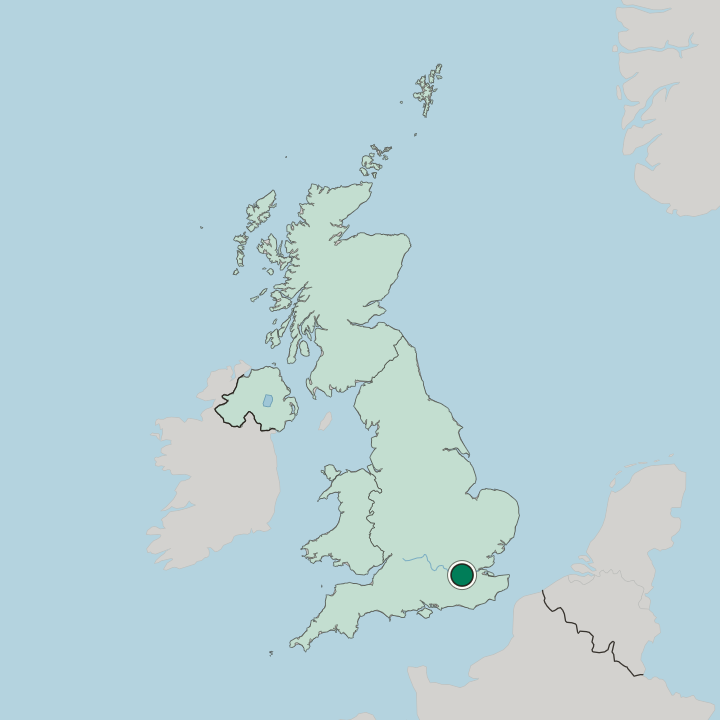
Croydon lies in South London, nine and a half miles south of Charing Cross, and the London Borough of Croydon takes in a good stretch of ground on that side of Greater London. The centre is dense. South Norwood sits at one end of the borough and West Croydon names another corner of it.
No river or coast defines the place; the shopping district and the churches do that job instead.
What is the climate of Croydon?
The city sets the terms. Built-up Greater London wraps Croydon on the northern side, so the seasons here arrive through streets rather than open ground, in a temperate year already short on extremes. Croydon Common Athletic Ground fills in the warmer months.
The South Norwood Leisure Centre takes the rest, and walks between the borough's churches work in most weather.
How do you get to Croydon?
Charing Cross lies nine and a half miles north, which puts Croydon inside the daily reach of central London and makes the run in a short one from any direction. West Croydon names one approach. South Norwood marks the other end of the borough, with the South Norwood Leisure Centre and the Croydon Common Athletic Ground out that way.
Most arrivals end up in the commercial district, a few minutes from Croydon Minster and the Museum of Croydon.
Common questions
What is the best area to stay in Croydon?
The commercial core: Guests using Croydon's shopping streets and the Museum of Croydon. Around Croydon Minster: Stays anchored on Croydon Minster. West Croydon: A quieter block off the shopping streets. South Norwood: Visitors heading for the South Norwood Leisure Centre.
Good for
More cities in England
Updated October 2026