United Kingdom · England
Where to Stay in Doncaster, England
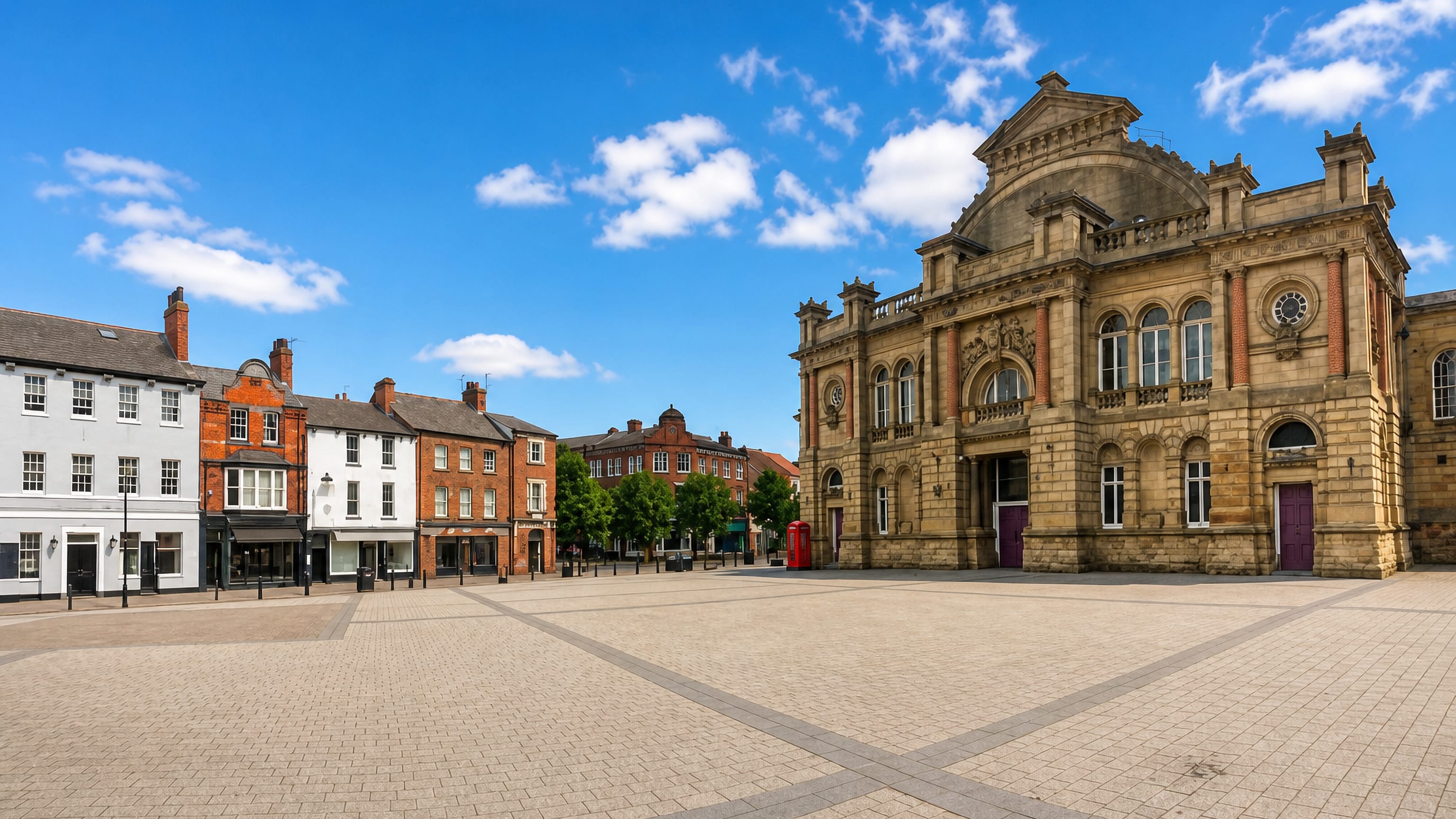
Doncaster is a market town on the River Don in South Yorkshire, England, grown from Roman Danum and crowned by St George's Minster.
Hotel links are affiliate links: booking through them may earn us a commission, at no extra cost to you. It never affects how places are ranked. How this works



Where to stay in Doncaster
The right area depends on your trip — here's what each neighbourhood is best for.

 DoncasterUnited Kingdom
Hexthorpe
Hexthorpe is a district of Doncaster whose named fabric runs from the Church of St James to the Patrick Stirling Memorial Lamp and Drinking Fountain.Where to stay →DoncasterUnited KingdomIntake
Intake is a Doncaster suburb of council housing with Sandall Beat Woods inside it and the open land of Town Fields along its border.Where to stay → DoncasterUnited Kingdom
Balby
Balby is one of Doncaster's districts in England, and its record runs to two churches: the Church of St Peter and St John the Evangelist.Where to stay →DoncasterUnited KingdomWheatley Hills
Wheatley Hills is a residential district of Doncaster in South Yorkshire, entered on the record by name and very little else.Where to stay →DoncasterUnited KingdomBessacarr
Bessacarr is a Doncaster suburb of private housing, with some of the town's most expensive property around St Wilfrid's Road and Warning Tongue Lane.Where to stay →Hotel links are affiliate links: booking through them may earn us a commission, at no extra cost to you. It never affects how places are ranked. How this works
Find hotels in Doncaster
Direct booking searches for these neighbourhoods.
Town centre
Around St George's Minster and the market near the station, within a walk of the Danum Gallery, Library and MuseumFind hotels in Town centreQuieter, greener stays with easy parkingParkland outskirts
Toward the parkland of Cusworth Hall on the town's edge, with country views and calmer streetsFind hotels in Parkland outskirtsHotel links are affiliate links: booking through them may earn us a commission, at no extra cost to you. It never affects how places are ranked. How this works
Things to do in Doncaster
Ranked by global recognition; descriptions from Wikidata (CC0).
Museums & Galleries
2- Danum Gallery, Library and Museum
- Kings Own Yorkshire Light Infantry Museum
Churches & Religious Sites
8- St George's Minster Heritage
- Church of St Wilfrid Heritage
- Christ Church Heritage
- Church of St Peter Heritage
- Church of All Saints Heritage
Show 3 more →
- Church of St Mary Heritage
- Church of St James Heritage
- Former Church of St Edmund and Youth Centre, Anchorage Lane, Sprotbrough Heritage
Castles & Historic Sites
3- Moat Hills moated site, Bentley Heritage
- Round About Moat, Arksey Heritage
- Wall of Doncaster Roman fort Heritage
Stadiums & Sports
3- The Dome Leisure Centre Heritage
- Castle Park rugby stadium
- Intake Ground
Landmarks & Notable Places
5- 49A Market Place Heritage
- Clergy House Heritage
- Elmfield House Heritage
- Georgian House Heritage
- Warmsworth Hall Heritage
worth knowingacross 5 categories in Doncaster
About Doncaster
Doncaster grew from a Roman fort on the Don.
What is Doncaster known for?
The market town of South Yorkshire kept its old churches and halls through the industrial age, and the tall tower of St George's Minster still marks the skyline. Cusworth Hall watches over the town from its park. The Don runs through it all.
What are the main landmarks in Doncaster?
St George's Minster towers over Doncaster. Its great Victorian tower stands where a medieval church once did, the mark of the old town, with the Church of All Saints and the Church of St Mary nearby. Grand halls ring the edges.
Cusworth Hall and Warmsworth Hall keep the country-house past, and the Danum Gallery, Library and Museum gathers the town's long story.
What is the history of Doncaster?
Doncaster began as Danum, a Roman fort on the road north. The legions built it to guard the crossing of the Don, and a town grew up around the walls and never left. Markets made it through the Middle Ages.
St George's Minster rose over the old heart of the town, its great tower a landmark for miles across the flat country, and the old churches of All Saints and St Mary served the growing parishes. The modern age came on iron rails and coal. Doncaster became a railway town, its works turning out engines while the pits worked the coalfield around it, and the wealth built halls and parks like Cusworth Hall on the edge of the town.
Warmsworth Hall and the older houses survive from the years before the pits. Museums keep the many pasts. The Danum Gallery, Library and Museum holds the town's story, and the South Yorkshire Aircraft Museum and the Kings Own Yorkshire Light Infantry Museum tell of flight and war.
Roman road and railway line still cross in Doncaster.
Where is Doncaster?
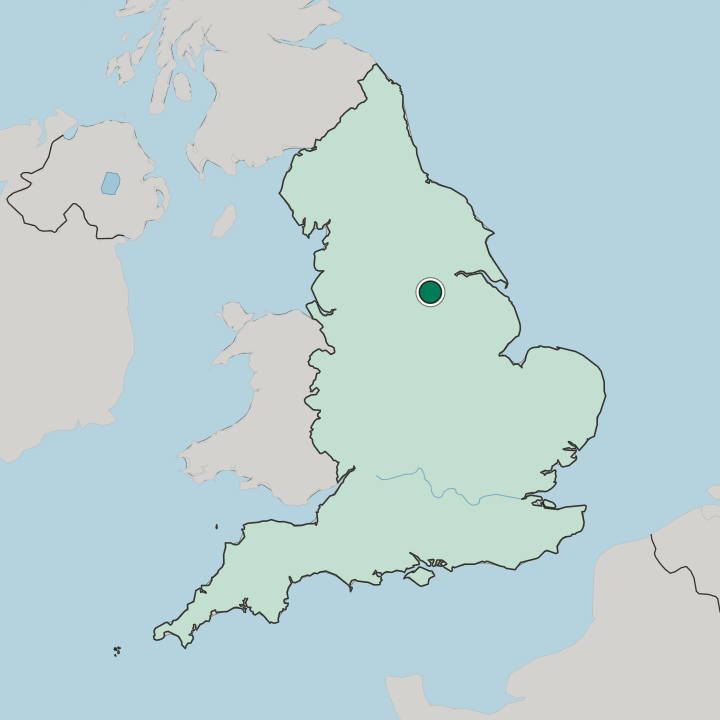
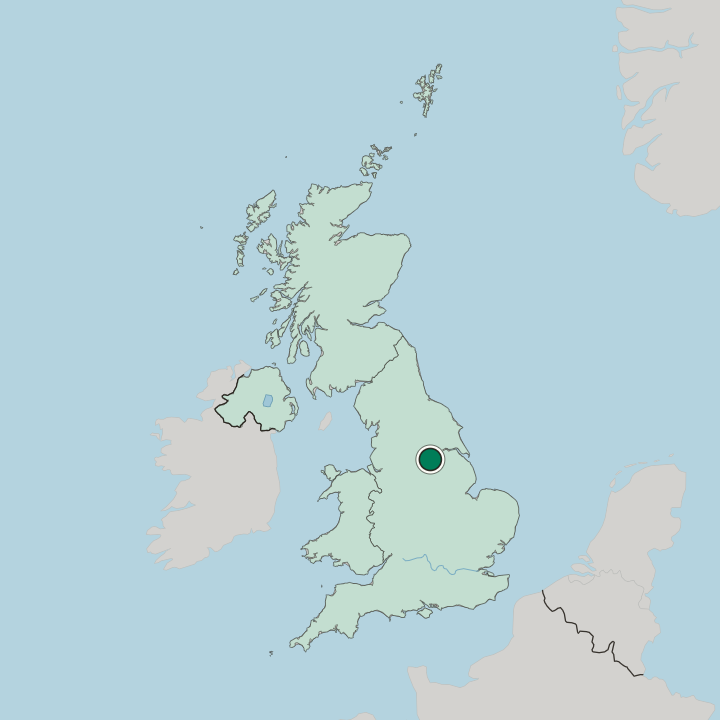
The River Don runs through Doncaster. The town spreads across the flat Vale of York in the east of South Yorkshire, where the river winds through low country toward the marshes and the Humber beyond. Coalfields once lay all around.
The river and the plain shaped the town's growth.
What is the climate of Doncaster?
Doncaster shares the mild, damp weather of northern England. Cool, grey winters give way to changeable summers, and rain falls fairly evenly through the year over the Vale of York. Snow is light and brief on the low ground.
The seasons pass without extremes.
How do you get to Doncaster?
Doncaster sits on the east-coast main line. Fast trains stop in the town between London and the north, and the motorways cross nearby, making it one of the busier junctions of the region, while an airport lies a short way out. Buses reach the pit villages around.
Most arrive by rail, into the heart of South Yorkshire.
Common questions
What is the best area to stay in Doncaster?
Town centre: Visitors here for the minster, market, and museum, or passing by rail. Parkland outskirts: Quieter, greener stays with easy parking.
Good for
More cities in England
Updated October 2026