United Kingdom · England
Where to Stay in Dunstable, England
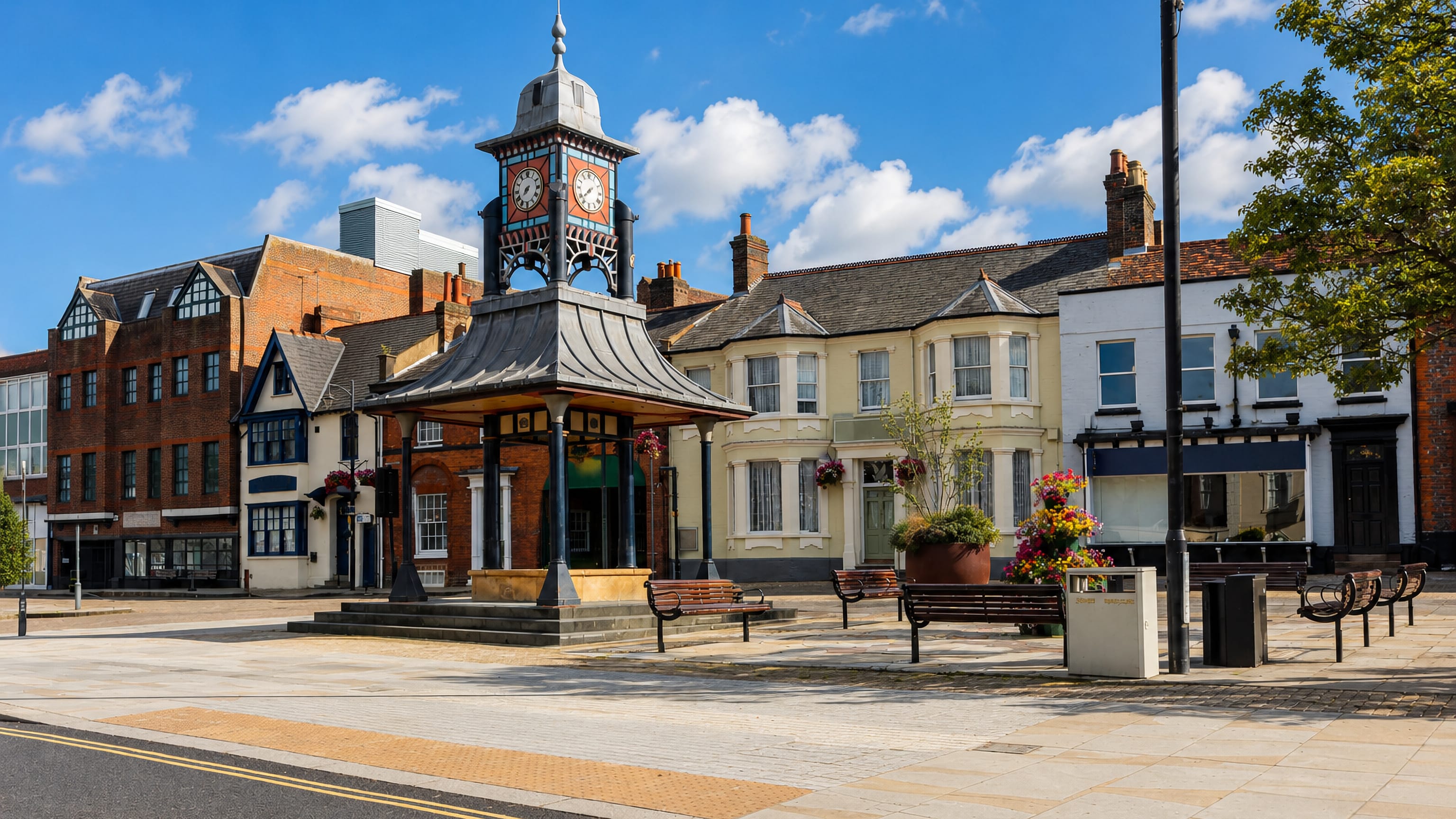
Dunstable is a Bedfordshire market town east of the Chiltern Hills, below the chalk escarpments of Dunstable Downs. Whipsnade Zoo draws visitors.
Hotel links are affiliate links: booking through them may earn us a commission, at no extra cost to you. It never affects how places are ranked. How this works



Where to stay in Dunstable
Where visitors usually base themselves, and why.
Dunstable is small, and its beds sit close together. The old core holds The Court House, The Red House, Half Moon House and Chew's House, so a room there puts the listed frontages and the Church of St Mary Magdalen within a few minutes of the door. Houghton Regis adjoins it.
That neighbour forms the western end of the Luton and Dunstable urban area, and the Church of All Saints and Houghton Hall give it a centre of its own rather than a suburb's. The countryside options are better for walkers. Dunstable Downs rises at the edge of town with its medieval warren on the slope, and rooms out that way trade shops for chalk grassland and the long view off the escarpment.
Whipsnade is the family choice. Kensworth and Totternhoe sit among the same lanes, each with a parish church, the Church of St Mary at one, the Church of St Giles at the other, and Whipsnade House stands nearby. London is thirty miles off.
Anyone treating Dunstable as a base for the capital is choosing a quiet market town over a city, which works only if the daily run south is part of the plan.
Find hotels in Dunstable
Direct booking searches for these neighbourhoods.
Around The Court House
The Court House, The Red House and Half Moon House stand in the old part of Dunstable, with Chew's House and Grove House on the same short circuitFind hotels in Around The Court HouseWalkers who want the chalk escarpment and the medieval warren from the doorDunstable Downs
Dunstable Downs rises straight off the town, carrying a medieval warren and the long chalk edge the Chiltern Hills push up at this point. Few places to stay nearby — book ahead.Find hotels in Dunstable DownsBeds at Houghton Regis inside the Luton and Dunstable urban areaHoughton Regis
Houghton Regis joins Dunstable as the western end of the Luton urban area, and the Church of All Saints and Houghton Hall mark a core of its ownFind hotels in Houghton RegisFamilies with a full day booked at Whipsnade ZooWhipsnade and the lane villages
Whipsnade House and the zoo lie out among Kensworth and Totternhoe, where the Church of St Mary and the Church of St Giles mark two separate village centres. Few places to stay nearby — book ahead.Find hotels in Whipsnade and the lane villagesHotel links are affiliate links: booking through them may earn us a commission, at no extra cost to you. It never affects how places are ranked. How this works
Things to do in Dunstable
Ranked by global recognition; descriptions from Wikidata (CC0).
Churches & Religious Sites
5- Church of All Saints, Houghton Regis Heritage
- Church of St Giles, Totternhoe Heritage
- Church of St Mary, Kensworth Heritage
- Church of St Mary Magdalen Heritage
- Roman Catholic Church of St Mary Heritage
Castles & Historic Sites
3- A medieval warren on Dunstable Downs Heritage
- Site of Roman villa E of church Heritage
- Thorn Spring moated site and associated woodbanks Heritage
Stadiums & Sports
1- Lancot Park
Landmarks & Notable Places
8- Grove House Heritage
- Houghton Hall Heritage
- Chew's House Heritage
- Half Moon House Heritage
- Orchard House Heritage
Show 3 more →
- The Court House Heritage
- The Red House Heritage
- Whipsnade House Heritage
worth knowingacross 4 categories in Dunstable
About Dunstable
What is Dunstable known for?
Most people arrive for Whipsnade Zoo, which sits out among the villages and pulls more visitors than anything inside Dunstable itself. The Downs are the other draw. Dunstable Downs carries a medieval warren on its slope, and the chalk escarpments there are the feature the town is recognised by from a distance.
The Romans were here first. Durocobrivis stood on this ground long before the market town did, and a site of Roman villa east of the church keeps that period on the record.
What are the main landmarks in Dunstable?
Durocobrivis is the oldest name here, a Roman settlement whose ground Dunstable later took, and the site of Roman villa east of the church belongs with it. Named houses fill out the list. Grove House, Orchard House, Chew's House, The Red House, Half Moon House and The Court House are named among the town's buildings, and Houghton Hall and Whipsnade House stand out in the parishes.
The Church of St Mary Magdalen and the Roman Catholic Church of St Mary take the ecclesiastical side, while the medieval warren on Dunstable Downs, the Thorn Spring moated site and Lancot Park sit in open ground.
What is the history of Dunstable?
Romans held this ground first. Durocobrivis stood where Dunstable stands, and the site of Roman villa east of the church shows that the settlement was more than a staging post on a road. Chalk explains the position.
The Chiltern Hills throw up steep escarpments here, most noticeable on the approach from the north, and a town on the flat below that edge sat where routes had to pass anyway. The market came after. Medieval Dunstable worked the land above it as much as the street below.
A medieval warren on Dunstable Downs and the Thorn Spring moated site with its woodbanks are both on the record, which is an unusual amount of surviving earthwork for a town of this size. The Church of St Mary Magdalen carries the parish line, and Chew's House, The Court House and Grove House show what the market town built for itself in later centuries. Houghton Regis grew into it.
Dunstable is the fourth largest town in Bedfordshire and, with Houghton Regis, forms the western part of the Luton and Dunstable urban area, which is how a market parish east of the Chiltern Hills ended up on the edge of a conurbation.
Where is Dunstable?
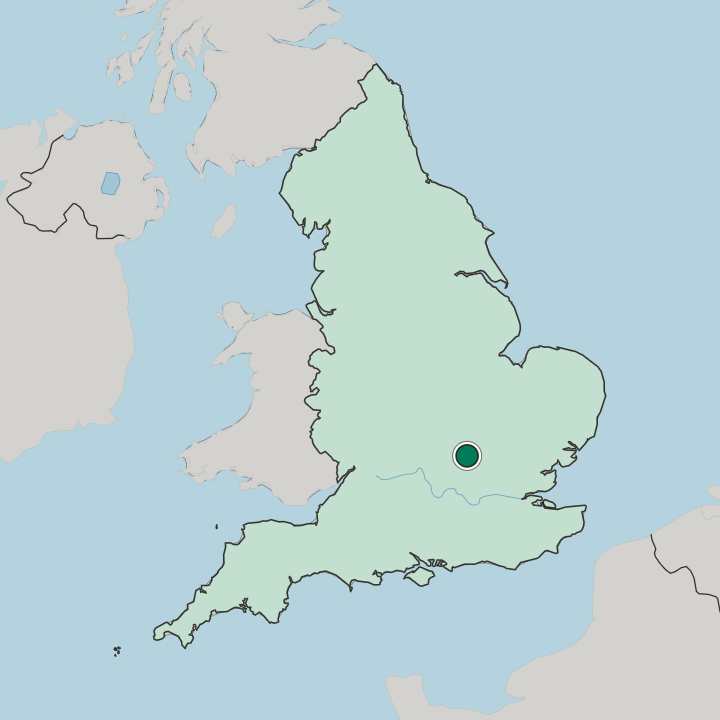
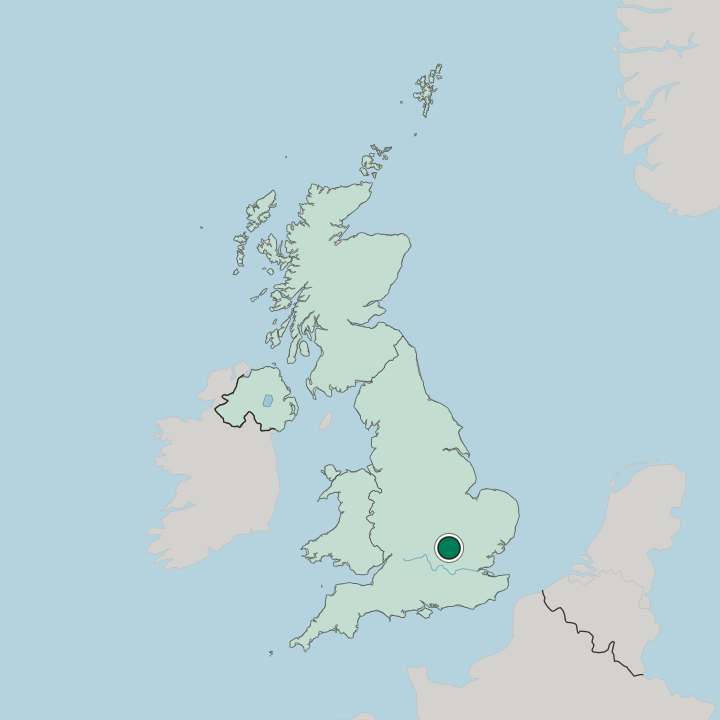
Escarpments make the approach. Dunstable lies east of the Chiltern Hills, thirty miles north of London, with several steep chalk faces that show most clearly when the town is reached from the north. The urban edge runs the other way.
Houghton Regis joins Dunstable to form the westernmost part of the Luton and Dunstable urban area, while Kensworth, Totternhoe and Whipsnade keep open country on the Bedfordshire side.
What is the climate of Dunstable?
Wind runs along the Downs. Dunstable sits in the northern temperate band below the chalk escarpment, and the open ground of Dunstable Downs catches whatever weather crosses the Chiltern Hills, so the top is colder than the street by a noticeable margin. Seasons are moderate.
Nothing in a Bedfordshire year runs to extremes, and the practical difference between one month and the next is how much of the escarpment view survives the cloud.
How do you get to Dunstable?
London lies thirty miles south. Dunstable is reached overland from that direction or across from Luton, whose urban area runs continuously into Houghton Regis and then into Dunstable itself. The Chilterns sit on the other flank.
Coming from the north the descent is obvious, since several steep chalk escarpments mark the approach, and the villages of Totternhoe, Kensworth and Whipsnade are reached by lane rather than by any faster road.
Common questions
What is the best area to stay in Dunstable?
Around The Court House: Rooms among Dunstable's listed houses with the Church of St Mary Magdalen alongside. Dunstable Downs: Walkers who want the chalk escarpment and the medieval warren from the door. Houghton Regis: Beds at Houghton Regis inside the Luton and Dunstable urban area. Whipsnade and the lane villages: Families with a full day booked at Whipsnade Zoo.
Good for
More cities in England
Updated September 2026