United Kingdom · England
Where to Stay in Harrogate, England
Harrogate is a spa town in North Yorkshire, England, its Regency and Victorian streets and public gardens standing on the edge of the Yorkshire Dales.
Hotel links are affiliate links: booking through them may earn us a commission, at no extra cost to you. It never affects how places are ranked. How this works




Where to stay in Harrogate
One neighbourhood here has its own guide — here's what it is best for.

 HarrogateUnited Kingdom
Harlow Hill
Harlow Hill is a district of Harrogate marked by the observatory tower that carries its name and by the Harlow Carr Museum of Gardening.Where to stay →Hotel links are affiliate links: booking through them may earn us a commission, at no extra cost to you. It never affects how places are ranked. How this works
Find hotels in Harrogate
Direct booking searches for these neighbourhoods.
The pump room streets
Regency and Victorian centre where the Mercer Art Gallery and the public gardens sit within one walkFind hotels in The pump room streetsQuieter nights near Christ Church, High Harrogate and the cricket groundHigh Harrogate
Older parish side around Christ Church and the St George's Road Cricket Ground, off the spa frontagesFind hotels in High HarrogateCheaper rooms out by St Andrew's Church, StarbeckStarbeck
A district of its own around Starbeck Hall, well clear of the spa hotels. Few places to stay nearby — book ahead.Find hotels in StarbeckGardeners and walkers heading for RHS Harlow CarrThe Harlow Carr side
Green edge by the Harlow Hill Tower observatory, nearest to Nidderdale AONB. Rooms are few around here — worth securing early.Find hotels in The Harlow Carr sideHotel links are affiliate links: booking through them may earn us a commission, at no extra cost to you. It never affects how places are ranked. How this works
Things to do in Harrogate
Ranked by global recognition; descriptions from Wikidata (CC0).
Museums & Galleries
2- Mercer Art Gallery Heritage
- Harlow Carr Museum of Gardening
Churches & Religious Sites
8- St Wilfrid's Church, Harrogate Heritage
- Christ Church, High Harrogate Heritage
- St Robert's Church Heritage
- St Peter's Church, Harrogate Heritage
- St Mary's Church Heritage
Show 3 more →
- West Park United Reformed Church, Harrogate Heritage
- St. Robert's Church, Harrogate Heritage
- Church of All Saints Heritage
Stadiums & Sports
1- St George's Road Cricket Ground, Harrogate
Landmarks & Notable Places
8- Grove House Heritage
- Harlow Hill Tower (Observatory) Heritage
- Belvedere House, Harrogate Heritage
- Starbeck Hall Heritage
- Howe House Heritage
Show 3 more →
- Library House Heritage
- Lund House Heritage
- Park House Heritage
worth knowingacross 4 categories in Harrogate
About Harrogate
Spa water started it.
What is Harrogate known for?
Mineral springs drew visitors from the Regency period onward, and the Royal Pump Room Museum keeps that spa water at the centre of the story told about the town. Public gardens thread the streets, and RHS Harlow Carr gardens with the Harlow Carr Museum of Gardening extend that reputation beyond the built-up edge. Betty's Tea Rooms is part of the draw.
The Mercer Art Gallery shows art, and the old spa hotels have turned to conferences and wellness.
What are the main landmarks in Harrogate?
The Royal Pump Room Museum keeps the spa water at the centre of things, and the Mercer Art Gallery and Harlow Carr Museum of Gardening cover art and horticulture between them. Harlow Hill Tower is an observatory. Churches are thick on the ground here, from Christ Church, High Harrogate and St Wilfrid's Church to St Peter's Church, St Mary's Church and the Trinity Methodist Church.
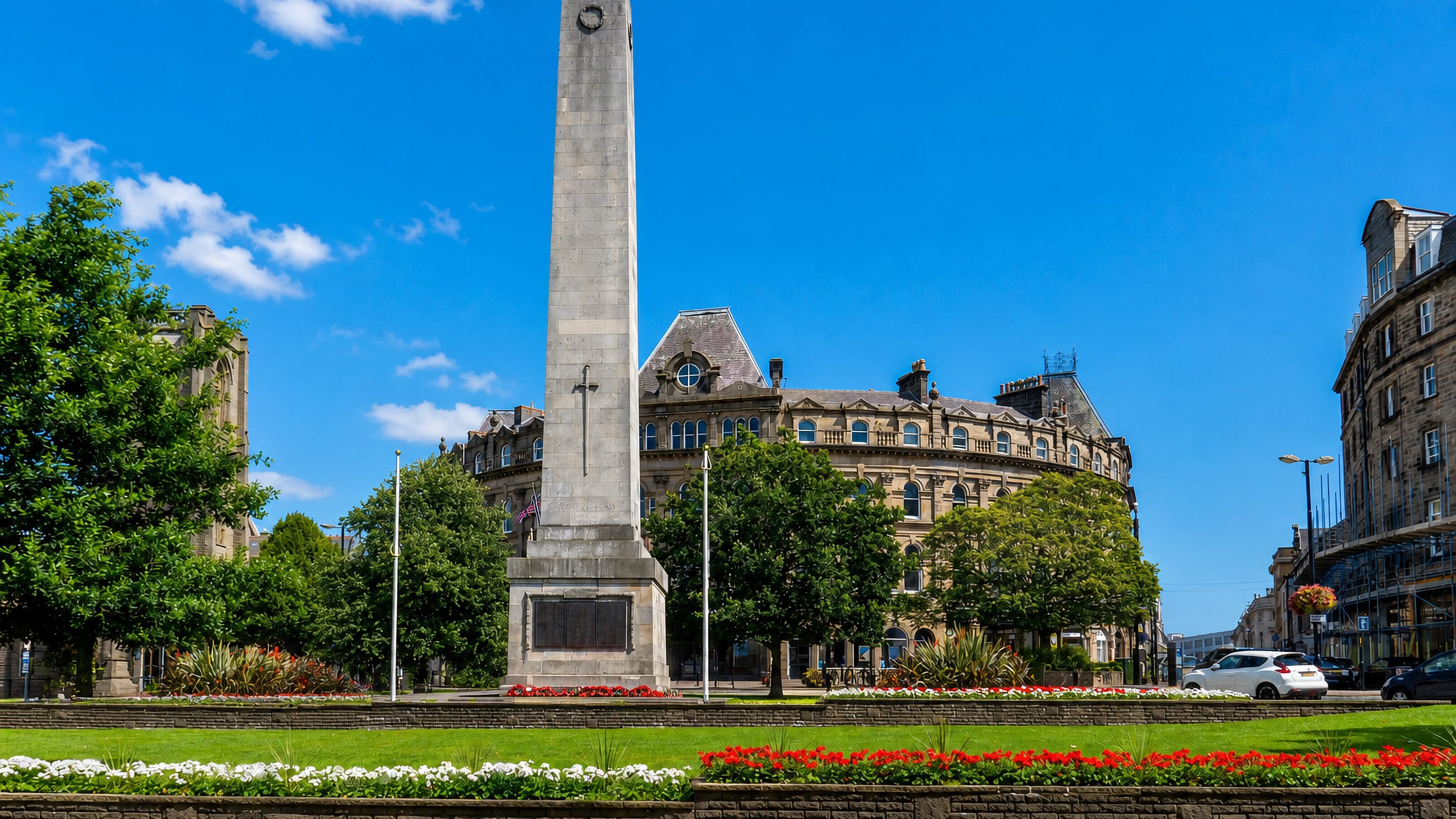
The Jubilee Memorial marks the civic side, Grove House and Belvedere House the domestic one. RHS Harlow Carr closes the list.
What is the history of Harrogate?
It began with the springs. Mineral water drew visitors here, and by the Regency period Harrogate had the shape of a spa town, with hotels, gardens and a pump room built to serve people taking the cure. Churches and terraces multiplied as the town grew: St Peter's Church, St Wilfrid's Church, Trinity Methodist Church, Grove House, Library House and Park House among them.
High Harrogate kept its own church. Starbeck grew as a separate settlement with St Andrew's Church, Starbeck and Starbeck Hall, and the West Riding of Yorkshire administered all of it until the county boundaries were redrawn. The cure trade did not last.
Spa hotels turned into conference and wellness centres as the water cure faded, and the town kept its visitors by other means, among them the gardens at RHS Harlow Carr and eating places such as Betty's Tea Rooms. The Royal Pump Room Museum turned the old spa building into a record of that first trade, while the Mercer Art Gallery and the Harlow Carr Museum of Gardening took on art and horticulture. The Jubilee Memorial belongs to that civic era.
North Yorkshire administers the town as a civil parish, and the Yorkshire Dales National Park and Nidderdale AONB lie about 21 km out, close enough that the town serves as a base for both.
Where is Harrogate?
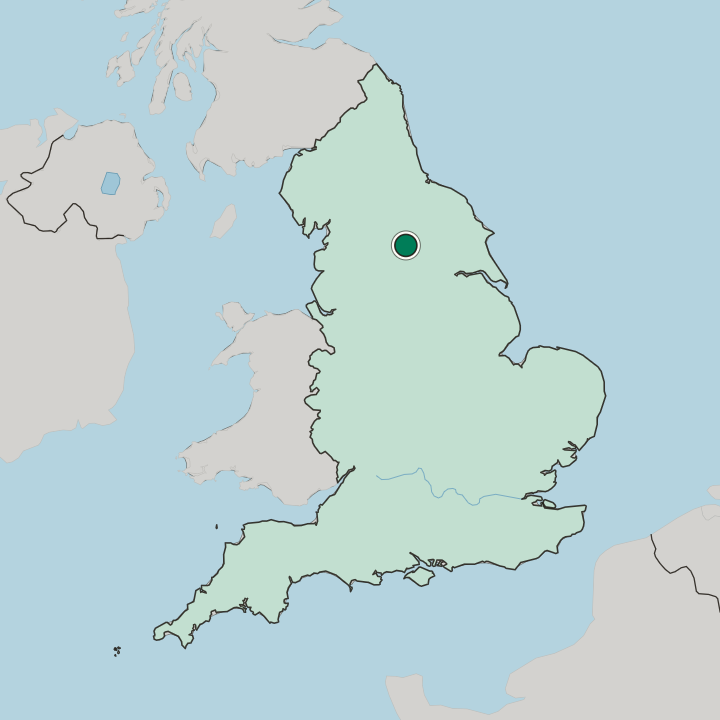
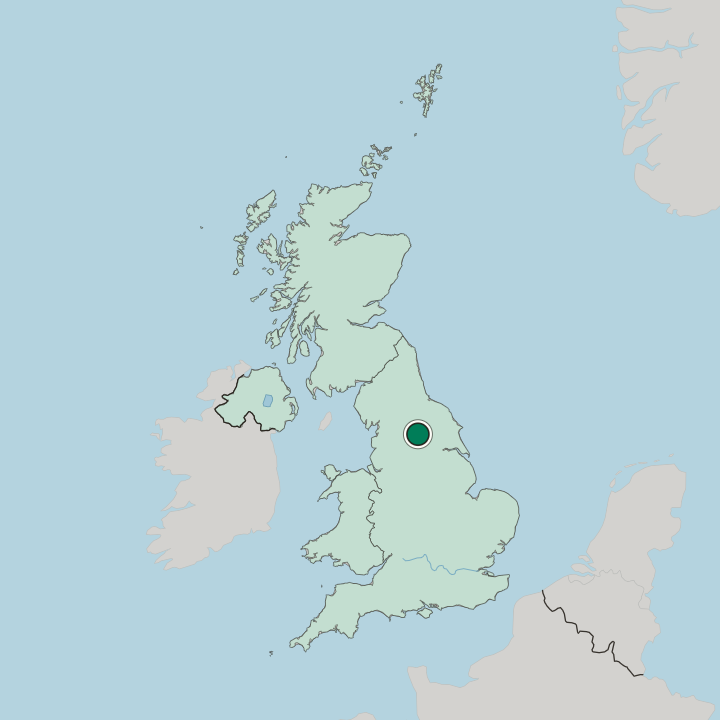
North Yorkshire surrounds it. Harrogate stands in the district and county of North Yorkshire, England, on the edge of the Yorkshire Dales, with the Yorkshire Dales National Park and the Nidderdale AONB about 21 km from the town centre. Public gardens run right through the built-up area, and RHS Harlow Carr sits out where the streets give way to open ground.
Harlow Hill Tower takes the high point. Starbeck lies at the outer edge.
What is the climate of Harrogate?
The Dales edge sets the tone. Air coming off the high ground toward the Yorkshire Dales keeps Harrogate cooler and wetter than lower parts of North Yorkshire, and the spa gardens stay green through summers that rarely turn hot. Winters bring cold rain more often than deep snow, though the ground rising toward Nidderdale can hold a fall longer than the town centre does.
Wet grass, green gardens.
How do you get to Harrogate?
Harrogate works as a base, with the Yorkshire Dales National Park and the Nidderdale AONB about 21 km from the centre and a compact core that needs no car once the bags are down. Starbeck sits on the way in. The spa streets, the public gardens and the Royal Pump Room Museum stand close together, so most arrivals end with a walk rather than a connection.
RHS Harlow Carr needs wheels or a long stroll.
Common questions
What is the best area to stay in Harrogate?
The pump room streets: Spa stays wanting the Royal Pump Room Museum and the gardens outside the door. High Harrogate: Quieter nights near Christ Church, High Harrogate and the cricket ground. Starbeck: Cheaper rooms out by St Andrew's Church, Starbeck. The Harlow Carr side: Gardeners and walkers heading for RHS Harlow Carr.
Good for
More cities in England
Updated September 2026