United Kingdom · England
Where to Stay in Harrow, England
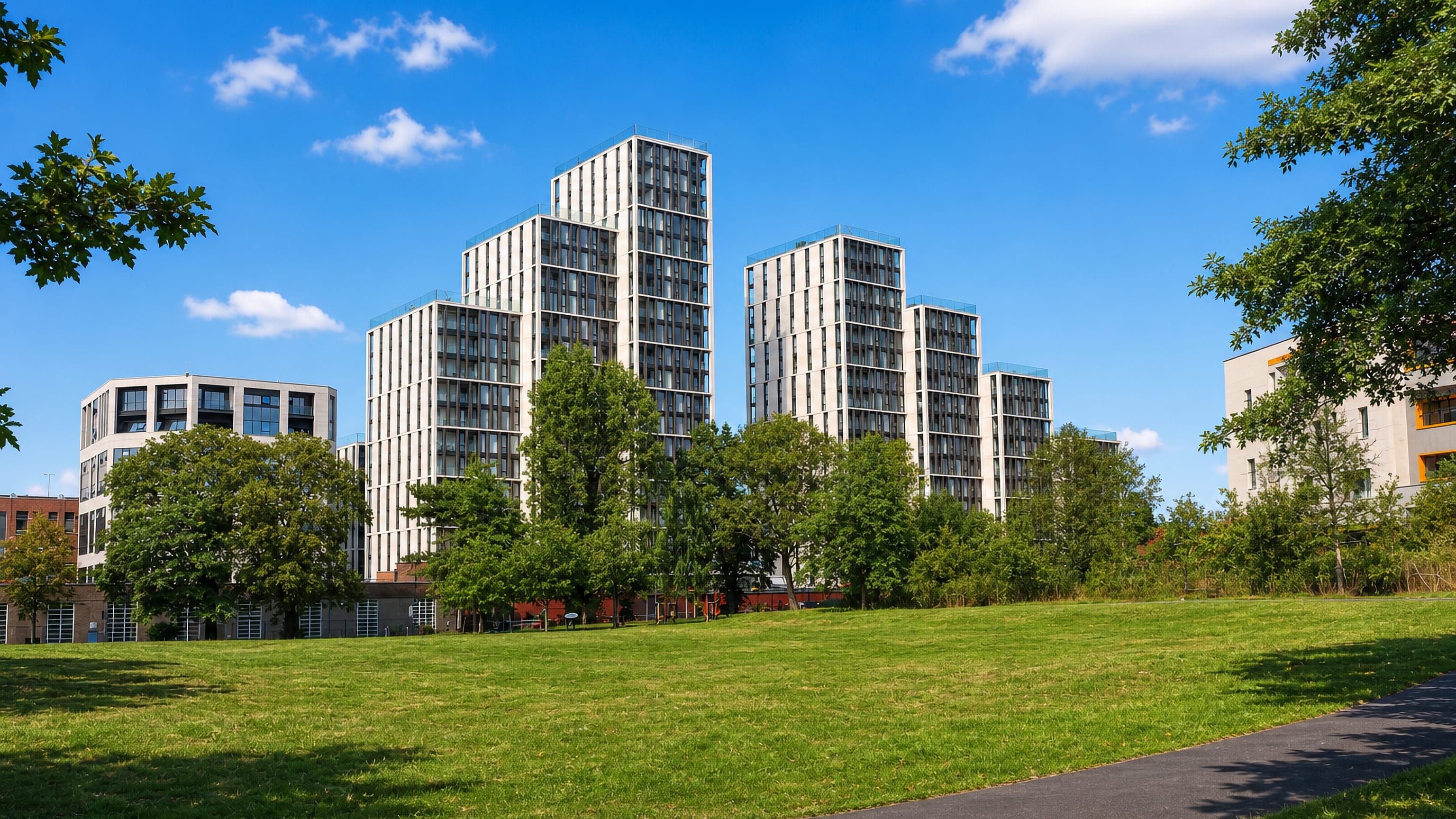
Harrow is a town in Greater London, England, the principal settlement of its borough, gathered on and under the rise at Harrow on the Hill.
Hotel links are affiliate links: booking through them may earn us a commission, at no extra cost to you. It never affects how places are ranked. How this works


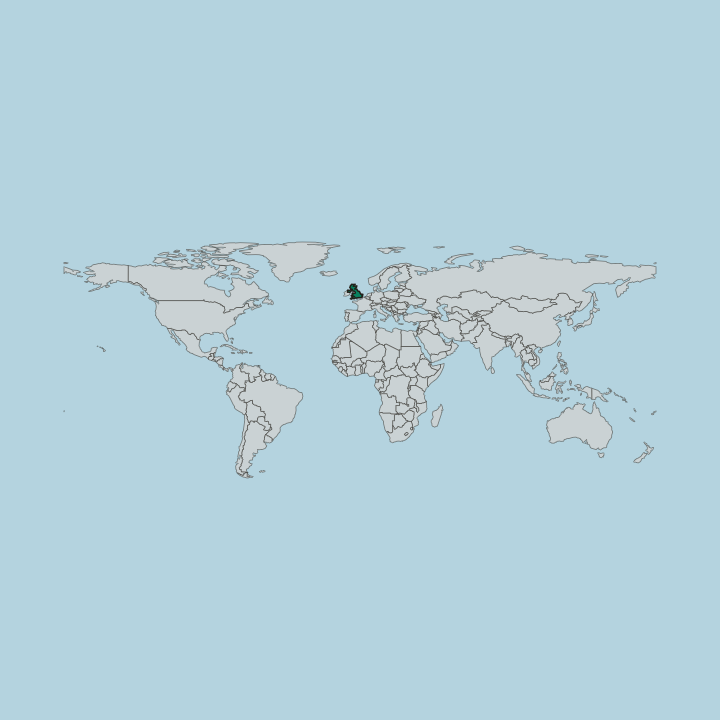
Where to stay in Harrow
One neighbourhood here has its own guide — here's what it is best for.

 HarrowUnited Kingdom
Belmont
Belmont is a residential area of the London Borough of Harrow, ringed by Stanmore, Kenton, Wealdstone and Queensbury.Where to stay →Hotel links are affiliate links: booking through them may earn us a commission, at no extra cost to you. It never affects how places are ranked. How this works
Find hotels in Harrow
Direct booking searches for these neighbourhoods.
Harrow on the Hill
The high ground under St. Mary's, Harrow on the Hill, lifted above the shopping streets. Beds are limited here, so book early.Find hotels in Harrow on the HillBases outside central London with the shops at handThe streets below the hill
Level ground carrying the everyday business of the London Borough of HarrowFind hotels in The streets below the hillTrips pointed back toward Charing Cross each morningThe Brent edge by Northwick Park Hospital
Eastern side of town where Harrow crosses into the London Borough of Brent. Beds are limited here, so book early.Find hotels in The Brent edge by Northwick Park HospitalQuiet nights near the Church of All Saints, Harrow WealdHarrow Weald
Outer parish ground close to the surviving stretch of Grim's Ditch by Blythwood House. Beds are limited here, so book early.Find hotels in Harrow WealdHotel links are affiliate links: booking through them may earn us a commission, at no extra cost to you. It never affects how places are ranked. How this works
Things to do in Harrow
Ranked by global recognition; descriptions from Wikidata (CC0).
Museums & Galleries
2- Heath Robinson Museum
- Cat Museum
Churches & Religious Sites
8- St. Mary's, Harrow on the Hill Heritage
- Church of St John the Baptist Heritage
- Church of St Alban Heritage
- Church of St Peter Heritage
- Church of All Saints, Harrow Weald Heritage
Show 3 more →
- St Anselm's Church Heritage
- Church of St Anselm Heritage
- Parish Church of St Paul Heritage
Castles & Historic Sites
3- Monument To William And Agnes Loudon, In Churchyard To Church Of St John The Baptist On South Side Heritage
- Grim's Ditch: section N of Blythwood House Heritage
- Headstone Manor moated site Heritage
Stadiums & Sports
1- Earlsmead Stadium
Landmarks & Notable Places
1- Sweetmans Hall Heritage
worth knowingacross 5 categories in Harrow
About Harrow
What is Harrow known for?
Harrow on the Hill carries St. Mary's above the rest of the town, and the London Borough of Harrow is named for the settlement gathered under that rise. Museums are the surprise. Headstone Manor and Museum occupies a moated manor site, and the Heath Robinson Museum and the Cat Museum give the town two more collections of its own.
Grim's Ditch survives near Blythwood House as an earthwork rather than a building. Earlsmead Stadium covers the sport.
What are the main landmarks in Harrow?
St. Mary's, Harrow on the Hill holds the high ground that the whole town is named after. Headstone Manor and Museum occupies the Headstone Manor moated site, while the Heath Robinson Museum and the Cat Museum add two smaller collections on entirely different subjects. Grim's Ditch is an earthwork.
Parish churches are scattered right across the borough, among them the Church of All Saints, Harrow Weald, St. Andrew's Church, Roxbourne, the Church of St John the Baptist and the Parish Church of St Paul. Earlsmead Stadium and Sweetmans Hall complete the set.
What is the history of Harrow?
Earthwork, then church, then town. Grim's Ditch survives near Blythwood House, a length of bank and ditch that predates the parishes and the manor alike. St. Mary's, Harrow on the Hill took the summit, and the settlement grew on and under that rise, which is how a hill came to name a town, a parish and eventually a London borough.
Headstone Manor held the farmland. Its moated site is still legible in the ground, and the manor buildings became Headstone Manor and Museum, the place where the borough keeps its own record. London arrived by degrees.
Harrow lies about 15 km north-west of Charing Cross and some 9 km south of Watford, close enough that the fields between the old parishes filled with streets and the separate settlements of Harrow Weald and Roxbourne were absorbed into one built-up area. Churches followed the growth, from the Church of All Saints, Harrow Weald and St. Andrew's Church, Roxbourne to the Church of St Peter, the Church of St Alban and a Christian Science Church. The borough took the name of the hill.
Harrow became the principal settlement of the London Borough of Harrow within Greater London, and its eastern edge by Northwick Park Hospital runs straight into the London Borough of Brent.
Where is Harrow?
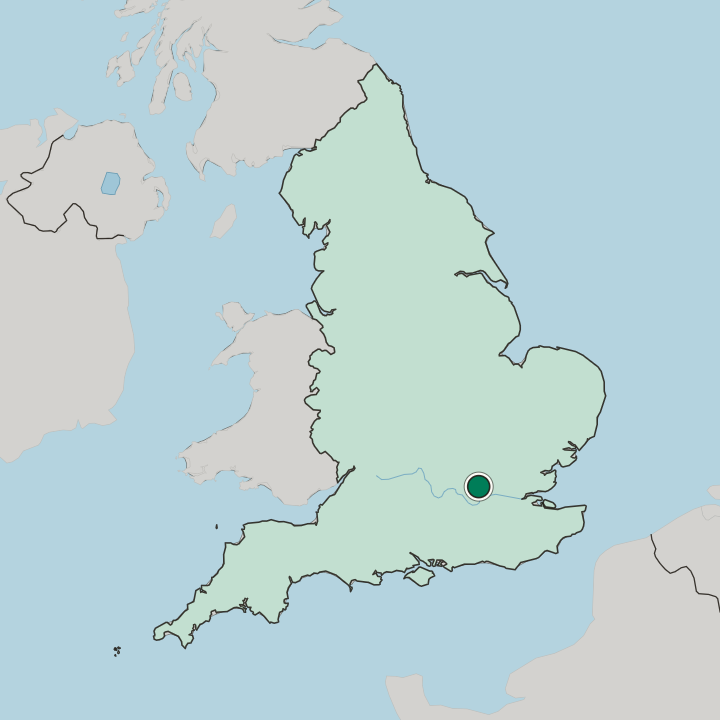
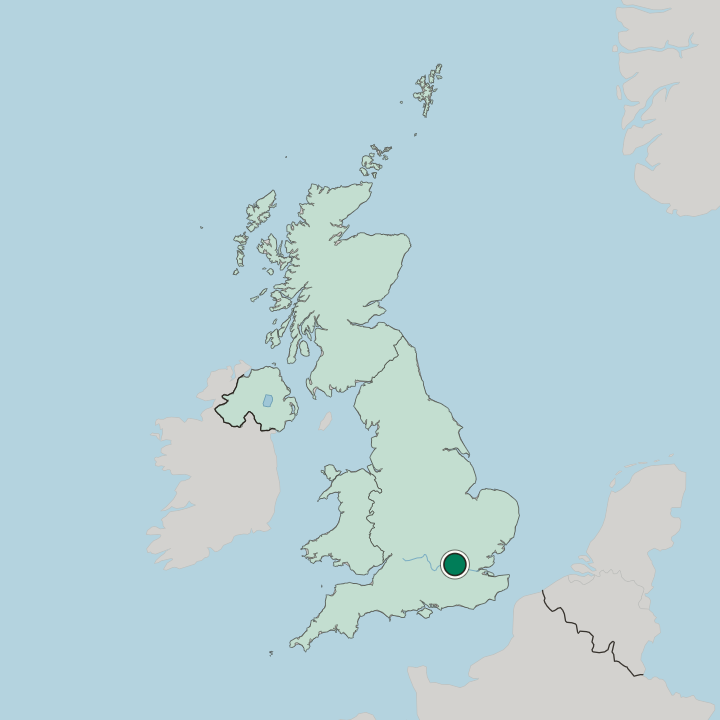
Greater London reaches this far. Harrow stands about 15 km north-west of Charing Cross and some 9 km south of Watford, its ground rising to the ridge at Harrow on the Hill and falling away toward the newer streets. The eastern part of the town crosses into the London Borough of Brent by Northwick Park Hospital.
Harrow Weald and Roxbourne mark the outer districts. Grim's Ditch cuts the ground near Blythwood House.
What is the climate of Harrow?
The hill feels the weather first. Greater London's built-up mass keeps Harrow a shade milder than open country, though the exposed ground at Harrow on the Hill catches wind that the streets below never notice. Rain spreads through the year without a true wet season, and neither the summer heat nor the winter cold reaches the extremes that give a place a reputation for either.
Snow rarely settles long.
How do you get to Harrow?
Harrow sits about 15 km north-west of Charing Cross, close enough to central London that the town works as a base and far enough that the last stretch home is a real journey. Watford lies about 9 km north. The eastern side of town, by Northwick Park Hospital, runs into the London Borough of Brent, which is the direction most trips into the capital take.
The hill itself is a walk.
Common questions
What is the best area to stay in Harrow?
Harrow on the Hill: Stays that want St. Mary's and the hill lanes on the doorstep. The streets below the hill: Bases outside central London with the shops at hand. The Brent edge by Northwick Park Hospital: Trips pointed back toward Charing Cross each morning. Harrow Weald: Quiet nights near the Church of All Saints, Harrow Weald.
Good for
More cities in England
Updated October 2026