United Kingdom · England
Where to Stay in Hartlepool, England
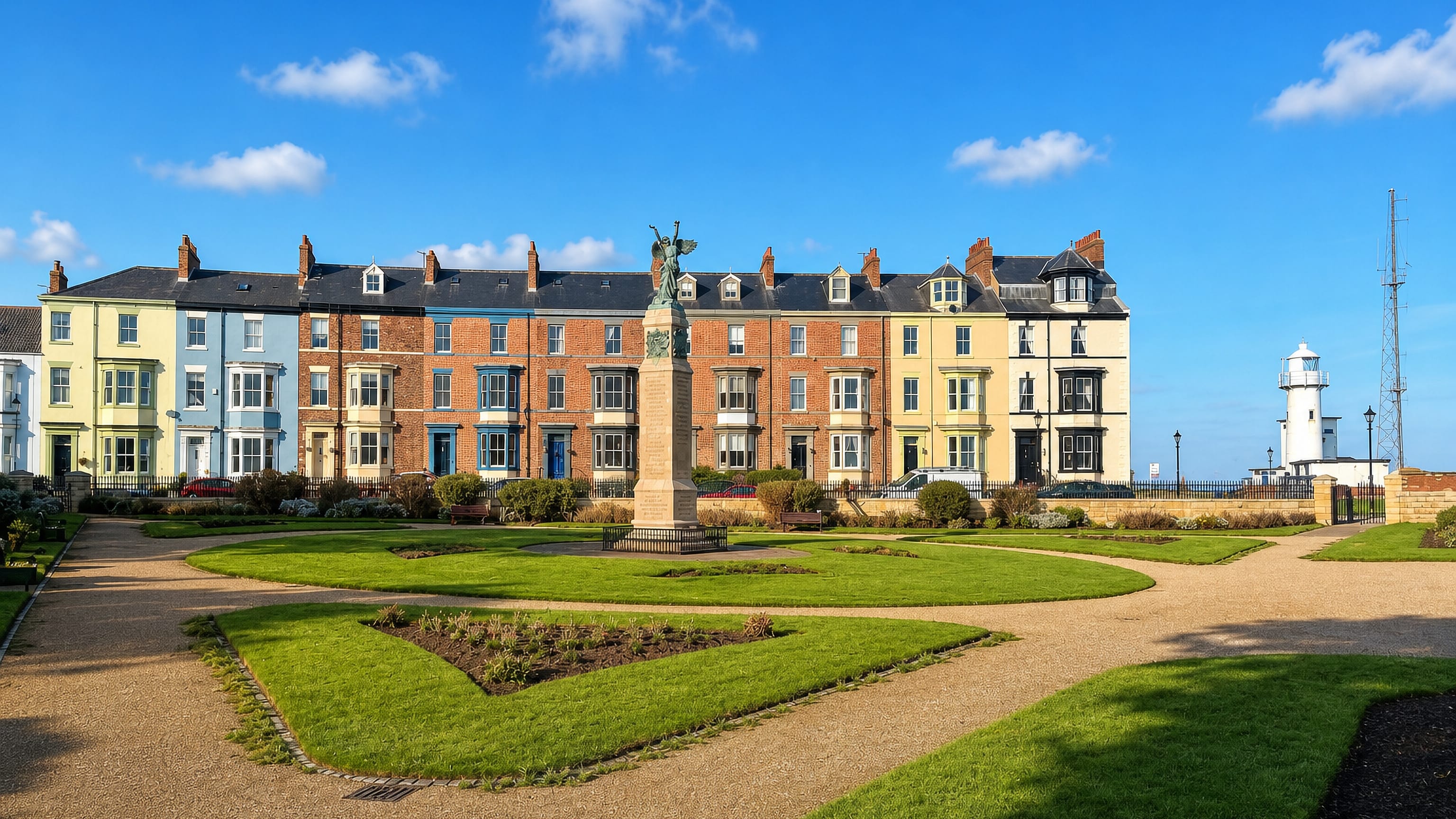
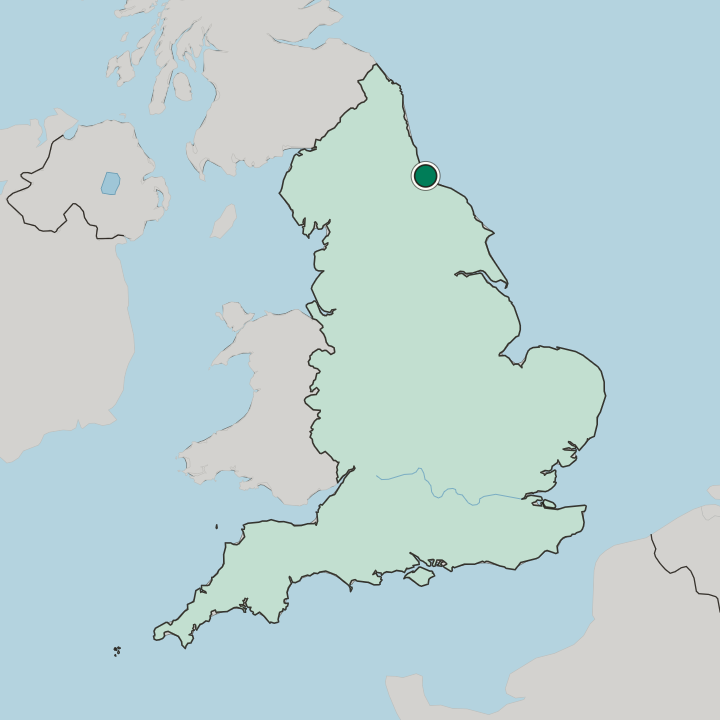
Hartlepool is an industrial port town on the County Durham coast in England, where HMS Trincomalee lies in dock beside the Royal Navy museum.
Hotel links are affiliate links: booking through them may earn us a commission, at no extra cost to you. It never affects how places are ranked. How this works


Where to stay in Hartlepool
Where the beds are, and what that means for the visit.
Museum ships anchor the centre. Rooms near the dock put HMS Trincomalee, PS Wingfield Castle and the National Museum of the Royal Navy, Hartlepool within a short walk, which is the obvious base if you have come for the ships. The Museum of Hartlepool and Hartlepool Art Gallery add two more collections inside the same stretch of streets, so a dockside room covers most of what there is to see indoors.
Beds are practical here. St Hilda's Church marks older ground, and the Heugh Battery Museum guards the seaward edge, which gives that end of Hartlepool a different feel from the dock, with wind off the water and a long view out. The sea is right there.
A room on that side suits walkers and anyone who would rather hear water than traffic, though the choice of places to sleep thins out quickly. Away from the water, Ward Jackson Park, the South African War Memorial and the Statue of Ralph Ward Jackson mark the civic streets, where Moor House, Mayfield House and Strathmore House stand among the older frontages. Parking is simpler there.
Rooms in those streets look at the town rather than the sea, and they leave the Steelworkers' War Memorial and Park Tower within reach on foot.
Find hotels in Hartlepool
Direct booking searches for these neighbourhoods.
The dock and the museum ships
Waterside ground shared by PS Wingfield Castle and the National Museum of the Royal Navy, HartlepoolFind hotels in The dock and the museum shipsWalkers heading for the Heugh Battery Museum and the open waterThe seaward end by St Hilda's Church
Older church ground on the exposed side, where the wind arrives before the traffic does. Beds are limited here, so book early.Find hotels in The seaward end by St Hilda's ChurchQuieter nights among the older frontages away from the dockThe Ward Jackson Park streets
Civic ground around Ward Jackson Park, the South African War Memorial and Strathmore House. Rooms are few around here — worth securing early.Find hotels in The Ward Jackson Park streetsHotel links are affiliate links: booking through them may earn us a commission, at no extra cost to you. It never affects how places are ranked. How this works
Things to do in Hartlepool
Ranked by global recognition; descriptions from Wikidata (CC0).
Museums & Galleries
2- Heugh Battery Museum Heritage
- Hartlepool Art Gallery
Churches & Religious Sites
8- St Hilda's Church Heritage
- Church of St Joseph Heritage
- Church of St Mary Heritage
- Church of All Saints Heritage
- Church of St Paul Heritage
Show 3 more →
- Church of St Oswald Heritage
- Church of St Aidan Heritage
- Church of the Holy Trinity Heritage
Castles & Historic Sites
2- Low Throston deserted medieval village Heritage
- Statue of Ralph Ward Jackson Heritage
Landmarks & Notable Places
5- Mayfield House Heritage
- Moor House Heritage
- Park Tower (Former North Eastern Co-Operative Society Department Store) Heritage
- Strathmore House Heritage
- Union House Heritage
worth knowingacross 4 categories in Hartlepool
About Hartlepool
Ships hold the headline.
What is Hartlepool known for?
HMS Trincomalee sits at the National Museum of the Royal Navy, Hartlepool, with the paddle steamer PS Wingfield Castle nearby, and the Museum of Hartlepool tells the town's own story alongside them. The Heugh Battery Museum keeps the coastal defences, and St Hilda's Church stands among the oldest fabric in town. Hartlepool Art Gallery shows work.
Industry left its own marks, from the Steelworkers' War Memorial to Park Tower, once a department store.
What are the main landmarks in Hartlepool?
HMS Trincomalee is the headline exhibit, moored beside the National Museum of the Royal Navy, Hartlepool, with the PS Wingfield Castle alongside. The Heugh Battery Museum holds the guns. St Hilda's Church, the Church of the Holy Trinity and the Former Church of St Andrew cover the ecclesiastical side, while the Museum of Hartlepool and Hartlepool Art Gallery take the civic one.
Ward Jackson Park holds the South African War Memorial, and the Statue of Ralph Ward Jackson stands in the town. Low Throston deserted medieval village predates all of it.
What is the history of Hartlepool?
St Hilda's Church predates the industry. The church stands from a time when this coast of County Durham held small settlements rather than works, and the Low Throston deserted medieval village survives as earthworks from the same centuries. Industry changed the scale entirely, and the port that gave Hartlepool its trade brought docks, shipping and the steelworks whose memorial still stands near the social club named for them.
A statue of Ralph Ward Jackson stands in the town, and Ward Jackson Park carries the same name. Churches multiplied across the growing streets: the Church of St Oswald, the Church of St Aidan, the Church of St Joseph, the Church of St Paul and Christ Church among them. The works closed.
Hartlepool became a post-industrial town, and the working ships gave way to preserved ones, with HMS Trincomalee and the PS Wingfield Castle kept at the National Museum of the Royal Navy, Hartlepool. The Heugh Battery Museum keeps the coastal defence side of the record, and the Museum of Hartlepool and Hartlepool Art Gallery hold the rest. Boundaries moved too.
From 1974 to 1996 the town sat in the county of Cleveland, and when that was abolished Hartlepool returned to County Durham, where its unitary authority borough forms part of the Tees Valley area.
Where is Hartlepool?
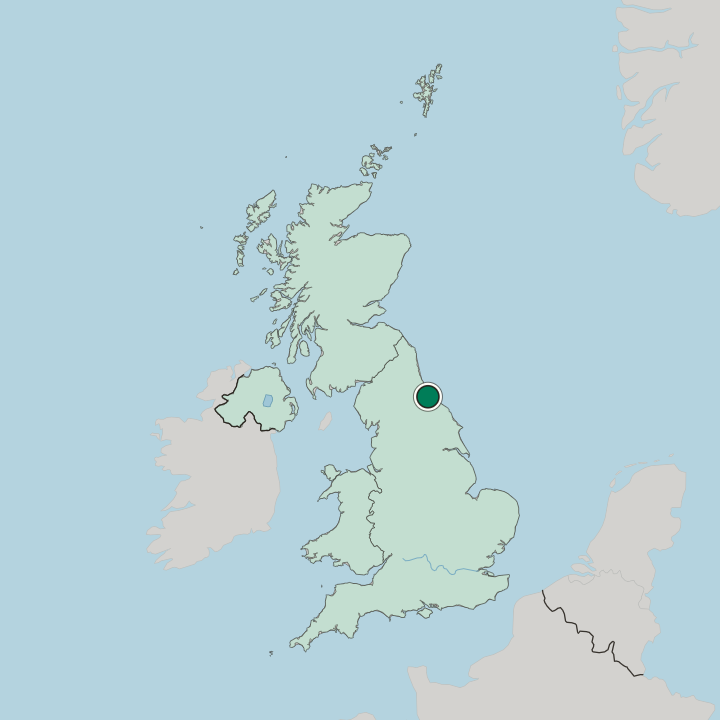
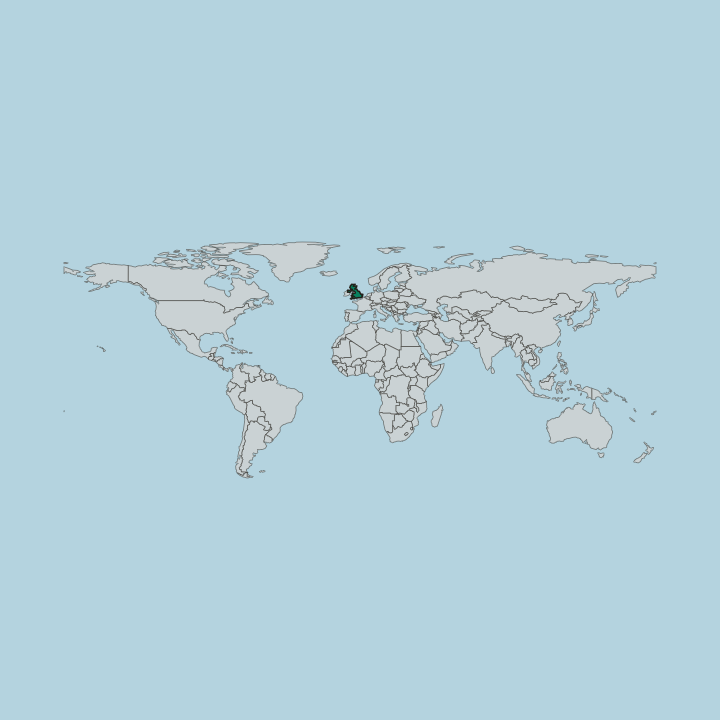
Hartlepool begins at the water. The town stands on the coast of County Durham in England, its docks and the water at the front and the built-up streets running back inland from them. Ward Jackson Park breaks the built ground, and Low Throston deserted medieval village lies out where the town has not covered everything.
The Heugh Battery Museum takes the seaward point. The borough belongs to the Tees Valley area.
What is the climate of Hartlepool?
Coastal air runs the year. Sea wind off the County Durham coast keeps Hartlepool's summers cooler than places a few miles inland, and it drags sea fog and grey mornings over the docks when the water is colder than the land. Winters stay damp rather than deep, with wind doing more damage than frost.
Wind beats frost here.
How do you get to Hartlepool?
The docks still shape the approach, with the museum ships and the National Museum of the Royal Navy, Hartlepool sitting where the working port used to take priority. Hartlepool lies within the Tees Valley area, so arrivals come through County Durham or from the Tees, and the town's own borough covers the last part of any trip. The centre is flat.
Once the bags are down, St Hilda's Church, Ward Jackson Park and the Heugh Battery Museum are all walkable, and only the outer streets need wheels.
Common questions
What is the best area to stay in Hartlepool?
The dock and the museum ships: Stays that want HMS Trincomalee in view from the start. The seaward end by St Hilda's Church: Walkers heading for the Heugh Battery Museum and the open water. The Ward Jackson Park streets: Quieter nights among the older frontages away from the dock.
Good for
More cities in England
Updated September 2026