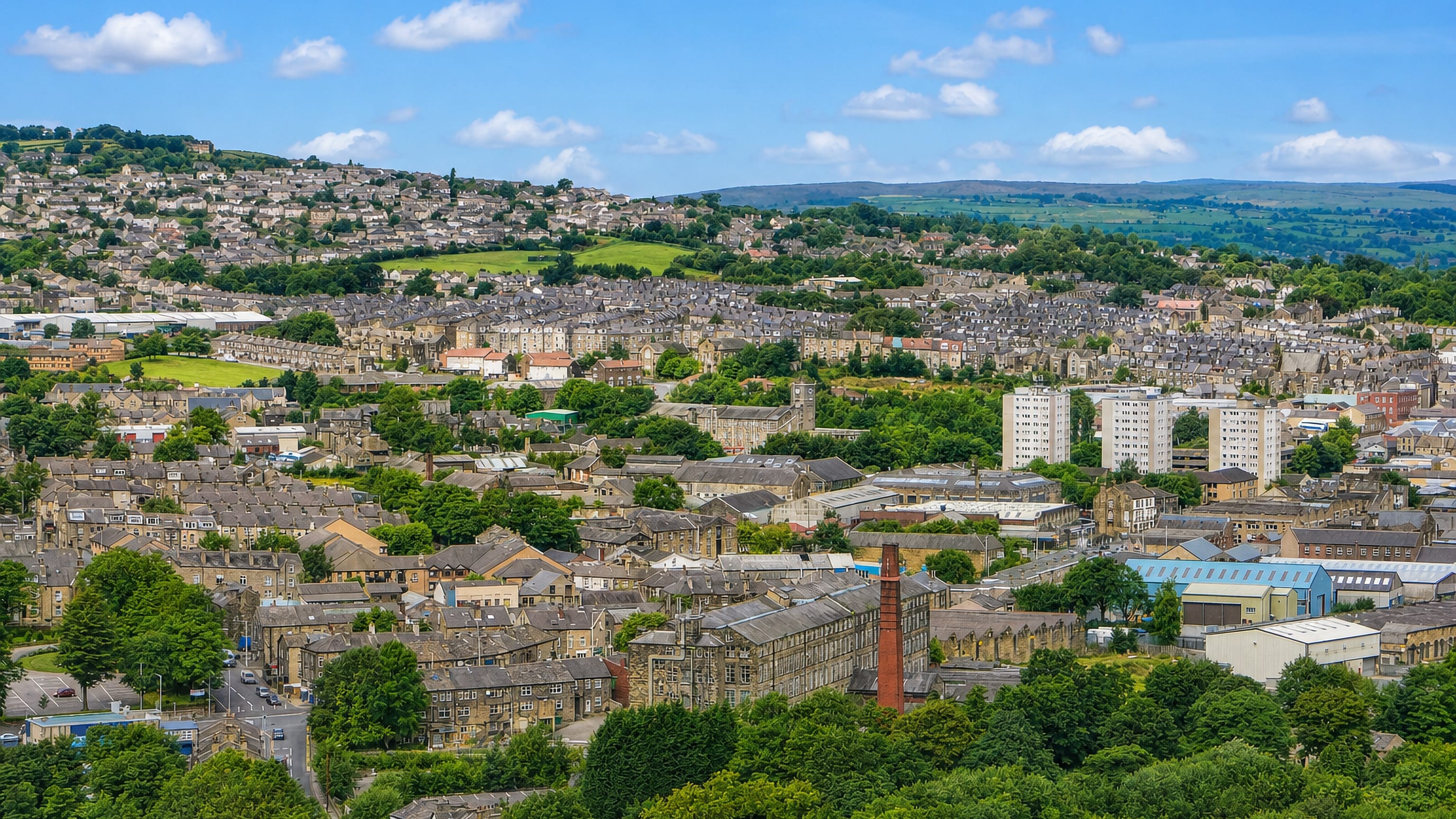
United Kingdom · England
Where to Stay in Keighley, England
Keighley is a market town in the Aire Valley of West Yorkshire, with Cliffe Castle, East Riddlesden Hall and a cluster of railway museums.
Hotel links are affiliate links: booking through them may earn us a commission, at no extra cost to you. It never affects how places are ranked. How this works


Where to stay in Keighley
Not every neighbourhood fits every trip — here's what each one is good for.

 KeighleyUnited Kingdom
Exley Head
Three railway collections, Museum of Rail Travel, Ingrow Loco Museum and Rail Story, are listed against Exley Head, a district of Keighley in England.Where to stay →KeighleyUnited KingdomRiddlesden
Riddlesden is a suburb of Keighley in West Yorkshire, on the Leeds and Liverpool Canal and on the ground of East Riddlesden Hall.Where to stay →KeighleyUnited KingdomBraithwaite
Braithwaite is a district of Keighley in West Yorkshire, England, with the Manor House the single building recorded on its name.Where to stay →Hotel links are affiliate links: booking through them may earn us a commission, at no extra cost to you. It never affects how places are ranked. How this works
Find hotels in Keighley
Direct booking searches for these neighbourhoods.
Around Cliffe Castle
Cliffe Castle stands clear of the shopping streets, and its grounds take the evening walk.Find hotels in Around Cliffe CastleFull days at Rail Story and the Ingrow Loco MuseumIngrow
Three railway collections, the Museum of Rail Travel among them, sit inside one short walk.Find hotels in IngrowWalkers making for East Riddlesden Hall and Catstones RingOut along the Aire Valley
East Riddlesden Hall, Marley Hall and Catstones Hill are all reachable on foot from the valley.Find hotels in Out along the Aire ValleyHotel links are affiliate links: booking through them may earn us a commission, at no extra cost to you. It never affects how places are ranked. How this works
Things to do in Keighley
Ranked by global recognition; descriptions from Wikidata (CC0).
Museums & Galleries
3- Keighley Bus Museum
- Ingrow Loco Museum
- Rail Story
Churches & Religious Sites
5- Christ Church Heritage
- St Stephen's Church Heritage
- Keighley Shared Church Heritage
- Church of St John Heritage
- Church of St James Heritage
Castles & Historic Sites
1- Late prehistoric enclosed settlement known as Catstones Ring on Catstones Hill Heritage
Landmarks & Notable Places
8- Oakworth Hall Heritage
- Bank House Heritage
- Blakey Cottage Blakey House Heritage
- Cliffe Castle Heritage
- Eden House Heritage
Show 3 more →
- Manor House Heritage
- Marley Hall Heritage
- Steeton Tower And Adjoining Wall Victoria Tower And Adjoining Wall Heritage
worth knowingacross 4 categories in Keighley
About Keighley
What is Keighley known for?
Railways account for much of what brings visitors to Keighley, with the Museum of Rail Travel, the Ingrow Loco Museum and Rail Story gathered close together. Cliffe Castle stands nearby. East Riddlesden Hall and West Riddlesden Hall carry the older domestic record of the Aire Valley, and the Keighley Bus Museum adds a second transport collection to a town of modest size.
Catstones Ring predates all of it.
What are the main landmarks in Keighley?
Cliffe Castle and its museum are the first stop for most visitors, and East Riddlesden Hall the second. Rail Story gathers the railway collections. The Museum of Rail Travel and the Ingrow Loco Museum sit under that name, the Keighley Bus Museum keeps a separate site, and between them they give a town of this size an unusual weight of transport history.
Older fabric survives in the halls: West Riddlesden Hall, Oakworth Hall, Marley Hall, the Manor House and Bank House. Catstones Ring is older still.
What is the history of Keighley?
Catstones Ring comes first. The late prehistoric enclosed settlement on Catstones Hill shows that the ground above Keighley was occupied long before any market was held in the valley below, and it remains the one surviving trace of that period in the district. Halls followed much later.
East Riddlesden Hall, West Riddlesden Hall, Oakworth Hall and Marley Hall belong to the centuries when land in the Aire Valley was held in large blocks, and the Manor House, Bank House, Utley House and Eden House record the domestic building that came after them. Keighley grew into a market town and a civil parish, and the churches trace that growth: St Mary the Virgin, the Church of St John, Christ Church, St Stephen's Church and the Church of St James were built for a settlement that kept expanding. Keighley Shared Church came out of a later arrangement.
Steeton Tower and Victoria Tower stand with their adjoining walls, and the Lees, Cross Roads and Bocking Memorial Building marks the villages around the town rather than the town itself. Then the lines arrived. What Rail Story, the Museum of Rail Travel and the Ingrow Loco Museum now preserve as heritage was ordinary working stock on the lines through the valley, and Keighley ended as the second-largest settlement in the City of Bradford Borough of West Yorkshire, behind only Bradford.
Where is Keighley?
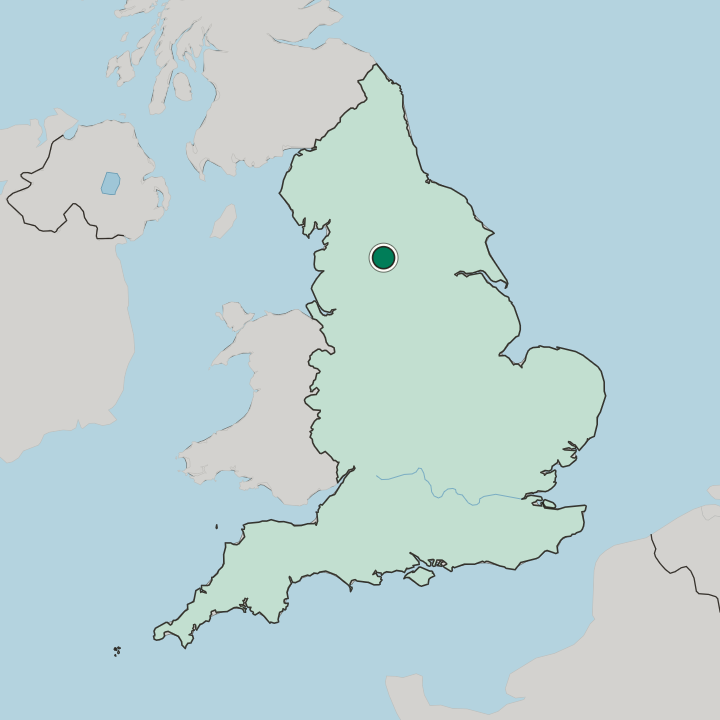
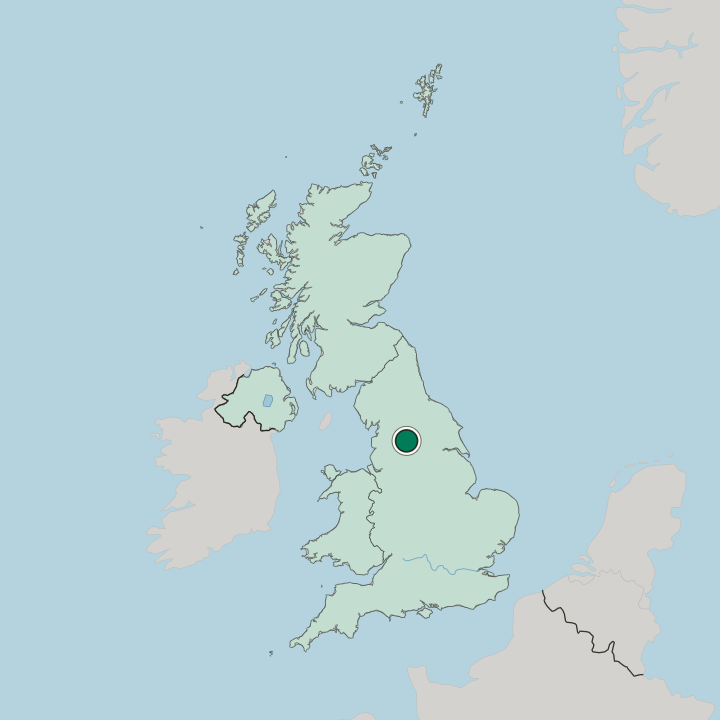
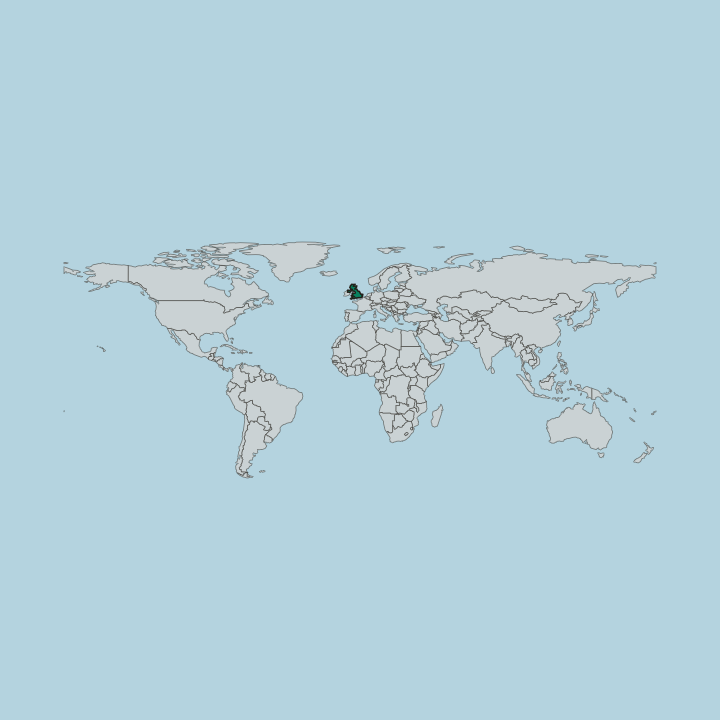
The Aire Valley sets the frame. Keighley lies north west of Bradford in West Yorkshire, on ground that climbs away from the valley floor towards Catstones Hill. The built-up ground follows the valley rather than spreading evenly in all directions, and the halls at East Riddlesden and Oakworth stand far enough out that open land still separates them from the streets of the town.
Bradford is the larger neighbour.
What is the climate of Keighley?
Height decides the weather here. Keighley sits in the temperate band of the northern hemisphere, but the ground above the Aire Valley catches more wind and more rain than the valley floor does, so the difference between the streets and Catstones Hill can be felt within a single walk. Snow settles on the tops first.
Neither the summers nor the winters run to extremes down in the town, which is why the halls and the museums stay open across most of the year rather than a short season.
How do you get to Keighley?
Bradford handles the connections. Keighley lies north west of it, up the Aire Valley, and the run between the two is the shortest leg of most journeys out this way. Ingrow sits on the railway.
Rail Story and the Museum of Rail Travel are placed where they are because the line passes through, and the Keighley Bus Museum keeps the road side of the same story. Walking covers the rest of the town.
Common questions
What is the best area to stay in Keighley?
Around Cliffe Castle: Museum stays with Cliffe Castle Museum at the door. Ingrow: Full days at Rail Story and the Ingrow Loco Museum. Out along the Aire Valley: Walkers making for East Riddlesden Hall and Catstones Ring.
Good for
More cities in England
Updated October 2026