United Kingdom · England
Where to Stay in Mansfield, England
Mansfield is a market town in the Maun Valley of Nottinghamshire, chartered by Henry III in 1227 and the administrative centre of Mansfield District.
Hotel links are affiliate links: booking through them may earn us a commission, at no extra cost to you. It never affects how places are ranked. How this works


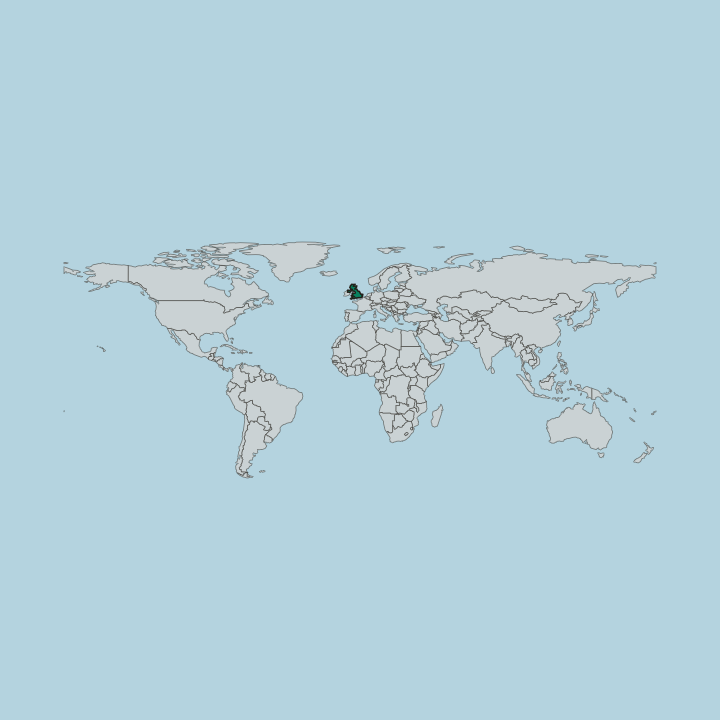
Where to stay in Mansfield
One neighbourhood here has its own guide — here's what it is best for.

 MansfieldUnited Kingdom
Pleasleyhill
Pleasleyhill is a district of Mansfield anchored by Pleasley Colliery, with St Barnabas' Church and Pleasley Hill House on the same record.Where to stay →Hotel links are affiliate links: booking through them may earn us a commission, at no extra cost to you. It never affects how places are ranked. How this works
Find hotels in Mansfield
Direct booking searches for these neighbourhoods.
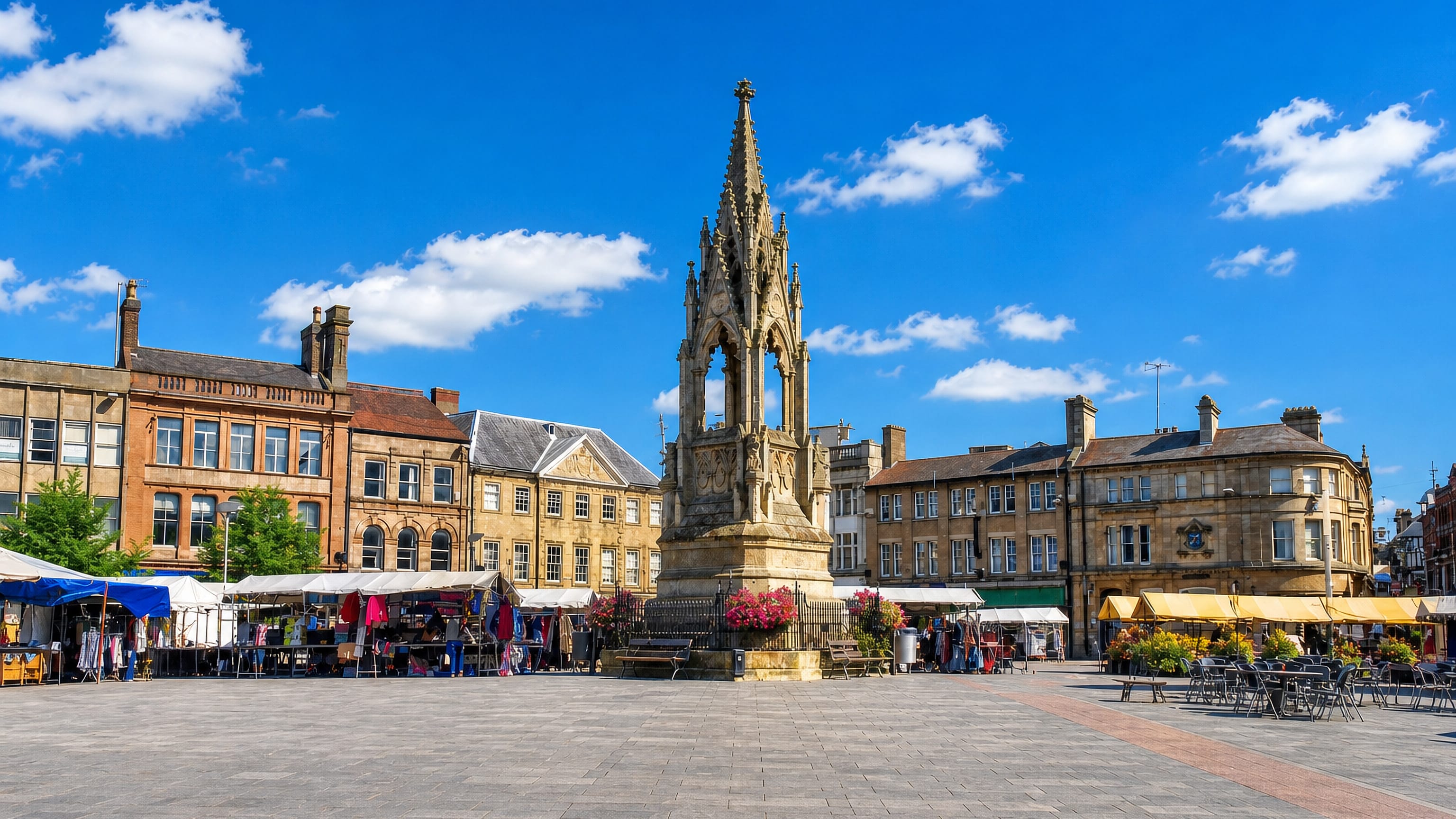
Mansfield market place
The market place, St. Peter and St. Paul's Church and Mansfield Museum sit inside one short circuit.Find hotels in Mansfield market placepark mornings by the Carr Bank grottoCarr Bank
Carr Bank Memorial Park and its grotto give this side a green edge away from the market noise.Find hotels in Carr BankSt. Alban's Church and the Sherwood edgeForest Town
St. Alban's Church anchors Forest Town where the Mansfield District thins toward the old forest ground. Rooms are few around here — worth securing early.Find hotels in Forest TownDebdale Hall and a car-first baseDebdale
Debdale Hall and Field Mill House stand on the outer ring, where driving beats walking. Few places to stay nearby — book ahead.Find hotels in DebdaleHotel links are affiliate links: booking through them may earn us a commission, at no extra cost to you. It never affects how places are ranked. How this works
Things to do in Mansfield
Ranked by global recognition; descriptions from Wikidata (CC0).
Churches & Religious Sites
7- St. Peter and St. Paul's Church, Mansfield Heritage
- Church of St Edmund Heritage
- St. John's Church, Mansfield Heritage
- St Philip Neri Church Heritage
- St. Mark's Church, Mansfield Heritage
Show 2 more →
- Church of St Michael Heritage
- Church of St Lawrence the Martyr Heritage
Castles & Historic Sites
3- Cavendish Monument Heritage
- Monument 75 Metres South Of North Gate At Mansfield Cemetery Heritage
- Mound on Hamilton Hill Heritage
Landmarks & Notable Places
8- Waverley House Heritage
- The Old Meeting House Heritage
- St Peter's House Heritage
- Cromwell House Heritage
- 35 High Street Heritage
Show 3 more →
- Church House Heritage
- Debdale Hall Heritage
- Field Mill House Heritage
worth knowingacross 3 categories in Mansfield
About Mansfield
Markets made it.
What is Mansfield known for?
Henry III granted the Royal Charter of a market town in 1227, and the centre has been arranged around that grant ever since, which is why Mansfield reads as a working town rather than a museum piece. Mansfield Museum gathers what survives. St. Peter and St. Paul's Church and the Cavendish Monument stand for the older town, while Sherwood Forest explains why it mattered in the first place.
What are the main landmarks in Mansfield?
Mansfield Museum is the obvious stop. St. Peter and St. Paul's Church heads the church list, and the Church of St Edmund, St. John's Church, St. Mark's Church and St Philip Neri Church spread the rest across the town. Monuments come next.
The Cavendish Monument stands in the centre, the Wildman Memorial marks Mansfield Cemetery, and the Mound on Hamilton Hill is the odd one out. Cromwell House, Westgate House and Waverley House hold the domestic end.
What is the history of Mansfield?
Sherwood Forest came first. Mansfield became the pre-eminent town among those of the forest, and that standing is what the early record hands down, long before any of the churches now on show were built. A charter followed.
Henry III granted the Royal Charter of a market town in 1227, and everything the centre does afterwards runs from that grant. The Mound on Hamilton Hill sits outside that sequence entirely. Churches record the growth.
The Church of St Edmund, St. John's Church, St. Mark's Church and St. Alban's Church at Forest Town each belong to a different part of the town in the Maun Valley, while St Philip Neri Church and the Church of St Lawrence the Martyr add later congregations. Houses tell the same story. Cromwell House, Westgate House, Waverley House, St Peter's House and Rock Court survive from the older streets, and the Old Meeting House stands for the dissenting side.
Debdale Hall and Field Mill House stand further out again. Mansfield is the administrative centre of the Mansfield District and the one authority in Nottinghamshire with a publicly elected mayor, the Mayor of Mansfield, and it ranks second in the county behind Nottingham.
Where is Mansfield?
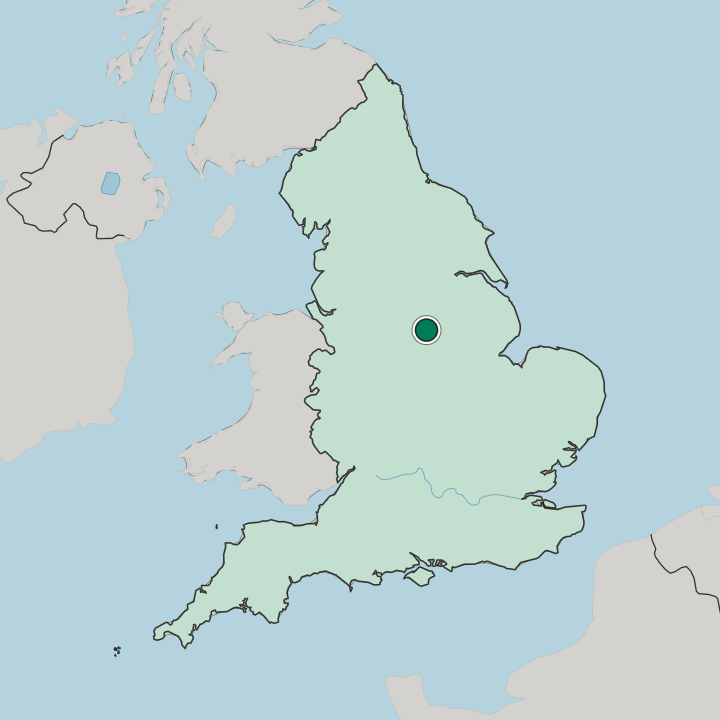
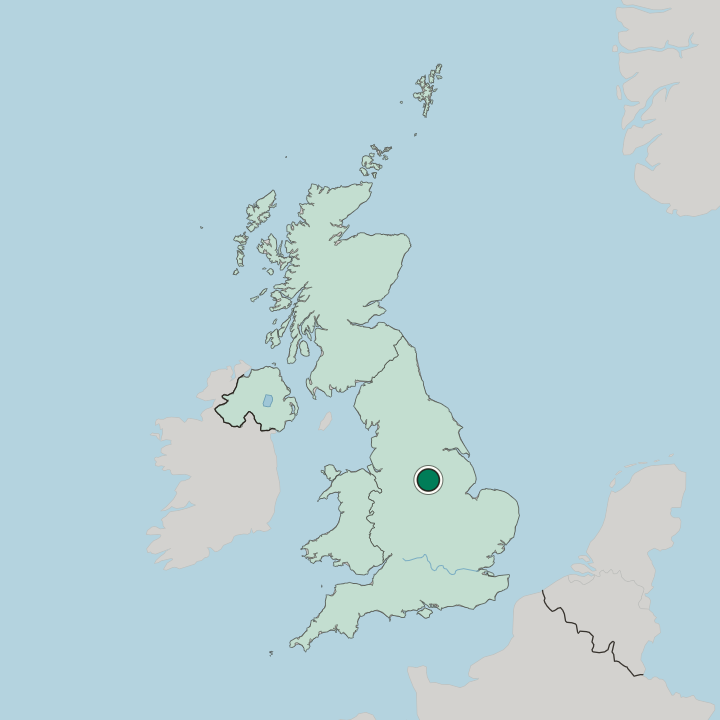
The Maun Valley holds the town. Mansfield sits in that valley 12 miles north of Nottingham, and the ground around it belongs to the old Sherwood Forest country that once made the place pre-eminent among the forest towns. Hamilton Hill marks a high point.
Carr Bank Memorial Park breaks up the built-up area on one side, and Forest Town extends it on another within the Mansfield District.
What is the climate of Mansfield?
The Maun Valley does the moderating. Air settles along the valley floor on cold nights, so frost tends to linger there while the higher ground around Hamilton Hill and the Sherwood Forest country clears sooner. Summers stay temperate.
Rain is spread through the year rather than concentrated, and Mansfield Museum, the Old Meeting House and the churches give a wet afternoon somewhere to go.
How do you get to Mansfield?
Nottingham does the arriving. The city sits 12 miles south of Mansfield, and journeys into the Maun Valley usually run up from there, since Nottingham is the county's first city and Mansfield the second settlement after it. Forest Town lies on the outer side.
Once inside the Mansfield District, the market centre, Mansfield Museum and Carr Bank Memorial Park are close enough together that a car parked once will cover most of them.
Common questions
What is the best area to stay in Mansfield?
Mansfield market place: the 1227 market grant and the museum on foot. Carr Bank: park mornings by the Carr Bank grotto. Forest Town: St. Alban's Church and the Sherwood edge. Debdale: Debdale Hall and a car-first base.
Good for
More cities in England
Updated October 2026