United Kingdom · England
Where to Stay in Middlesbrough, England
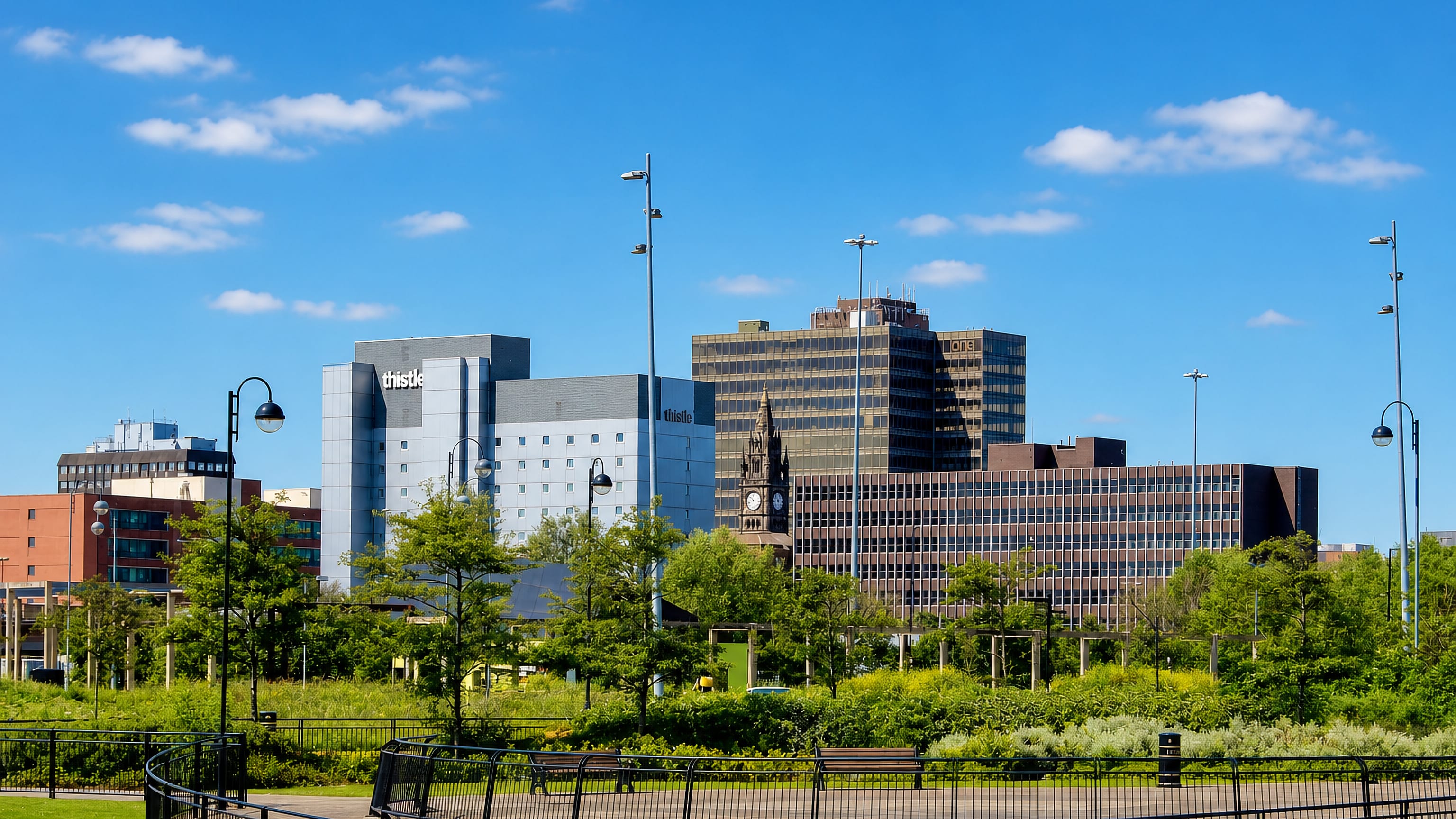
Middlesbrough is an industrial town on Teesside in England, founded in 1830 and built on iron and steel.
Hotel links are affiliate links: booking through them may earn us a commission, at no extra cost to you. It never affects how places are ranked. How this works


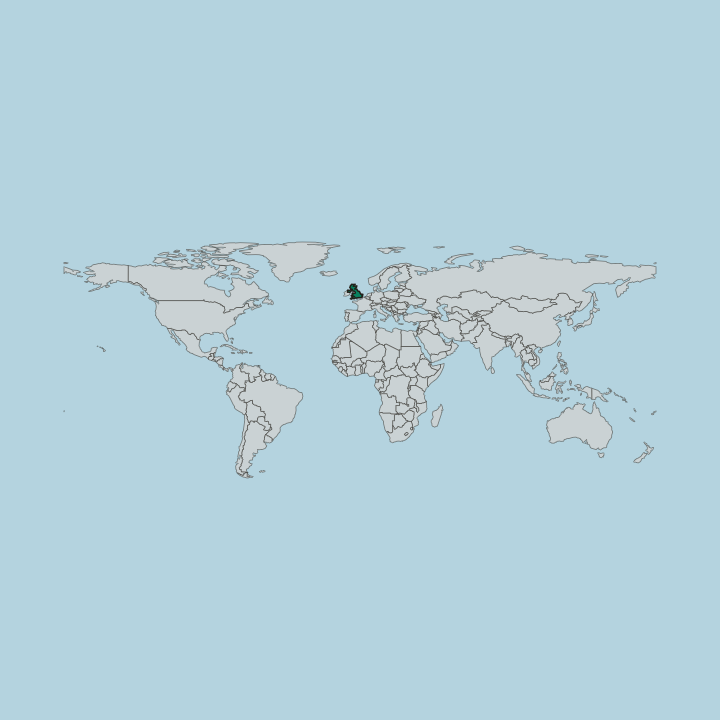
Where to stay in Middlesbrough
Where you base yourself shapes the visit — here's the character of each area.

 MiddlesbroughUnited Kingdom
North Ormesby
North Ormesby is a Middlesbrough district running from the Middlesbrough Institute of Modern Art to the Church of the Holy Trinity.Where to stay →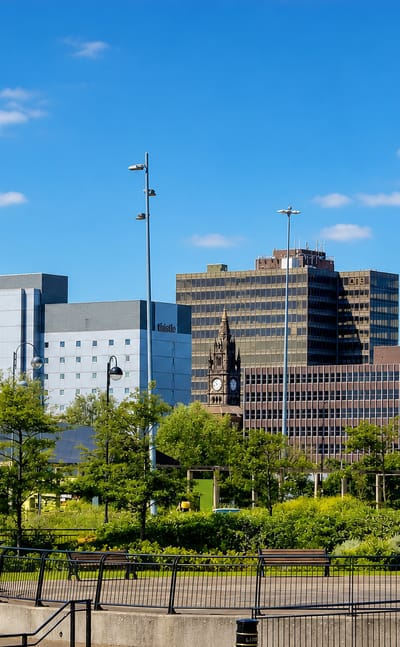 MiddlesbroughUnited Kingdom
Linthorpe
Linthorpe is a Middlesbrough neighbourhood holding the Dorman Museum, with Albert Park and Acklam Park among its open spaces.Where to stay → MiddlesbroughUnited Kingdom
Hemlington
Hemlington is a district of Middlesbrough, in England, whose named buildings include St Timothy, Memorial Hall and Stainton House.Where to stay →MiddlesbroughUnited KingdomCoulby Newham
Coulby Newham is an area of Middlesbrough holding Newham Grange Leisure Farm, the Newham Grange Farm Museum and the Church of St Cuthbert.Where to stay →Hotel links are affiliate links: booking through them may earn us a commission, at no extra cost to you. It never affects how places are ranked. How this works
Find hotels in Middlesbrough
Direct booking searches for these neighbourhoods.
The town centre
The flat central streets around the Middlesbrough Institute of Modern Art and the shops, close to the station.Find hotels in The town centregreenery and the Dorman MuseumThe Albert Park side
The residential streets around Albert Park and its lake, with the Dorman Museum on the park's edge.Find hotels in The Albert Park sidethe steel sculptures at Teessaurus ParkThe riverside works edge
The industrial ground toward the river where Teessaurus Park sets its steel dinosaurs on old works land.Find hotels in The riverside works edgeHotel links are affiliate links: booking through them may earn us a commission, at no extra cost to you. It never affects how places are ranked. How this works
Things to do in Middlesbrough
Ranked by global recognition; descriptions from Wikidata (CC0).
Museums & Galleries
2- Middlesbrough Institute of Modern Art
- Newham Grange Farm Museum
Churches & Religious Sites
8- Church of the Holy Trinity Heritage
- Church of St. Cuthbert Heritage
- Church of St. Peter and St. Paul Heritage
- Church of St John the Evangelist Heritage
- Church of St Peter Heritage
Show 3 more →
- Church of All Saints Heritage
- Church of St Columba Heritage
- Church of St. Barnabas Heritage
Castles & Historic Sites
3- Monument To H.W.F.Bolckow Heritage
- Monument To John Vaughan Heritage
- Monument To Sir Samuel Sadler Heritage
Stadiums & Sports
3- Paradise Ground
- Acklam Park
- Swatter's Carr
Landmarks & Notable Places
7- Bridgekeepers House Heritage
- Church House Heritage
- Customs House Heritage
- Exchange House Heritage
- Nazareth House Heritage
Show 2 more →
- Stainton House Heritage
- Westside House Heritage
worth knowingacross 5 categories in Middlesbrough
About Middlesbrough
Iron and steel made Middlesbrough.
What is Middlesbrough known for?
The town rose fast from a few farms in 1830 to a great works on Teesside, and its founders are remembered in the Monument To H.W.F.Bolckow and the Monument To John Vaughan. The Middlesbrough Institute of Modern Art now shows contemporary work in the centre. Families head for the Dorman Museum and the green of Albert Park.
Out by the river, the odd steel dinosaurs of Teessaurus Park recall the industry that built the place.
What are the main landmarks in Middlesbrough?
The Middlesbrough Institute of Modern Art leads in the centre. Its modern galleries hold contemporary art and design. The Dorman Museum sits by Albert Park with the town's older collections, and the park itself keeps the Memorial Clock, In Albert Park among its lawns.
Monuments to the founders stand about the streets, the Monument To H.W.F.Bolckow and the Monument To John Vaughan among them. Out by the river the steel beasts of Teessaurus Park mark the works ground. Acklam Park lies over to the west.
What is the history of Middlesbrough?
Middlesbrough is a child of the industrial age. In 1830 the site held little more than a farm on Teesside, and within a single generation it had swelled into a booming ironworks town, its streets laid out fresh around the furnaces that gave it life. Iron changed everything.
The partners Henry Bolckow and John Vaughan built the works that drew the people in, and the town still honours them in the Monument To H.W.F.Bolckow and the Monument To John Vaughan set among its streets. Steel followed iron, and the works spread along the river. As the town prospered its leaders gave it a park, and Albert Park was laid out with lawns, a lake and the Memorial Clock, In Albert Park at its heart.
The Dorman Museum came to stand at its edge, gathering the town's collections. Later the Middlesbrough Institute of Modern Art brought contemporary art to the centre, and the steel dinosaurs of Teessaurus Park were set on old works ground as a memory of the trade. Founded on iron in 1830, the town keeps that making at the core of what it is.
Where is Middlesbrough?
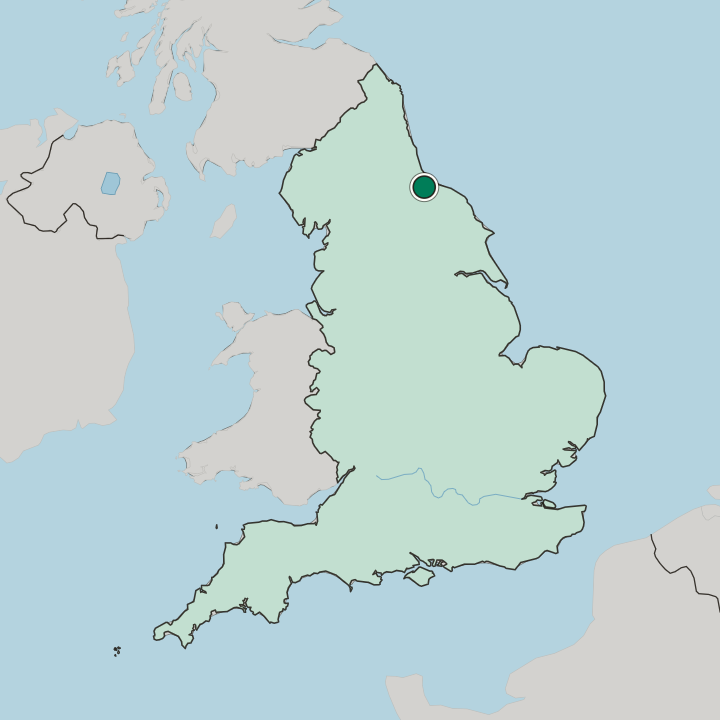
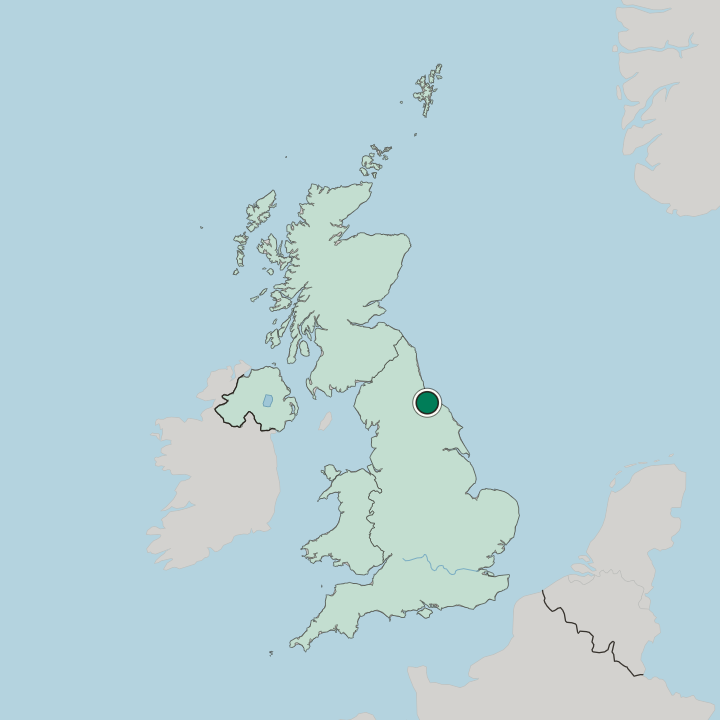
Middlesbrough stands on Teesside, in the north-east of England, on the low ground beside the river that gives the district its name. The land here is flat and open, running down to the water where the old works and Teessaurus Park sit. This is riverside country.
Albert Park and Acklam Park bring green into the built-up town, and the industrial edge falls away toward the river to the north. England's north-eastern coast lies not far beyond.
What is the climate of Middlesbrough?
Middlesbrough has a cool, temperate climate typical of north-east England. The nearby North Sea keeps its winters from the worst extremes and its summers mild rather than hot, though the east coast can turn grey and raw when the wind swings onshore. Rain is moderate, less than the west of the country sees, and spread through the year.
Sea fret drifts in off the coast. Frosts are common but seldom deep on the low Teesside ground.
How do you get to Middlesbrough?
Middlesbrough is well connected across Teesside. Trains run in from the wider network to the town's central station, and roads gather traffic from around the north-east of England. The flat river ground makes the approaches level and open on every side.
Many arrive to see the Middlesbrough Institute of Modern Art or to reach the moors and coast beyond the town. From the station the centre and Albert Park are both an easy walk.
Common questions
What is the best area to stay in Middlesbrough?
The town centre: the modern art gallery and the trains. The Albert Park side: greenery and the Dorman Museum. The riverside works edge: the steel sculptures at Teessaurus Park.
Good for
More cities in England
Updated October 2026