United Kingdom · England
Where to Stay in Norwich, England
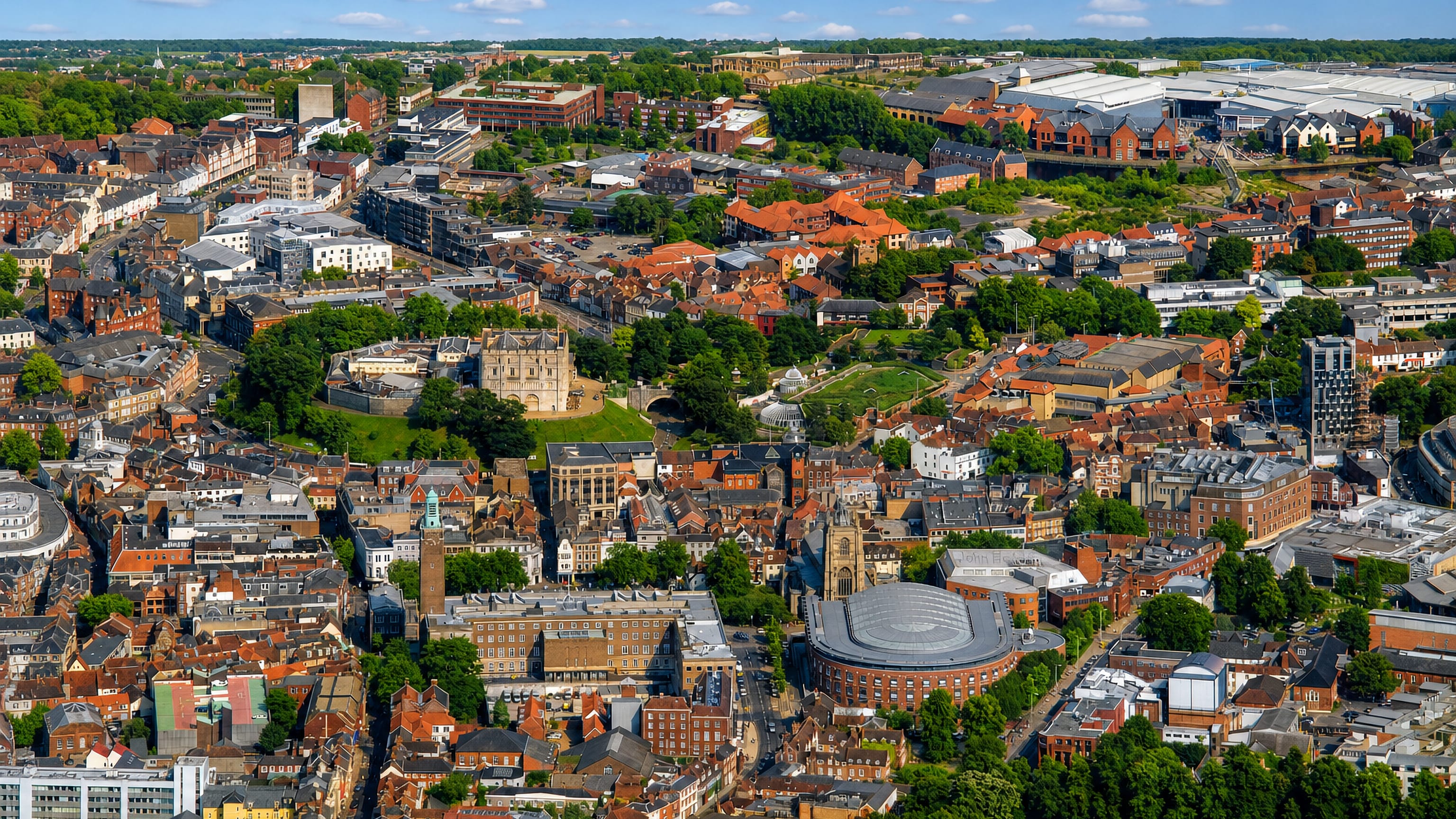
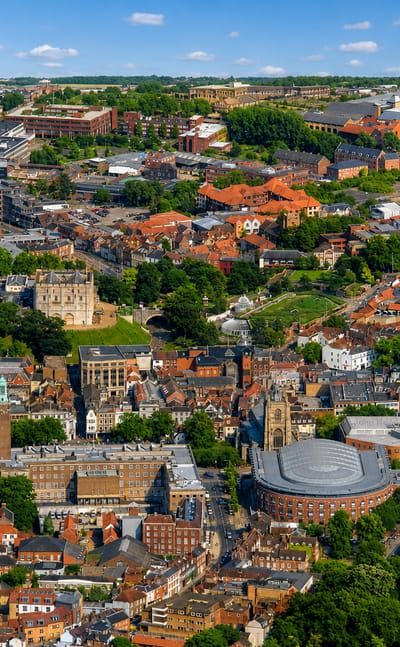
Norwich is a cathedral city of England, its skyline held by Norwich Castle and a dense crowd of medieval parish churches.
Hotel links are affiliate links: booking through them may earn us a commission, at no extra cost to you. It never affects how places are ranked. How this works



Where to stay in Norwich
One neighbourhood here has its own guide — here's what it is best for.
 NorwichUnited Kingdom
Thorpe Hamlet
Thorpe Hamlet is a suburb east of Norwich city centre, in Norfolk, where Cow Tower, Thorpe Hall and the houses of The Close stand.Where to stay →Hotel links are affiliate links: booking through them may earn us a commission, at no extra cost to you. It never affects how places are ranked. How this works
Find hotels in Norwich
Direct booking searches for these neighbourhoods.
Castle and market core
the lanes below the mound of Norwich Castle, dropping to the market place under St Peter MancroftFind hotels in Castle and market coretravellers after the medieval cityThe merchants' quarter
the streets around Strangers' Hall, where the flint and timber halls of the old cloth trade surviveFind hotels in The merchants' quartera quieter base near the waterRiverside and Coslany
the northern edge by Cow Tower and St Michael Coslany, calmer than the market lanes but still close in. Beds are limited here, so book early.Find hotels in Riverside and Coslanylarger rooms outside the old coreNewmarket Road approaches
the southern streets along Newmarket Road, holding bigger houses beyond the crowded medieval centreFind hotels in Newmarket Road approachesHotel links are affiliate links: booking through them may earn us a commission, at no extra cost to you. It never affects how places are ranked. How this works
Things to do in Norwich
Ranked by global recognition; descriptions from Wikidata (CC0).
Museums & Galleries
1- Strangers' Hall Heritage
Churches & Religious Sites
8- St Peter Mancroft Heritage
- St Andrew's Church Heritage
- Church of St Julian, Norwich Heritage
- Church of St Giles Heritage
- St Michael Coslany, Norwich Heritage
Show 3 more →
- St Gregory's Church, Norwich Heritage
- Church of St George Heritage
- All Saints Church Heritage
Castles & Historic Sites
1- Norwich Castle Heritage
Stadiums & Sports
1- Newmarket Road
Landmarks & Notable Places
1- Cow Tower Heritage
worth knowingacross 5 categories in Norwich
About Norwich
What is Norwich known for?
Norwich is known across England for its castle keep and its unusual wealth of old churches. Norwich Castle stands on its mound above the centre, a Norman keep turned museum, while St Peter Mancroft rises over the market place as the grandest of the city's parish churches. Few English cities kept so many.
Medieval merchants' halls survive too, among them Strangers' Hall, and the river wall still carries the brick of Cow Tower at the old defensive edge of the town.
What are the main landmarks in Norwich?
Norwich crowds more medieval landmarks into its centre than almost any English city. Norwich Castle holds the high ground as a square Norman keep, now a museum, and St Peter Mancroft towers over the market place among a rare survival of parish churches. The old defences leave their mark.
Cow Tower still stands guard on the river bend, a brick artillery tower from the fourteenth century, and Strangers' Hall keeps a merchant's house of the cloth trade behind its courtyard. St Michael Coslany, St Andrew's Church and St George's carry more of the flint towers that fill the skyline.
What is the history of Norwich?
Norwich grew into one of the great cities of medieval England. The Normans raised Norwich Castle on its mound soon after the Conquest, planting a stone keep over the Saxon trading town, and the city became a walled place of markets, halls and dozens of parish churches. Wool made it rich.
The cloth trade drew weavers and merchants for centuries, leaving grand parish churches such as St Peter Mancroft and merchant houses like Strangers' Hall behind as its record. The defences were serious. Cow Tower went up on the river bend in the fourteenth century as part of the city's fortifications, and the walls once ringed a town among the largest in the country.
Trade slowed and the industry faded, but the medieval fabric held, leaving Norwich with more surviving pre-Reformation churches than any city of its size in England. That inheritance still shapes the streets.
Where is Norwich?
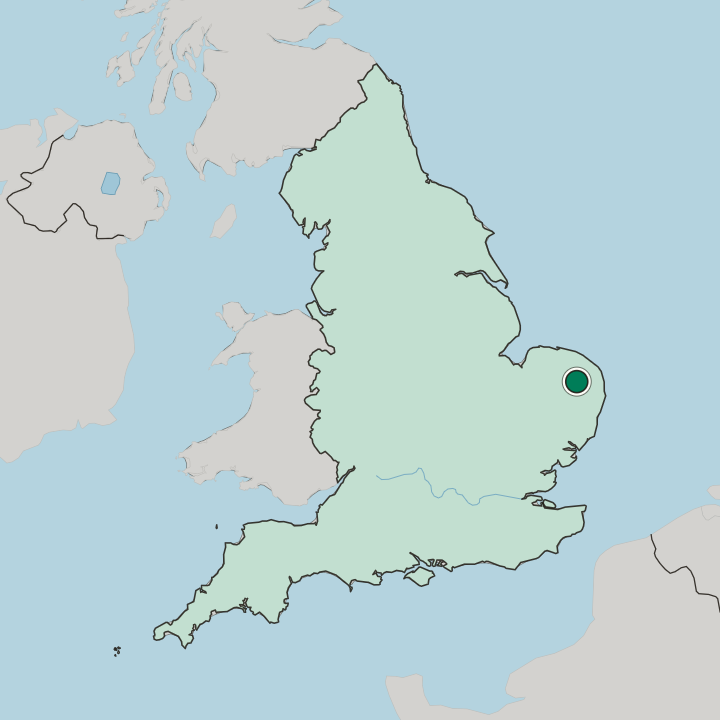
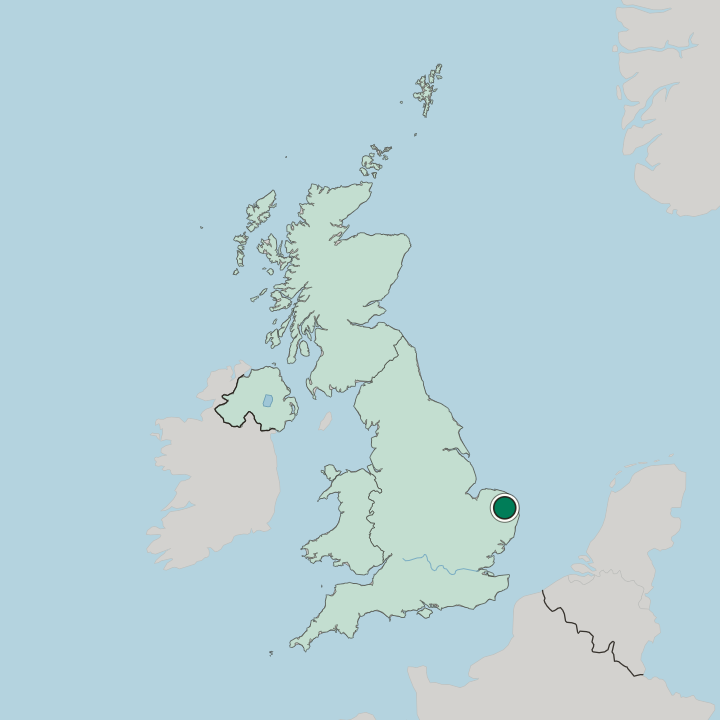
Norwich stands inland in eastern England, a city set on rising ground above a bend of river. The old centre climbs to the mound of Norwich Castle, with the market place and St Peter Mancroft below it and the river curling round the northern side past Cow Tower. Water shaped the edges of the town.
The built-up area spreads outward from the walled core, reaching along Newmarket Road and the older approaches into the farmland of the surrounding country.
What is the climate of Norwich?
Norwich has one of the drier, milder climates in England. Held on the eastern side of the country, sheltered from the wettest Atlantic weather, the city sees less rain than the west and warm settled spells more often in summer. Winters stay cool rather than harsh.
Frost and grey skies come through the colder months, showers fall in every season, and the flint towers of the parish churches weather slowly under the changeable eastern sky.
How do you get to Norwich?
Norwich sits at the end of the rail and road lines into eastern England. Trains run from London to the city's station beside the river, and the main road link crosses the country from the capital toward the coast. Most reach Norwich by rail or road.
Norwich Airport handles a smaller schedule of flights on the northern edge of the city, but the train from London carries the bulk of arrivals to the streets below Norwich Castle and St Peter Mancroft.
Common questions
What is the best area to stay in Norwich?
Castle and market core: walking to the shops and churches. The merchants' quarter: travellers after the medieval city. Riverside and Coslany: a quieter base near the water. Newmarket Road approaches: larger rooms outside the old core.
Good for
More cities in England
Updated October 2026