United Kingdom · England
Where to Stay in Oldham, England
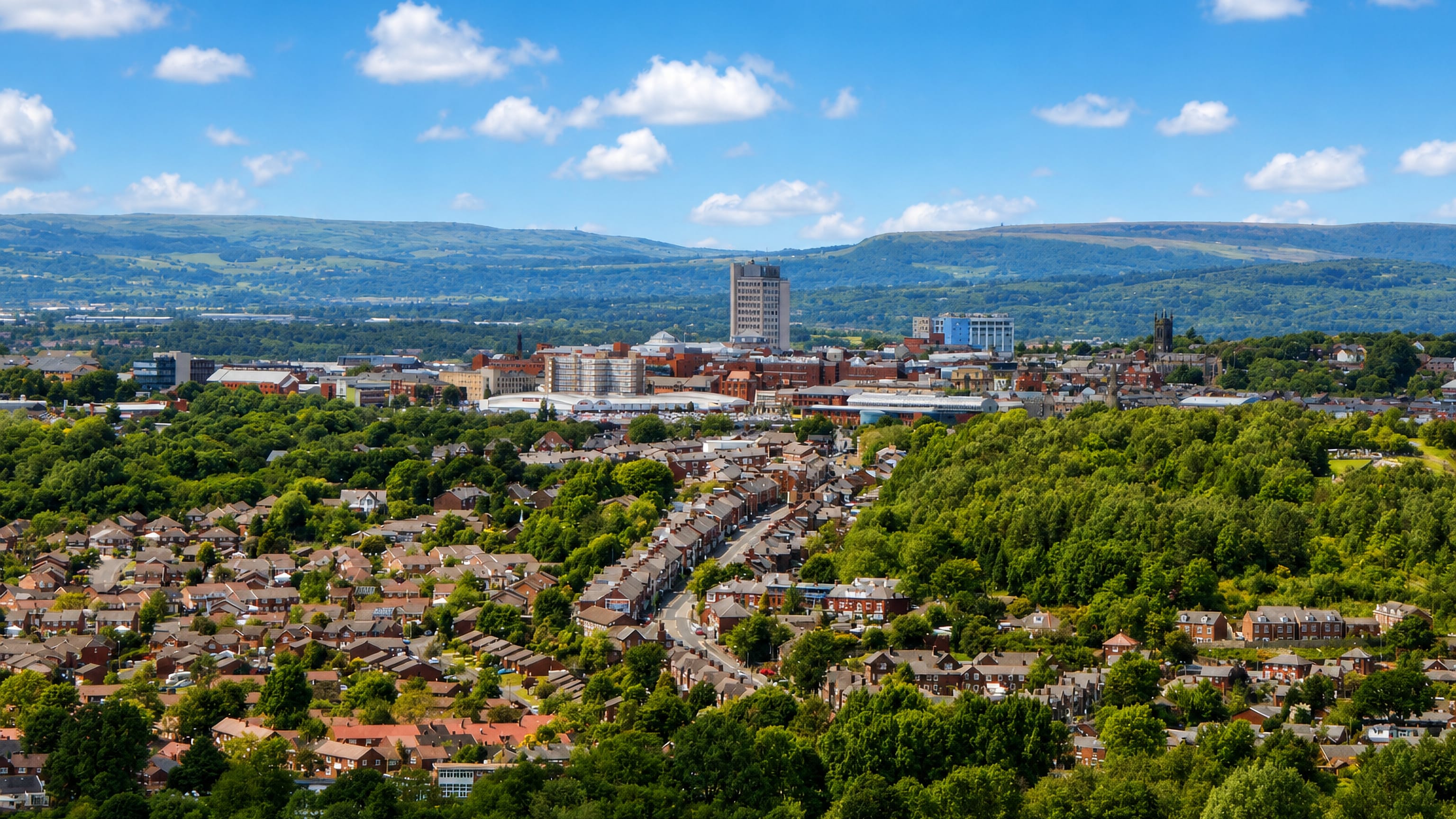
Oldham is a former textile town in Greater Manchester, on elevated ground between the rivers Irk and Medlock in the foothills of the Pennines.
Hotel links are affiliate links: booking through them may earn us a commission, at no extra cost to you. It never affects how places are ranked. How this works


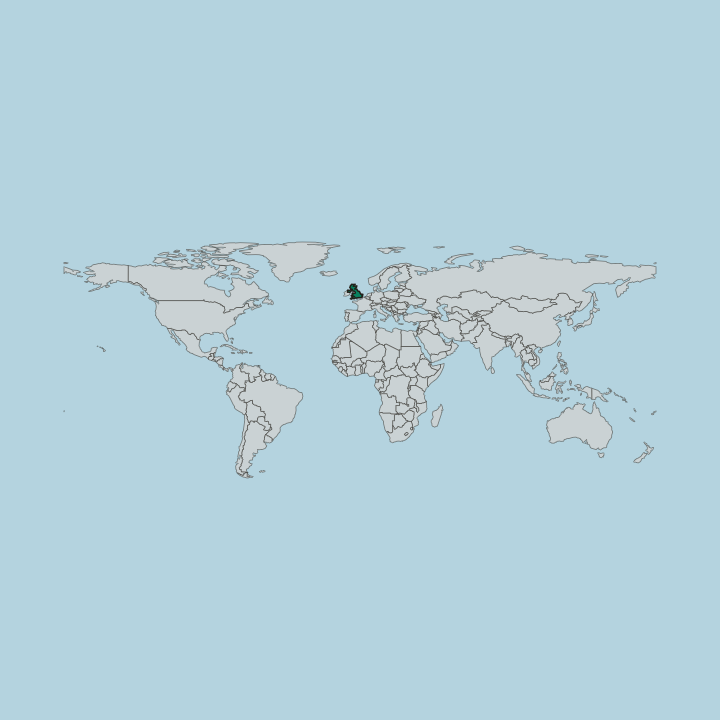
Where to stay in Oldham
One neighbourhood here has its own guide — here's what it is best for.

 OldhamUnited Kingdom
Hathershaw
Hathershaw is an urban area of Oldham in Greater Manchester, a hillside district bisected by the A627 road running on to Ashton-under-Lyne.Where to stay →Hotel links are affiliate links: booking through them may earn us a commission, at no extra cost to you. It never affects how places are ranked. How this works
Find hotels in Oldham
Direct booking searches for these neighbourhoods.
Oldham centre
The Parish Church of St Mary with St Peter, Oldham stands on the same high ground.Find hotels in Oldham centreDrivers basing near Foxdenton Hall and St. Matthew's Church, ChaddertonChadderton
Christ Church, Chadderton gives this side of the Metropolitan Borough of Oldham its landmark. Beds are limited here, so book early.Find hotels in ChaddertonLonger stays anchored on Werneth HallWerneth
Ashfield House, Wellfield House and Sun Hill House survive among the older addresses here. Lodging is scarce in this area; reserve in advance.Find hotels in WernethWalkers taking the valleys up out of OldhamThe Pennine villages
The Church of St Anne and Holy Trinity Church serve the villages on the way into the Pennines. Few places to stay nearby — book ahead.Find hotels in The Pennine villagesHotel links are affiliate links: booking through them may earn us a commission, at no extra cost to you. It never affects how places are ranked. How this works
Things to do in Oldham
Ranked by global recognition; descriptions from Wikidata (CC0).
Museums & Galleries
2- J.R. Clynes Building Heritage
- Gallery Oldham
Churches & Religious Sites
8- Parish Church of St Mary with St Peter, Oldham Heritage
- St James' Church, Oldham Heritage
- St. Matthew's Church, Chadderton Heritage
- Church of St Anne Heritage
- Church of St Thomas Heritage
Show 3 more →
- Church of the Holy Trinity Heritage
- Church of St Margaret Heritage
- Church of St Paul Heritage
Castles & Historic Sites
1- Monument To Sarah Lees Heritage
Stadiums & Sports
1- Grand Theatre, Oldham
Landmarks & Notable Places
5- Werneth Hall Heritage
- Foxdenton Hall Heritage
- Ashfield House Heritage
- Sun Hill House Heritage
- Wellfield House Heritage
worth knowingacross 5 categories in Oldham
About Oldham
The Pennines start here.
What is Oldham known for?
Oldham was a textile town, and the villages and valleys running up into the hills are the main reason visitors come, with Gallery Oldham and the Grand Theatre, Oldham holding the town's own share of it. Textiles made the place. The Parish Church of St Mary with St Peter, Oldham, Werneth Hall and Foxdenton Hall are the older names on its list.
What are the main landmarks in Oldham?
Gallery Oldham and the Grand Theatre, Oldham carry the public side. The Parish Church of St Mary with St Peter, Oldham, St James' Church, Oldham and the Church of St Mark with Christchurch run through the older congregations. Halls survive on the edges.
Werneth Hall and Foxdenton Hall are the two that keep their names, with Ashfield House, Wellfield House and Sun Hill House among the older houses, and St. Matthew's Church, Chadderton and Christ Church, Chadderton on the Chadderton side.
What is the history of Oldham?
The halls came before the mills. Werneth Hall and Foxdenton Hall stand from the centuries before the textile trade arrived, and the Parish Church of St Mary with St Peter, Oldham held the parish that the town later filled out. Then came the textile trade.
Oldham grew into a textile town on elevated ground between the rivers Irk and Medlock, 7 miles from Manchester City Centre and 5 miles from Rochdale, with the streets climbing the slopes as the work arrived. Churches followed the streets. St James' Church, Oldham, the Church of St Thomas, the Church of St Anne, the Church of St Mark with Christchurch, the Church of St Margaret, the Church of St Paul, the Church of St Luke, the Church of Saint John the Baptist and Holy Trinity Church were built for the districts as they filled.
Chadderton got its own. St. Matthew's Church, Chadderton and Christ Church, Chadderton served that side of what became the Metropolitan Borough of Oldham. Later arrivals left their own mark.
The Ukrainian Catholic Church Of Ss Peter And Paul And All Saints, And Associated Boundary Wall And Gatepiers is listed among the town's buildings, and it records a congregation the older parish list does not. The textile trade ended. Gallery Oldham and the Grand Theatre, Oldham carry what the town kept of that century, and Ashfield House, Wellfield House and Sun Hill House survive from the years when the money it made was still being spent here.
Where is Oldham?
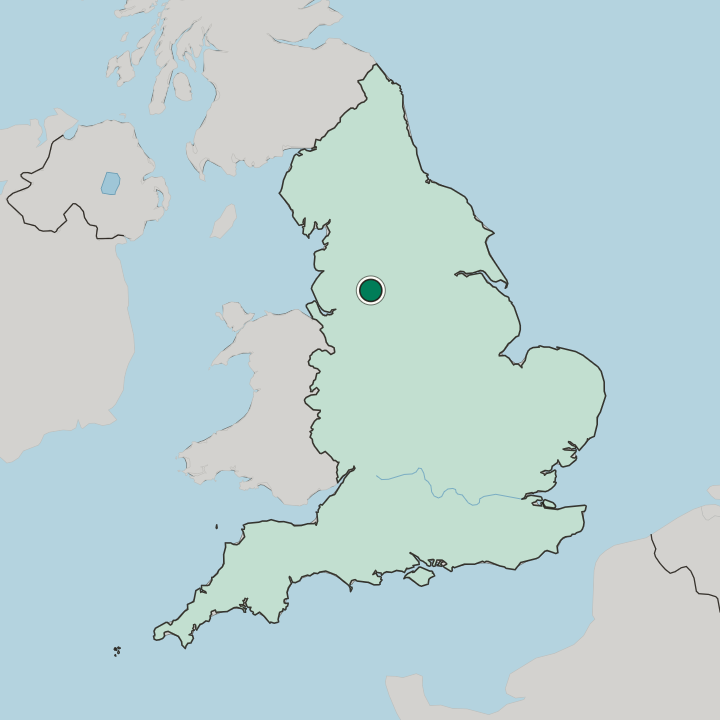
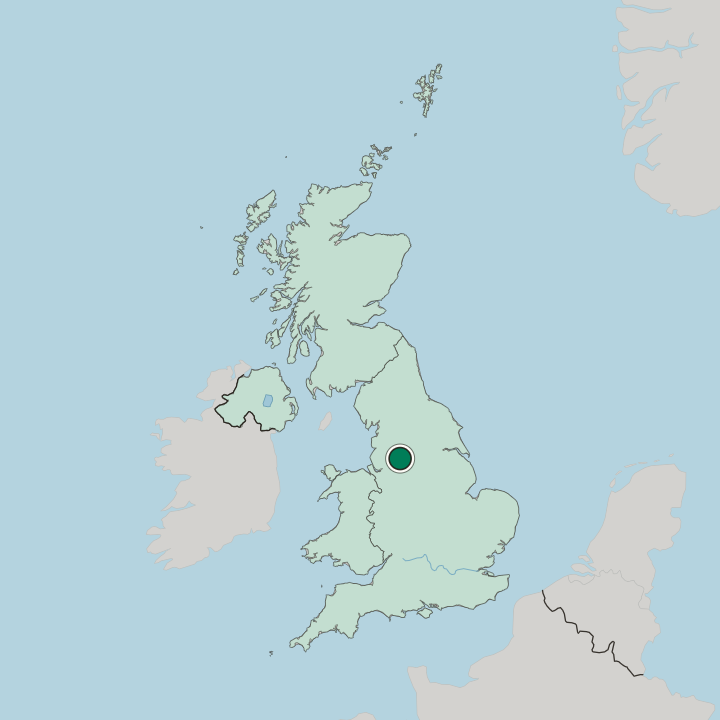
The land tilts up towards the Pennines. Oldham lies amongst them on elevated ground between the rivers Irk and Medlock, 5 miles south-east of Rochdale and 7 miles north-east of Manchester City Centre in Greater Manchester. Valleys run up into the hills.
Chadderton and Werneth are names within the Metropolitan Borough of Oldham, and the villages above the town lead into the walking country.
What is the climate of Oldham?
The Pennines set the weather. Elevated ground keeps Oldham cooler and wetter than the country below it towards Manchester, and the valleys running into the hills hold the damp longer than the streets do. Winter comes early up there.
Summers stay moderate between the rivers Irk and Medlock, and a day on the Pennine side of the borough needs a coat in almost any month.
How do you get to Oldham?
Manchester City Centre is 7 miles off. Oldham lies north-east of it and 5 miles south-east of Rochdale, which puts the town on the Pennine edge of Greater Manchester rather than out on its own. Foxdenton Hall and St. Matthew's Church, Chadderton mark the Chadderton approach.
Valleys lead the other way. The villages and valleys running into the Pennines are the reason to keep a car, since the walking ground starts where the built streets stop.
Common questions
What is the best area to stay in Oldham?
Oldham centre: Guests who want Gallery Oldham and the Grand Theatre, Oldham on the doorstep. Chadderton: Drivers basing near Foxdenton Hall and St. Matthew's Church, Chadderton. Werneth: Longer stays anchored on Werneth Hall. The Pennine villages: Walkers taking the valleys up out of Oldham.
Good for
More cities in England
Updated October 2026