United Kingdom · England
Where to Stay in Oxford, England
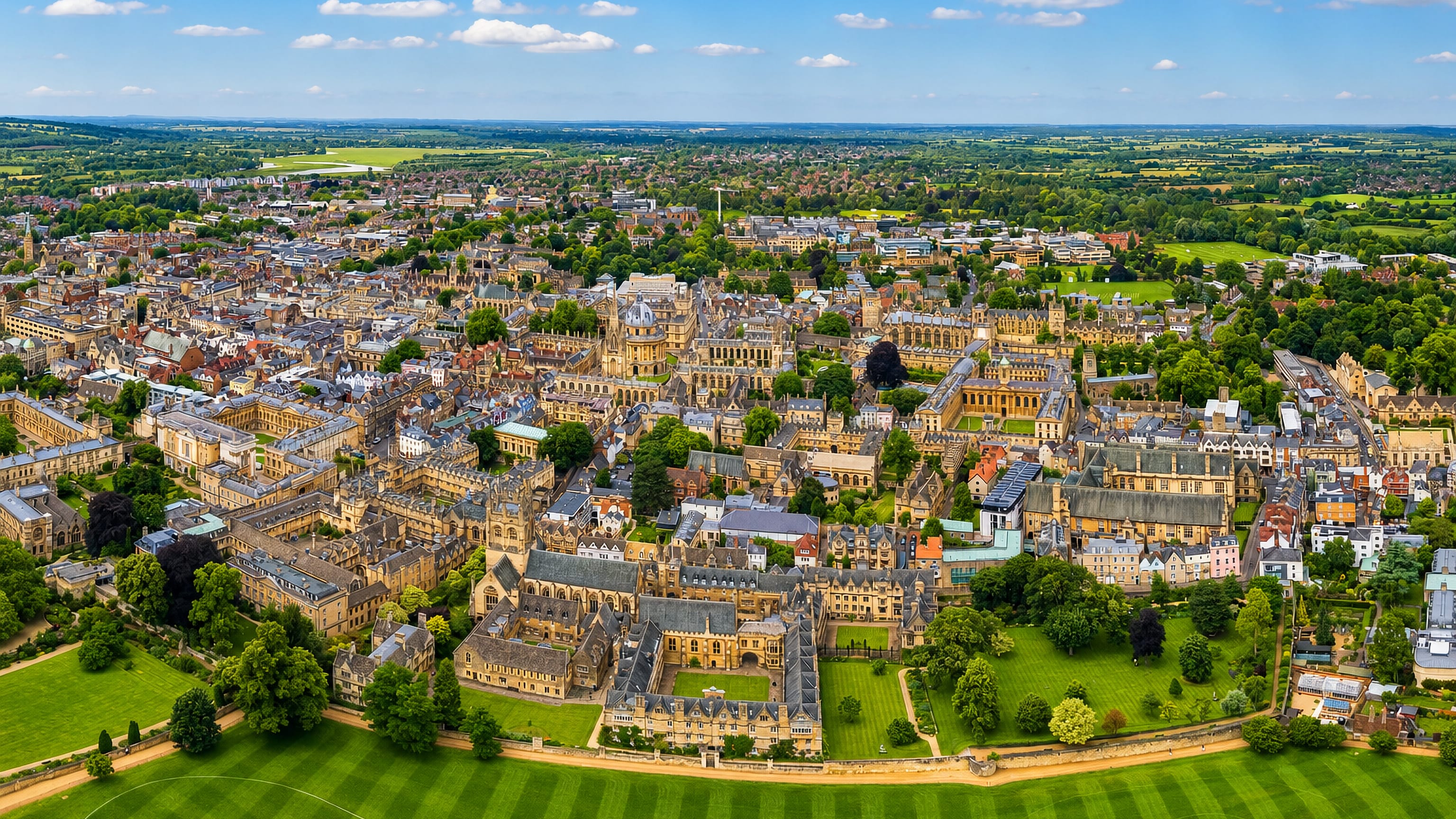
College towers rise over Oxford, a university city in Oxfordshire, England, set on the Thames and the Cherwell and known for its Ashmolean Museum.
Hotel links are affiliate links: booking through them may earn us a commission, at no extra cost to you. It never affects how places are ranked. How this works



Where to stay in Oxford
Where you base yourself shapes the visit — here's the character of each area.

 OxfordUnited Kingdom
Grandpont
Grandpont is a district of Oxford, marked by a surviving section of the Grandpont causeway and by Grandpont House.Where to stay → OxfordUnited Kingdom
Osney
Water rings Osney on every side, the River Thames, Osney Ditch and Osney Stream, with Botley Road running across the island into Oxford.Where to stay → OxfordUnited Kingdom
Walton Manor
Walton Manor is a district of Oxford, with the Ashmolean Museum, Oxford University Parks, and St Barnabas Church, Oxford on its ground.Where to stay →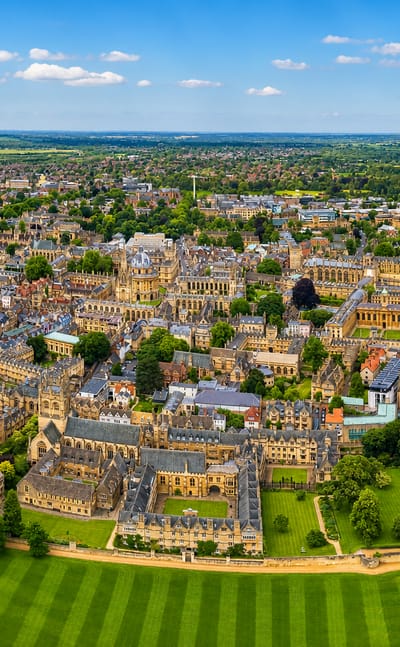 OxfordUnited Kingdom
New Hinksey
New Hinksey is a district of Oxford, where St Luke's Church and the Church of St Lawrence stand among a short run of named houses.Where to stay →OxfordUnited KingdomHeadington Hill
Headington Hill rises in the east of Oxford, England, inside the suburb of Headington, with the Headington Road climbing over it.Where to stay →OxfordUnited KingdomSummertown
Summertown is a suburb in North Oxford, a square mile of houses and shops along Banbury Road north of St Giles.Where to stay →OxfordUnited KingdomHeadington Quarry
A limestone quarry gave Headington Quarry its name and its ground, three miles out from Oxford's centre and just inside the Oxford Ring Road.Where to stay → OxfordUnited Kingdom
Cutteslowe
Cutteslowe is a suburb in the north of Oxford, in Oxfordshire, England, between Sunnymead and Water Eaton.Where to stay → OxfordUnited Kingdom
Wolvercote
Three miles out from Oxford's centre, Wolvercote sits behind Wolvercote Common with Port Meadow and the River Thames beyond.Where to stay → OxfordUnited Kingdom
Blackbird Leys
Blackbird Leys is a ward and civil parish of Oxford, a parish in its own right since 1990, with Oxford Stadium standing on its ground.Where to stay →Hotel links are affiliate links: booking through them may earn us a commission, at no extra cost to you. It never affects how places are ranked. How this works
Find hotels in Oxford
Direct booking searches for these neighbourhoods.
College centre
The lane-grid around the Ashmolean Museum and the Martyrs' Memorial keeps the medieval colleges and university museums within a short walkFind hotels in College centreVisitors who want parkland and puntingAcross the Cherwell
Bases by the Oxford University Parks and the Cherwell trade some proximity for riverside calm and a green walk into the centreFind hotels in Across the CherwellHotel links are affiliate links: booking through them may earn us a commission, at no extra cost to you. It never affects how places are ranked. How this works
Things to do in Oxford
Ranked by global recognition; descriptions from Wikidata (CC0).
Museums & Galleries
4- Ashmolean Museum Heritage
- Pitt Rivers Museum Heritage
- Christ Church Picture Gallery Heritage
- History of Science Museum Heritage
Churches & Religious Sites
8- Oxford Oratory Heritage
- St Michael at the North Gate Heritage
- St Aldate's Church Heritage
- St Ebbe's Church Heritage
- Osney Abbey Heritage
Show 3 more →
- St Mary Magdalen's Church, Oxford Heritage
- St Mary the Virgin, Iffley Heritage
- St Cross Church Heritage
Castles & Historic Sites
2- Oxford Castle Heritage
- Ring ditches, barrows and associated enclosures, Port Meadow Heritage
Nature & Outdoors
1- Oxford University Parks Heritage
Landmarks & Notable Places
8- Pusey House Heritage
- Bear Inn Heritage
- Founders Tower Heritage
- Bartlemas House Heritage
- Bury Knowle Heritage
Show 3 more →
- 566, Banbury Road Heritage
- 20, Northmoor Road Heritage
- Manor House Heritage
worth knowingacross 5 categories in Oxford
About Oxford
What is Oxford known for?
Oxford is known as the oldest university city in the United Kingdom, its skyline crowded with medieval college spires. The learning shows in its museums. The Ashmolean Museum, the Pitt Rivers Museum, the Oxford University Museum of Natural History, and the History of Science Museum each grew from the university's collections.
Beyond the colleges stand Oxford Castle, the Martyrs' Memorial, and the green expanse of the Oxford University Parks beside the Cherwell.
What are the main landmarks in Oxford?
Oxford's landmarks are dominated by its university collections. The Ashmolean Museum, Britain's oldest public museum, anchors them, joined by the Pitt Rivers Museum, the Oxford University Museum of Natural History, and the History of Science Museum. Among the colleges stand the Martyrs' Memorial and St Michael at the North Gate with its Saxon tower.
Older and greener corners include Oxford Castle, the ruins of Osney Abbey, and the University Parks running down to the Cherwell.
What is the history of Oxford?
Oxford grew up around the year 1000 at a ford across the Thames, the crossing that gave the town its name. It began as a river settlement. A Saxon minster stood where St Michael at the North Gate still keeps its tower, and after the Conquest the Normans raised Oxford Castle to hold the crossing, its mound and church surviving beside the modern streets.
Osney Abbey rose on an island in the Thames. The university made the rest of the story. Scholars gathered here from the twelfth century, and college after college walled off its quadrangles until the town was threaded with them.
The Reformation left its mark in the Martyrs' Memorial, raised where Protestant bishops were burned. Curiosity built the museums: the Ashmolean Museum opened as the country's first public museum, and later ages added the Oxford University Museum of Natural History, the Pitt Rivers Museum, and the History of Science Museum. Through it all the Thames and the Cherwell framed the city, their meadows still holding the spires apart from the country beyond.
Where is Oxford?
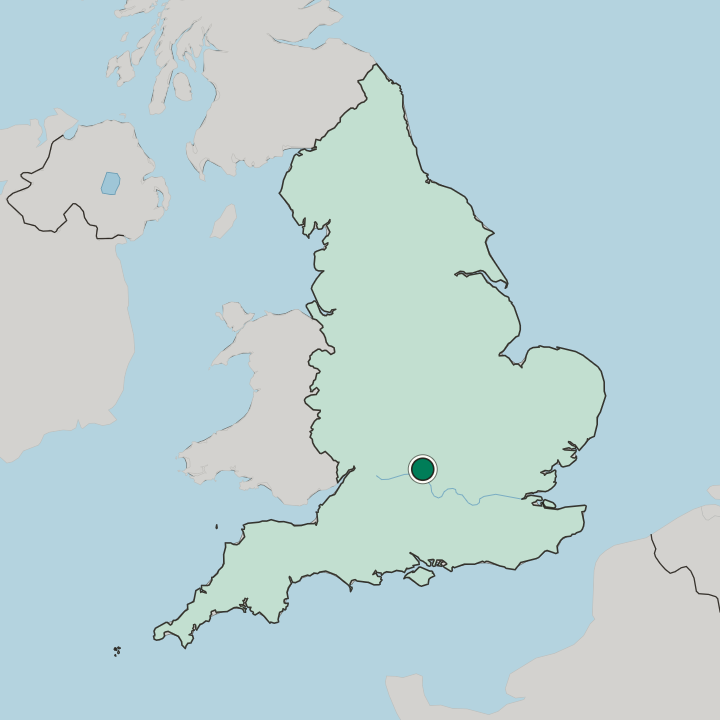
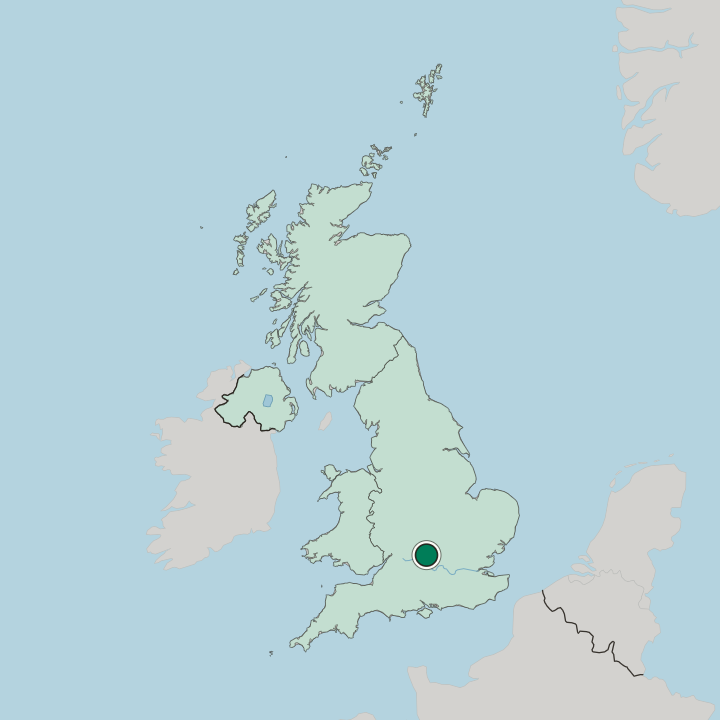
Oxford sits in Oxfordshire, England, where the Thames and the Cherwell meet on low ground west of London. Water rings the old town. Riverside meadows and the two rivers hold the built-up centre in check, and the medieval colleges, the Ashmolean Museum, and Oxford Castle cluster on the higher ground between the streams, with the University Parks running down to the Cherwell on the town's eastern side.
What is the climate of Oxford?
Oxford has a mild, moist lowland climate typical of southern England. Summers are warm and often changeable. Winters are cool and grey rather than harsh, with frost and mist forming readily over the low riverside meadows, and the Thames and the Cherwell are prone to spilling onto their floodplains after heavy rain.
Damp air lingers along the water in every season.
How do you get to Oxford?
Oxford is quick to reach from London. Trains run west from the capital to its central stations, a short walk from the Ashmolean Museum and the colleges, and coaches follow the motorway that links the two cities. Roads feed in from across Oxfordshire, though the historic centre is best left to foot and bicycle.
Once there, the museums and colleges lie within an easy walk of one another.
Common questions
What is the best area to stay in Oxford?
College centre: First-timers who want the Ashmolean and the colleges on the doorstep. Across the Cherwell: Visitors who want parkland and punting.
Good for
More cities in England
Updated October 2026