United Kingdom · England
Where to Stay in Poole, England
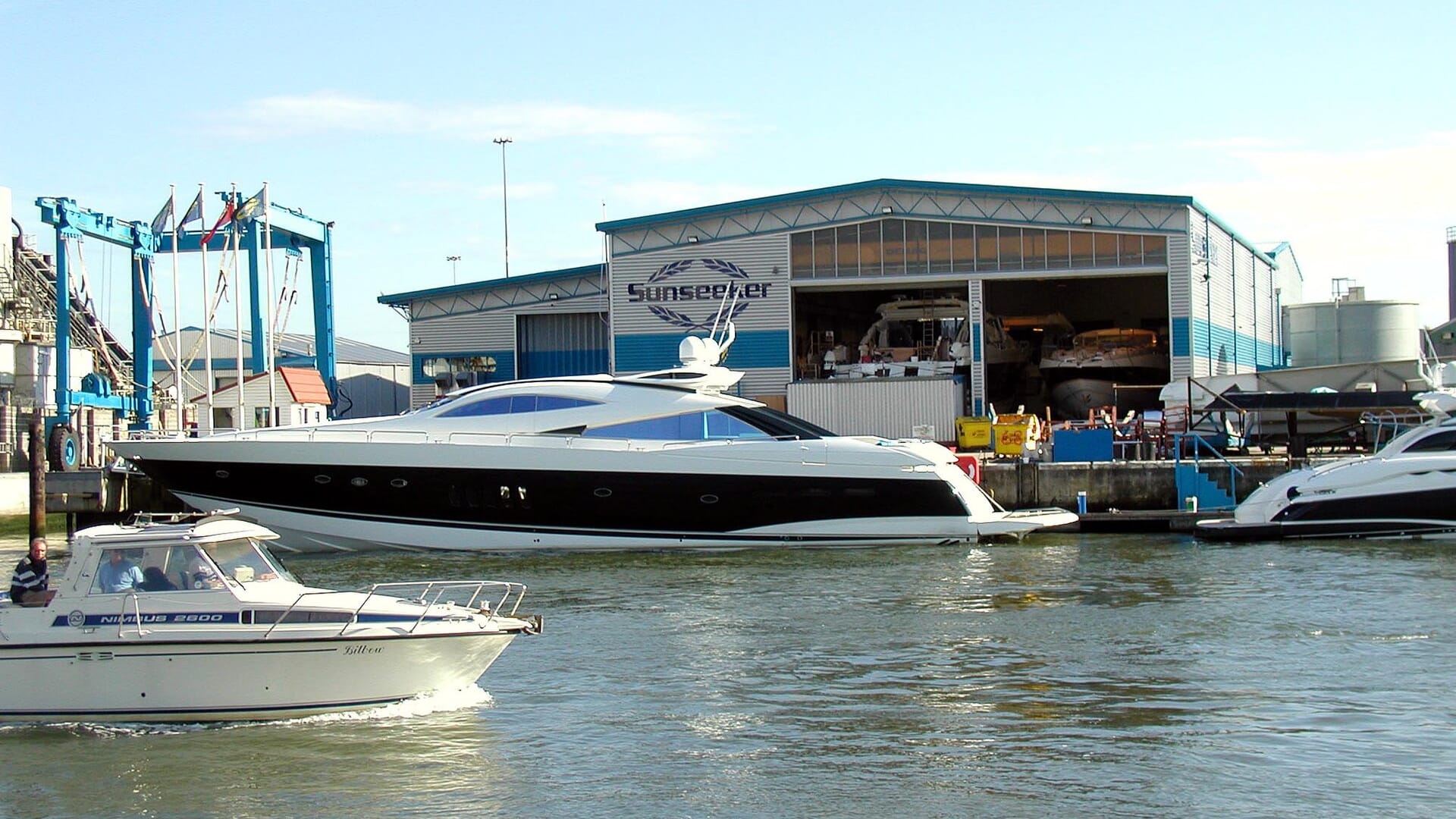
Poole is a Dorset seaport on a large natural harbour, with Brownsea Island offshore, Blue Flag beaches and the Lighthouse arts centre.
Hotel links are affiliate links: booking through them may earn us a commission, at no extra cost to you. It never affects how places are ranked. How this works


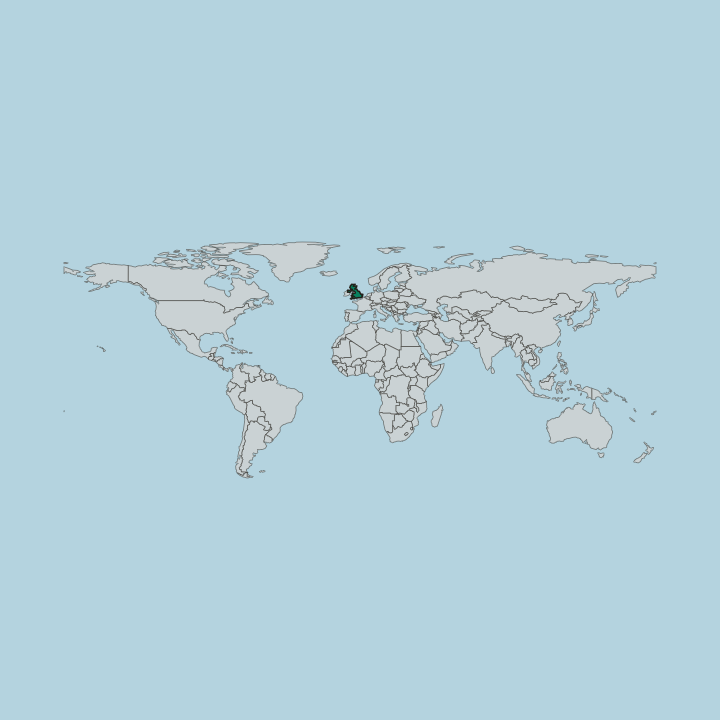
Where to stay in Poole
One neighbourhood here has its own guide — here's what it is best for.

 PooleUnited Kingdom
Canford Heath
Canford Heath is a suburb and electoral ward of Poole, built across the largest lowland heath in the UK and the largest heathland in Dorset.Where to stay →Hotel links are affiliate links: booking through them may earn us a commission, at no extra cost to you. It never affects how places are ranked. How this works
Find hotels in Poole
Direct booking searches for these neighbourhoods.
Poole Quay and the High Street
Poole Museum, Scaplen's Court and the High Street sit a few minutes from the harbour water.Find hotels in Poole Quay and the High Streeta quieter room near St Mary's ChurchLongfleet
St Mary's Church gives Longfleet a centre in the streets set back from the quay.Find hotels in LongfleetUpton House and Splashdown WaterparkUpton
Upton House and the Church of St Peter anchor this end, with Splashdown Waterpark close by. Rooms are few around here — worth securing early.Find hotels in UptonBrownsea Castle and the harbour crossingBrownsea Island
Brownsea Castle sits across the water, so a bed ashore beats trying to stay on the island. Lodging is scarce in this area; reserve in advance.Find hotels in Brownsea IslandHotel links are affiliate links: booking through them may earn us a commission, at no extra cost to you. It never affects how places are ranked. How this works
Things to do in Poole
Ranked by global recognition; descriptions from Wikidata (CC0).
Churches & Religious Sites
7- St Dunstan of Canterbury Orthodox Church Heritage
- St James' Church, Poole Heritage
- Church of St Peter Heritage
- St Mary's Church, Longfleet Heritage
- Church of Saint Mary Heritage
Show 2 more →
- St George's Church Heritage
- Church of St John the Evangelist Heritage
Castles & Historic Sites
2- Brownsea Castle Heritage
- George Augustus Cavendish-Bentink Monument, 8M East Of Chancel Of Church Of St Mary Heritage
Nature & Outdoors
1- Brownsea Island
Stadiums & Sports
1- Dolphin Shopping Centre
Landmarks & Notable Places
8- Upton House Heritage
- Scaplen's Court Heritage
- Landfall Heritage
- Sir Peter Thompson House Heritage
- 12 and 14 High Street, Poole Heritage
Show 3 more →
- Bowden House Heritage
- Poole House Heritage
- The Boat House Heritage
worth knowingacross 5 categories in Poole
About Poole
The harbour is the whole point.
What is Poole known for?
Poole works a large natural harbour with Brownsea Island lying inside it, and a seaport, Blue Flag beaches and the Lighthouse arts centre together explain why the town draws visitors at all. Poole Museum covers the rest. Scaplen's Court sits at the older end of that record and the Dolphin Shopping Centre at the newer, with Splashdown Waterpark for wet afternoons.
What are the main landmarks in Poole?
Brownsea Island heads the list. Brownsea Castle stands on it, and the crossing over the harbour is half the reason people go. Scaplen's Court is the other draw.
Poole Museum and Scaplen's Court museum handle the collections, the Lighthouse arts centre handles performance, and St James' Church, the Church of St Peter and the Church of Saint Mary carry the parish side. Sir Peter Thompson House, Upton House and the George Augustus Cavendish-Bentink Monument fill in the rest.
What is the history of Poole?
Ships made Poole. A natural harbour of that size gave the place a seaport before it had anything else, and the oldest visible end of that record is Scaplen's Court, with 12 and 14 High Street holding the same line of street. Trade built the streets.
Sir Peter Thompson House, Poole House and Bowden House survive from the quarter behind the water, and St James' Church stands among them. Landfall and The Engine House belong to the working waterfront. Parishes multiplied as the town spread.
Longfleet took St Mary's Church, the Church of St Peter and the Church of Saint Mary served other quarters, and St George's Church, the Church of St John the Evangelist and St Dunstan of Canterbury Orthodox Church came later still. Brownsea Island kept its own history. Brownsea Castle stands on the island in the harbour, apart from the town's story on the mainland.
Poole is a civil parish in the Bournemouth, Christchurch and Poole unitary authority area in Dorset, and the second-largest town in the ceremonial county. The Dolphin Shopping Centre, Splashdown Waterpark and the Lighthouse arts centre belong to a much later chapter.
Where is Poole?
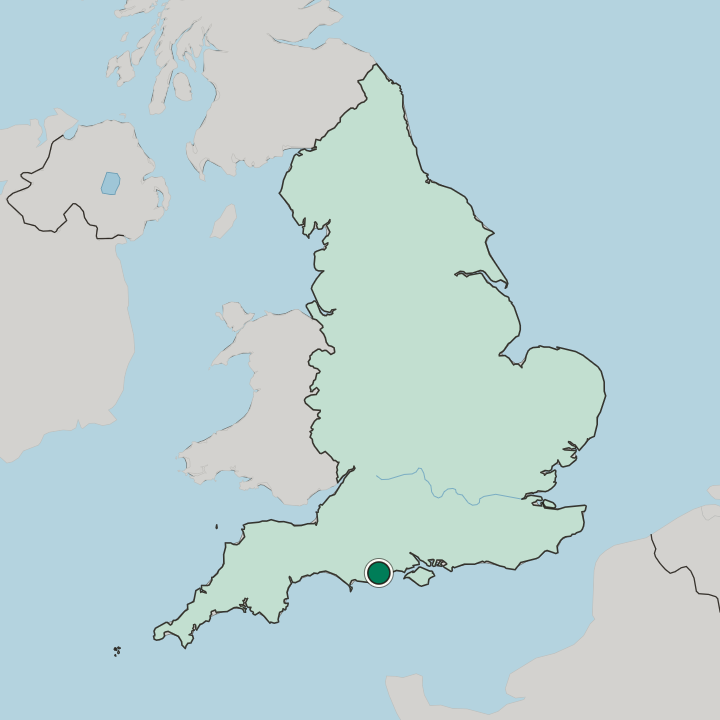
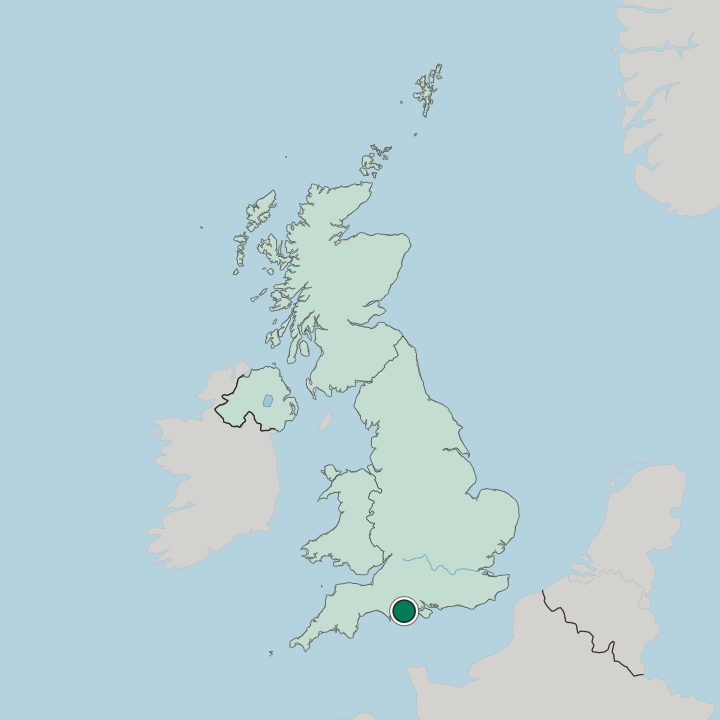
Water shapes everything here. The natural harbour is large enough to hold Brownsea Island whole, and the town sits on the landward side of it while the Blue Flag beaches face the open sea. Bournemouth adjoins to the east.
Dorchester lies 21 miles west, and Longfleet and Upton mark the inland edges of the built-up area in Dorset.
What is the climate of Poole?
The harbour water does the tempering. An expanse of sheltered water on that scale warms quickly in summer and holds its heat into autumn, which keeps frost off the quay more often than it settles inland toward Dorchester. Winds come off the sea.
Brownsea Island takes the weather first, and the Blue Flag beaches are exposed on days when the Dolphin Shopping Centre and the streets behind it feel calm.
How do you get to Poole?
Bournemouth is the near neighbour. The two towns adjoin, so arrivals into Poole often come through Bournemouth first and finish the last stretch inside the same unitary authority area. Dorchester lies 21 miles west.
The crossing to Brownsea Island starts inside the harbour, and the seaport itself takes what arrives off the water rather than over land.
Common questions
What is the best area to stay in Poole?
Poole Quay and the High Street: harbour water and Scaplen's Court on foot. Longfleet: a quieter room near St Mary's Church. Upton: Upton House and Splashdown Waterpark. Brownsea Island: Brownsea Castle and the harbour crossing.
Good for
More cities in England
Updated October 2026