United Kingdom · England
Where to Stay in Portsmouth, England
Portsmouth is a naval harbour city of England, home port to HMS Victory and the raised Tudor warship Mary Rose.
Hotel links are affiliate links: booking through them may earn us a commission, at no extra cost to you. It never affects how places are ranked. How this works



Where to stay in Portsmouth
One neighbourhood here has its own guide — here's what it is best for.

 PortsmouthUnited Kingdom
Southsea
Southsea is a district of Portsmouth holding the Royal Marines Museum, The D-Day Story and the Cumberland House Natural History Museum.Where to stay →Hotel links are affiliate links: booking through them may earn us a commission, at no extra cost to you. It never affects how places are ranked. How this works
Find hotels in Portsmouth
Direct booking searches for these neighbourhoods.
The dockyard harbour
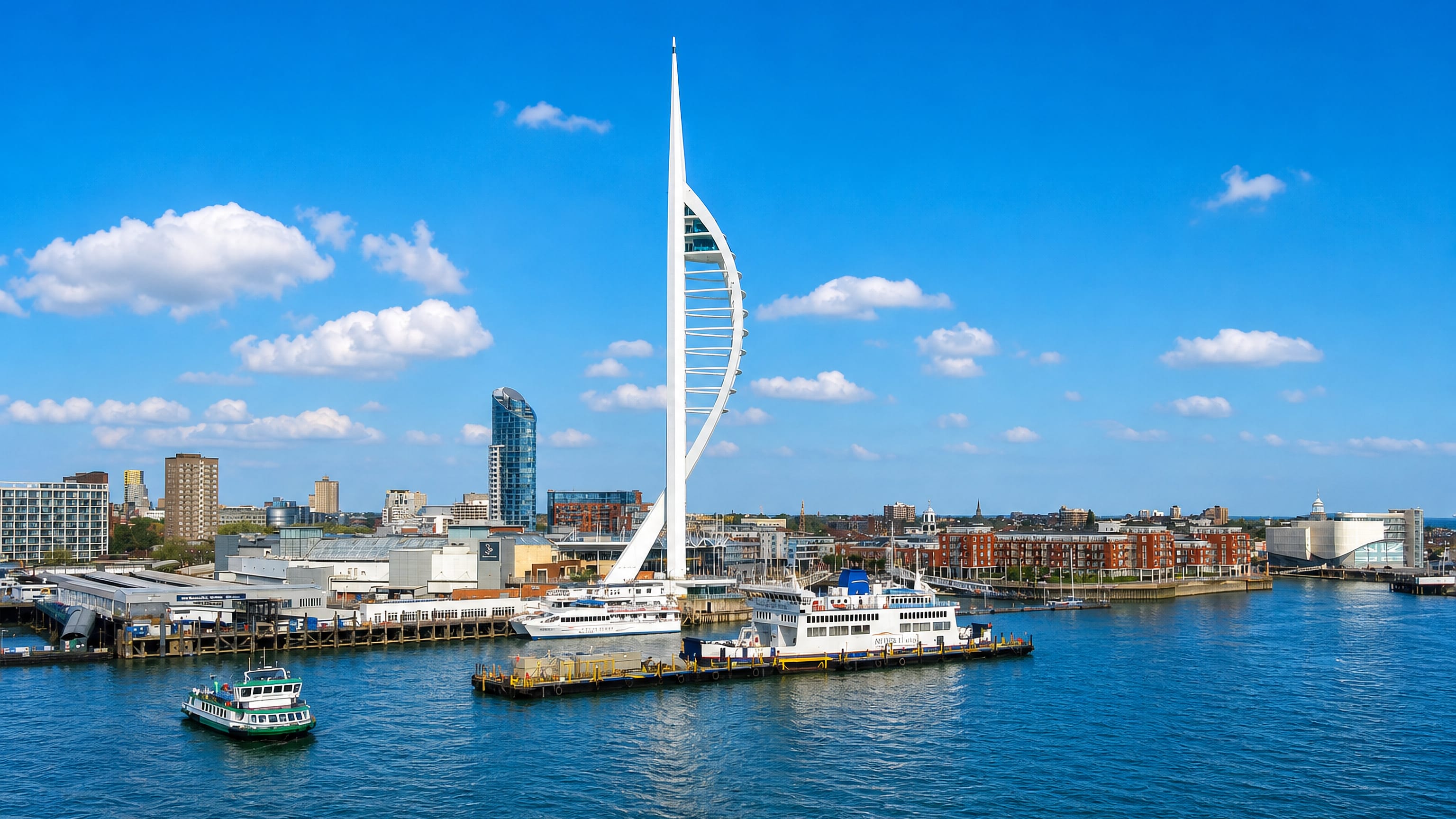
the harbour side under the Spinnaker Tower, with Portsmouth Historic Dockyard, HMS Victory and the ferries at the doorFind hotels in The dockyard harboura seaside base with promenadesSouthsea seafront
the front by Southsea Castle and Clarence Pier, the resort side with gardens and the widest choice of roomsFind hotels in Southsea seafrontvisitors after the historic harbour edgeOld Portsmouth
the old streets by the harbour mouth, where the Garrison church and the sea walls face the water. Beds are limited here, so book early.Find hotels in Old Portsmoutha quieter inland baseLandport
the inland streets around St Agatha's and the Charles Dickens Birthplace Museum, back from both seafront and dockyard. Few places to stay nearby — book ahead.Find hotels in LandportHotel links are affiliate links: booking through them may earn us a commission, at no extra cost to you. It never affects how places are ranked. How this works
Things to do in Portsmouth
Ranked by global recognition; descriptions from Wikidata (CC0).
Museums & Galleries
3- Charles Dickens Birthplace Museum Heritage
- Eastney Beam Engine House Heritage
- Portsmouth Historic Dockyard
Churches & Religious Sites
7- Portsmouth Garrison church Heritage
- St Mary's Church Heritage
- St Agatha's, Landport Heritage
- Church of St Jude Heritage
- Church of the Holy Spirit Heritage
Show 2 more →
- Church of St Simon Heritage
- Church of St James Heritage
Castles & Historic Sites
1- Southsea Castle Heritage
Parks & Gardens
1- Clarence Pier
Landmarks & Notable Places
1- Cumberland House Heritage
worth knowingacross 5 categories in Portsmouth
About Portsmouth
What is Portsmouth known for?
Portsmouth is the great naval city of England, built around the ships and dockyards of the Royal Navy. Portsmouth Historic Dockyard gathers the fleet's past at the harbour, where HMS Victory sits preserved in dry dock beside the ironclad HMS Warrior. The sea defines the whole city.
The Spinnaker Tower rises over the harbour mouth as a slender landmark, Southsea Castle guards the seafront that Henry VIII built to watch the water, and the recovered timbers of the Mary Rose fill their own museum hall by the dockyard.
What are the main landmarks in Portsmouth?
Portsmouth's landmarks are ships, forts and the sea. Portsmouth Historic Dockyard holds the fleet: HMS Victory in dry dock, the ironclad HMS Warrior at the quay and the raised Mary Rose in her own hall. Above them all stands the Spinnaker Tower.
Southsea Castle guards the seafront that Henry VIII walled, Clarence Pier reaches out over the water nearby, and The D-Day Story tells the invasion launched from these shores. Inland, the Charles Dickens Birthplace Museum keeps the writer's first home, and the Portsmouth Garrison church marks the old defended quarter.
What is the history of Portsmouth?
Portsmouth grew from a medieval harbour into the chief naval base of England. Its sheltered water gave the Crown a safe anchorage, and the dockyard on the harbour built and fitted warships for the fleet over many centuries. Kings fortified the place early.
Henry VIII raised Southsea Castle on the seafront to guard the approach, and it was from off this coast that his flagship, the Mary Rose, sank and lay buried until her timbers were raised again for the museum by the dockyard. The navy carried the city's story onward. HMS Victory, flagship at Trafalgar, was preserved in the dockyard as the fleet's most famous survivor, and the ironclad HMS Warrior later joined her at the quay.
War tested Portsmouth hard. The city launched much of the D-Day invasion from its shores, a chapter now kept at The D-Day Story, while the Charles Dickens Birthplace Museum recalls the writer born here far from the guns.
Where is Portsmouth?
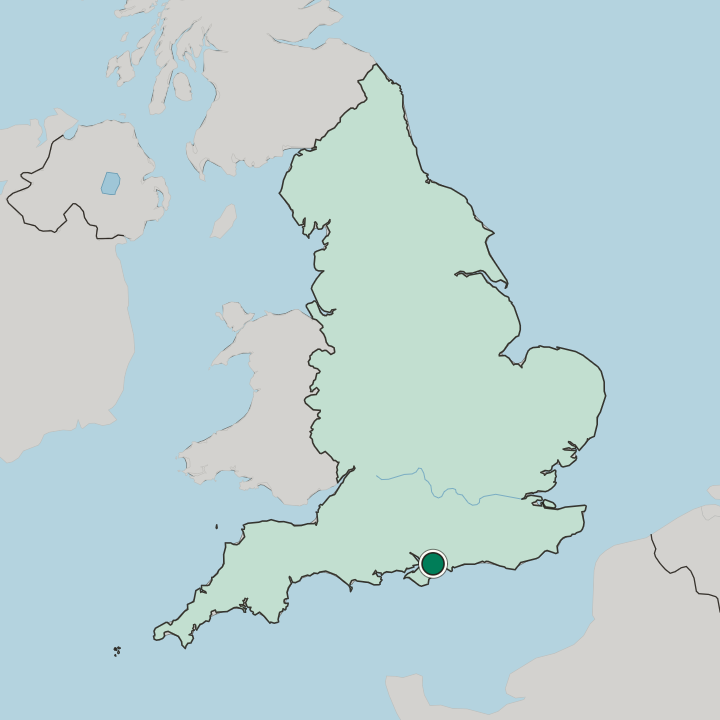
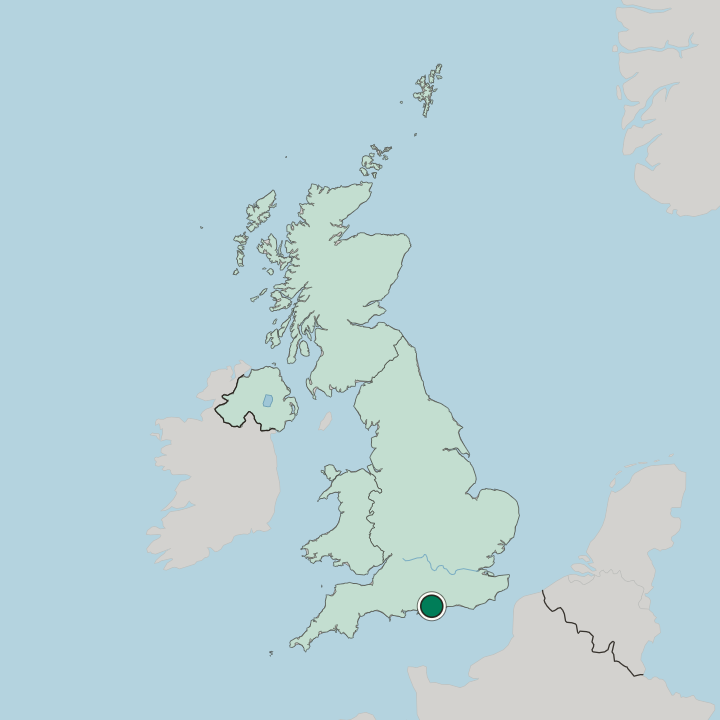
Portsmouth sits on the sea in England, a harbour city built out onto the water. The dockyard and the Spinnaker Tower stand at the harbour mouth on the western side, while the seafront runs south past Southsea Castle and Clarence Pier to face the open sea. Water almost surrounds the city.
Its densely built streets fill the low ground between the harbour and the front, from the old defended quarter by the Garrison church to the inland parishes around Landport.
What is the climate of Portsmouth?
Portsmouth has the mild maritime climate of England's sheltered coast. The surrounding water keeps its winters gentle and its summers warm rather than hot, and the harbour city sees a little less rain than the exposed western shore. Hard frost is uncommon here.
Sea breezes cross the seafront in every season, cloud and shower blow in off the water, and the salt air weathers the ships and forts standing along the harbour and the front.
How do you get to Portsmouth?
Portsmouth is easily reached by rail and road from across England. Trains run down from London to the harbour and the town stations, ending close to the dockyard and the Spinnaker Tower, and the motorway brings cars in from the capital and the west. Ferries sail from here too.
Boats leave the harbour for the Isle of Wight and across to France and Spain, but the train from London carries most visitors to the streets by Portsmouth Historic Dockyard.
Common questions
What is the best area to stay in Portsmouth?
The dockyard harbour: travellers here for the ships. Southsea seafront: a seaside base with promenades. Old Portsmouth: visitors after the historic harbour edge. Landport: a quieter inland base.
Good for
More cities in England
Updated October 2026